Showing posts with label Tunisia. Show all posts

Thursday, 20 June 2019

Two-nis and a Ferry Across the Med

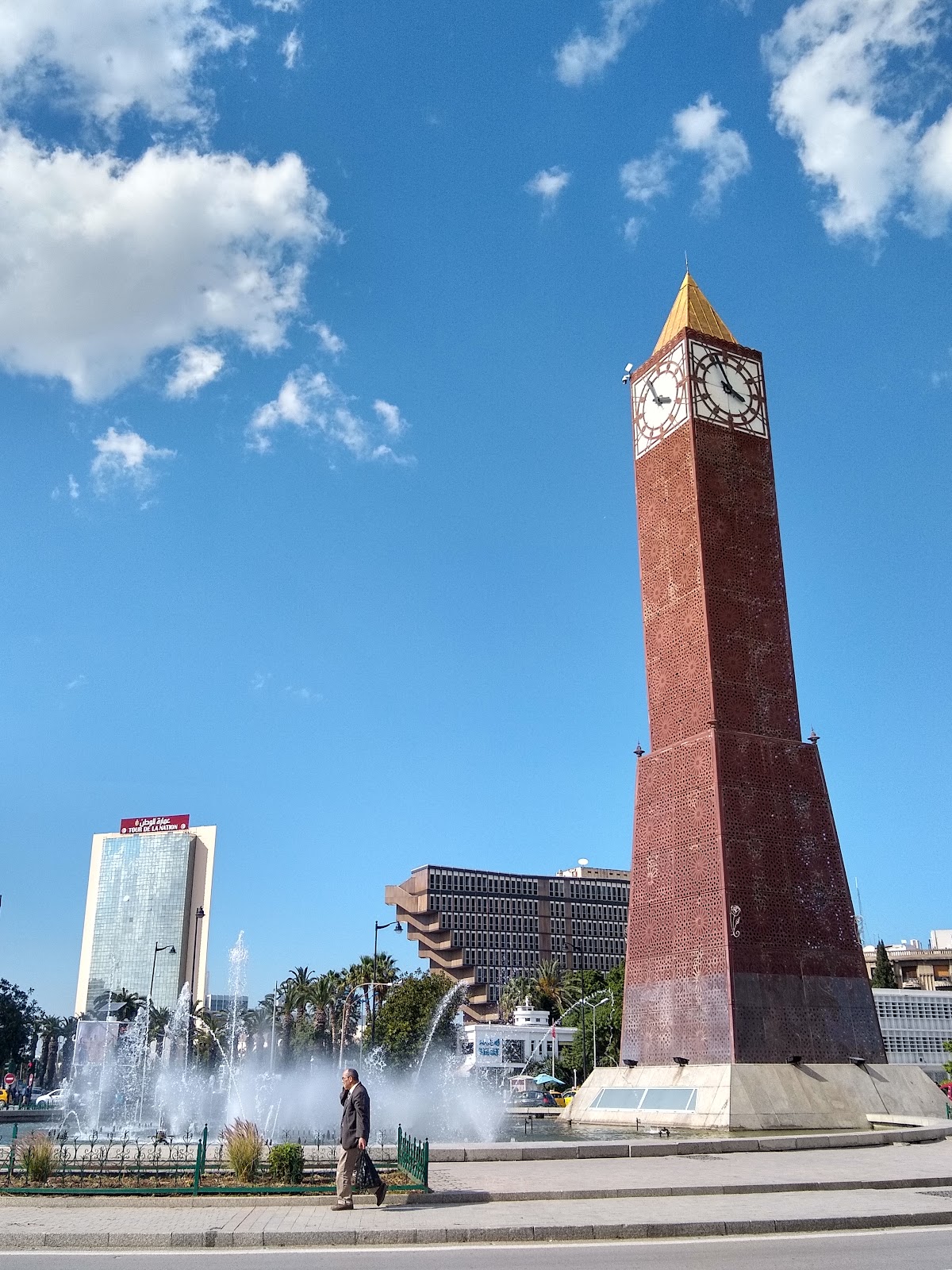
Our final couple of days in Tunisia were spent back in Tunis.  We were really just returning because it's the major hub for international travel in and out of the country, but we had a surprisingly good and memorable time.

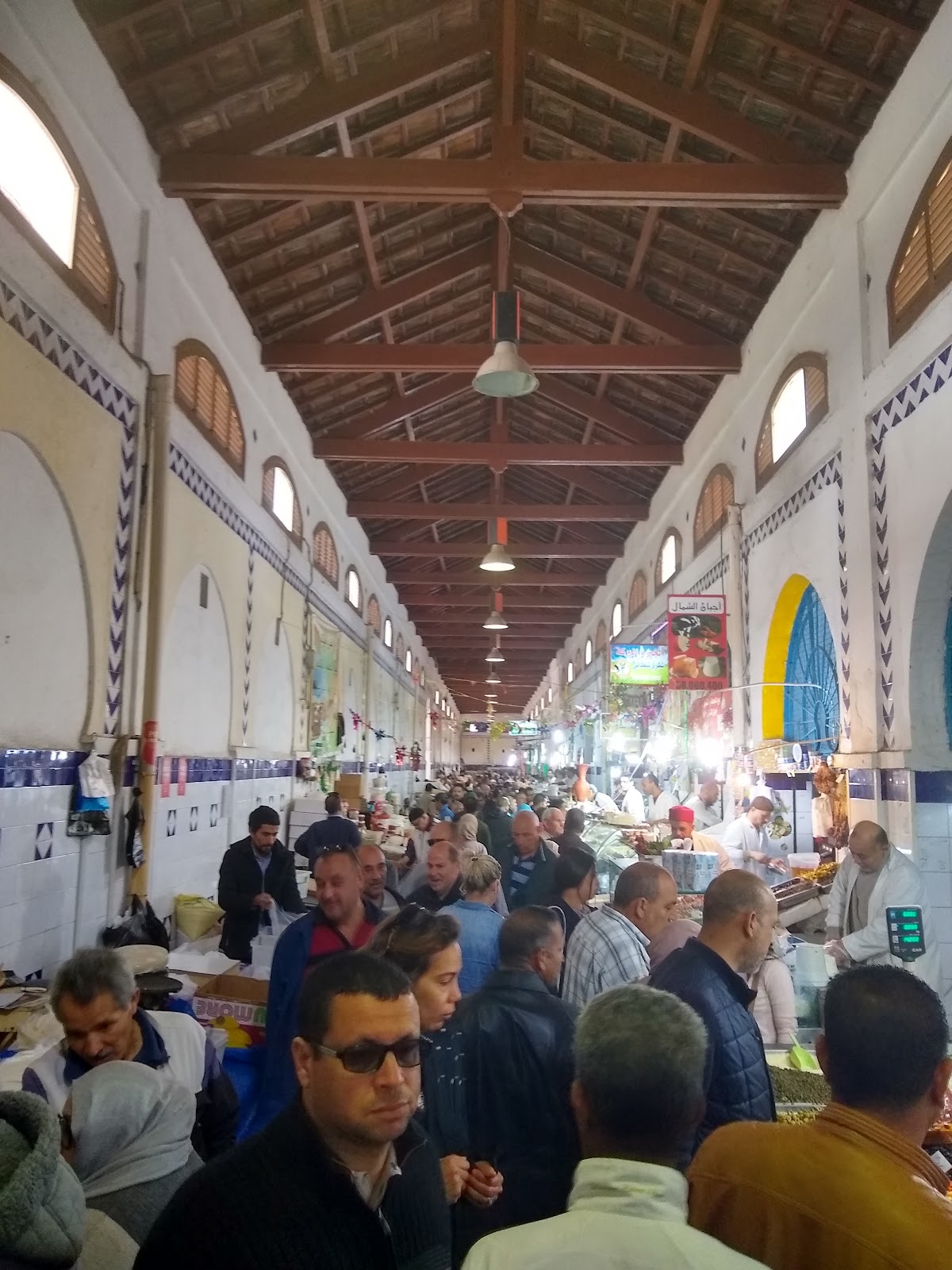
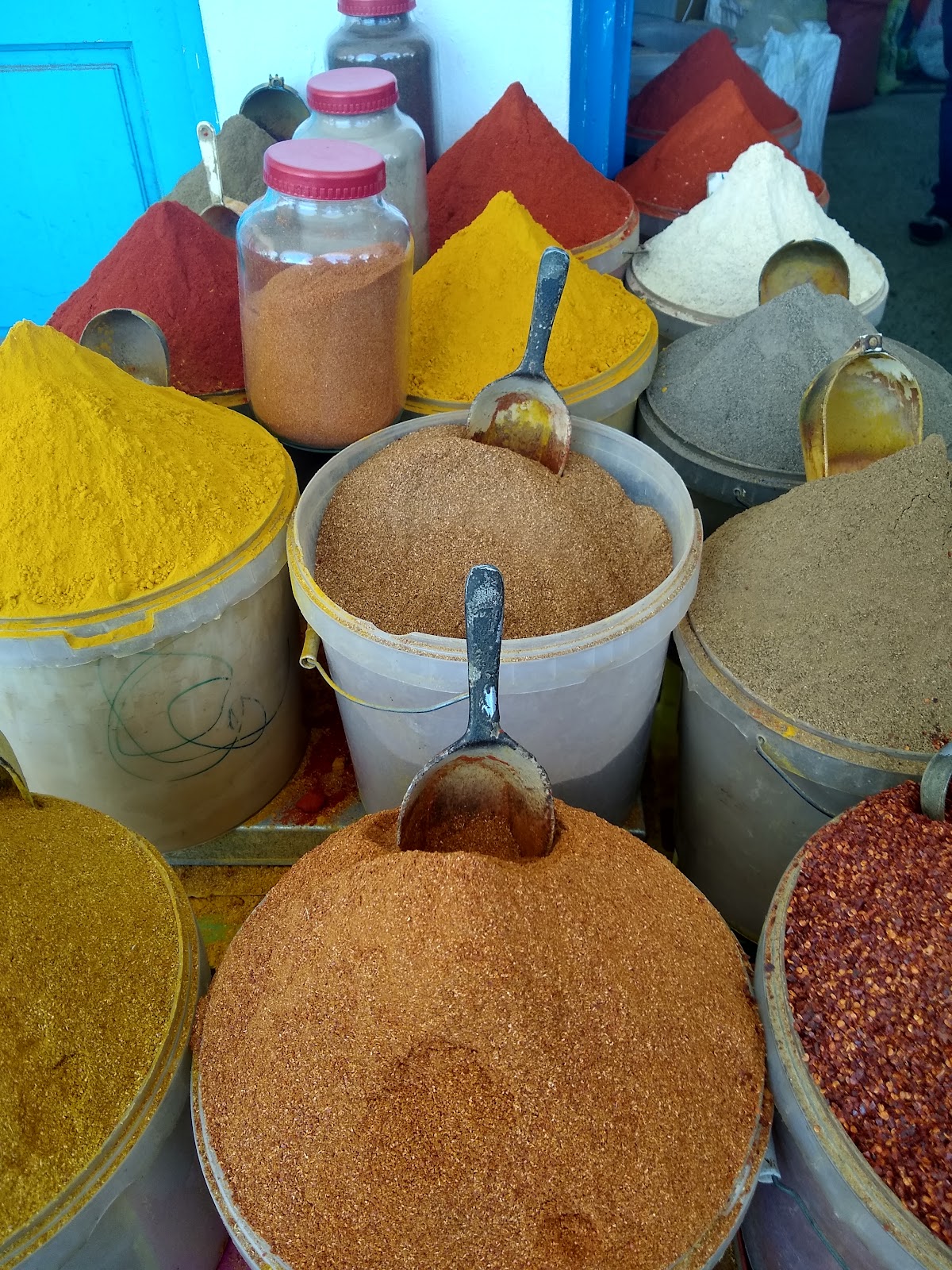
Part of it was getting to visit bits of the city that we hadn't seen before.  The market district south and east of the Medina was lively and full of fun looking and delicious products.  On one evening when I popped in looking for some olives and fruit I met a lemon vendor who was also a professional photographer and he even had me pose for a few shots behind his stand!


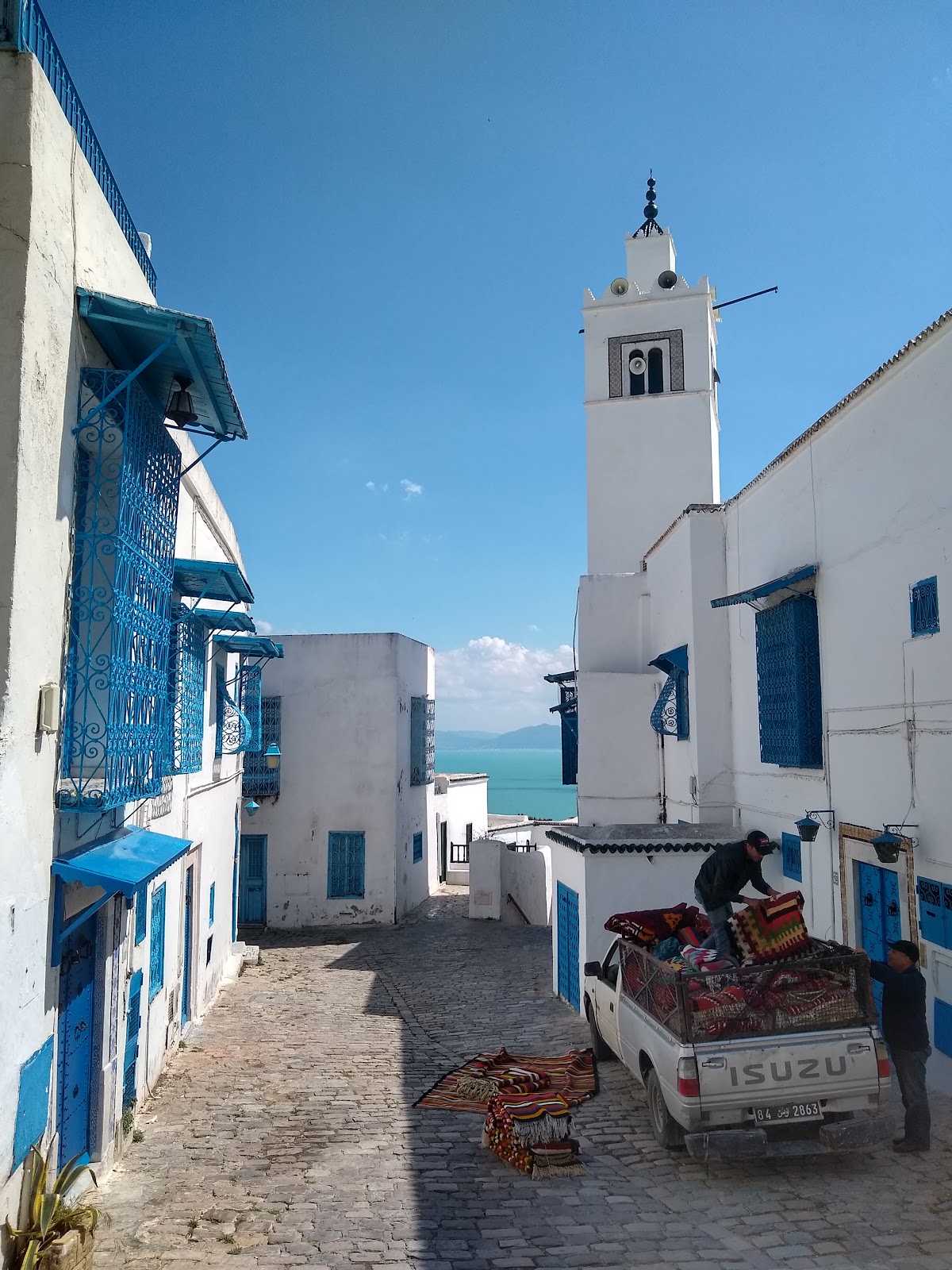
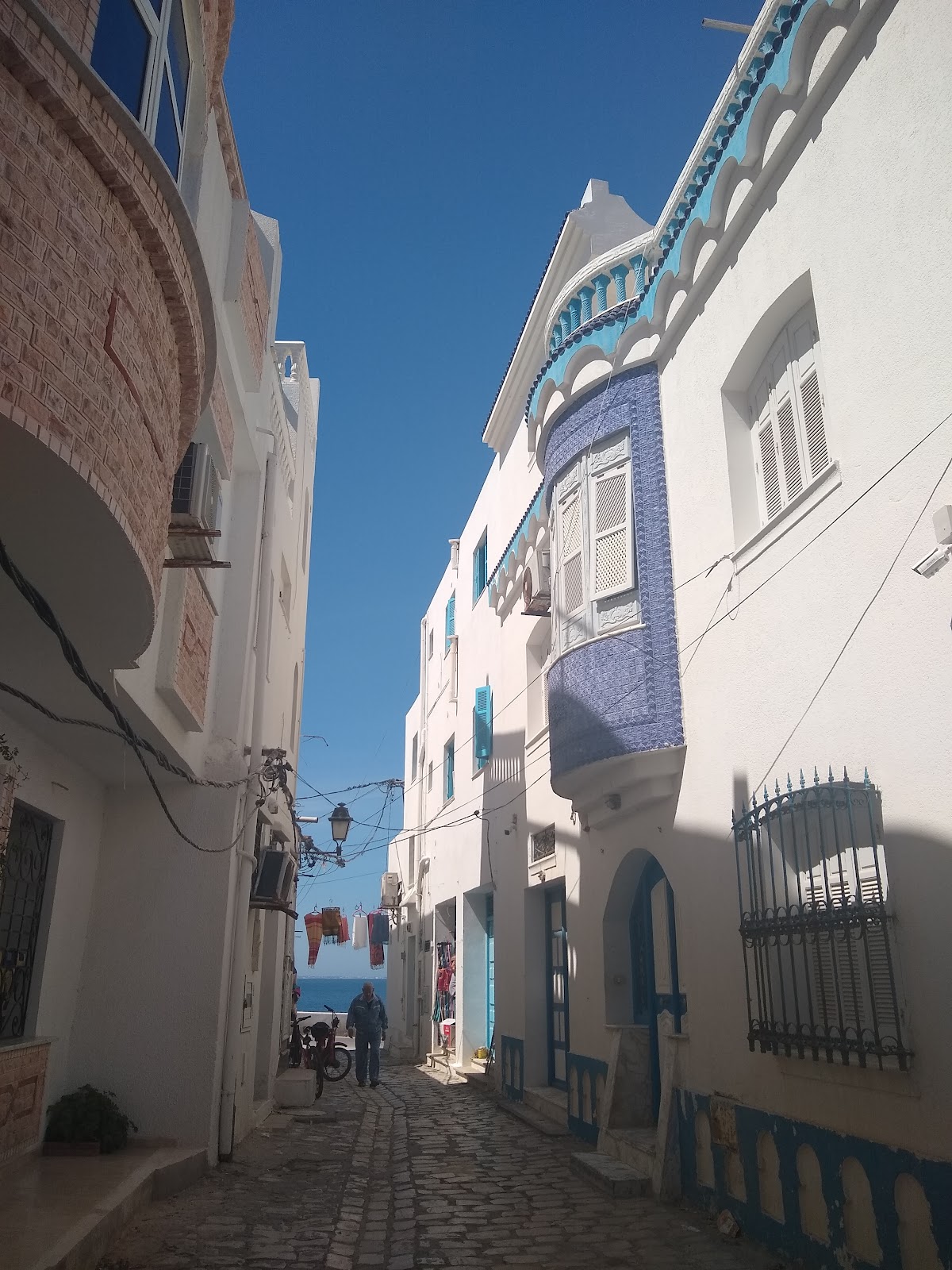
Another memorable spot was the suburb of Sidi Bou Said.  Partly memorable because of how pretty it was, painted all blue and white, covered in Bougainvillea and perched high up on the clifftops above the gulf of Tunis.  Also partly memorable because once we eventually stumbled onto the main street it was jam packed with visitors (this despite the fact that one of its prime attractions is to sit and drink a coffee and admire the views at the [all closed for Ramadan] cafes).


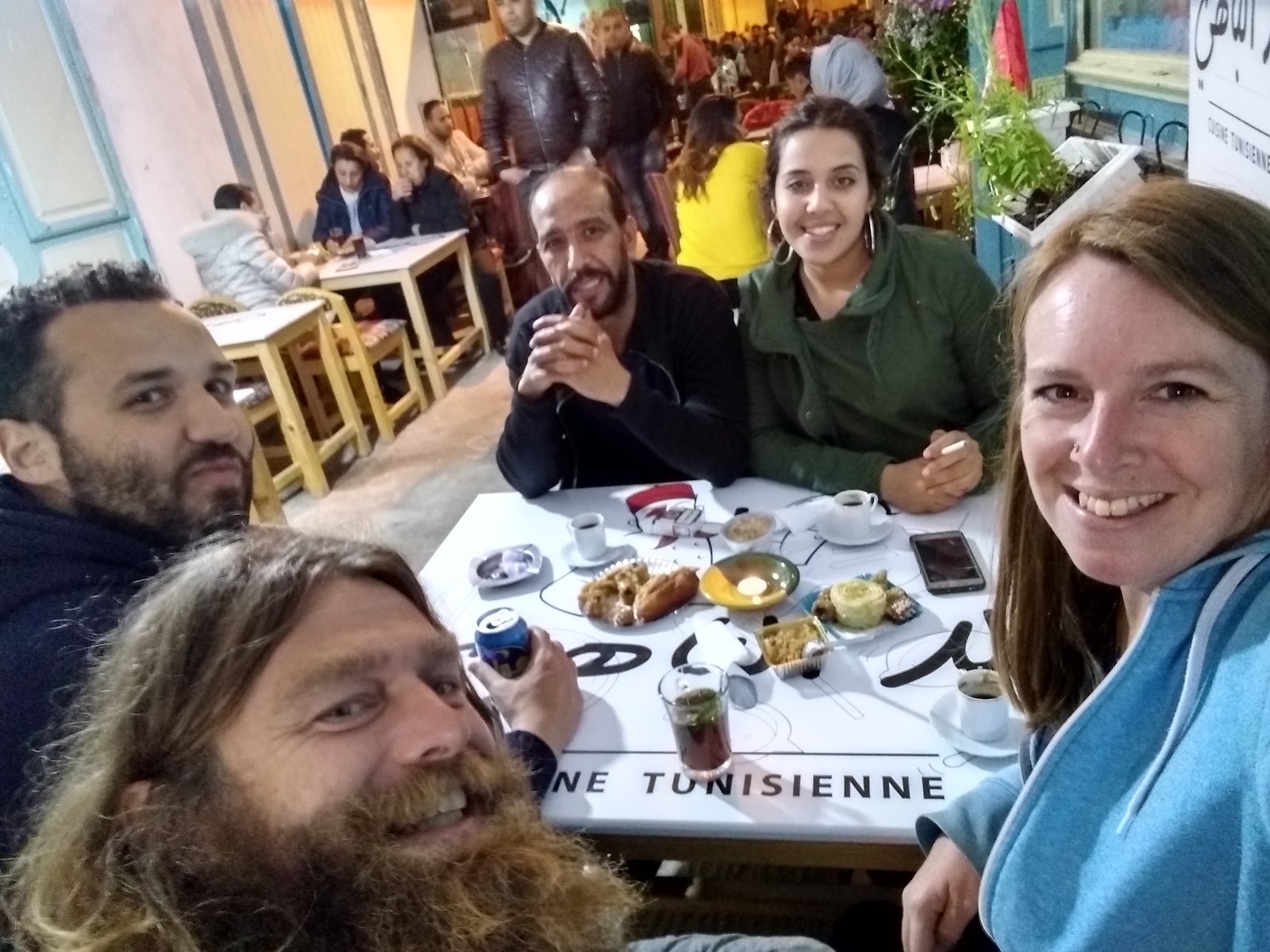
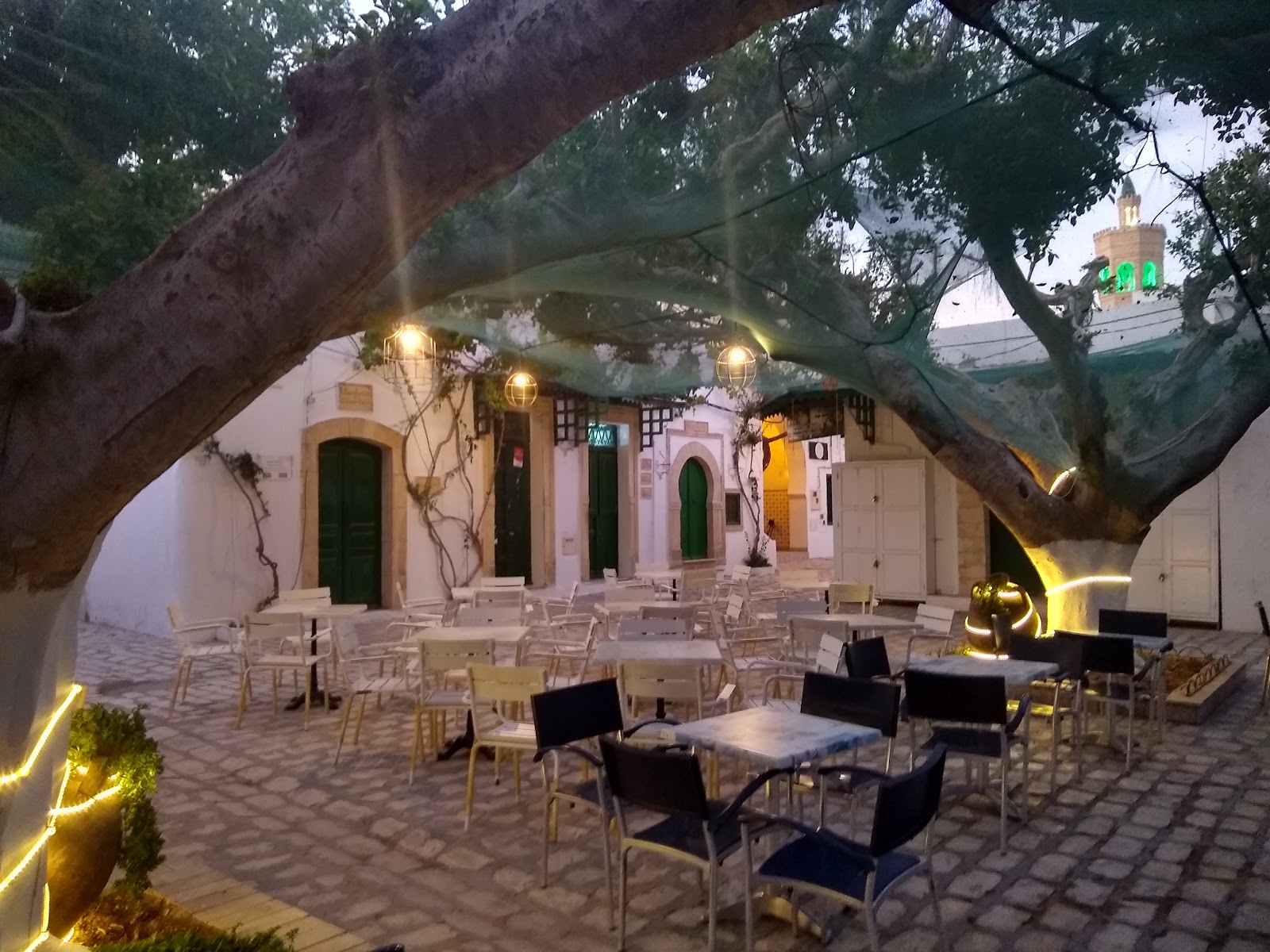
But really the best thing about our return to Tunis was spending more time with Kais, the Airbnb host we'd stayed with our first time through.  He and his girlfriend are just lovely people. We shared their Iftar meal with them every night, and on one very memorable evening we headed out after to a cafe in the Medina.  Normally the Tunis Medina is pretty quiet after dark, but during Ramadan a few hours after the Iftar meal it's just heaving. We sat at a table with our tea/coffee, platters of Tubisian sweets and pastries and spent a grand couple of hours people watching and playing Ludo (very popular in Tunisia) on Kais' phone.


Nice as all this was, we did miss being able to patronize the ubiquitous and very nice outdoor  cafés. And it was a minor hassle to go into hiding to eat lunch (in Tunis there were eateries open during Ramadan, but they all had their doors shut and windows papered over or obscured with soap.  

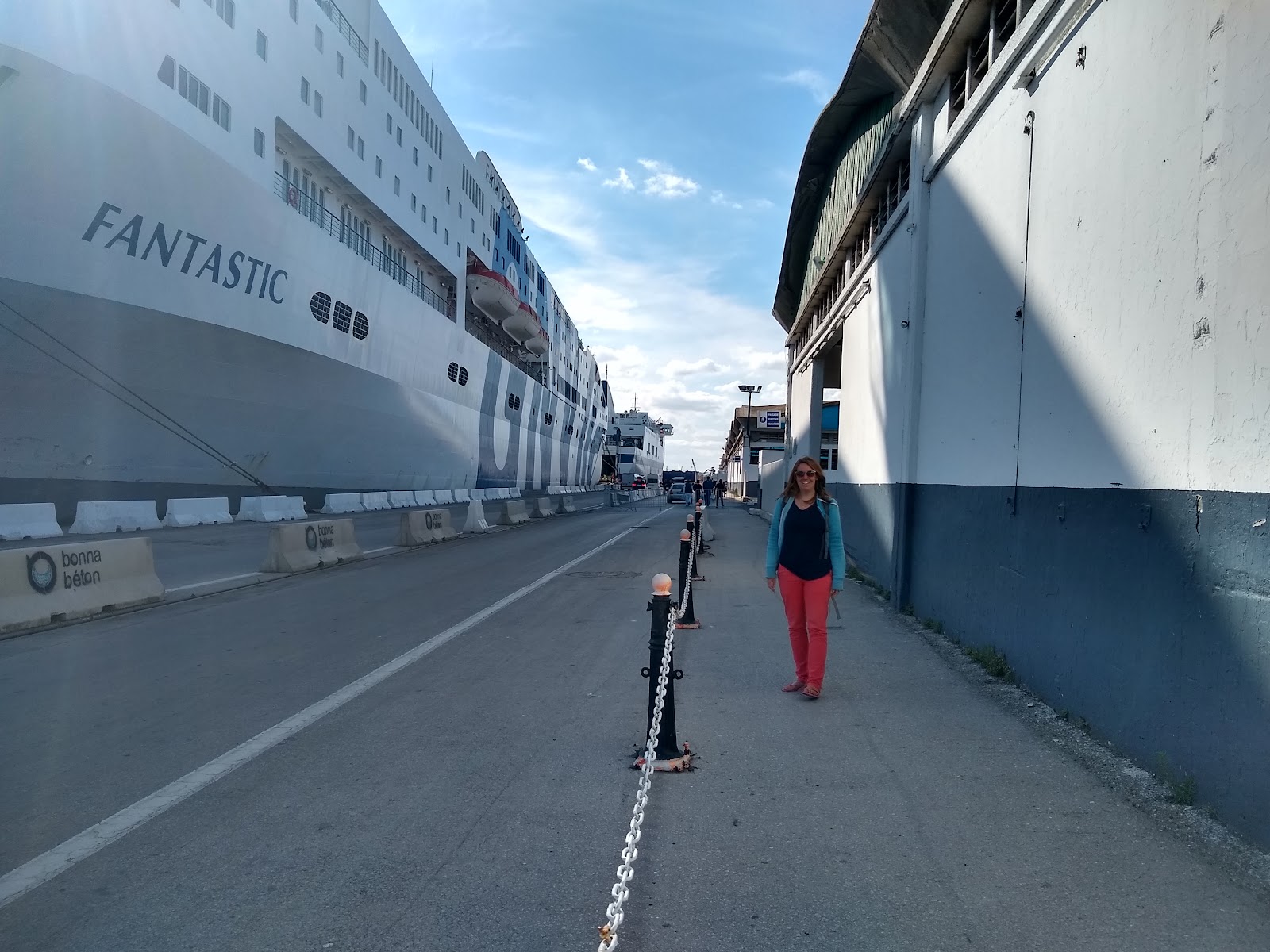
Plus we were departing not by air, as we'd arrived, but by boat across the Mediterranean!  So we there were both carrots and sticks as we took the commuter train to the port to board our ferry to Italy.  It was easy enough to find the terminal, but a bit confusing once we got there. It seemed like they weren't really used to foreigners who didn't have vehicles using the ferries.  We sat around for an hour until the gates opened for us to go through security. But instead of following the rest of the crowd who showed their ID and walked straight on we were directed downstairs to the vehicle loading lanes.  We were warmly greeted by the immigration officers who sat us down and chatted with us (and a lone Japanese tourist) for half an hour or so while we waited for… something or other to happen. Then we had our passports stamped by someone in a vehicle lane, went back upstairs, had someone check out the stamps and x-ray our bags, only to be sent back downstairs to board the boat where, after careful scrutiny of our passports and ticket info we were finally allowed aboard.


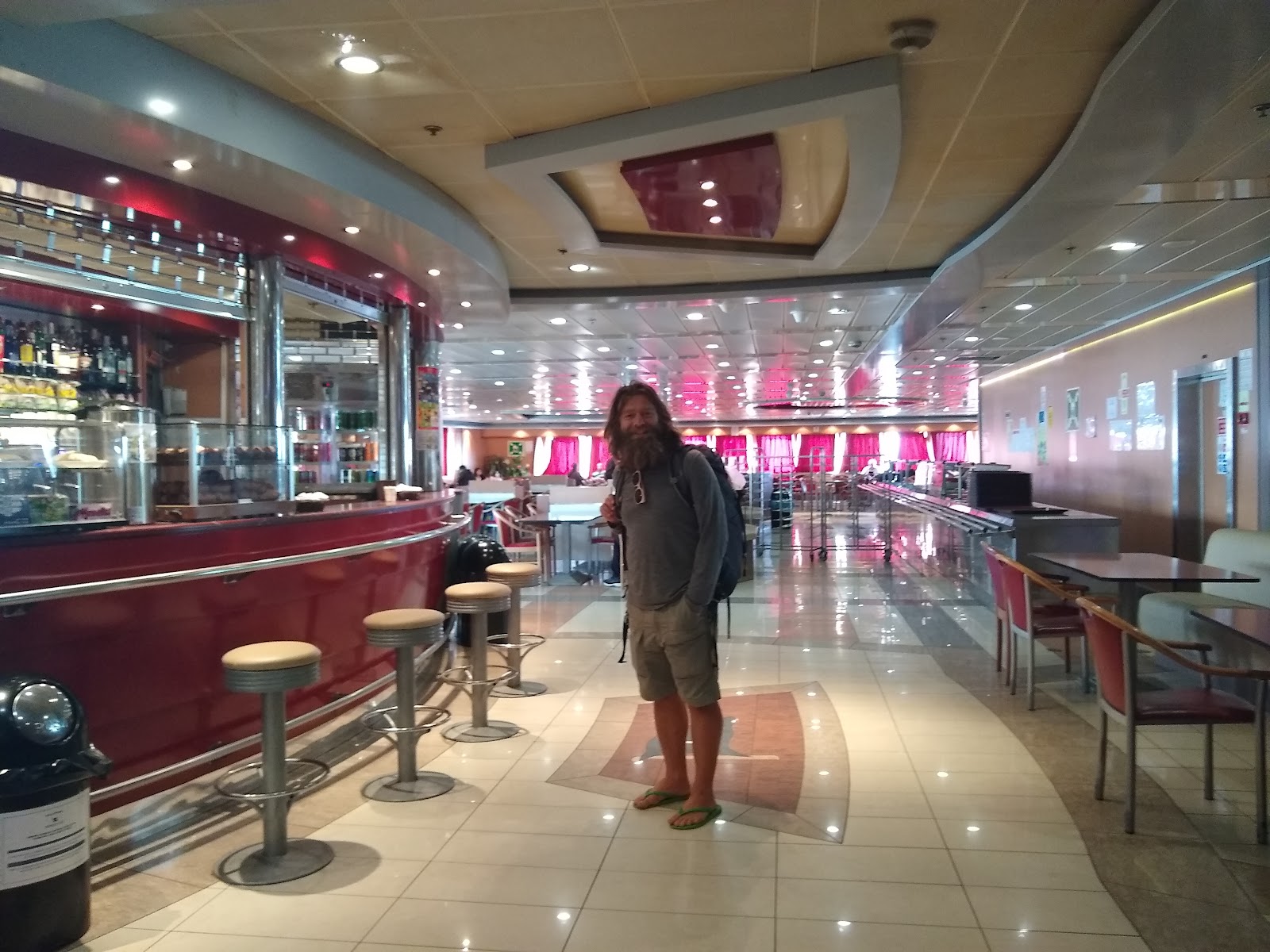
The ship looked a lot like the NZ inter-island ferries with the exception that it was bigger and that most of the passenger space took the form of cabins.  Us cheapos had booked simple "deck passage," which effectively meant that we spent the eleven hour overnight journey sitting (layer laying, there was plenty of room) in the restaurant area.  We watched a couple episodes of the silly but fun BBC TV show Come Dine With me before falling asleep on the very comfy padded bench seats.

We woke up at sunrise with land in sight, only an hour or so before docking in Sicily, returning to Europe after our second wonderful visit to North Africa in a short couple of months.

Wednesday, 19 June 2019

Not Just a Small Town in Guyana

On leaving Djerba we tried to start our journey back north in earnest.  With some difficulty. We'd seen that there was a louage station near the mainland ferry docks, but as it turned out only two local louages stopped there.  One heading west to a small town at the end of the road in the desert and one heading southwest to Medenine. As we were trying to go due north to Gabes, neither of these was very helpful.  Especially since the one to Medenine, where we could at least get a connection to Gabes, was in no hurry to fill up, with one other passenger appearing off of three ferries.

There was lots of traffic headed up the Gabes road, and maybe ten minutes after we'd decided to try hitchhiking, a bus bound for our destination pulled up.

As we'd learned while in Matmata, all roads in this region lead to Gabes.  We returned to change vehicles for the third time on our trip and got a louage headed to Sousse without much trouble.  It was taking a while to fill the final seat, so one of the other passengers arranged a collection of two Dinars a head to buy it and get us on the road.

We took the divided motorway for (I think) the first time in Tunisia.  As we zipped along, it was a bit unnerving to see the very large number of places where vehicles had mangled, crumpled or otherwise damaged the guardrails alongside the road.

We weren't actually heading to Sousse itself, but to the town of El Jem, about three quarters of the way there.  The driver was kind enough and the other passengers were patient enough to detour off the motorway to drop us right near the centre of town.

We'd figured we'd pop into El Jem on our way to Mahdia because, A. it's kind of on the way and B. There's really one significant attraction to visit there, and we'd figured we'd pop it off the list while in transit.

Said attraction is the old Roman amphitheatre.  It's incredibly well preserved. Not only is the main structure almost entirely intact, many details and decorative flourishes are in great shape too.

Visiting in the late afternoon seemed like a great idea.  The towns very enthusiastic/predatory (depending on how look you look at it) souvenir salesmen and restaurant touts had closed up shop for the day and we enjoyed our visit with beautiful light and relative peace.


It's actually slightly misleading to say the restaurant touts had closed up shop.  In fact they'd not even started at all that day. See, I haven't mentioned it up til now because in Djerba we spent t pretty much all of our time at home in bed with our own fridge and kitchen, but the day we arrived in Djerba was the first day of Ramadan.

This turned out to be a bit of a problem when we went to leave El Jem for Mahdia.  Normally it would have been no problem to get a louage to Mahdia, the nearest small city to El Jem.  But we were trying to make a thirty minute journey with about thirty five minutes to go until Iftar, the time at which observant Muslims can break their Ramadan fast for the day.  I'd been aware of this as a potential issue when planning for the day, but hadn't understood the full extent of it. All anyone was interested in was doing last minute meal shopping and getting home to their families for the first meal in about fourteen hours.  There were no louages. No buses. Trains were still running, but there wasn't another one departing that stopped in Mahdia until after midnight.

We stood out on the street wondering how we would get to our prebooked accommodation in Mahdia.  We struck up a conversation with a newsstand owner who said he could arrange for a friend to take us to Mahdia in his car for 50 Dinars (NZD25).  At first this seemed a little expensive, but we had little other choice and looking back on it, it was a good deal in an absolute sense for a 40km taxi ride and even relative to the usual cost of taxis in Tunisia it was only a very small premium over what you'd normally pay for an 80km trip (which, from the driver's perspective, it was, as he had to go there and back).  By the time we arrived in Mahdia (driving very fast, with one stop for petrol and one more with the police made not because of any legal issues but to say hi and shake hands and have a quick chat and a laugh), I'd very much warmed to our driver (despite the fact that he spoke about as much French as we did Arabic) and his incredibly battered old Mercedes Benz, and was happy that I was (hopefully, and possibly mentally making a virtue of necessity) making an unexpected contribution to his celebrations with the family that we'd made him a bit late for.

In Mahdia our new friend drove us into the centre of town, sold us a bottle of incredibly flavoursome, sweet and bitter homemade citronade out of the boot of the car, and then tore off in the opposite direction.


We were met by our Airbnb host's mom and led inside the apartment we'd rented.  It was absolutely gorgeous and an incredibly good deal and by the time we went to bed that night we were already three quarters of the way to extending our stay from two to five nights and just basing ourselves in Mahdia until we headed north to Tunis to prepare for our departure.

This turned out to be a great decision.  Mahdia is just lovely. The old medina where we were staying is stuck right out on the end of a narrow peninsula.  And it's charming! It's got a few pretty mosques, a few pretty little squares, and a few souvenir stores near the squares and entrances.  And other than that, it's mostly just a pleasant traditional neighbourhood.


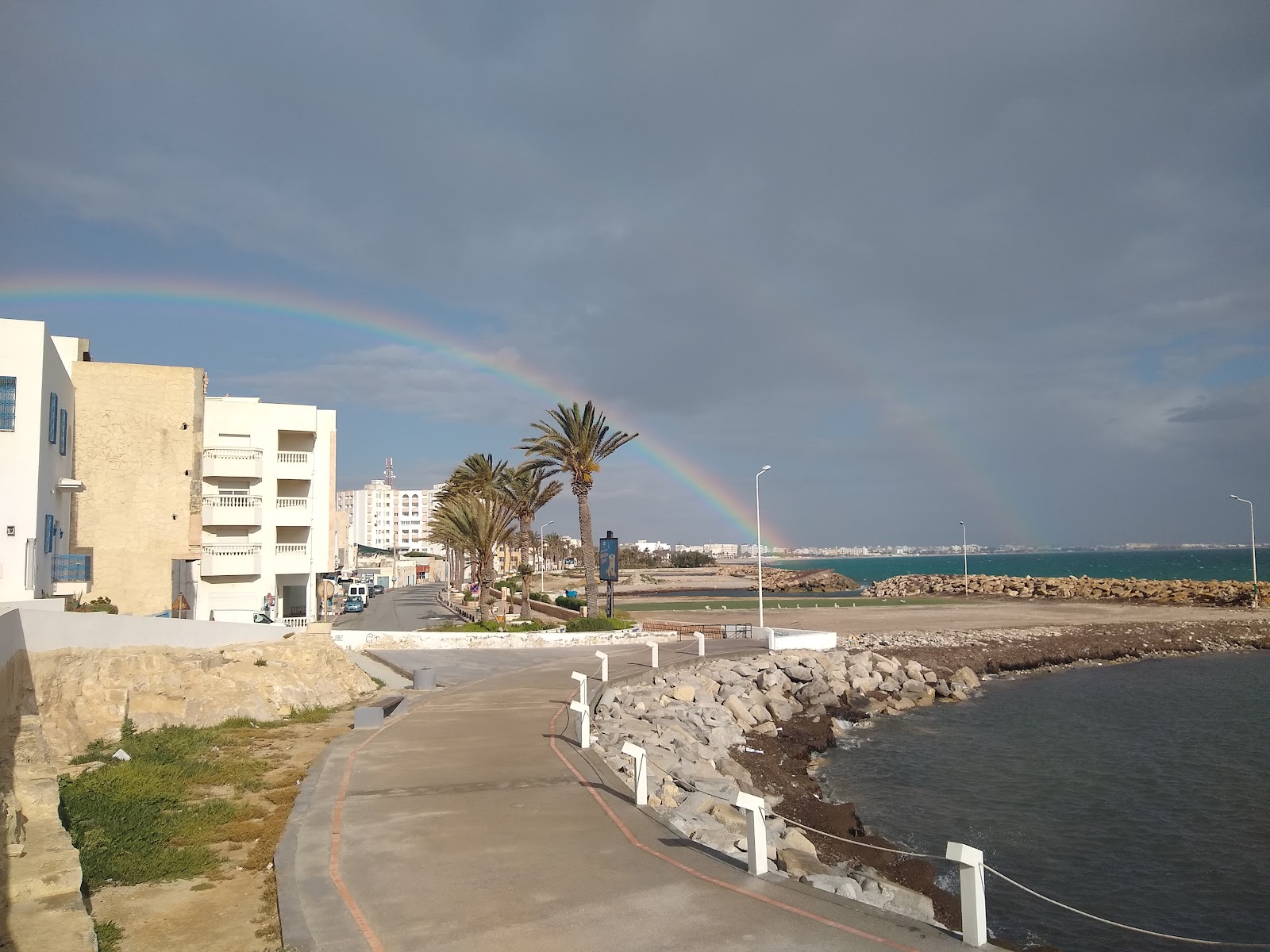
It's a bit curious that the main tourist area of Mahdia is along it's beach which, I'm sad to say is kind of mediocre.  It's fairly narrow and has lots of washed up seaweed (though not rubbish). And the hotels backing it all look like their best days are behind them (even the relatively new ones).  Worse, the neighbourhoods behind the beach are much less pleasant and interesting than the old town where we were staying.

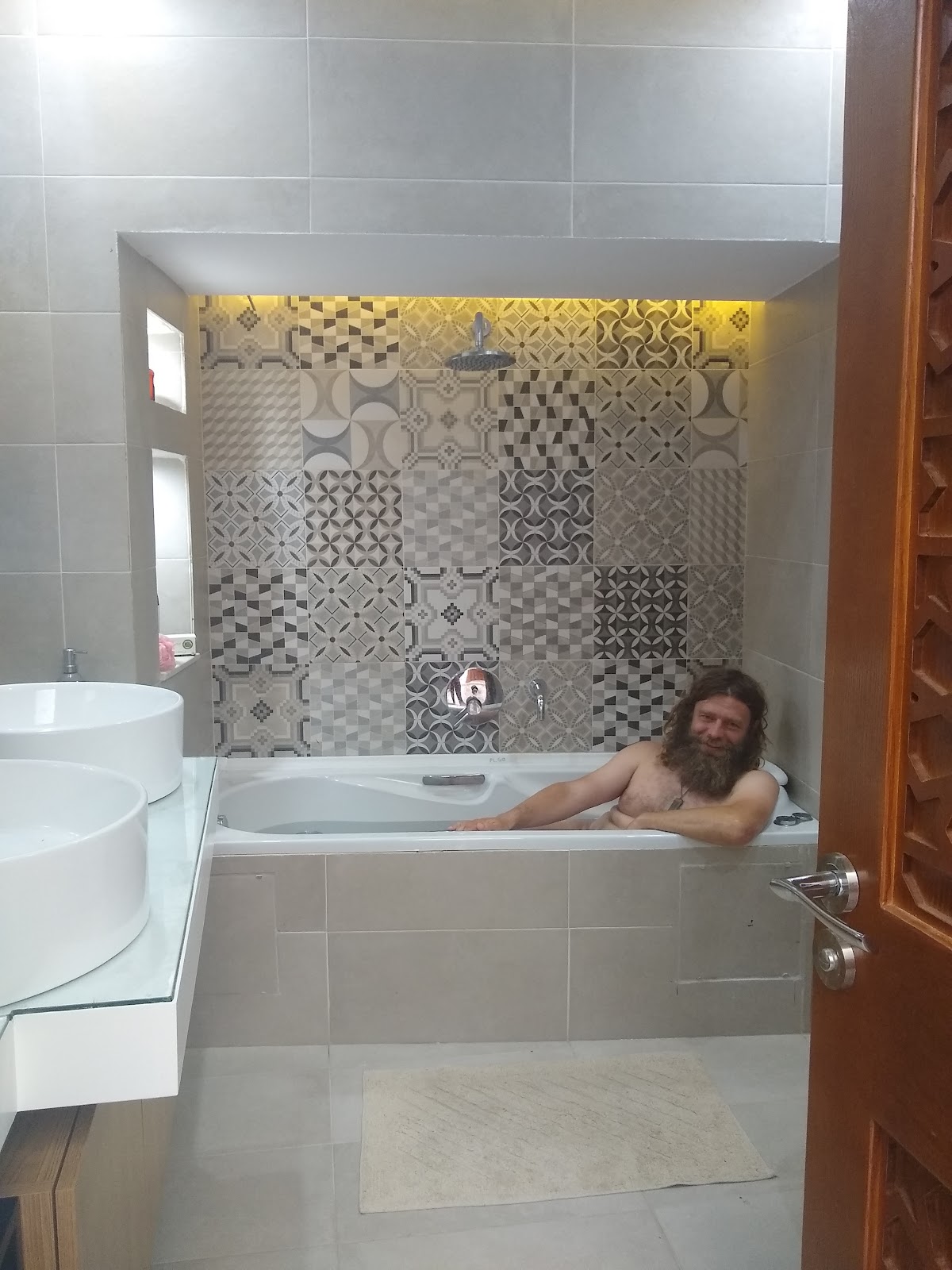
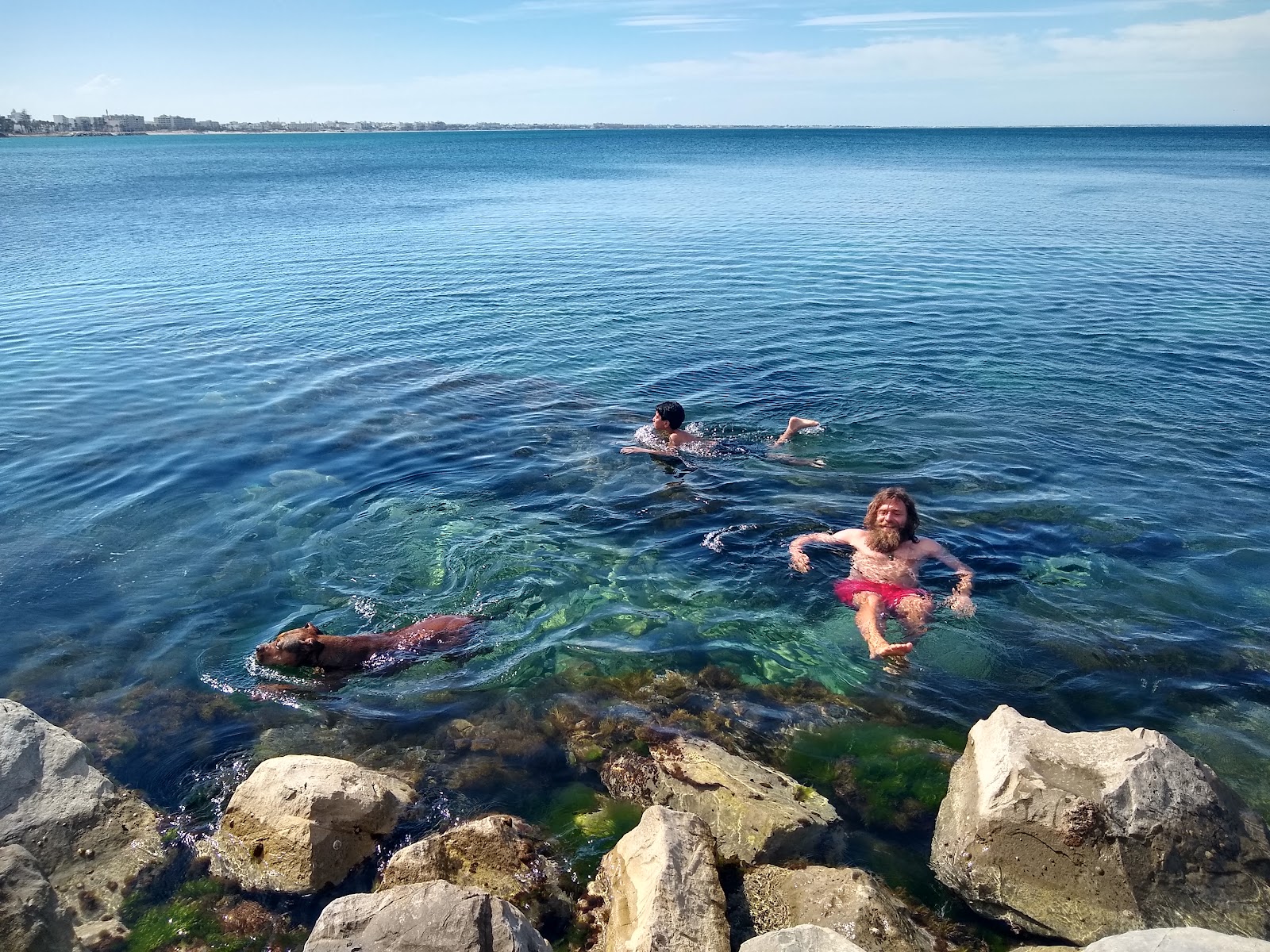
The apartment we had, as previously mentioned, was amazing.  An old Tunisian family home whose ground floor had recently been renovated into a dazzling apartment, complete with a full kitchen (for meals during daylight hours), a bathtub that I used more than once a day, and a lovely lounge with a huge TV on which we watched cooking shows from all over the arab world on the Satellite TV.  Forty three seconds walk away was a bit of rocky shore that was a fabulous swimming spot (far superior to the sandy beach). Unlike the Cook Strait (or, indeed, the Atlantic in southern Spain), the Mediterranean is great for swimming in the springtime. We seemed to be the only non Tubisian people there. Except for the big friendly Tunisian dog that jumped in to swim along with us.


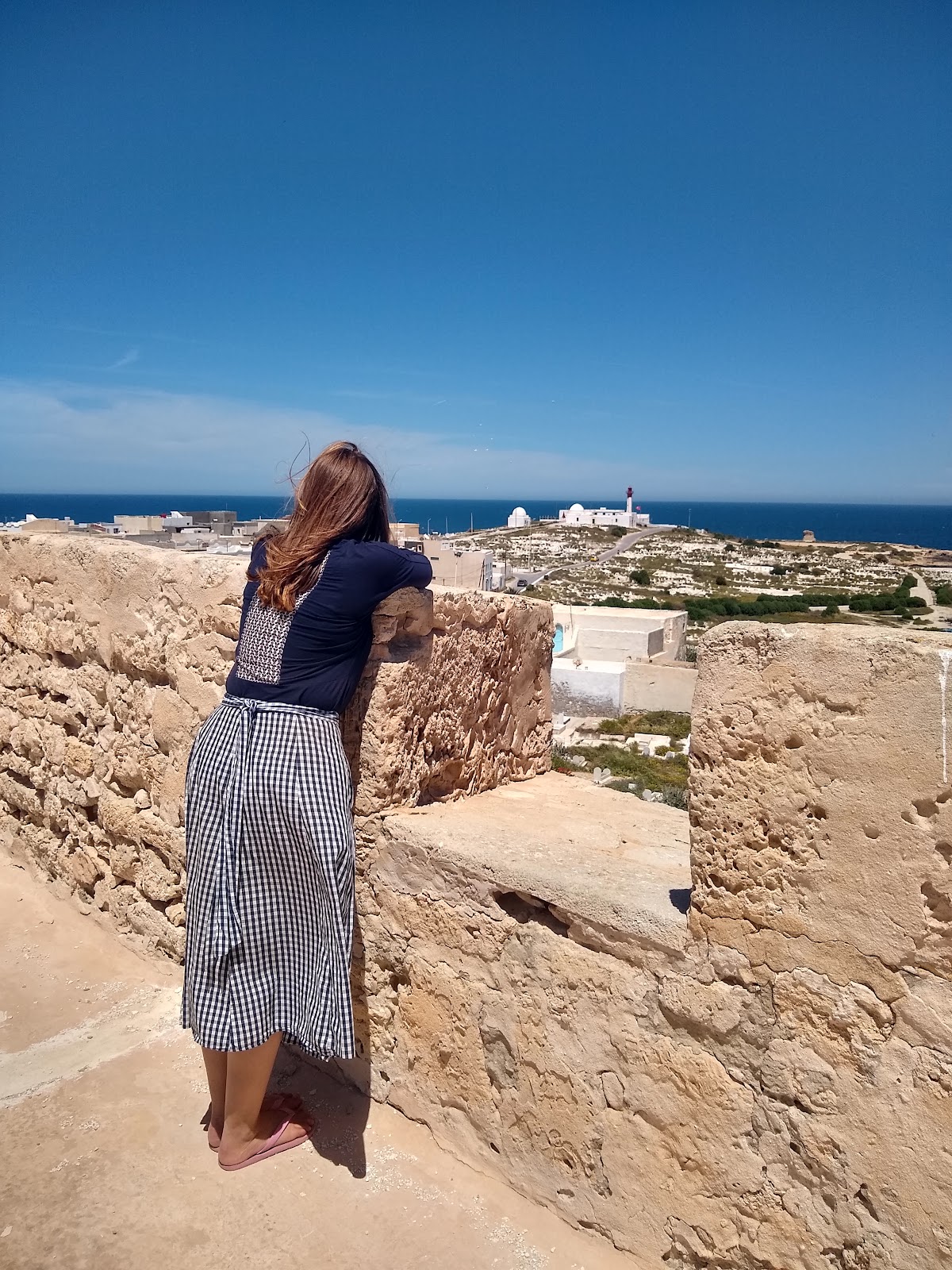
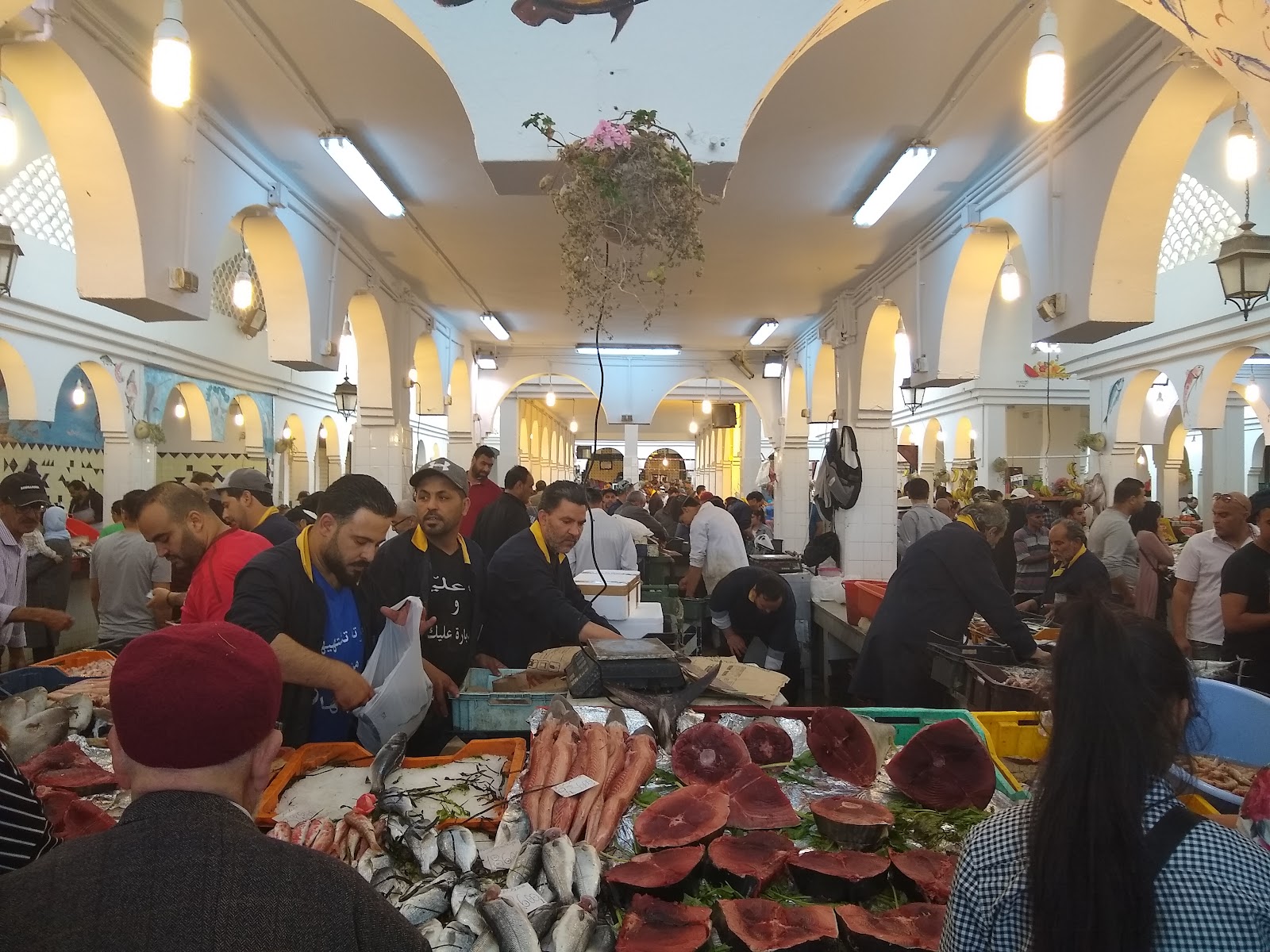
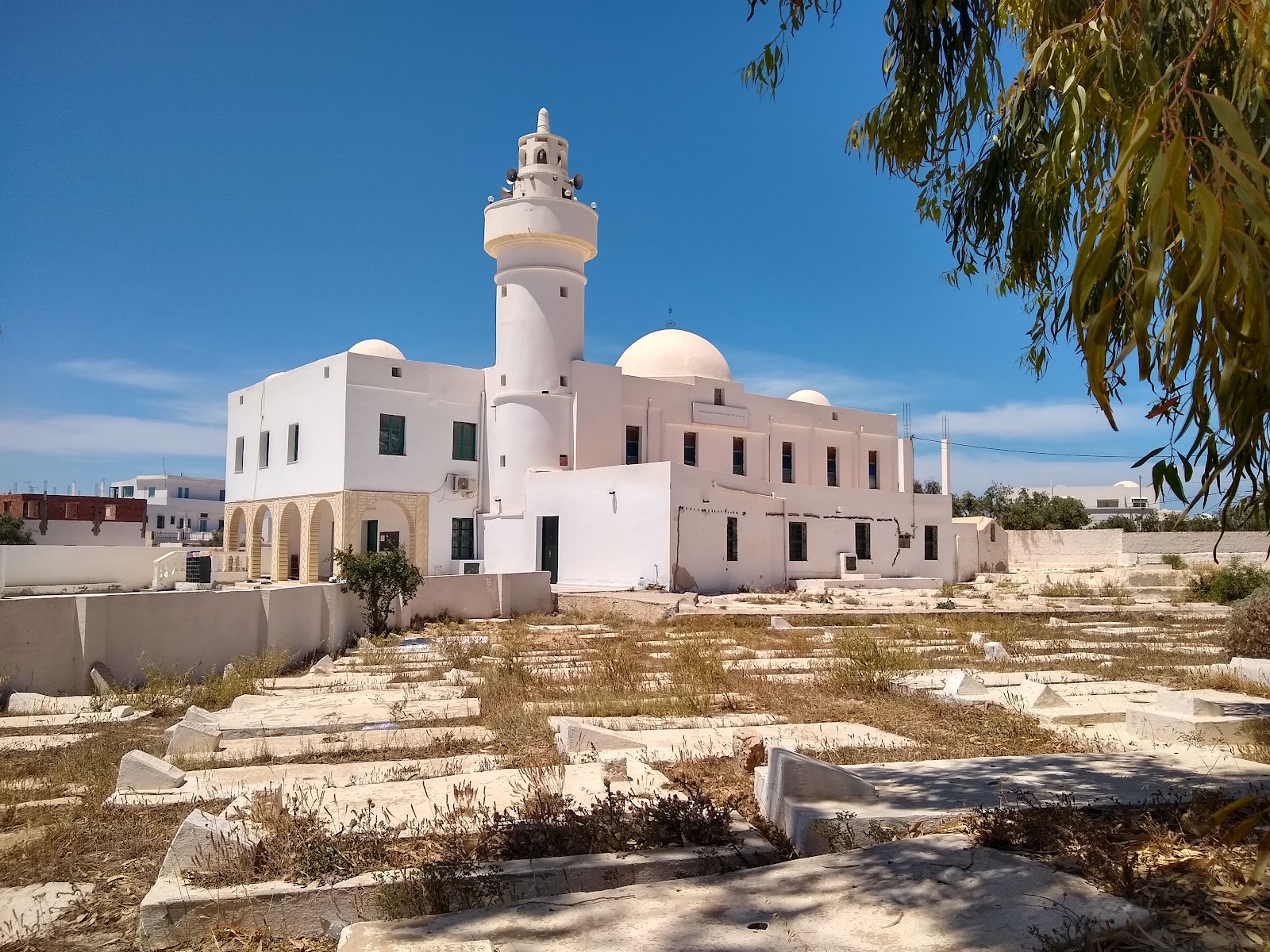
Mahdia had a few genuine tourist attractions.  The main market was fun and (unsurprisingly) did a brisk trade in fabulous looking fish and seafood.  Right out near the end of the peninsula was the beautifully sited old cemetery, and just before that a very well preserved fort from the days when the Ottomans and Austro-Hungarians fought over control of this part of the world.


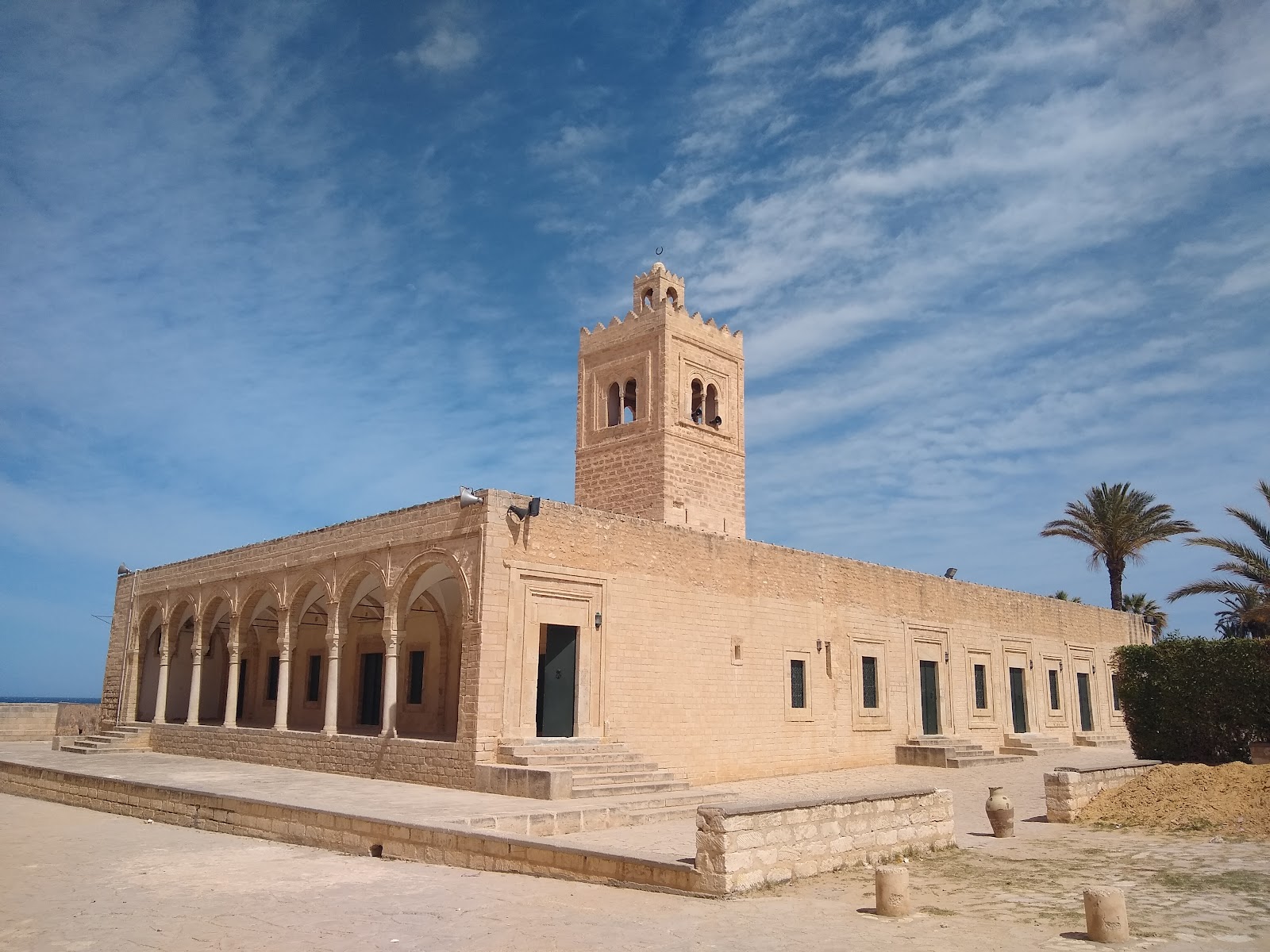
Heading still further back in it's history, Mahdia was the capital of the Fatimid Caliphate in the 11th century, which effectively means it was the capital of all North Africa.  Relatively little remains of this era, save for a mosque rebuilt on the plans of it's eight hundred year old ancestor and the main gate of the massive, twenty or so metre thick city walls.  Each evening around seven a crowd would gather in the roundabout just outside this gate and wait for the launch of a single loud firework from it's top that would signal the end of the day's fast.  After which everyone would scatter and the streets would empty as everyone rushed home to break the fast with their families. So keen was everyone to spend Iftar with their families that there were no restaurant proprietors about to open their establishments, nor customers to open them for.


Meanwhile, at the other end of the day, no cafe or restaurant could be bothered opening at 03:45 or 04:00 or whatever it was for the final meal of the night.  Ramadan in Tunisia seemed to be rather more inconvenient for visitors (except, presumably, those in all-inclusive resorts) than any other country where we'd spent it before.

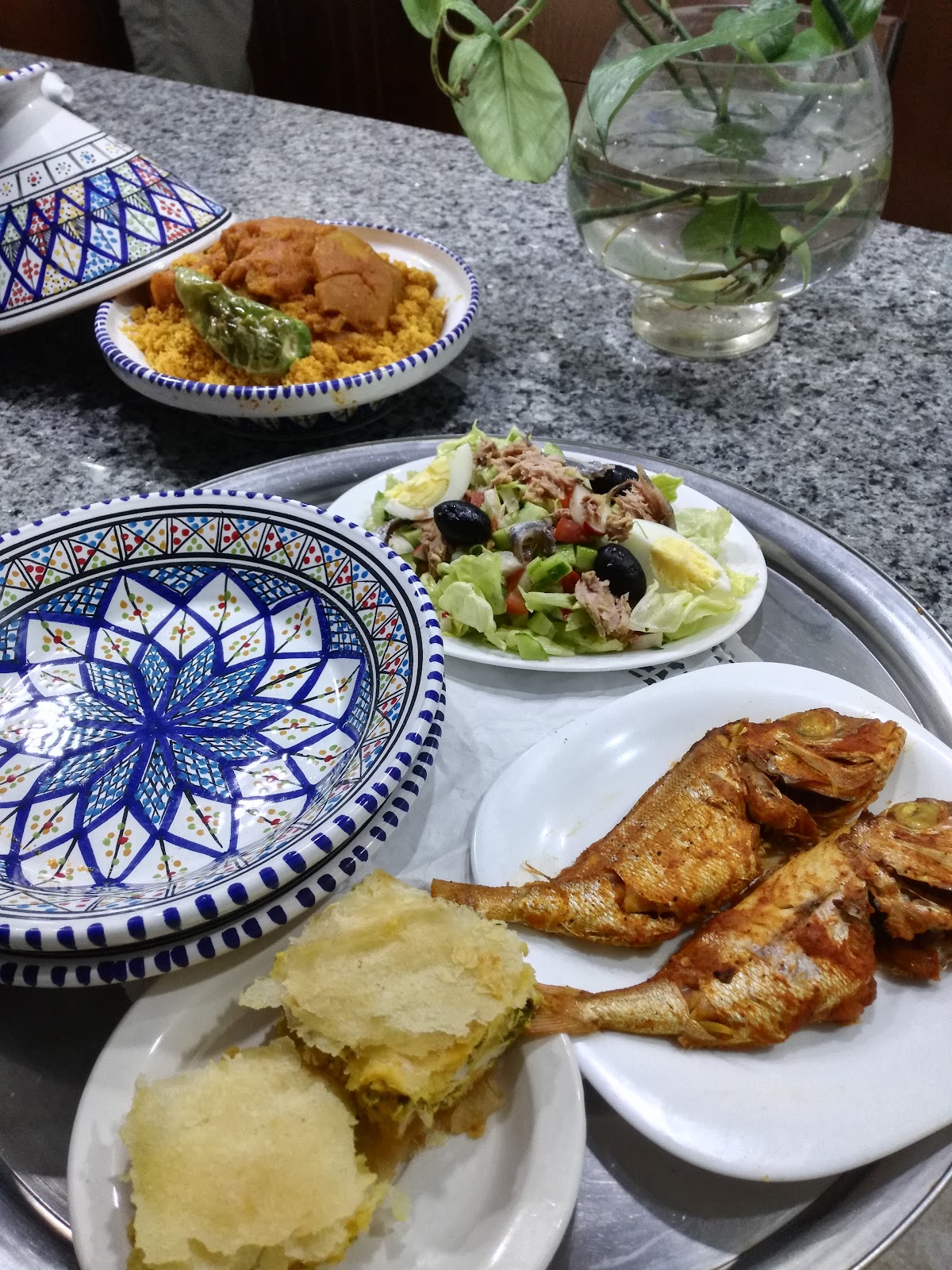
So it's fortunate that we had a kitchen of our own.  And on one memorable evening, a chef as well, as our host came downstairs and offered us some of their wonderful evening feast, which included grilled fish, soup, Tunisian salad and moist, flavoursome veggie couscous.  Definitely one of the best and most memorable meals we had in Tunisia!


While we did spend most of our time in Mahdia itself, on one day we headed north to check out the much larger and more heavily touristed cities of Sousse and Monastir.  We took the train (running on a special Ramadan timetable) north to Sousse. It ran up along the coast past an almost uninterrupted string of low density housing, beaches, salt pans and lagoons full of hundreds and hundreds of white (except right under their wings) flamingos!

Sousse's famous Medina was pretty cool.  As pretty as any anywhere, but less chaotic and tidier than most.  Only right near the main gate and fortress did it turn into a veritable tourist zoo, with rubber tired trains taking people on sightseeing tours, hordes of souvenir sellers and ridiculous animatronic dinosaur exhibits and "5D" cinema ride things that would be at home on Clifton Street in Niagara Falls.

We felt quite content to have a couple of hours to walk around in Sousse before turning around and heading back south.


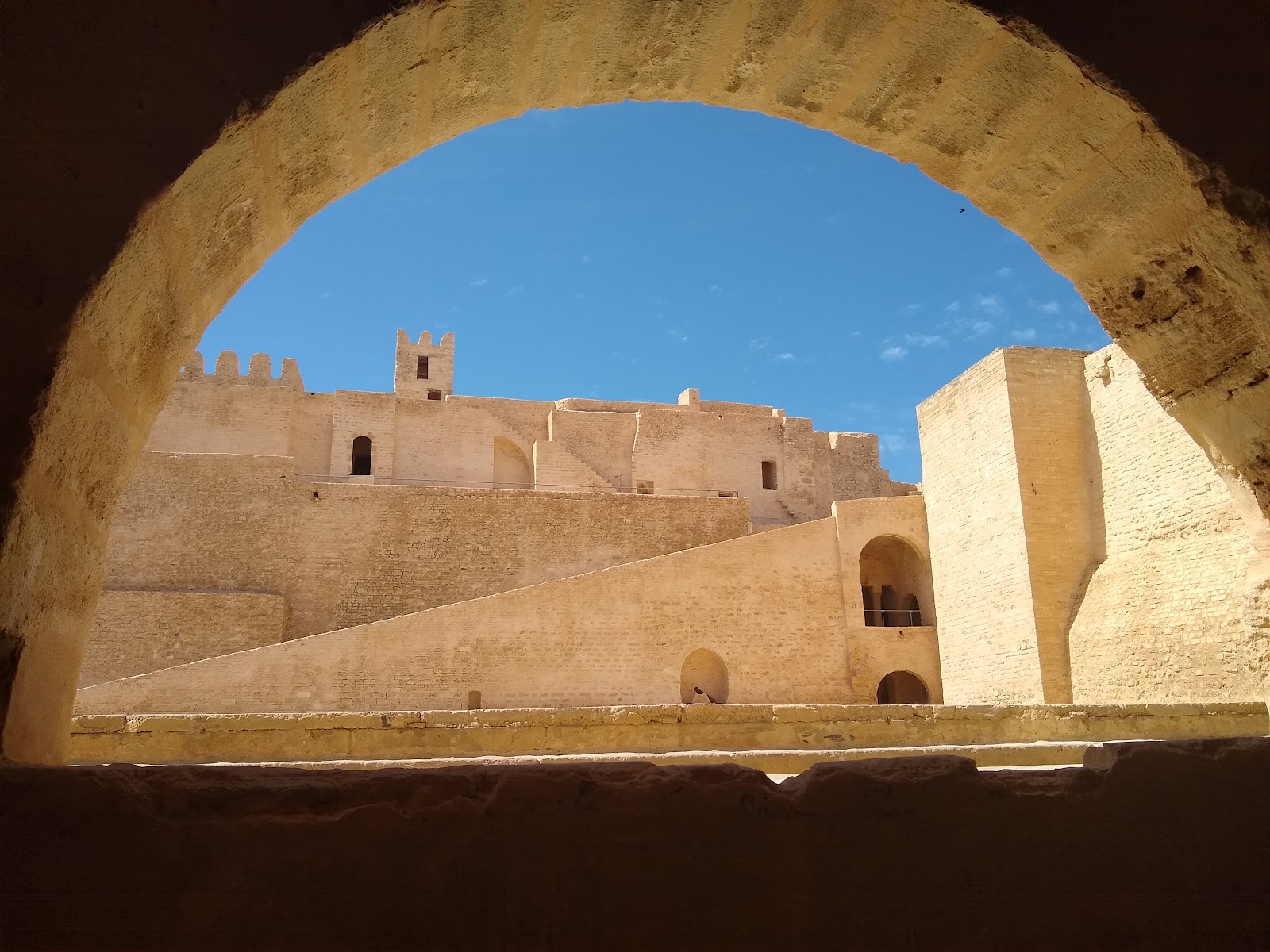
Monastir, where we made a second stop on our way home, was both better and worse than Sousse.  The ancient Ribat (fortress) was big, well preserved and had myriad battlements, courtyards, passages and towers almost entirely open to exploration.

The salespeople in the most accessible bits of the medina were so pushy/desperate that they managed to annoy even (generally very patient me).  We had a conversation with one guy who asked, almost plaintively why so many tourists were disinterested or actively rude to the sellers (even those sellers who didn't grab them by the arm and physically drag them into the shop).  I explained that while it might only take five minutes to go into a shop and look, if we did this at every one we'd been invited into we would've spent approximately twelve full hours of our holiday in shops that all sold largely the same collection of items.  I did really feel for this guy, as he seemed pretty nice and friendly, and was just doing his best to make ends meet in a market where customers had thinned significantly after two significant terrorist attacks against tourists in 2015.


It was a bit of a shock to get the Tunisian mass tourism experience at these beach towns that receive millions of visitors a year after weeks in the (tourism) hinterlands further inland.  Having seen all this made us happier still to be spending our time in more chilled out Mahdia.

But all good things must come to an end.  After four days and five nights we bid Mahdia farewell and caught our final louage back north to Tunis.


Saturday, 15 June 2019

A Galaxy Far, Far Away

As we stood around wondering how we'd traverse the remaining 20km between new and old Matmata, a car pulled up and a Tunisian man asked us if we were going to Matmata and if we'd like a ride.  We'll that was easy!

As we headed south from the mountains of northwestern Tunisia the land had changed from rolling green springtime grain fields and pasture to semi-arid land filled with sheep, goats and lots and lots of olive trees.

In a few short kilometres after leaving new Matmata, this changed again into true desert with nothing but rugged, gold and pinkish rocky landscapes in every direction.  These landscapes would be familiar to many people of about my age. And, rather surprisingly, the hotel in the centre of old Matmata that we pulled up to would be more familiar still.

That's because the hotel was the Hotel Sidi Driss, which was used to play the inside of the Lars Homestead, living place of Uncle Owen, Aunt Beru and Luke Skywalker in the first of the Star Wars movies.

The Sidi Driss is a tourist attraction in Tunisia, but really not a major one.  A few tour buses pop by every day to have lunch or to pay one Dinar a head to look around the hotel.  For those of us who are fans of the Star Wars films, one Dinar seems like a pittance to pay for admission to one of the highest points of pilgrimage.  Sarah and I had decided to spend the night. A lot of tourist guides say that the hotel rooms are not particularly pleasant, but we found our room, carved into the walls of one of several hand excavated ancient “craters” that were (and in some cases still are) used as homes by the troglodytic inhabitants of Matmata.

We spent the afternoon looking around and taking photos all around the hotel.  After filiming of A New Hope concluded in 1977, the props and set decorations were taken down, but when Attack of the Clones needed to use the same location it was rebuilt from scratch and has been left in place ever since.  It was cool to look at the set pieces up close and see how they were buoltbofany everyday items stuck together and painted (e.g. cups, drop in concrete anchors, nails with plastic washers, etc.)


Curiously (or actually maybe not) our photos remind me more of the movies than actually being there did, but I still had a grand time, grinning widely for much of our time there.

The hotel room itself was cozy and interesting, and the separate bathrooms were reasonably clean, with lots of hot water, which is better than we'd been led to believe.  I reckon most of the negative reviews of the place as a hotel come from people who have been staying at four and five star beach resorts rather than others like us who have been staying at simple Airbnbs and zero star local hotels.

As we settled into our cave for the evening the wind came up again and the sky darkened and yellowed with dust.  The sunset wasn't visible from our room, but we did get the drama of a thunderstorm (but with very limited rain) to lullaby us to sleep.


We'd made inquiries about onward travel from Matmata, including with some local tour guides.  But in the end the hotel staff's advice of “it's really too expensive to be worth it, just go back to Gabes and get a bus or Louage from there,” ruled the day.  We had a little walk around town, visiting a scenic overlook and the main square. But when a louage appeared, our transport difficulties of the previous day convinced us to cut our explorations and get aboard for the journey to New Matmata and thence back to Gabes.  We met a couple of the same people hanging out around the louage station (they seemed surprised and pleased to see us) and bought tickets for a ride south to the town of Medenine.

Medenine was right on the way to our final destination, and (though I'm not a big fan of the Star Wars prequels) an old granary structure (a “Ksar”) was used as a filming location for The Phantom Menace.  And the ksar was right next to the bus/louage station.

As with Hotel Sidi Driss, it was a little surprising how little (i.e. absolutely none) fuss was made over the Ksar Medenine.  You just walked down a couple of market alleyways and there it was. Most of its individual doors were locked, but it seems to presently be used to store bulk second hand clothes and house lots of kitties.  It's a really cool looking structure, and would have been worth a visit even if it wasn't for the Star Wars connection. On the way back we bought some yummy fresh peaches at a market stall, with helpful translation from French to Arabic (or was it Berber?) by the guy at the next stall.


We thought we were being so clever stopping in Medenine.  Of course our stopover there wasn't nearly as simple as we'd imagined it being.  First we were dropped off on the northern outskirts of town instead of at the Louage/bus station.  We had to take a taxi into town (incidentally, taxi drivers in Tunisia were great. Rides were cheap, they were friendly and uniformly used the meters without us asking.  This may be because we only ever took taxis in very untouristy locales, but taxis in Tunisia get two thumbs up from me). Then the Louage station near the Ksar turned out not to be the one where our onward journey departed from.  Then we stopped for lunch (fried egg and chips with a plate of delicious dips, bread and a brik a l'oeuf [really yummy crispy, savoury Tunisian fried pastry filled with egg and potato]).
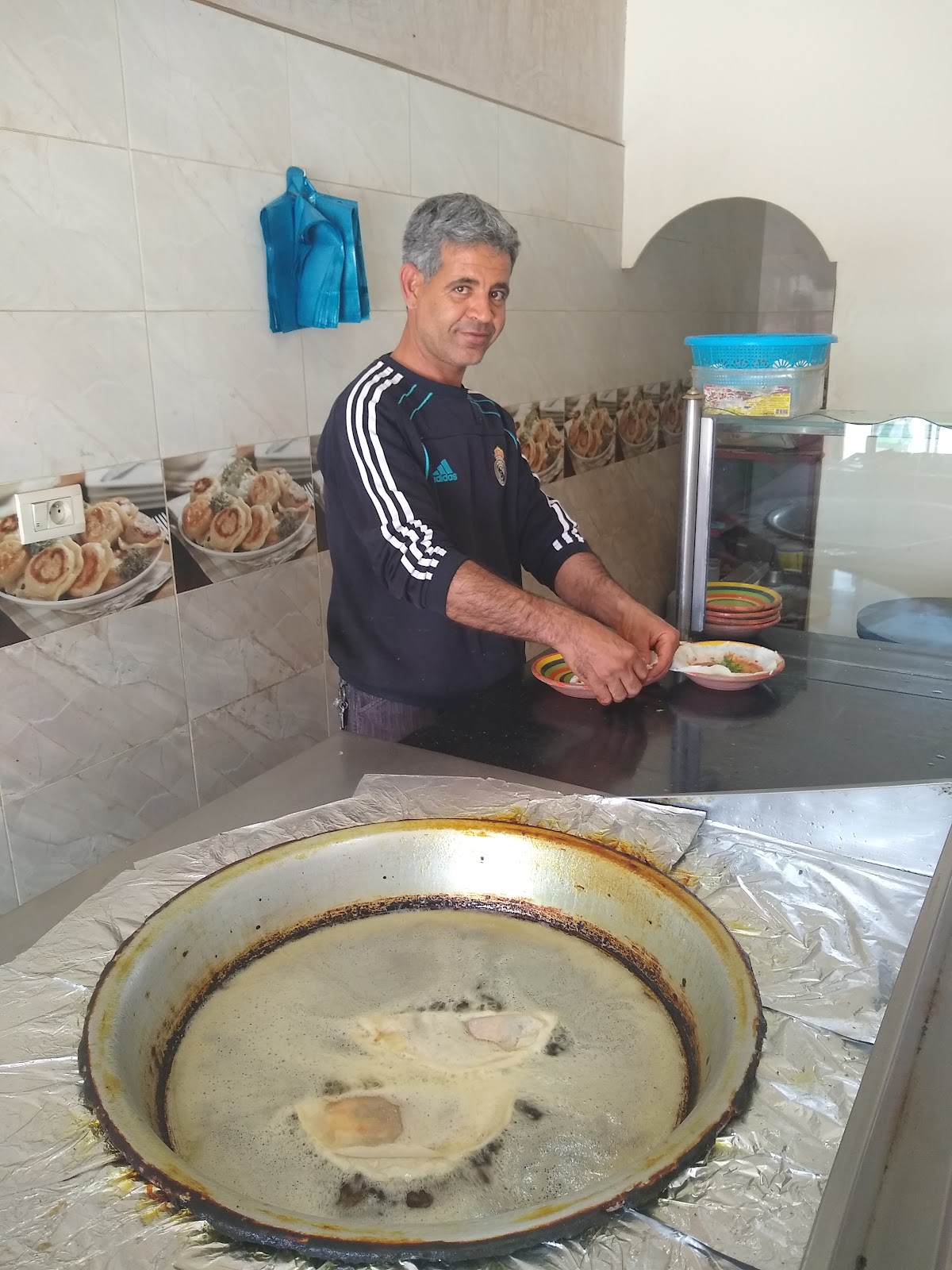

Then after lunch we went next door to the Loauge station and discovered that there was no one in the ticket office which, for some reason, meant that none of the louages were accepting passengers and everyone was just standing around waiting for something to happen.  After maybe half an hour of this we ended up getting a ride with two Tunisians in a private car whose driver had been soliciting passengers (and who was, apparently, not upset by the absence of a ticket seller and was just happy to accept [just over double the usual cost in] cash).

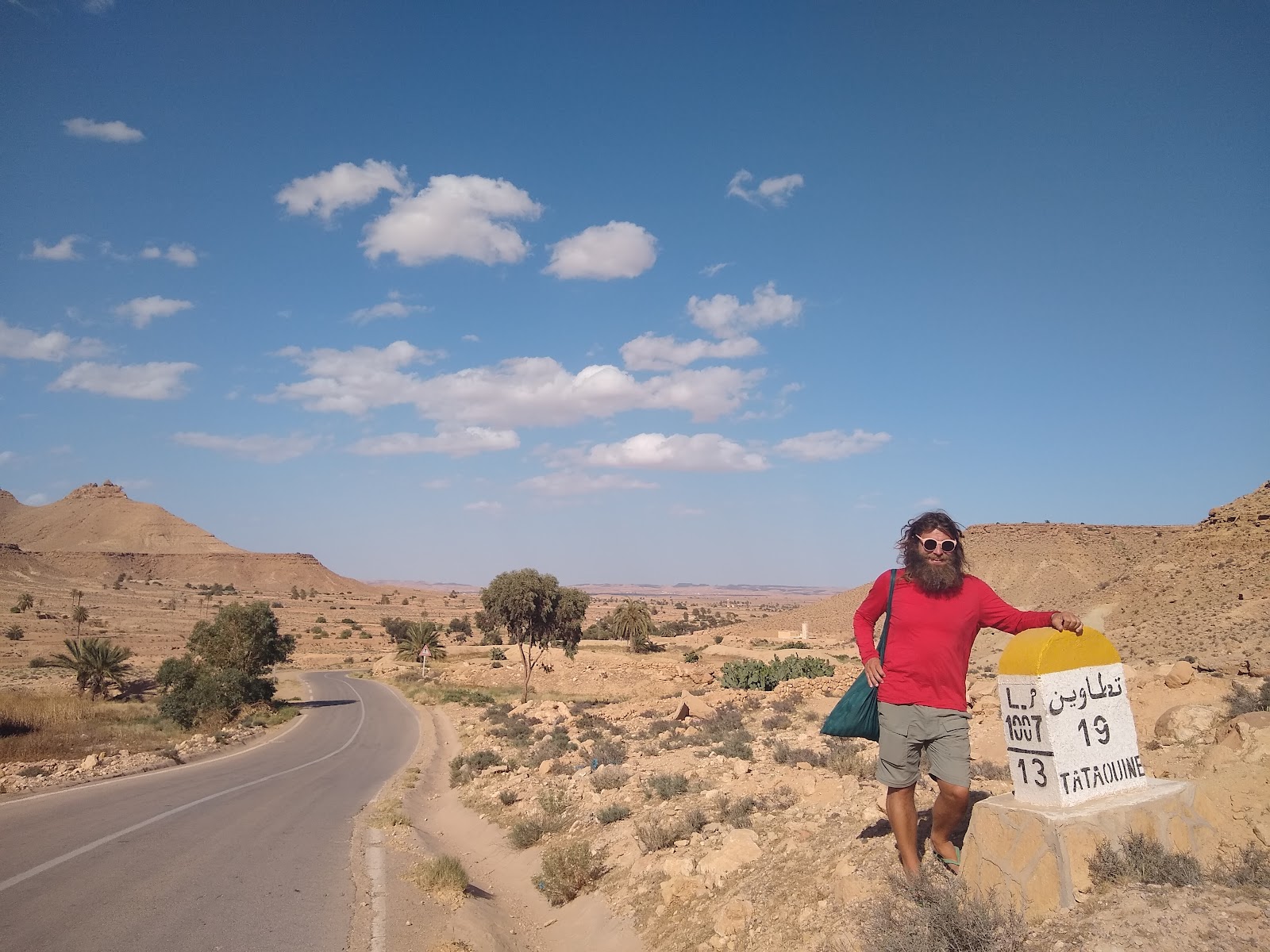
I've been skirting around the name of our days final destination because I wanted to save it for a big reveal.  From one Star Wars location via a second to a third: the town of Tataouine! Right on the edge of the Sahara, though it gave it's name to Luke's home planet, its environs weren't actually used as a filming location until the prequels.  But what environs they are! We only visited a tiny fraction of the desert landscapes and ancient villages that surround Tataouine, but when we departed after a day and a half there we felt sure we could have happily spent at least twice as long.

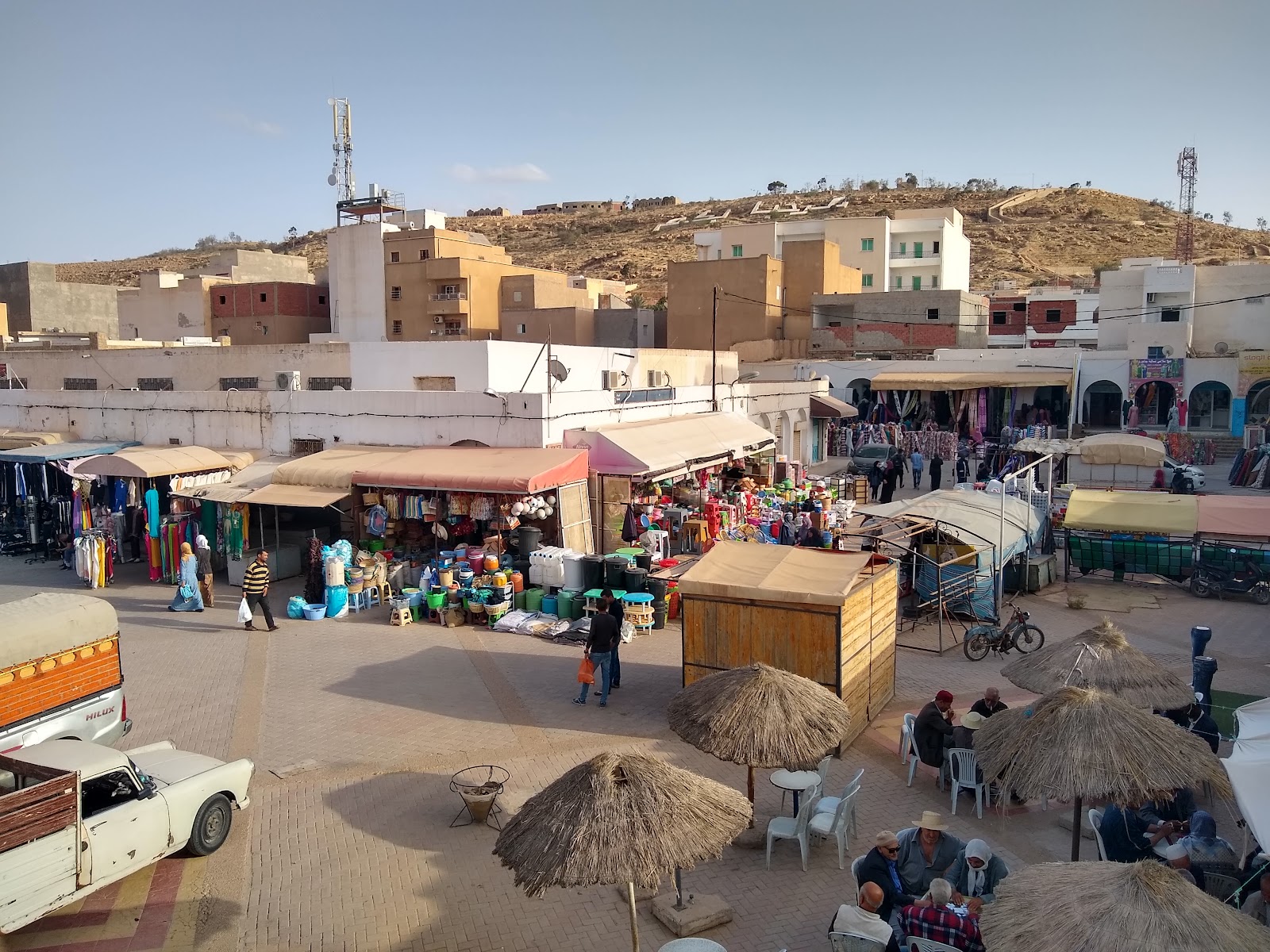
Tataouine itself is on the edge of, or really, just inside the Sahara.  It's a pretty rugged looking town with a frontier-y feel to it. The main market has a lot of basic goods sales and an artisans section, and there are a few hotels, but it doesn't see tons of tourists, and even fewer independent ones.  This was illustrated one night when we were having a Libanes (one of several Tunisian names that seem to very by city for a wrapped sandwich, others being Melawi and Malfouf). The shop proprietor asked what hotel we were saying at, and seeming a but surprised that we were at the youth hostel.  “You're not here with a group? With a bus?” he asked. No. “How did you get here?” he inquired further. When we told him we'd taken a louage he seemed startled, as though the idea of tourists travelling by Louage was an entirely foreign and unexpected idea.


The best of our visit wasn't actually in Tataouine, but in the villages outside.  We’d expected to have to hire a taxi for the day but the (tremendously friendly and helpful, and English speaking even) guy at the hotel told us we could visit them by Louage.  So we headed to the station, looking for a lift to Douriet. We eventually found other folks heading there and waited with them. By the time the Louage showed up there were at least ten of us waiting for eight seats.  And though we were there before several of the others we'd been told there was only a single Louage plying the route, so we figured that priority really ought to go to people going about their lives and trying to get home or visit family, so we let them all board and, after a bit more hesitation, hired a full minibus to drive us out there (for exactly the price of eight seats.  Louage drivers in Tunisia really are scrupulously honest and organized, as illustrated by the fact that this guy, like every other one we met, charged us the exact same as everyone else, and the fact that neither the first driver to Douriet, nor anyone else, ever tried to cram in even a single more passenger than there were seats).

The drive out to Douriet was pretty impressive on its own, dry and vast, and reminiscent of the area around Four Corners and Monument Valley in Arizona.  The landscape was filled with vast plains and huge mesas.

We zipped straight past new Douriet, saving us two or three kilometres’ walk (a side benefit to hiring the whole van) to the old village.

Old Douriet was truly spectacular.  A village of brick houses and carved cave dwellings and hybrid structures perched on the edge of the mesa, climbing up, up it's sides to the top of a towering peak.  There were signs of current activity (including literal signs for a couple of guesthouses and a restaurant). But there didn't seem to be a single other soul around when we were there, save for a few guys working on (what appeared to be) a new hotel on the floor of the valley below.  We were free to wander, peek, scramble and explore to our hearts’ content. It was really magical, and you couldn't tell whether most of the buildings had been abandoned thirty years before or three hundred. The structures themselves, combined with the surroundings reminded me a lot of the Anasazi cliff dwellings in the southwest US.
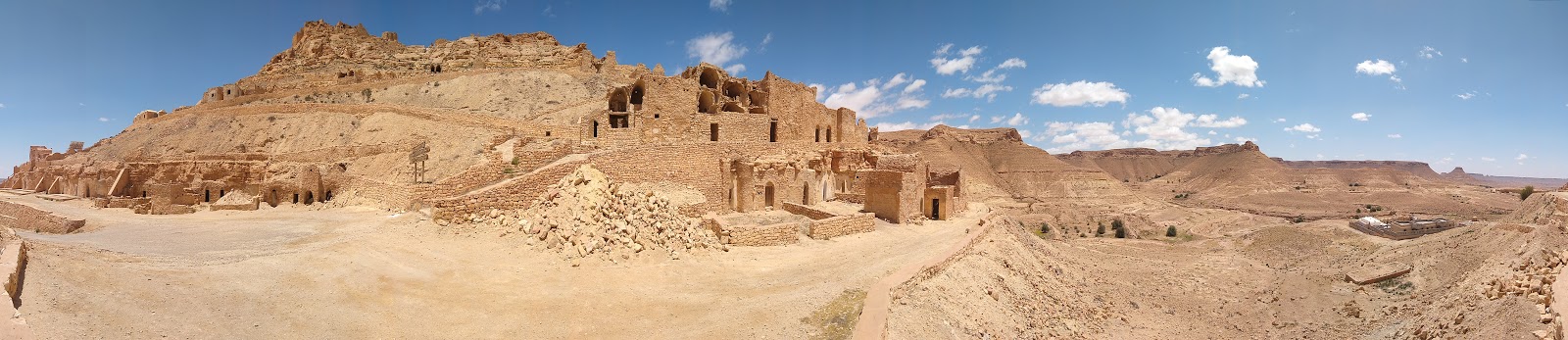
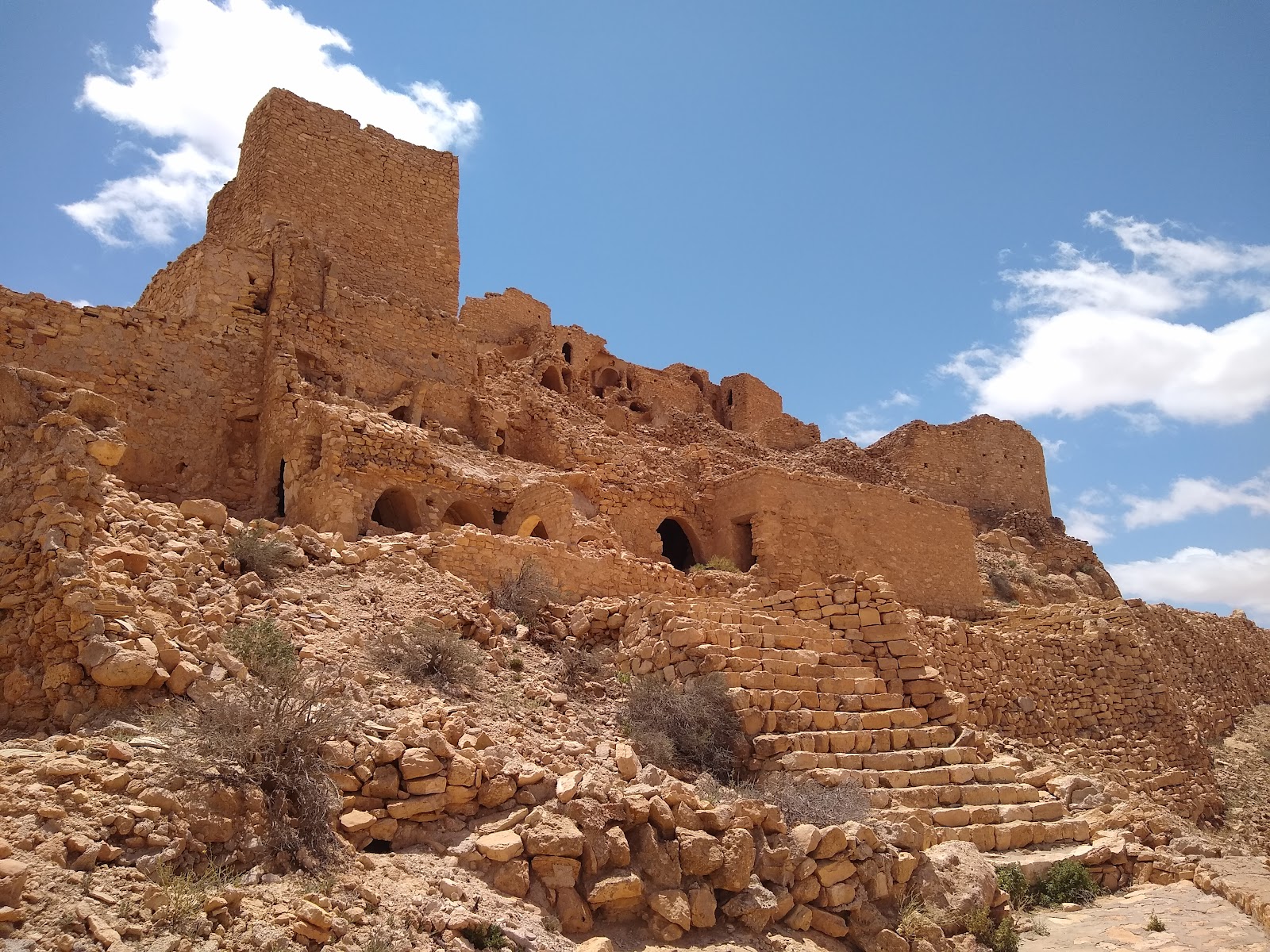


With our explore done we followed a trail through the valley to the right of the village leading up onto/into the mesa.  The canyon was pretty amazing, as were the small grain and palm farms growing on terraces behind small dams all the way up to the top of the mesa (and in any little gully anywhere on top of it as well).

The only person we saw in our ten kilometre walk up and across the mesa was a goat herd tending to his big flock who asked us (I'm assuming, as it was in Arabic) if we were going to Chenini.  He smiled and pointed on up the trail we were following. He seemed pleased when we said (in French) how beautiful the surroundings were.

Up on top of the mesa was a stark, wild place that seemed almost entirely removed from the rest of the world. Other than the faint trail we followed there were times where there wasn't a sign of human habitation as far as the eye couls see for 360 degrees.  It was still early April, and still not very hot, but we were nonetheless slightly relieved when we found the valley that our trail would follow down off the mesa.


We walked past the fabulously old and picturesque looking Mosque of the Seven Sleepers.  And back up the side of the Mlmesa to the village of Old Chenini. It's hilltop fortress was even more spectacular than the one in Douriet, and just as abandoned.  But down the hillside, some people still lived in Old Chenini. Some of them scrape out a living from visiting tourists (Tunisians in cars, foreigners mostly in tour buses).  We had cups of sweet black tea with rosemary sold by a Berber guy whos appearance was so fair it made us think that maybe Tunisians who'd asked if Sarah was Berber weren't entirely joking.  He'd priced the tea exactly right…. About five times what it would have cost at a cafe in town, and exactly the amount I'd said to myself was the most I'd be willing to pay without being grumpy about having done so.

While it was probably more impressive to look at than Douriet, the many more people around left it feeling that we couldn't really explore the ruined sections of the village at will like we had in Douriet, so we soon headed back down the road towards new Chenini.  On our way down a Loauge passed us heading the other direction. We made hand signals asking if he was heading to Tataouine. He made hand signals indicating that he would be after he headed up to Old Chenini and turned around, and maybe twenty minutes later we got our way ride back to town.


This day was a really great one.  Sarah and I have observed that we do get to see and do a lot of amazing stuff when we travel, and we know (at least intellectually) how lucky we are.  But once in a while, on days like this when you experience something really special and have it all to yourself without another soul around, and you have the sense that very, very few others get that experience… It really drives it home, and you really feel your good fortune as well as just knowing it.

Back in Tataouine we had one more night going out for dinner Sandwiches before taking our leave the next morning and heading north across desert and then a kilometres long causeway across the Mediterranean to the island of Djerba.

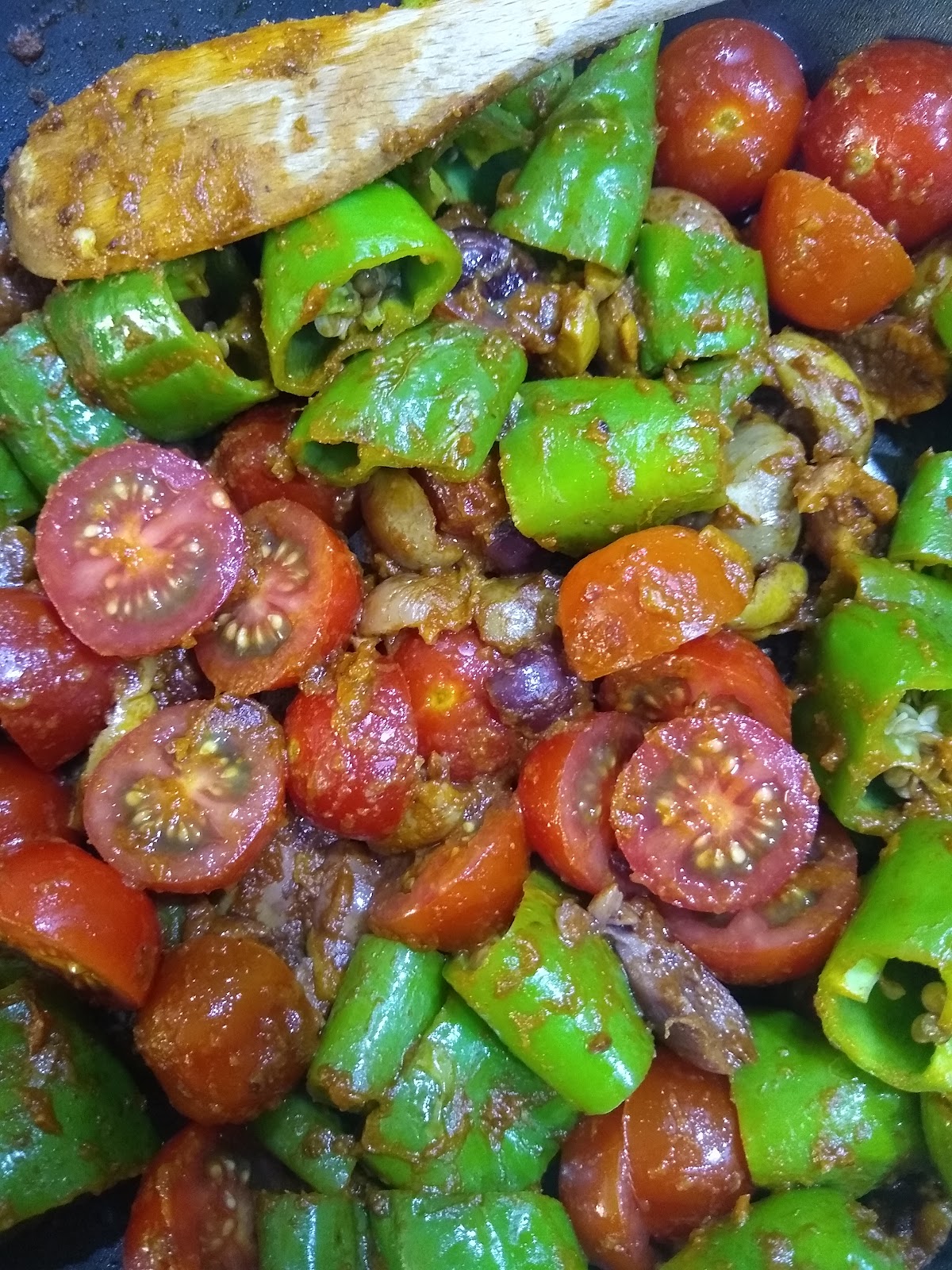
Djerba is meant to be one of the highlights of Tunisia by many people.  I'm afraid I can't really agree with that. Nor disagree. Unfortunately somewhere along the line I'd picked up a cold, and spent almost all of our two days in Djerba in bed. I did get up to do some cooking.

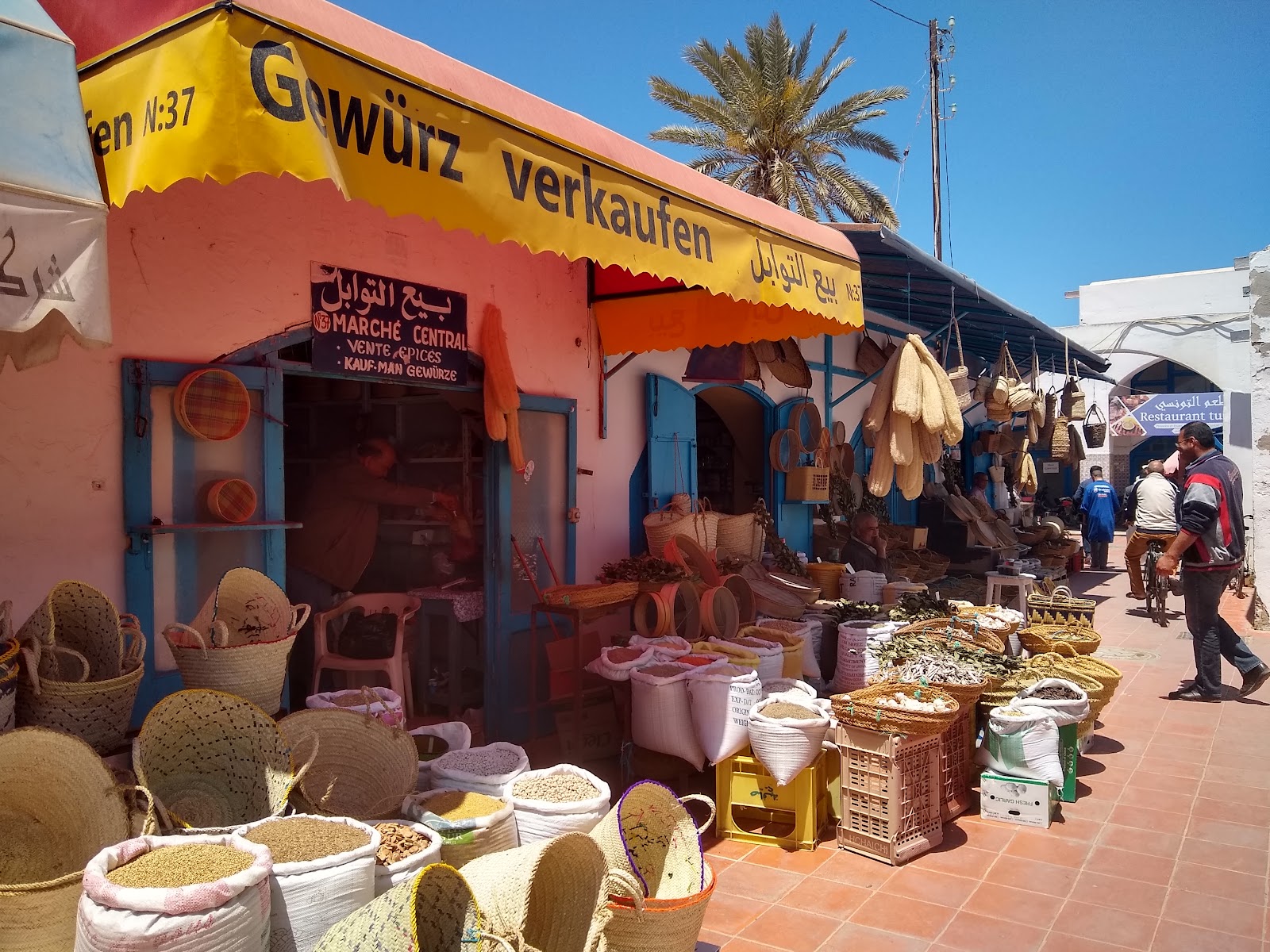
And on our last full day I joined Sarah for a walk around Homt Souk, the main town on the island.  It was made almost entirely of whitewashed buildings. And the souk itself was kind of pretty, but also filled with souvenir shops and tourist restaurants of a sort we hadn't really seen since the Tunis Medina.


So really my highlights of Djerba were limited to this short walk, the ferry ride off the island (boat trips are always fun).  And most importantly, a visit to a disused bakery in the town of Ajim where the ferry dock is located.

This bakery was a bit rundown, and had clearly seen better days.  It had a few mechanics shops, farm supplies vendors and a hair salon nearby.  All of this belies its coolness and importance, which arise from its use for the exterior shots of the Mos Eisely Cantina in a New Hope.  Never have I been more excited to see a wretched hive of scum and villany.


And with this nice Star Wars bookend, I'll conclude this entry for now and continue with our travels north next time.