On leaving Djerba we tried to start our journey back north in earnest. With some difficulty. We'd seen that there was a louage station near the mainland ferry docks, but as it turned out only two local louages stopped there. One heading west to a small town at the end of the road in the desert and one heading southwest to Medenine. As we were trying to go due north to Gabes, neither of these was very helpful. Especially since the one to Medenine, where we could at least get a connection to Gabes, was in no hurry to fill up, with one other passenger appearing off of three ferries.
There was lots of traffic headed up the Gabes road, and maybe ten minutes after we'd decided to try hitchhiking, a bus bound for our destination pulled up.
As we'd learned while in Matmata, all roads in this region lead to Gabes. We returned to change vehicles for the third time on our trip and got a louage headed to Sousse without much trouble. It was taking a while to fill the final seat, so one of the other passengers arranged a collection of two Dinars a head to buy it and get us on the road.
We took the divided motorway for (I think) the first time in Tunisia. As we zipped along, it was a bit unnerving to see the very large number of places where vehicles had mangled, crumpled or otherwise damaged the guardrails alongside the road.
We weren't actually heading to Sousse itself, but to the town of El Jem, about three quarters of the way there. The driver was kind enough and the other passengers were patient enough to detour off the motorway to drop us right near the centre of town.
We'd figured we'd pop into El Jem on our way to Mahdia because, A. it's kind of on the way and B. There's really one significant attraction to visit there, and we'd figured we'd pop it off the list while in transit.
Said attraction is the old Roman amphitheatre. It's incredibly well preserved. Not only is the main structure almost entirely intact, many details and decorative flourishes are in great shape too.
Visiting in the late afternoon seemed like a great idea. The towns very enthusiastic/predatory (depending on how look you look at it) souvenir salesmen and restaurant touts had closed up shop for the day and we enjoyed our visit with beautiful light and relative peace.


It's actually slightly misleading to say the restaurant touts had closed up shop. In fact they'd not even started at all that day. See, I haven't mentioned it up til now because in Djerba we spent t pretty much all of our time at home in bed with our own fridge and kitchen, but the day we arrived in Djerba was the first day of Ramadan.
This turned out to be a bit of a problem when we went to leave El Jem for Mahdia. Normally it would have been no problem to get a louage to Mahdia, the nearest small city to El Jem. But we were trying to make a thirty minute journey with about thirty five minutes to go until Iftar, the time at which observant Muslims can break their Ramadan fast for the day. I'd been aware of this as a potential issue when planning for the day, but hadn't understood the full extent of it. All anyone was interested in was doing last minute meal shopping and getting home to their families for the first meal in about fourteen hours. There were no louages. No buses. Trains were still running, but there wasn't another one departing that stopped in Mahdia until after midnight.
We stood out on the street wondering how we would get to our prebooked accommodation in Mahdia. We struck up a conversation with a newsstand owner who said he could arrange for a friend to take us to Mahdia in his car for 50 Dinars (NZD25). At first this seemed a little expensive, but we had little other choice and looking back on it, it was a good deal in an absolute sense for a 40km taxi ride and even relative to the usual cost of taxis in Tunisia it was only a very small premium over what you'd normally pay for an 80km trip (which, from the driver's perspective, it was, as he had to go there and back). By the time we arrived in Mahdia (driving very fast, with one stop for petrol and one more with the police made not because of any legal issues but to say hi and shake hands and have a quick chat and a laugh), I'd very much warmed to our driver (despite the fact that he spoke about as much French as we did Arabic) and his incredibly battered old Mercedes Benz, and was happy that I was (hopefully, and possibly mentally making a virtue of necessity) making an unexpected contribution to his celebrations with the family that we'd made him a bit late for.
In Mahdia our new friend drove us into the centre of town, sold us a bottle of incredibly flavoursome, sweet and bitter homemade citronade out of the boot of the car, and then tore off in the opposite direction.

We were met by our Airbnb host's mom and led inside the apartment we'd rented. It was absolutely gorgeous and an incredibly good deal and by the time we went to bed that night we were already three quarters of the way to extending our stay from two to five nights and just basing ourselves in Mahdia until we headed north to Tunis to prepare for our departure.
This turned out to be a great decision. Mahdia is just lovely. The old medina where we were staying is stuck right out on the end of a narrow peninsula. And it's charming! It's got a few pretty mosques, a few pretty little squares, and a few souvenir stores near the squares and entrances. And other than that, it's mostly just a pleasant traditional neighbourhood.
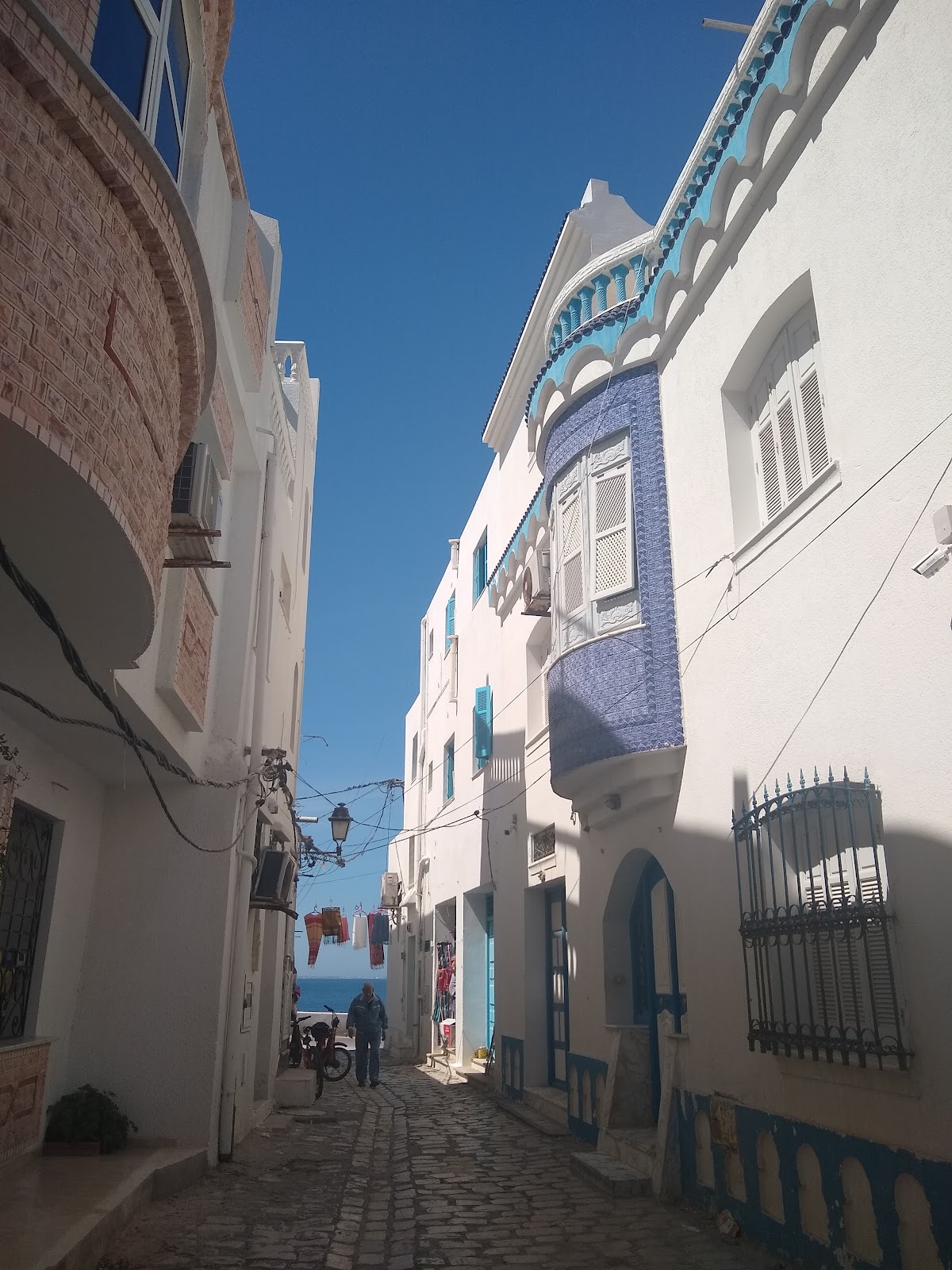
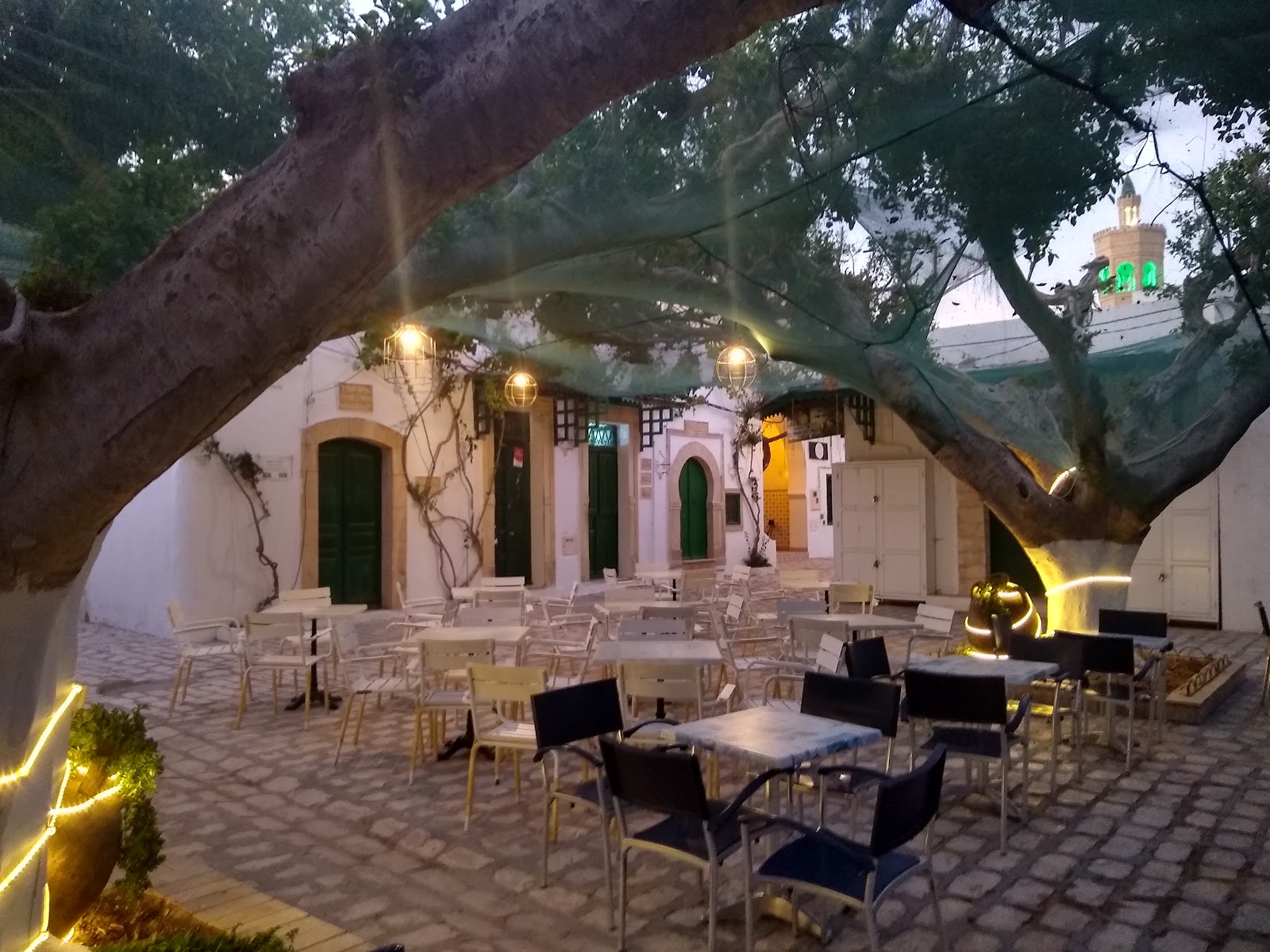
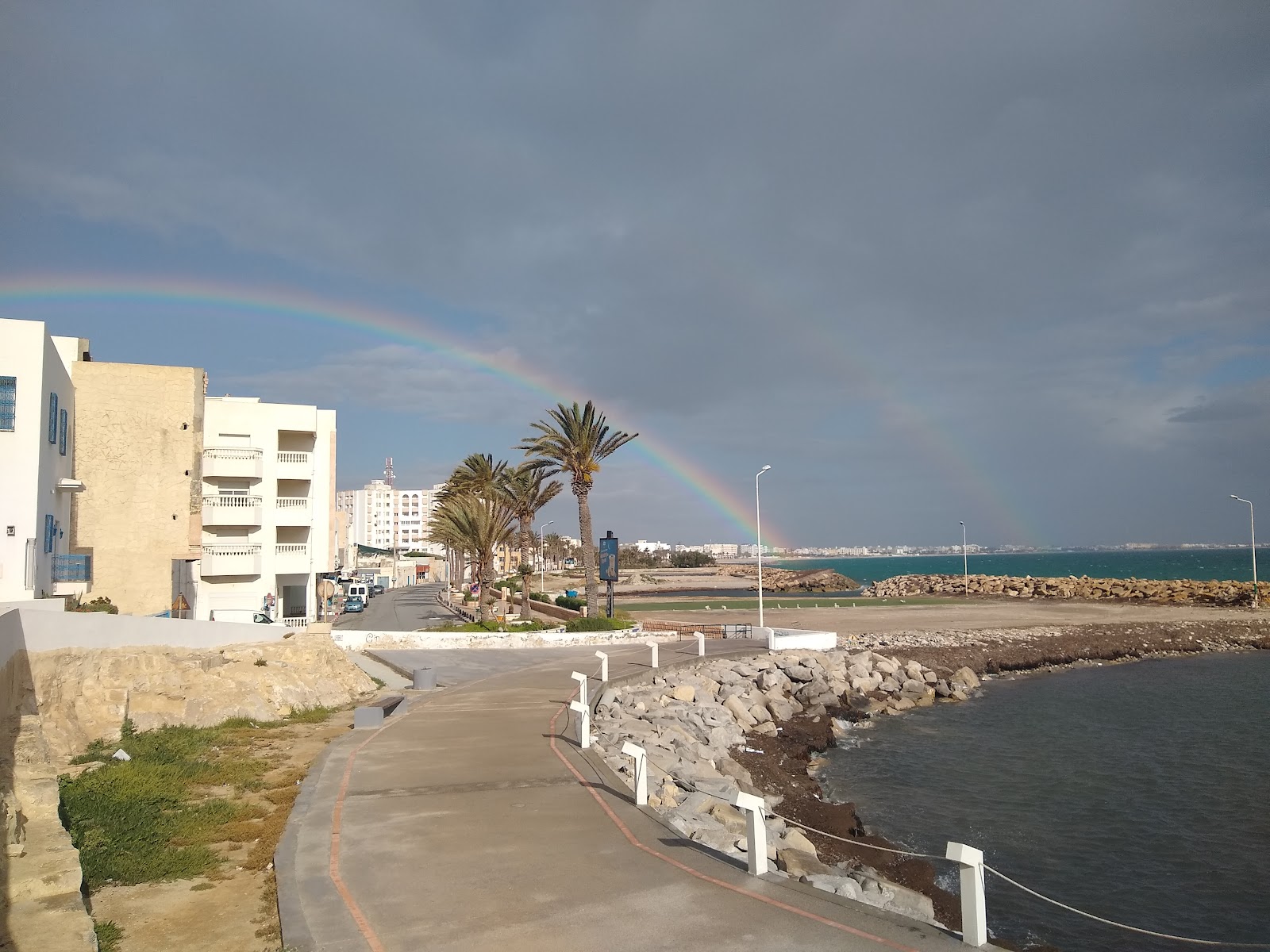
It's a bit curious that the main tourist area of Mahdia is along it's beach which, I'm sad to say is kind of mediocre. It's fairly narrow and has lots of washed up seaweed (though not rubbish). And the hotels backing it all look like their best days are behind them (even the relatively new ones). Worse, the neighbourhoods behind the beach are much less pleasant and interesting than the old town where we were staying.
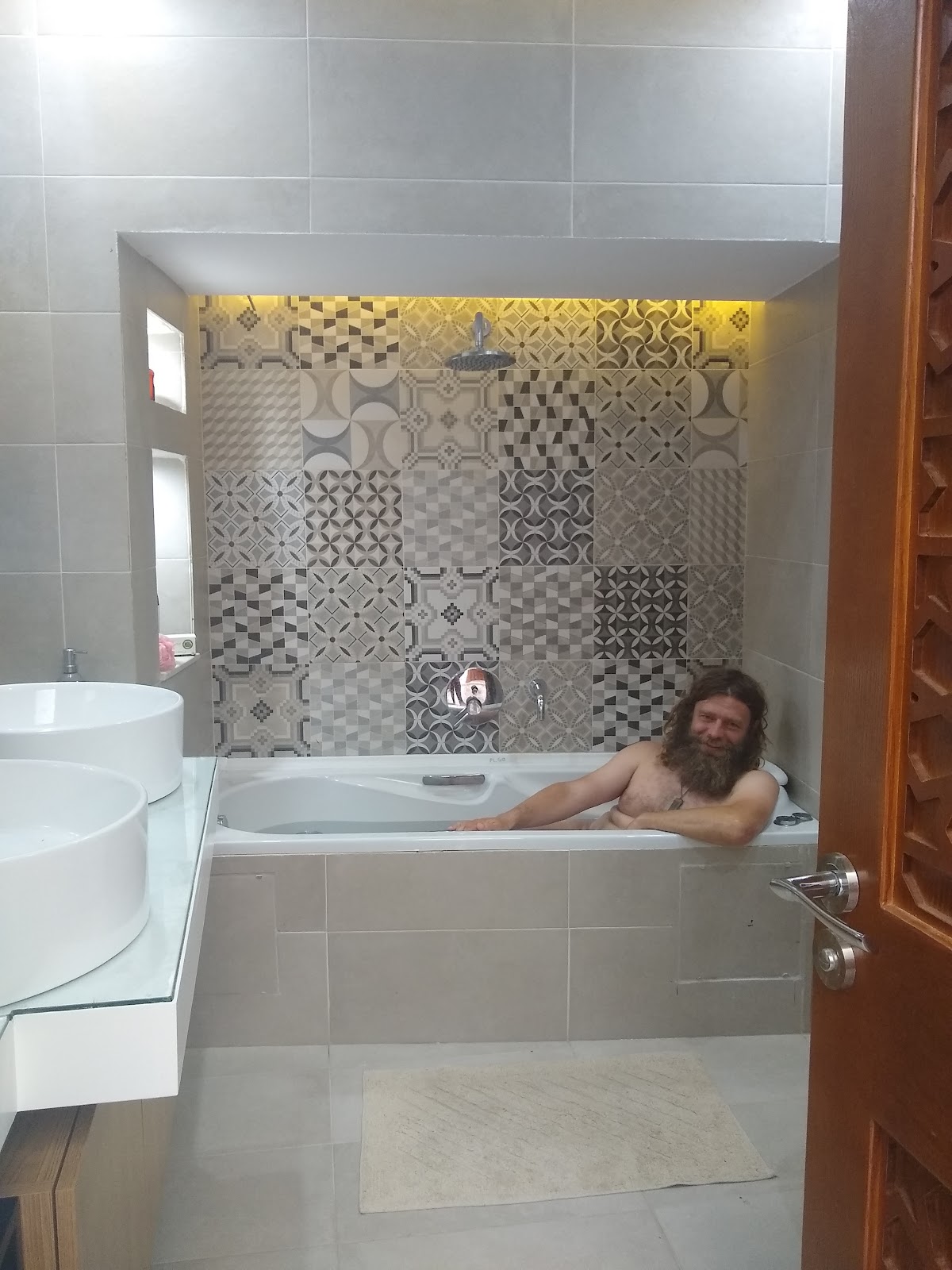
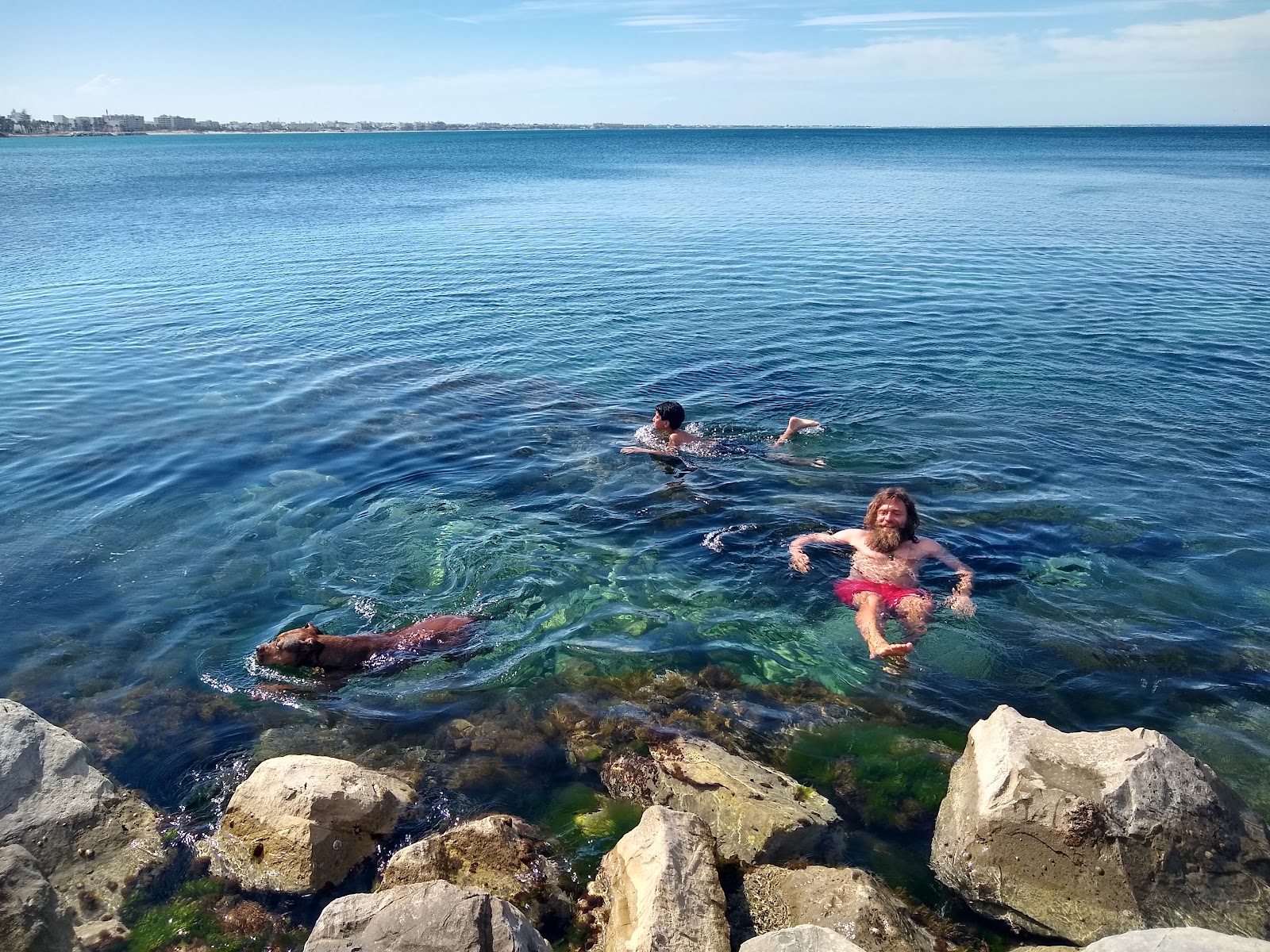
The apartment we had, as previously mentioned, was amazing. An old Tunisian family home whose ground floor had recently been renovated into a dazzling apartment, complete with a full kitchen (for meals during daylight hours), a bathtub that I used more than once a day, and a lovely lounge with a huge TV on which we watched cooking shows from all over the arab world on the Satellite TV. Forty three seconds walk away was a bit of rocky shore that was a fabulous swimming spot (far superior to the sandy beach). Unlike the Cook Strait (or, indeed, the Atlantic in southern Spain), the Mediterranean is great for swimming in the springtime. We seemed to be the only non Tubisian people there. Except for the big friendly Tunisian dog that jumped in to swim along with us.

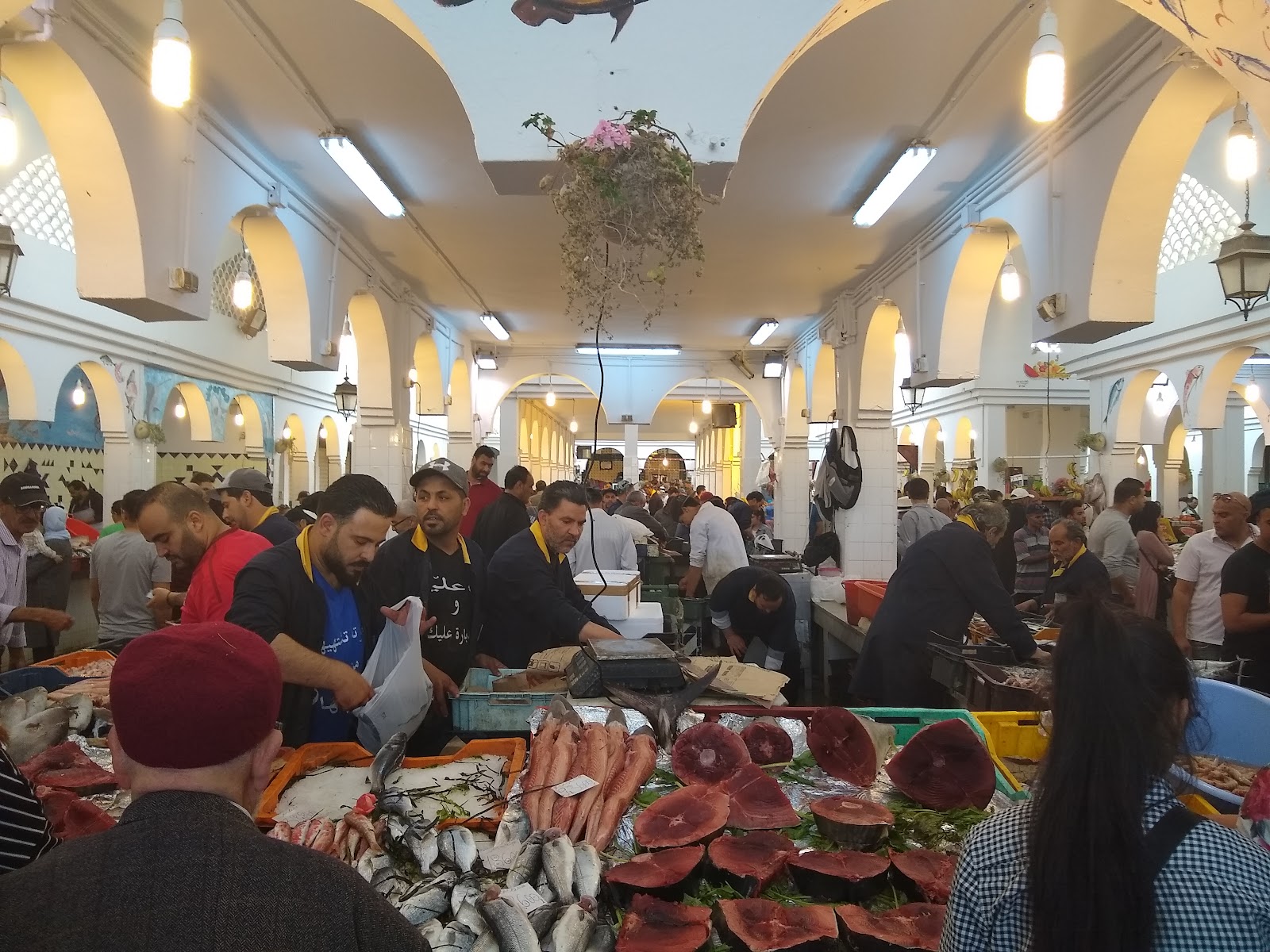
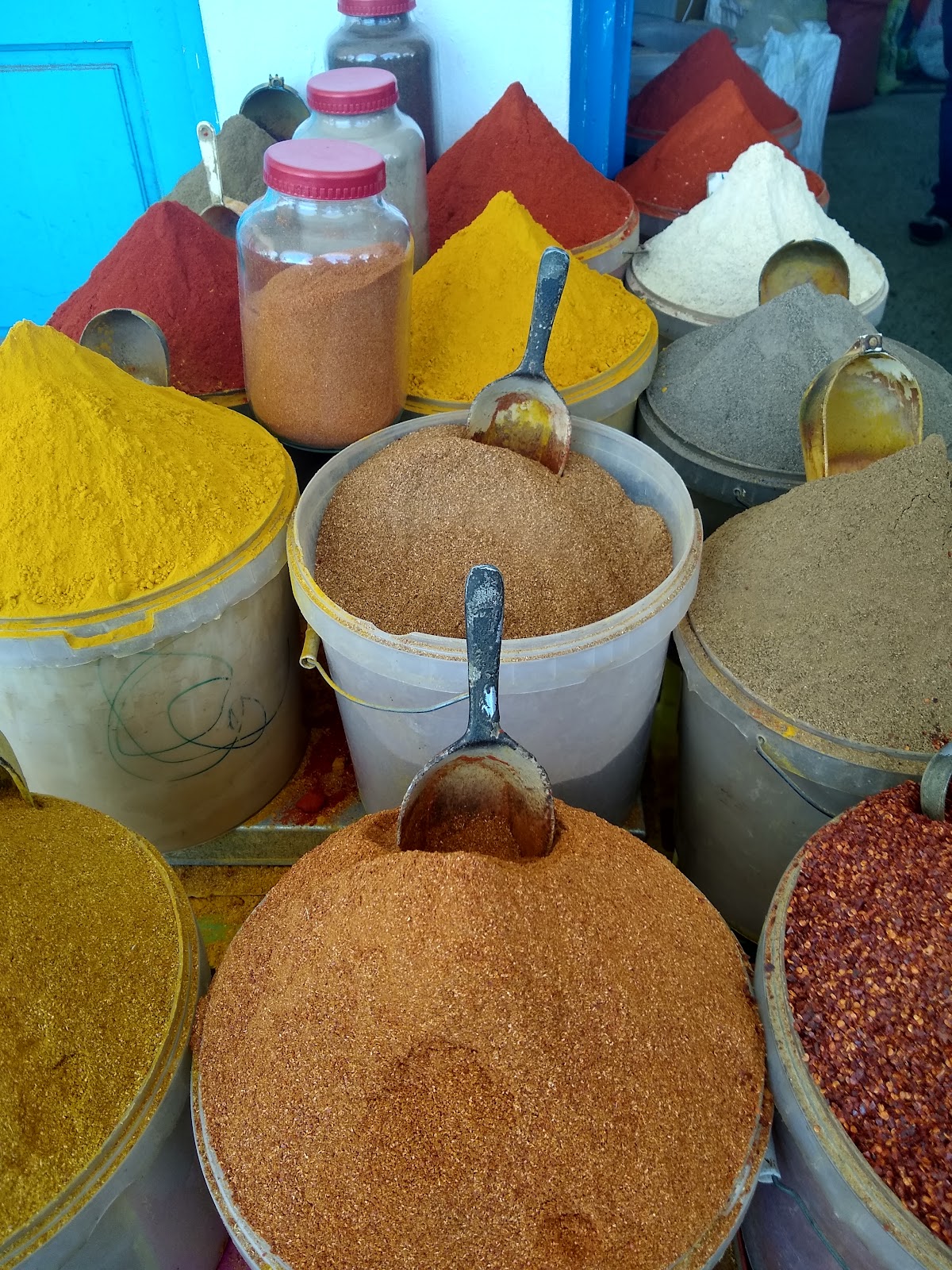
Mahdia had a few genuine tourist attractions. The main market was fun and (unsurprisingly) did a brisk trade in fabulous looking fish and seafood. Right out near the end of the peninsula was the beautifully sited old cemetery, and just before that a very well preserved fort from the days when the Ottomans and Austro-Hungarians fought over control of this part of the world.
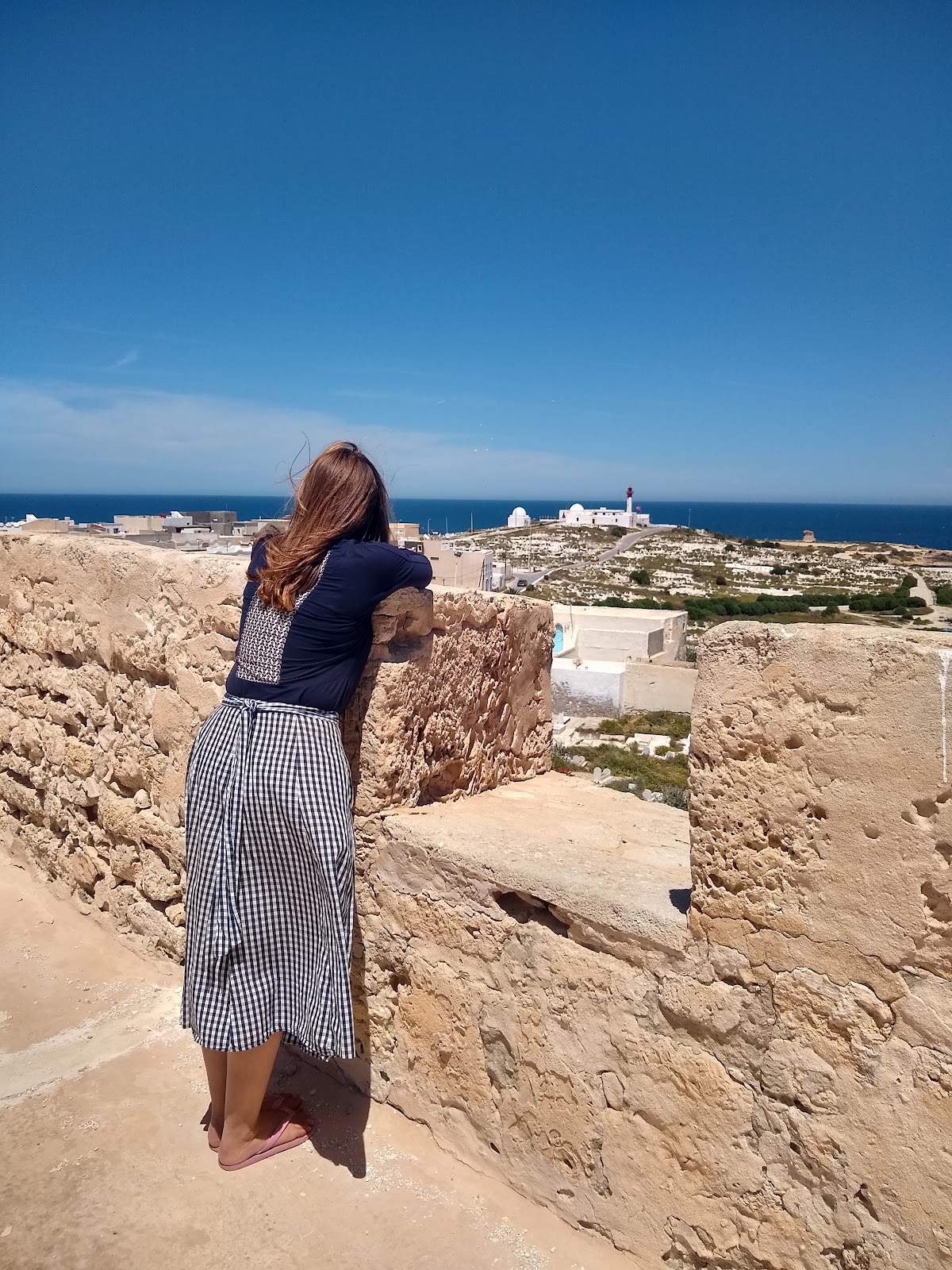
Heading still further back in it's history, Mahdia was the capital of the Fatimid Caliphate in the 11th century, which effectively means it was the capital of all North Africa. Relatively little remains of this era, save for a mosque rebuilt on the plans of it's eight hundred year old ancestor and the main gate of the massive, twenty or so metre thick city walls. Each evening around seven a crowd would gather in the roundabout just outside this gate and wait for the launch of a single loud firework from it's top that would signal the end of the day's fast. After which everyone would scatter and the streets would empty as everyone rushed home to break the fast with their families. So keen was everyone to spend Iftar with their families that there were no restaurant proprietors about to open their establishments, nor customers to open them for.

Meanwhile, at the other end of the day, no cafe or restaurant could be bothered opening at 03:45 or 04:00 or whatever it was for the final meal of the night. Ramadan in Tunisia seemed to be rather more inconvenient for visitors (except, presumably, those in all-inclusive resorts) than any other country where we'd spent it before.
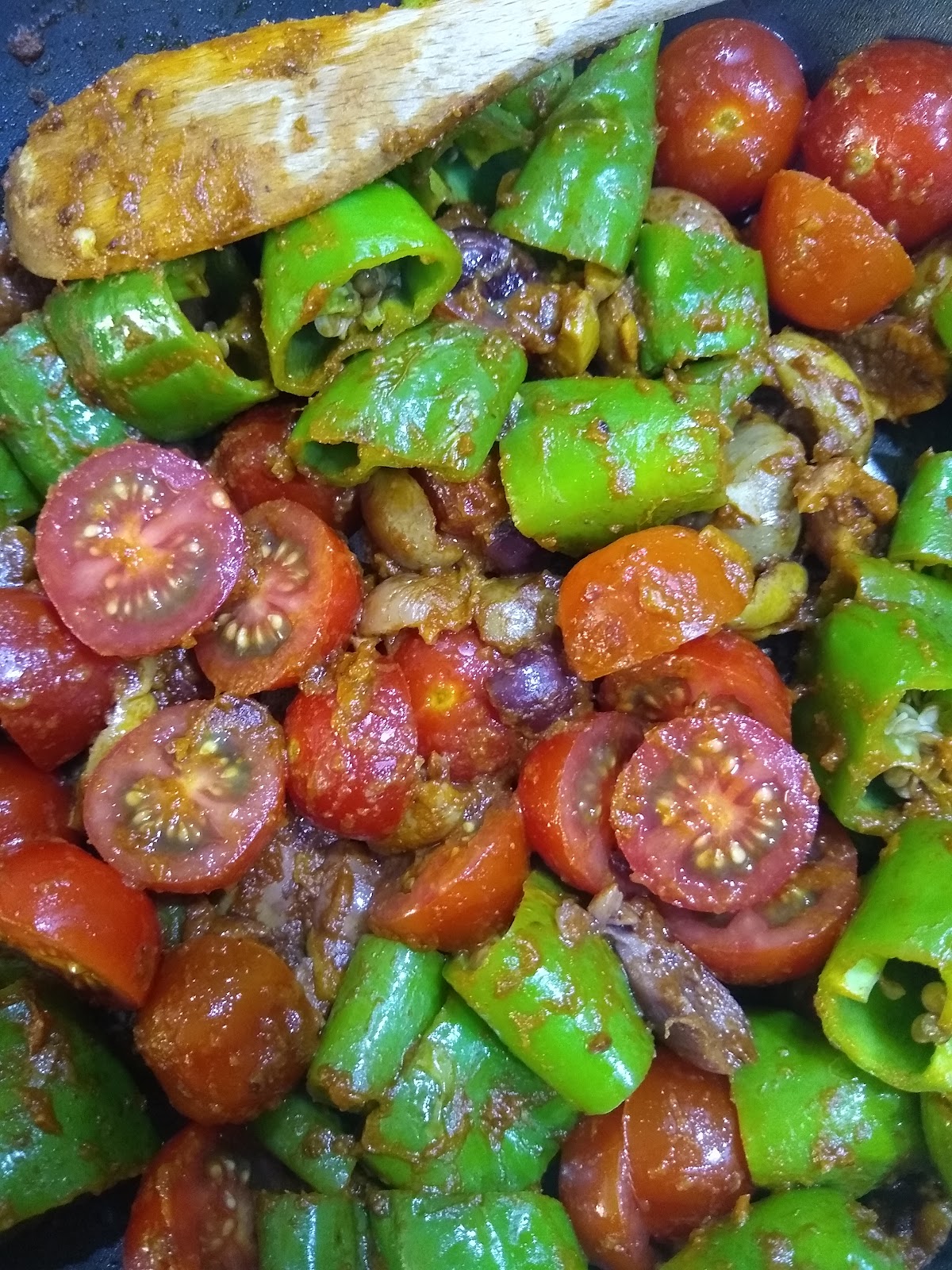
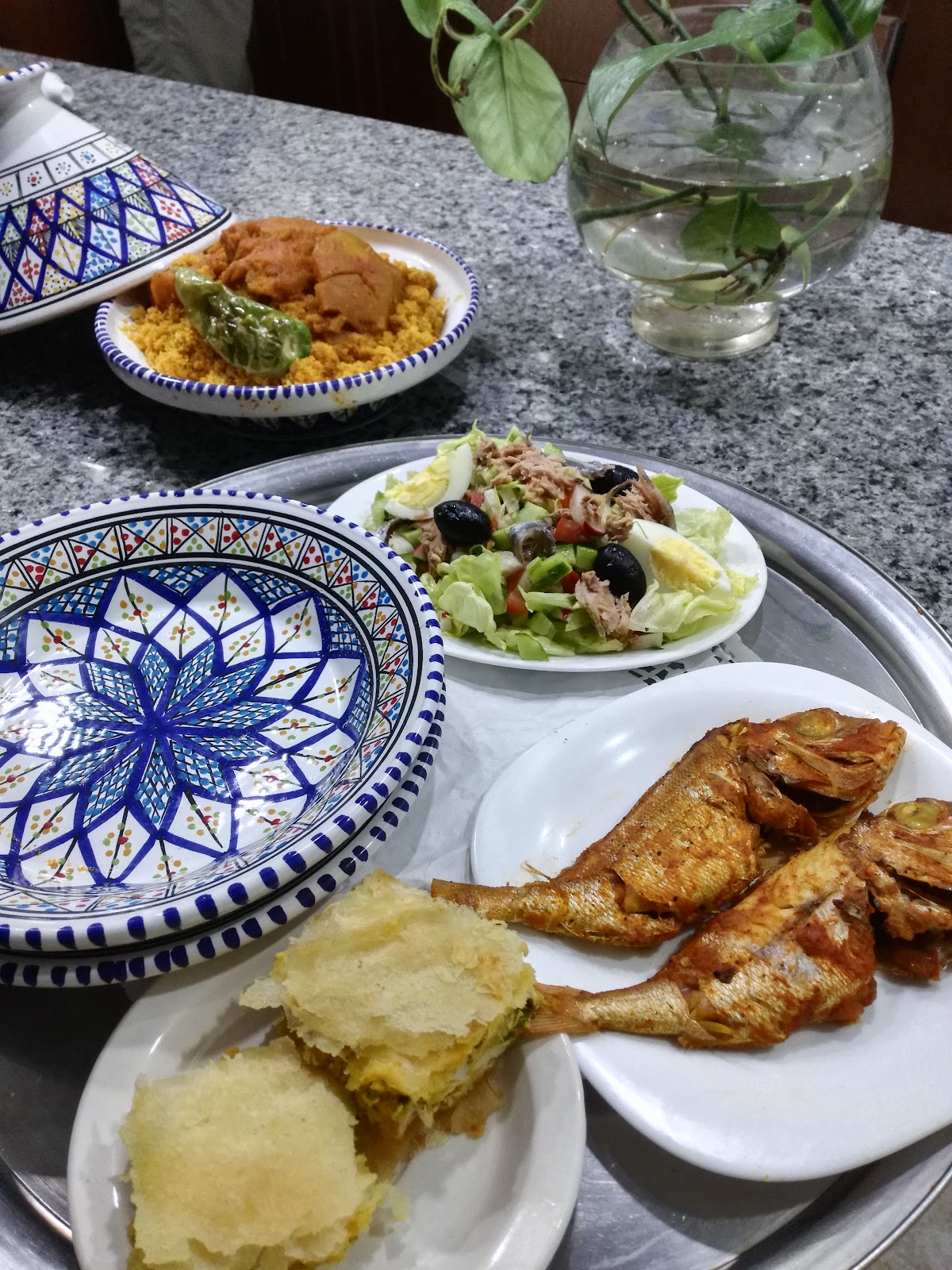
So it's fortunate that we had a kitchen of our own. And on one memorable evening, a chef as well, as our host came downstairs and offered us some of their wonderful evening feast, which included grilled fish, soup, Tunisian salad and moist, flavoursome veggie couscous. Definitely one of the best and most memorable meals we had in Tunisia!

While we did spend most of our time in Mahdia itself, on one day we headed north to check out the much larger and more heavily touristed cities of Sousse and Monastir. We took the train (running on a special Ramadan timetable) north to Sousse. It ran up along the coast past an almost uninterrupted string of low density housing, beaches, salt pans and lagoons full of hundreds and hundreds of white (except right under their wings) flamingos!
Sousse's famous Medina was pretty cool. As pretty as any anywhere, but less chaotic and tidier than most. Only right near the main gate and fortress did it turn into a veritable tourist zoo, with rubber tired trains taking people on sightseeing tours, hordes of souvenir sellers and ridiculous animatronic dinosaur exhibits and "5D" cinema ride things that would be at home on Clifton Street in Niagara Falls.
We felt quite content to have a couple of hours to walk around in Sousse before turning around and heading back south.


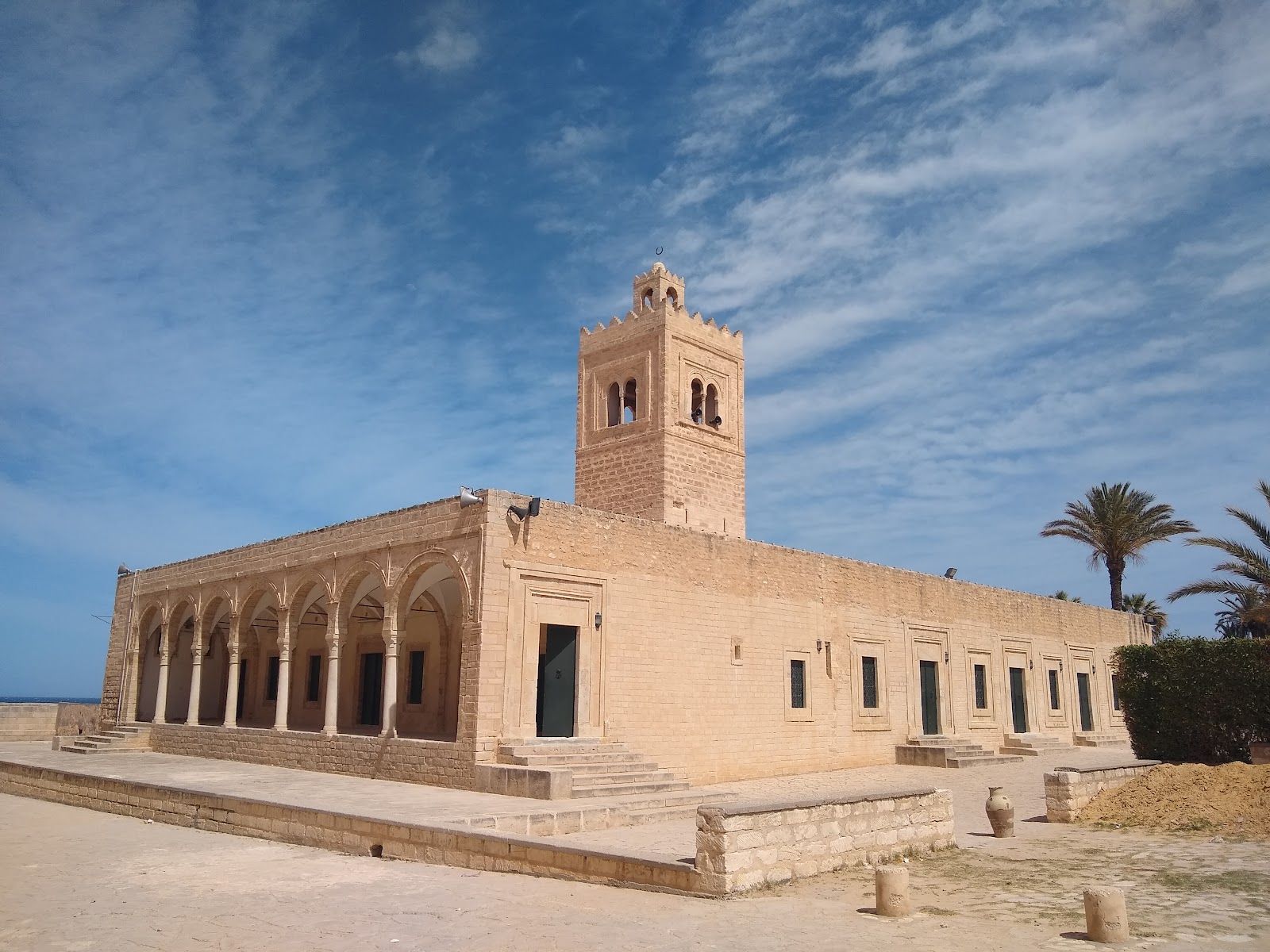
Monastir, where we made a second stop on our way home, was both better and worse than Sousse. The ancient Ribat (fortress) was big, well preserved and had myriad battlements, courtyards, passages and towers almost entirely open to exploration.
The salespeople in the most accessible bits of the medina were so pushy/desperate that they managed to annoy even (generally very patient me). We had a conversation with one guy who asked, almost plaintively why so many tourists were disinterested or actively rude to the sellers (even those sellers who didn't grab them by the arm and physically drag them into the shop). I explained that while it might only take five minutes to go into a shop and look, if we did this at every one we'd been invited into we would've spent approximately twelve full hours of our holiday in shops that all sold largely the same collection of items. I did really feel for this guy, as he seemed pretty nice and friendly, and was just doing his best to make ends meet in a market where customers had thinned significantly after two significant terrorist attacks against tourists in 2015.
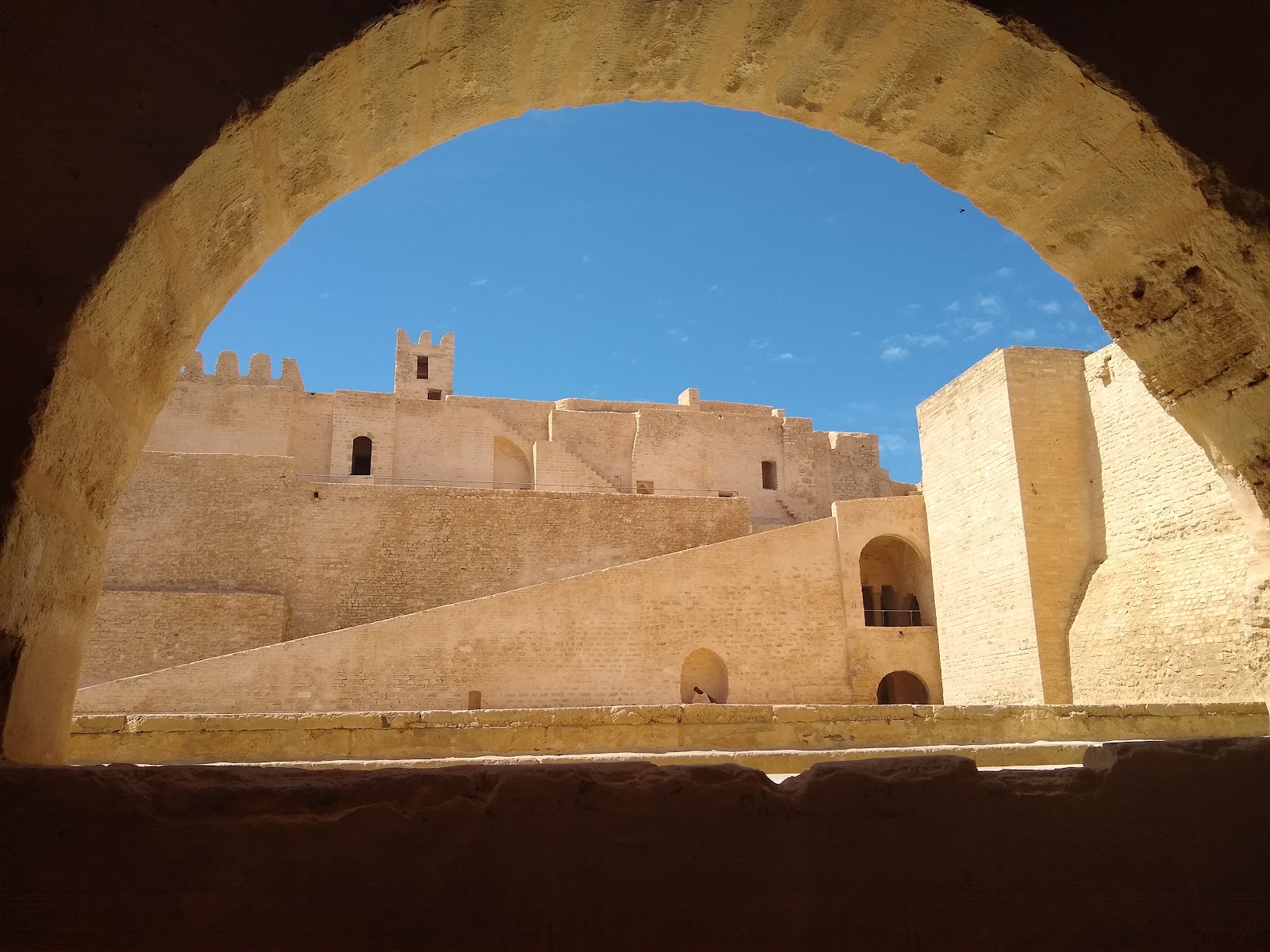


It was a bit of a shock to get the Tunisian mass tourism experience at these beach towns that receive millions of visitors a year after weeks in the (tourism) hinterlands further inland. Having seen all this made us happier still to be spending our time in more chilled out Mahdia.
But all good things must come to an end. After four days and five nights we bid Mahdia farewell and caught our final louage back north to Tunis.