Sunday, 1 September 2019

Old Towns and Marine Mountains on the Bay of Kotor

We'd struggled a bit with how to get from Cavtat to our next destination, Herceg Novi, which was just across the border in Montenegro.  We could've taken a bus, but they only left from the main Dubrovnik station, half an hour back the way we'd come from and were surprisingly expensive to boot (about NZD29 each for a ~50km trip).  There were private transfers available, but they were even pricier, and taxis (even if they could cross the border) are reluctant to head further away from Dubrovnik and charge accordingly.

In the end we figured our best bet was actually to take an Uber to the border for about NZD35, walk across and figure out what to do once we arrived (I realize now that there were I frequent but extant local buses that would've taken us close to the border and been even cheaper.  But our driver was a really nice guy, and we had fun talking to him about his career in the merchant marine and about wild pigs and soforth. Plus doing it this way already made me feel clever, even if there was a cleverer way of doing it).

At the Croatian border post there were sidewalks everywhere and we just walked up to the front of the queue and were ushered over to the (empty) bus lane and processed instantly.
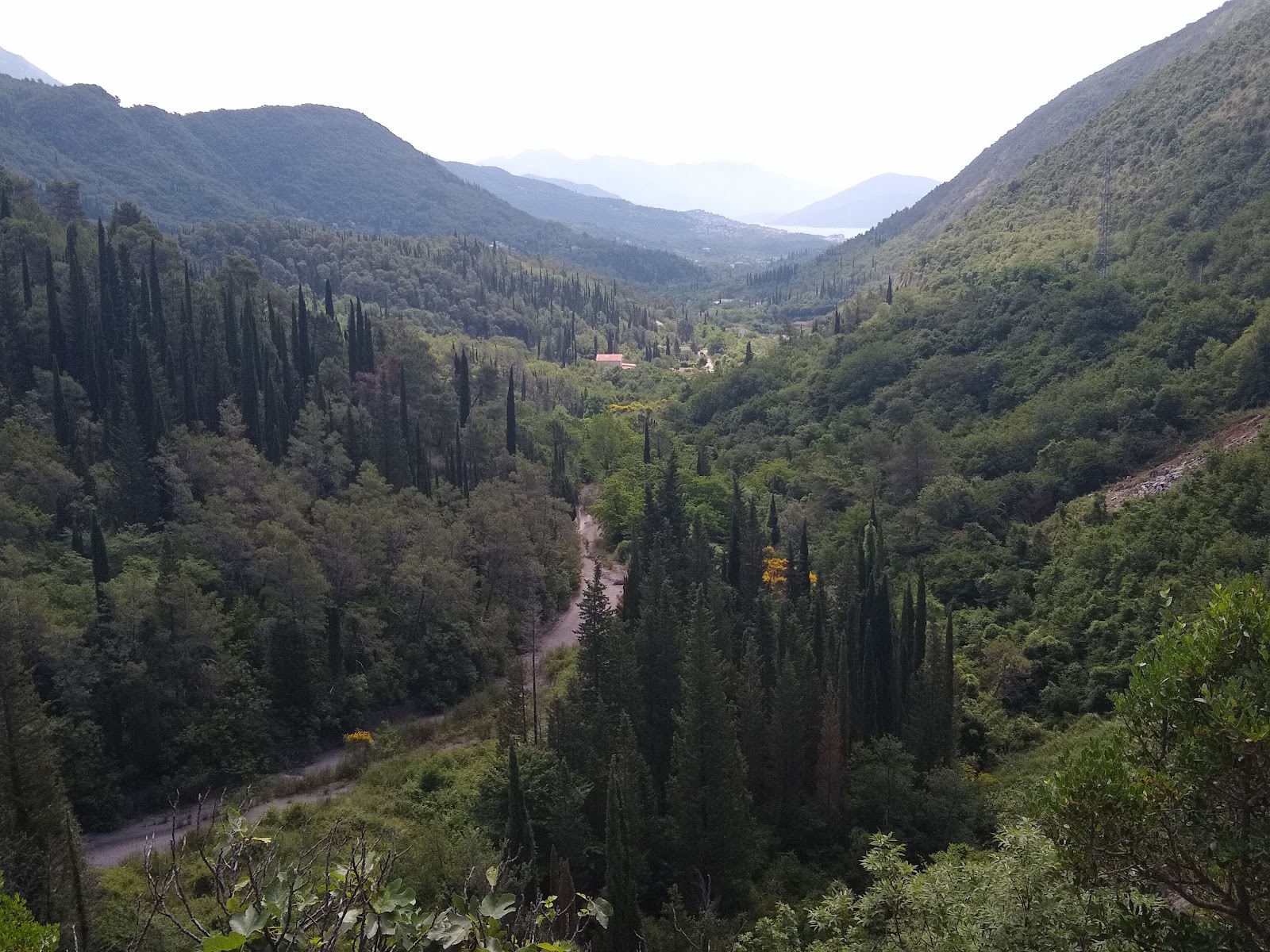
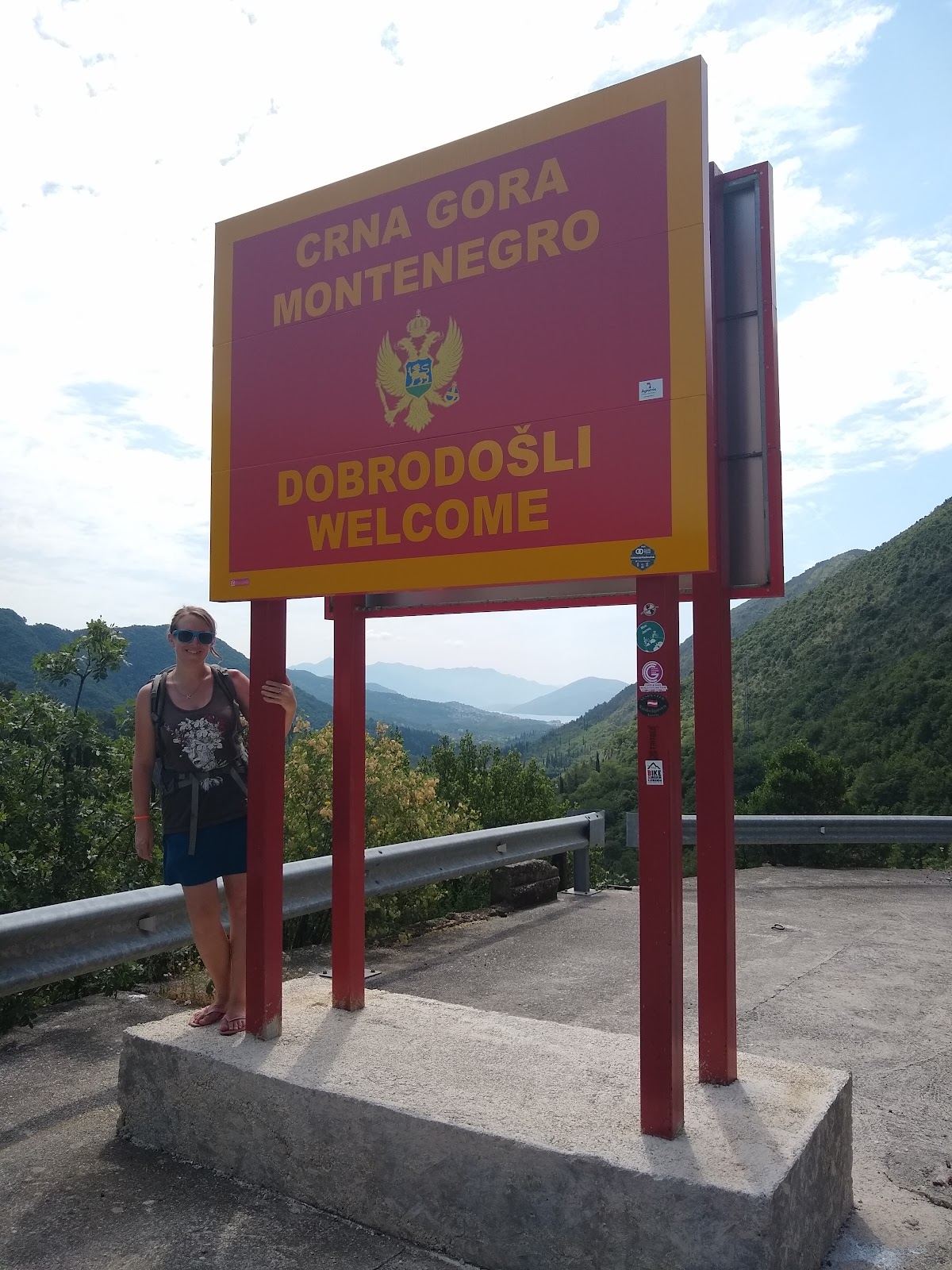

It was a pretty 1.5km walk downhill to the Montenegrin post, where we stood in the short queue amongst traffic (in amongst a group of motorcyclists) and were duly welcomed into the country.  We debated and hemmed and hawed and eventually decided that hitchhiking was the way to go. As Sarah said, when hitching it often seems like you'll never get a ride until you do, at which point it seems like it was inevitable.  After waiting maybe fifteen or twenty minutes a nice Serbian lady who owns rental properties in both Croatia and Montenegro picked us up and very kindly dropped us at the bus station in Herceg Novi.

Herceg Novi, spilling down a hillside at the mouth of the Bay of Kotor, is often described as "Little Dubrovnik".  I'd say that this is a pretty optimistic view. It's nice enough, but for grandiosity and all around impressiveness it doesn't have a patch on the bigger city back on the other side of the border.  Which is not to say (at all) that we didn't enjoy it. Indeed, as a place to stay instead of visit for a few hours, I'd say HN beats Dubrovnik hands down.  

We went to the tourism information office and they set us up with a room to rent in a private home for the night.  Our host, a sixty-odd year old Montenegrin lady spoke only a few words of mixed English and French, but was a very kind and hospitable.  She made us delicious Turkish coffee with chocolate biscuits once she'd showed us our room and made sure we were comfortable.

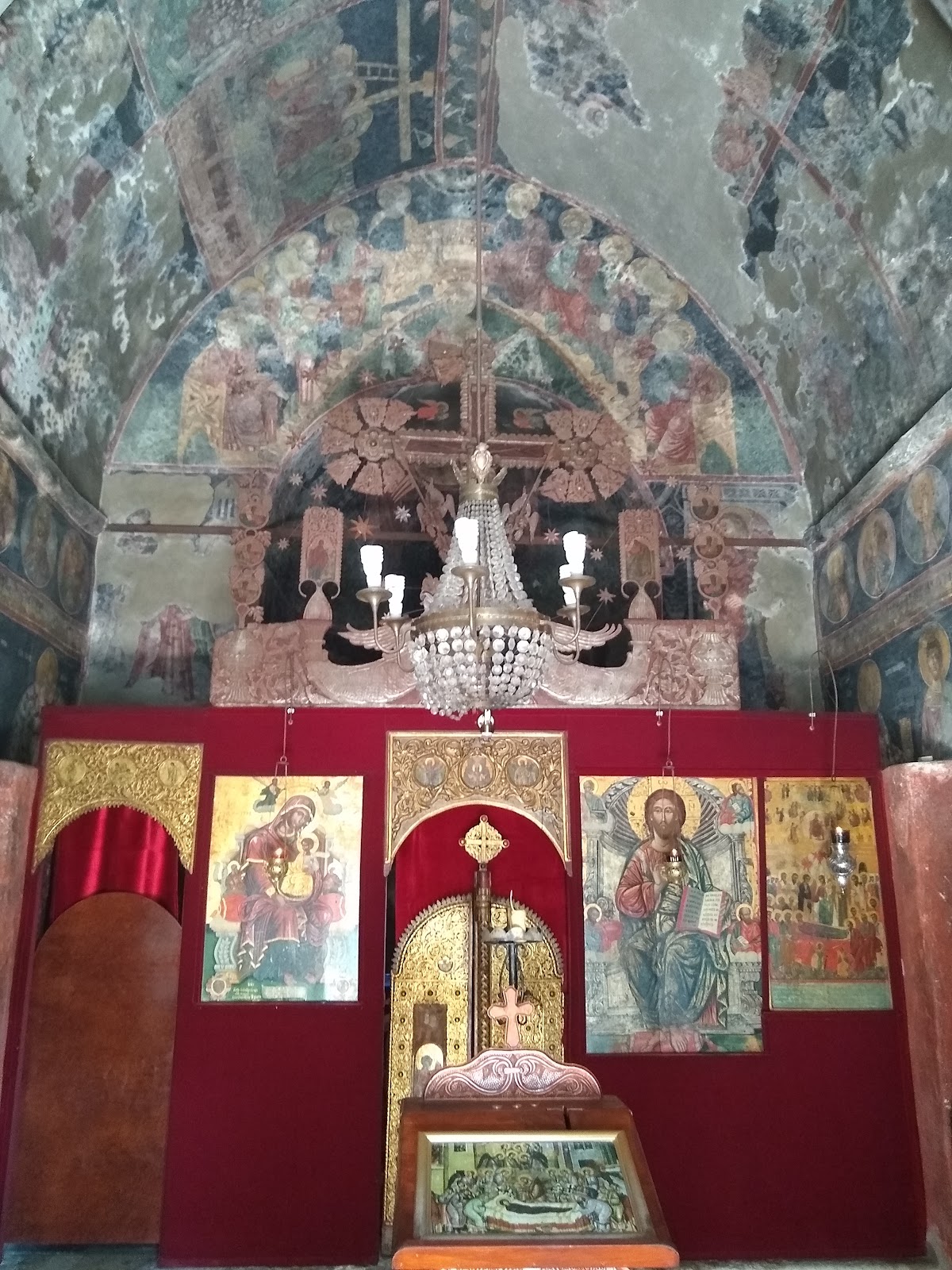
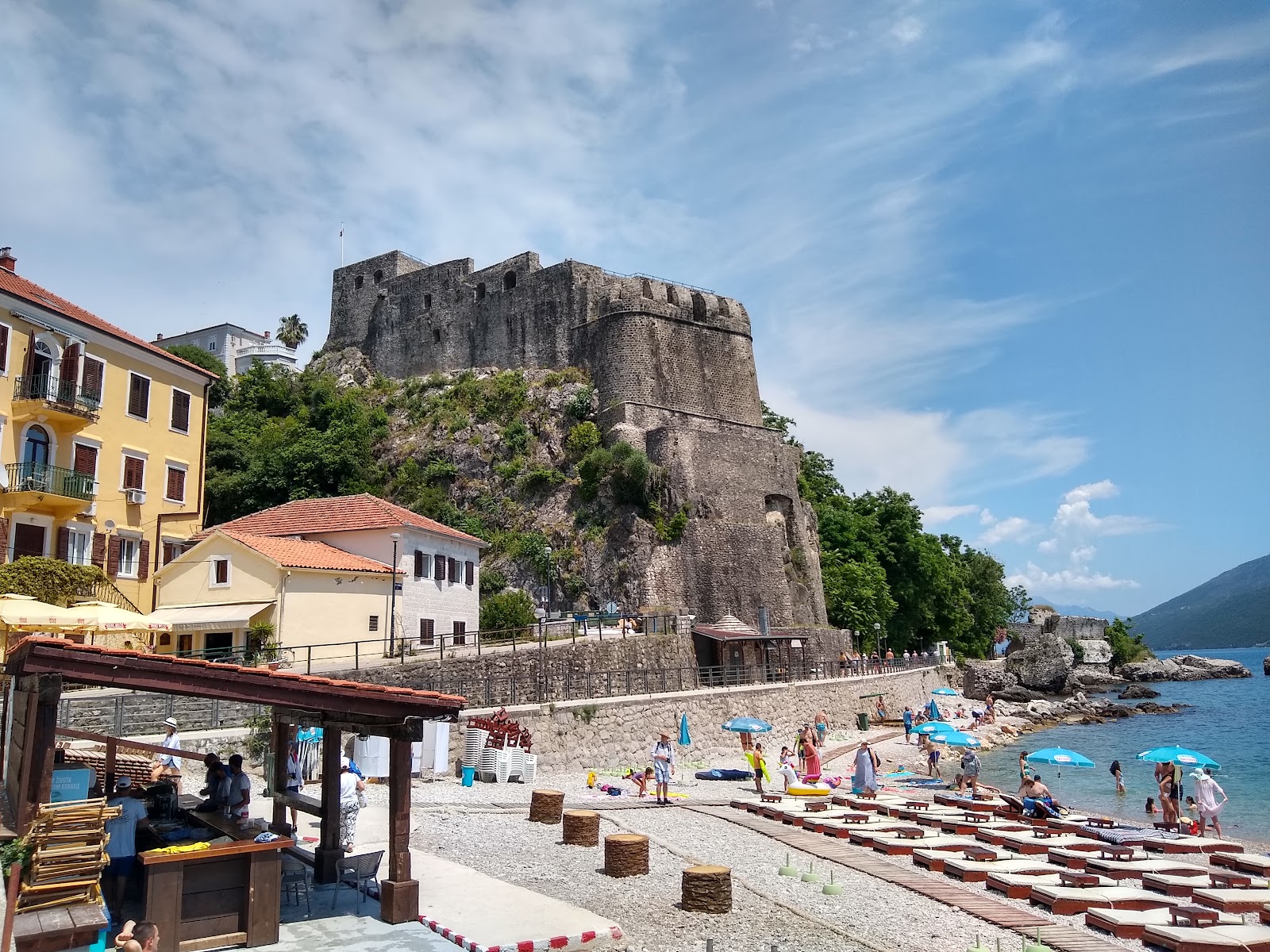
Herceg Novi has a pretty 18th century old town with several interconnected squares and churches.  And on the outskirts it has a really lovely orthodox monastery, which, if you've climbed up high enough to visit it, also affords nice views of the outer section of the bay.


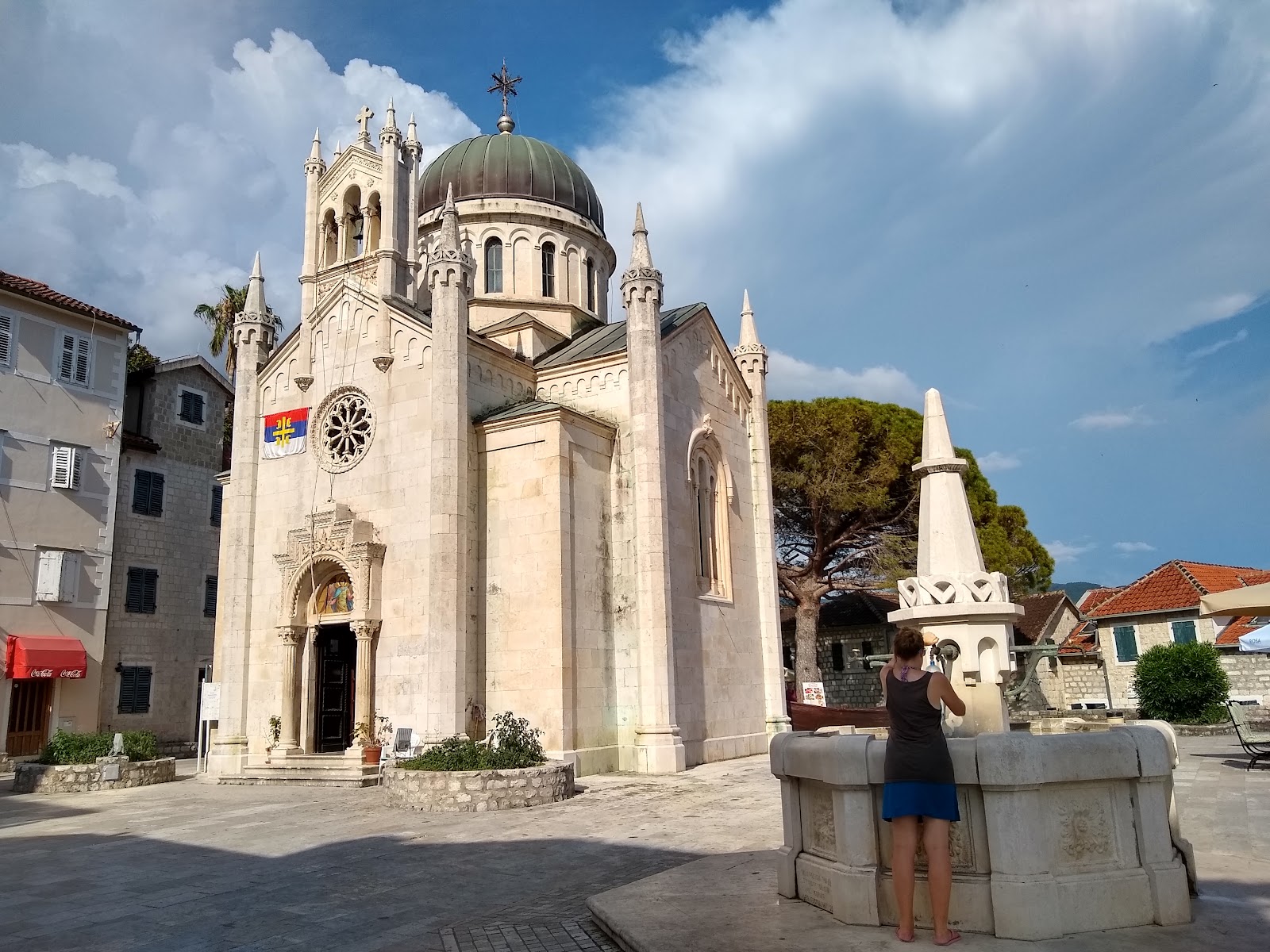


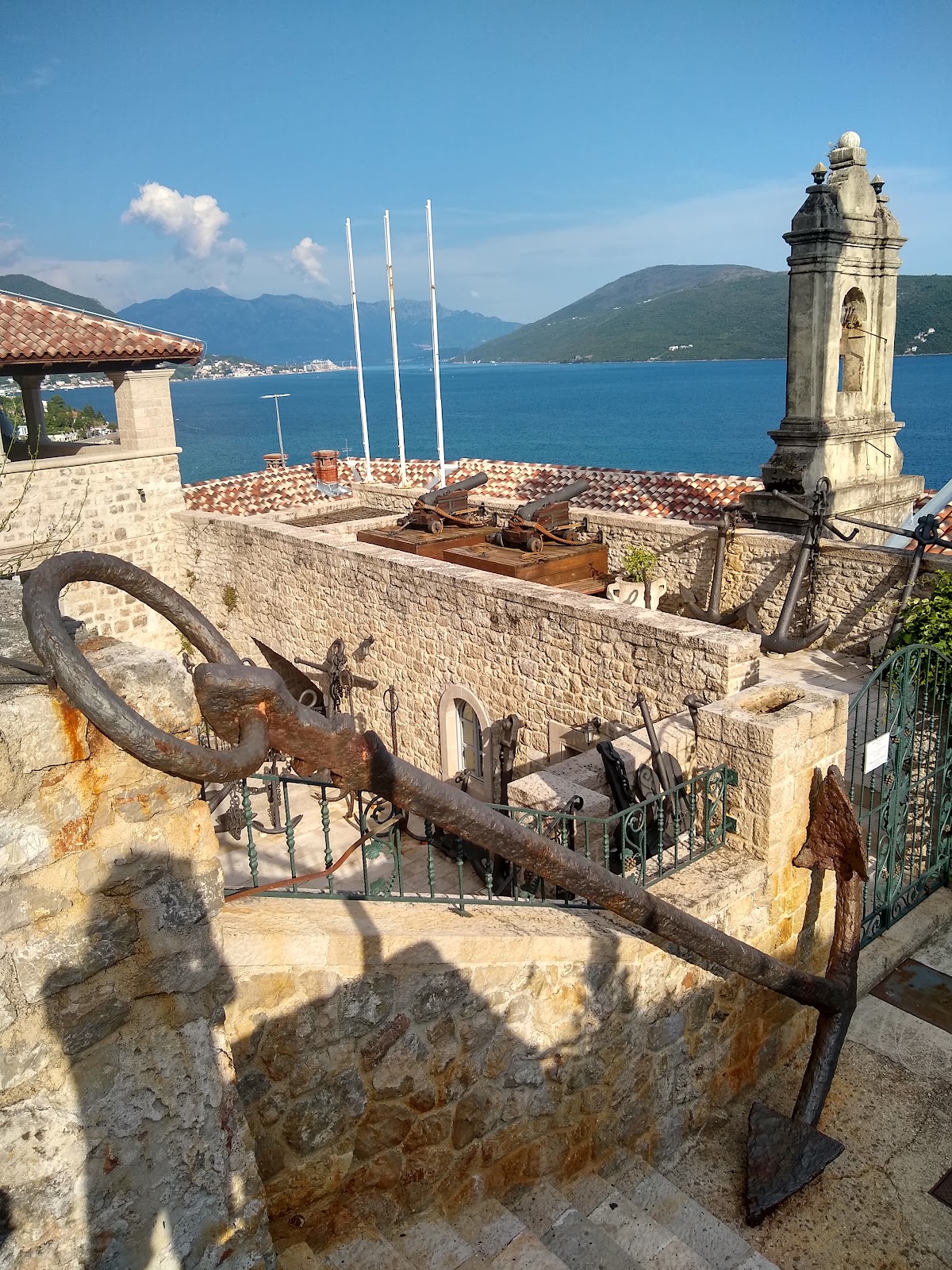
Over its history Herceg Novi was contested by, amongst others, the Ottomans, the Venetians and the Hapsburgs.  For this reason it's got (the remains of) city walls and two major fortifications at the top and bottom of the city (everyone told us with a bit of pride about how many stairs there were in their city, which we happily told them felt homey to us).  But the best of the forts (and the one with no admission fees, interpretation, lists of rules or guardrails) was the Spanish Fort still higher up. We climbed to the tops of the walls for the very best views of the bay. And on our way out Sarah was mean to tethered goat, throwing fruit skins in its direction just out of reach.  (Sarah wishes to say in her defence that she was trying to throw it softly and gently rather than just hurling it at the goat and, after throwing it a bit too softly, it landed in a patch of thistles so she couldn't collect it and throw it a bit nearer).



For all its nice sights, most people came to Herceg Novi for the watered.  All along the few kilometres of shore at the bottom of the hill were restaurants and hotels and public beaches filled with private lounge and umbrella rental facilities.  It was a bit odd to be sharing a place with lots of a wholly different type of tourists, i.e. Serbian and Russian couples and families on their week-long beach holidays. We went swimming right along with them in beautifully clear, warm water.  


When it came time to leave Herceg Novi we took the municipal bus up the coast of Kotor Bay to its narrowest point.  The Bay, which some call (incorrectly, from a geological perspective) southern Europe's only fjord (not incorrectly because there are other fjords in southern Europe, but because it is, like Marlborough in NZ, a Sound or Ria, not a fjord) extends 28km from its entrance to the furthest point inland.  (Wow. That was a pretty meandering sentence, even for me.)

Anyhow, we took the free (for foot passengers) ferry across and caught a bus further into the bay.  We took the long way 'round 'cause I suspected the views would be prettier, and were they!? The mountains at the edges just kept getting higher and higher and steeper.  I think some of the photos I took on that trip may be the nicest I've ever taken out a bus window.
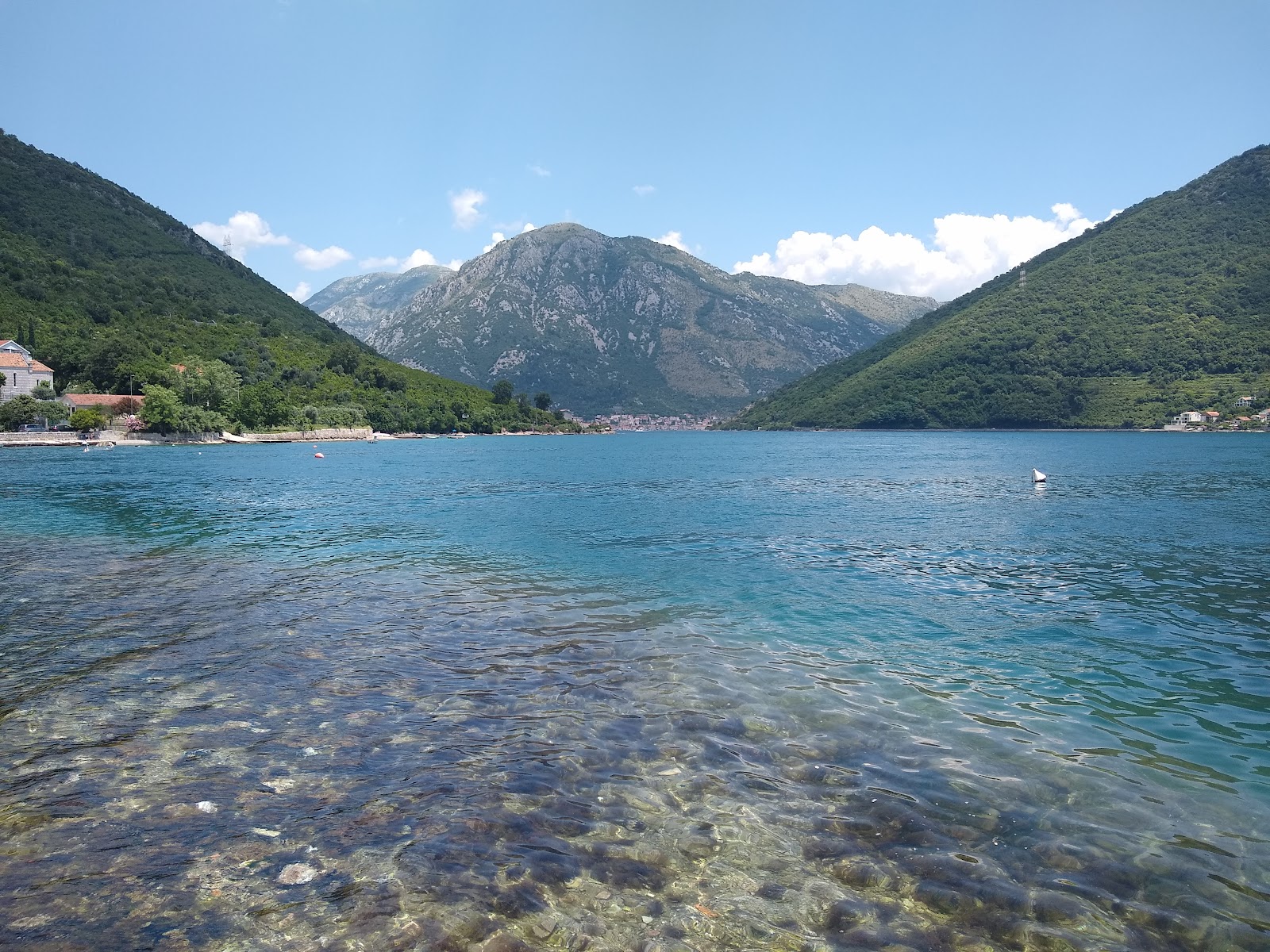
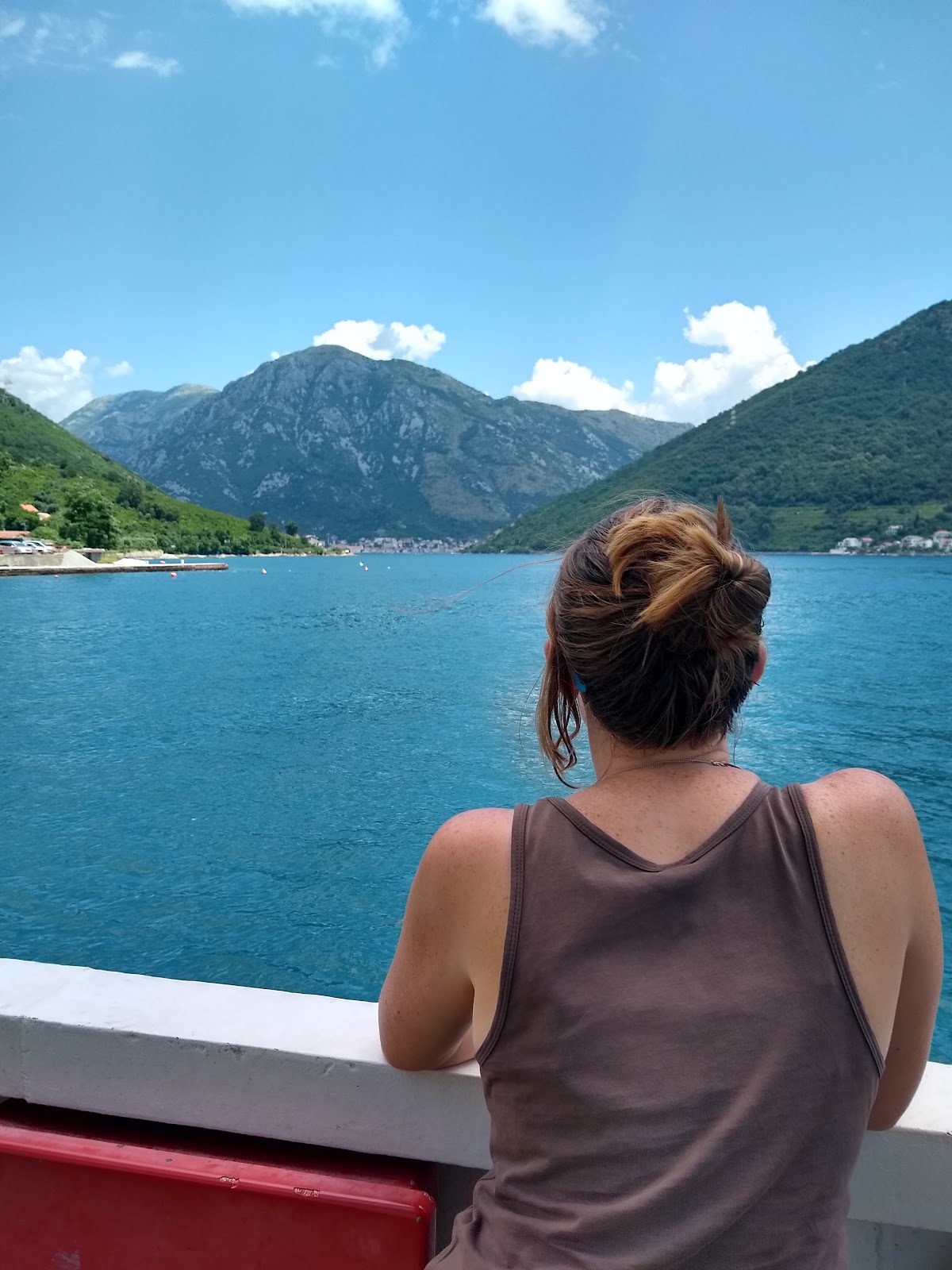
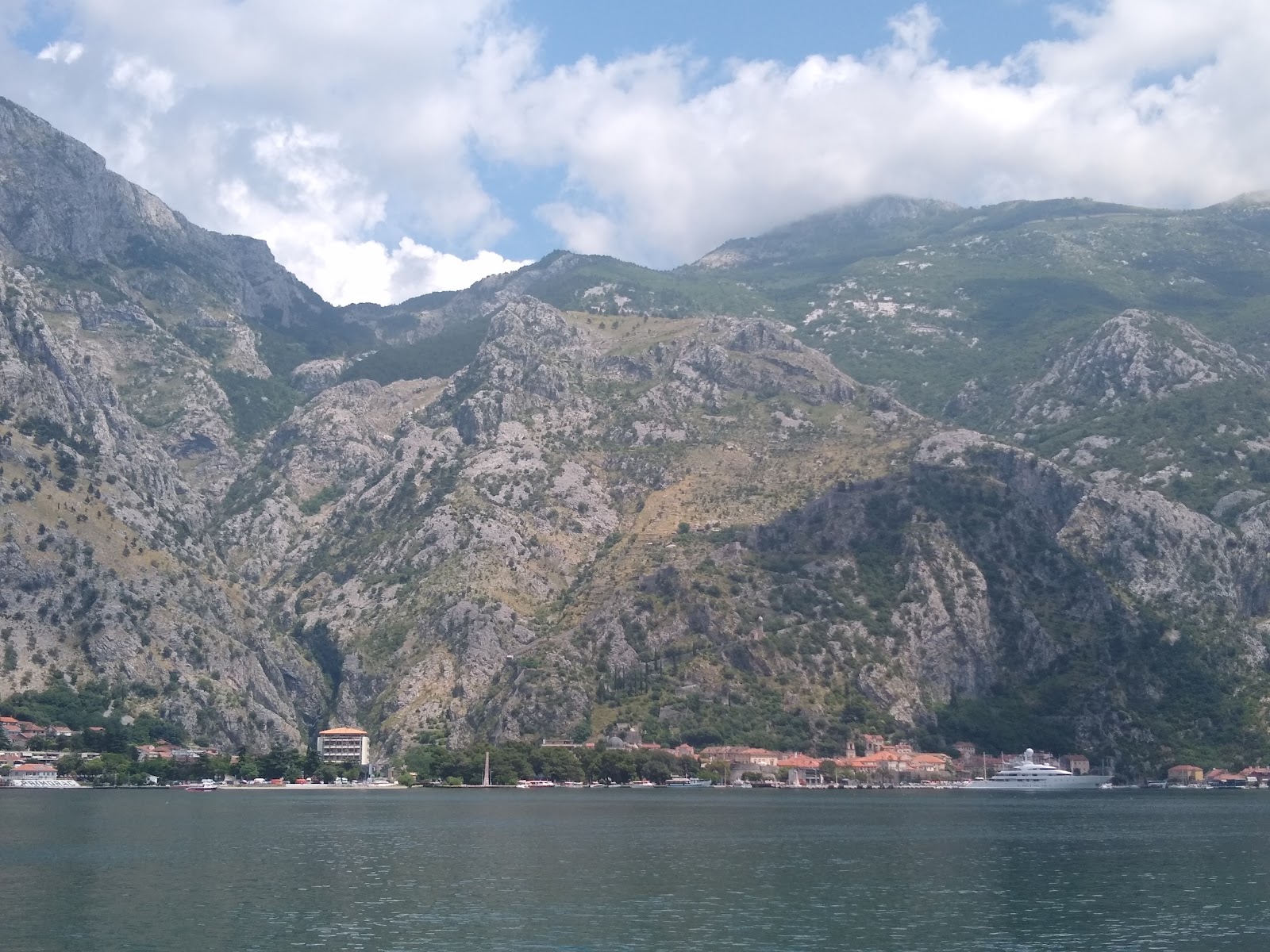


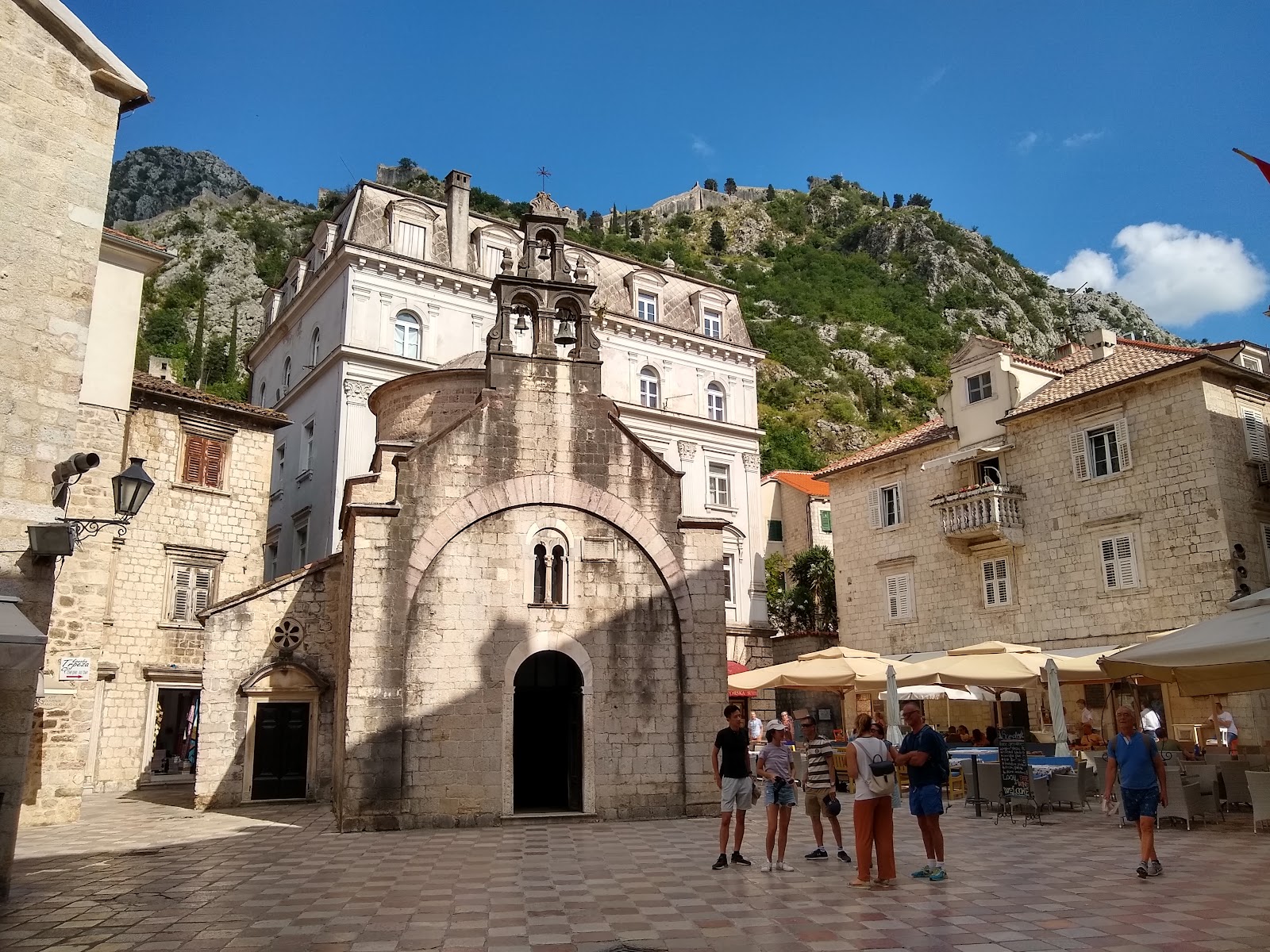
The bay and mountains are pretty spectacular.  Then you get to the town of Kotor itself and see the red tiled roofs, the city walls, and the fortifications that climb above the town, up mountainsides so high that it seems like building them must surely have been pointless.

Arguably at least, this could be the Little Dubrovnik for those in search of one.  We stayed at a lovely little hostel right in the centre of the roughly 500m x 500m old town.  Each night the hostel offered a couple glasses of free rakia (plum Brandy) to guests, which made it one of the most sociable ones I've been to in the post-smart phone era.  Even if people didn't want to drink the Rakia (and it is, I'll admit, pretty harsh stuff) many of them came along simply because most of the other people in the hostel were.  We spent our nights there talking, singing along to musician-guests playing (and enjoying the rakia, of course).

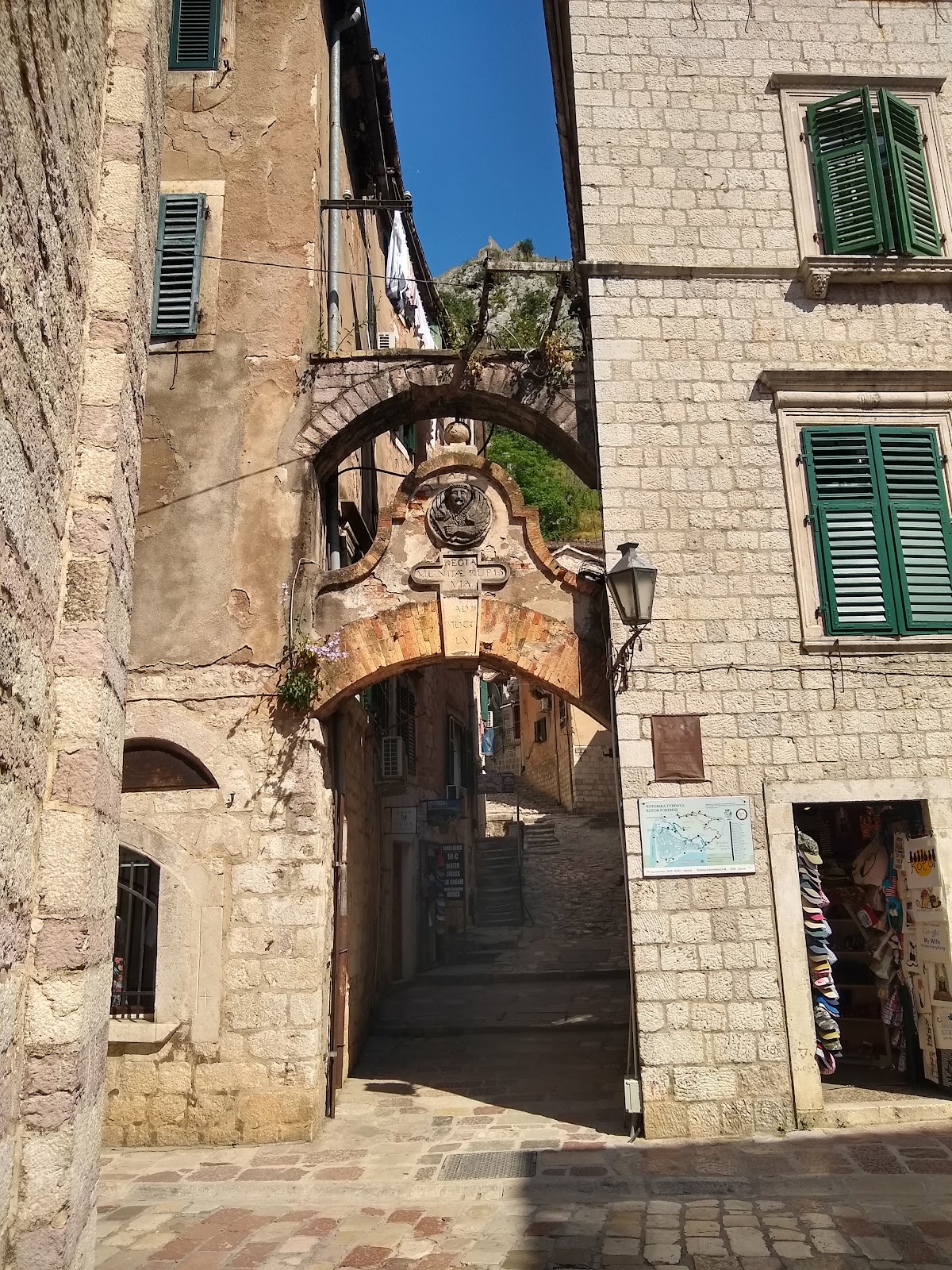

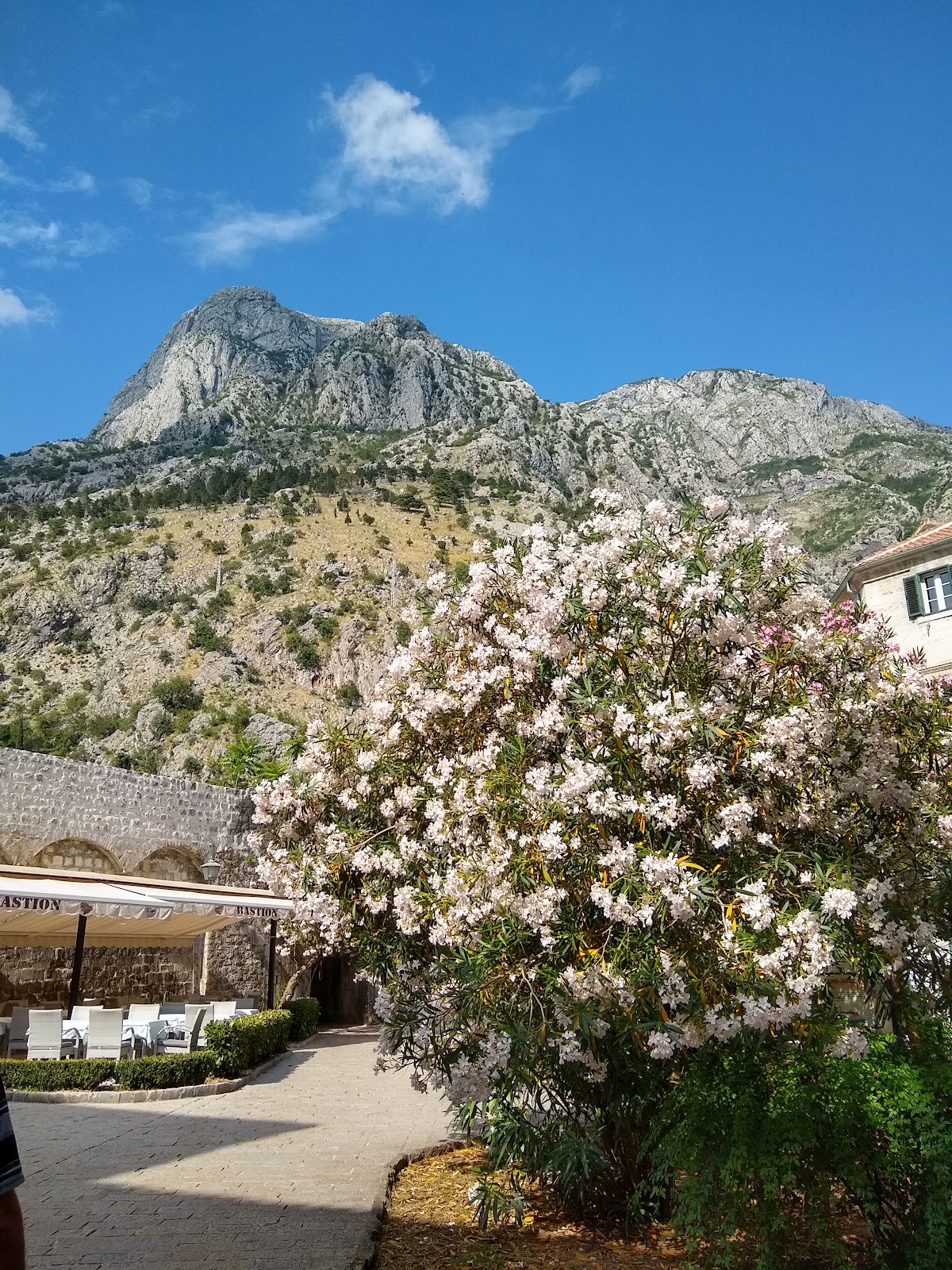
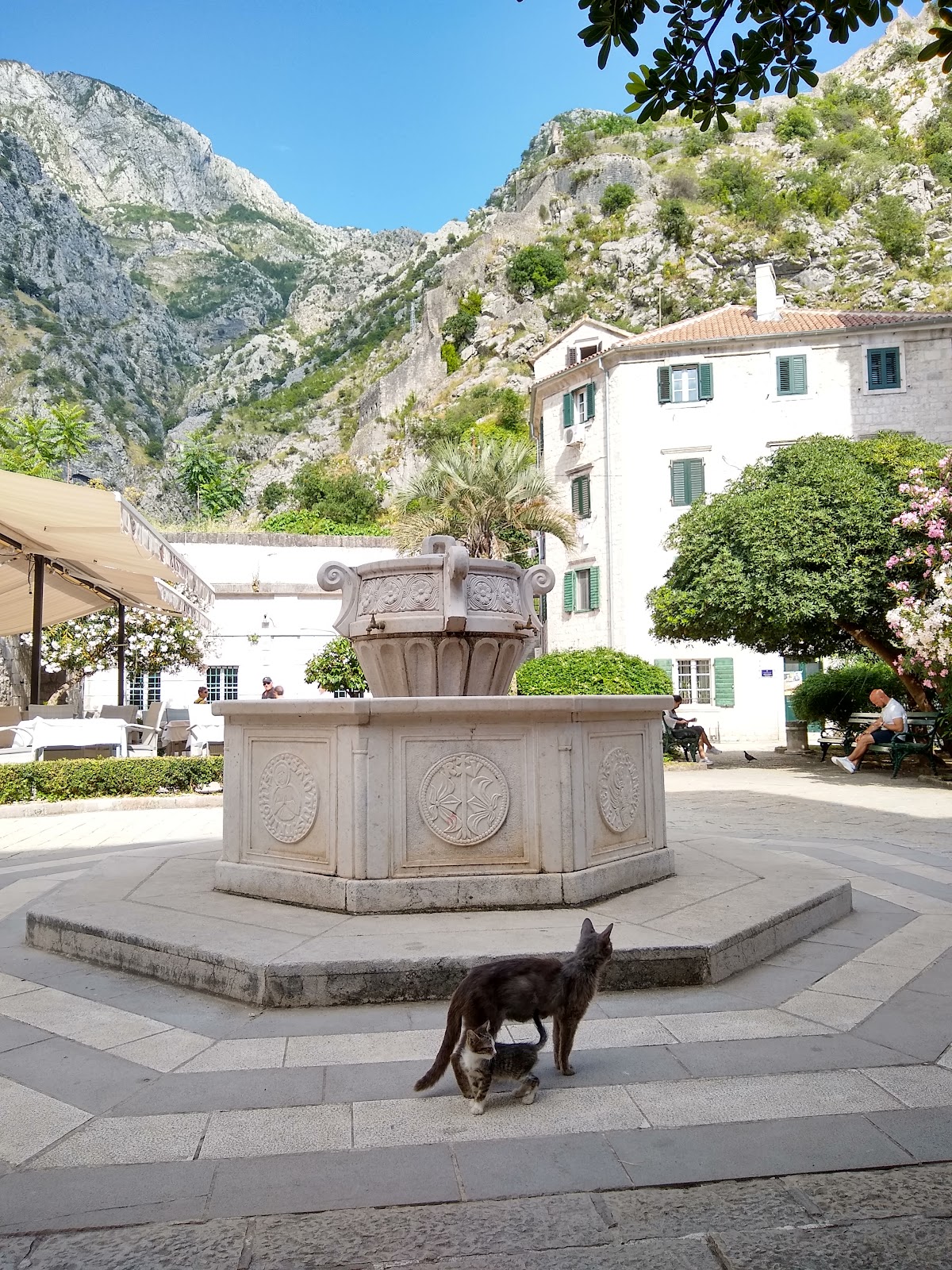


Like Dubrovnik, Kotor plays host to cruise ships.  But it's even smaller, so you really feel it when one is in town.  We spent one day in town without a ship in port and one day with.  I know which one I preferred! On the ship day we spent a decent chunk of the day a couple of kilometers up the road on the far side of the bay swimming.

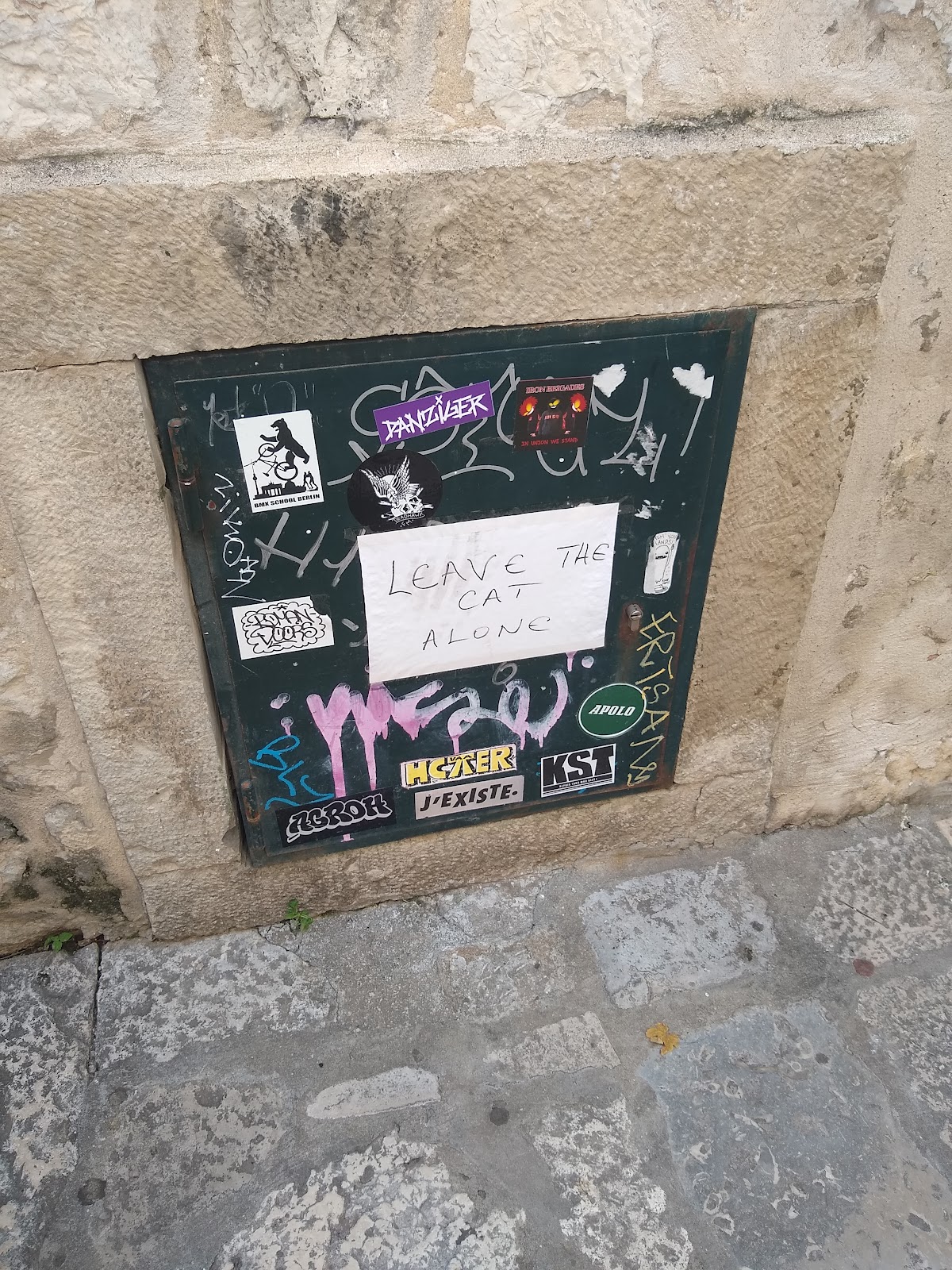
On the non-ship day we wandered around taking photos of the gorgeous old buildings and alleys, and hanging out in the squares with the kitties.  Kotor is famous for its cats, which are mostly pretty well fed and looked after by the town's residents. There was one tiny little kitten, however, who was having a very hard time of it.  The poor thing looked to be almost entirely blind and friendless. We spent a good couple of hours trying to give it cat food, then a saucer of milk, but it just didn't seem to want to eat. Eventually the cat that seemed to be its mom came back, drank the milk and paid it a bit of attention, grooming it a bit, but she wouldn't let it suckle her.  Still that was a positive sign. I'm just going to continue telling myself that the kitten is probably getting along okay now.


One thing we didn't do during our time in Kotor was the most obvious (and maybe most popular) thing to do in town: take the steep, twisting, turning, cobbles and stairs up the hillside behind town.  But this is because we were planning to head that way on our final morning. Indeed, it was how I planned to leave Kotor.  So we'll continue with that in the next entry.


Mostar and the Croatian Coast

If the bus ride from Beograd to Sarajevo had been pretty, the train trip from Sarajevo to Mostar was beautiful (mostly… Despite appearing from nothing out of a narrow gorge at its East end, modern Sarajevo does sprawl a fair bit to the west).

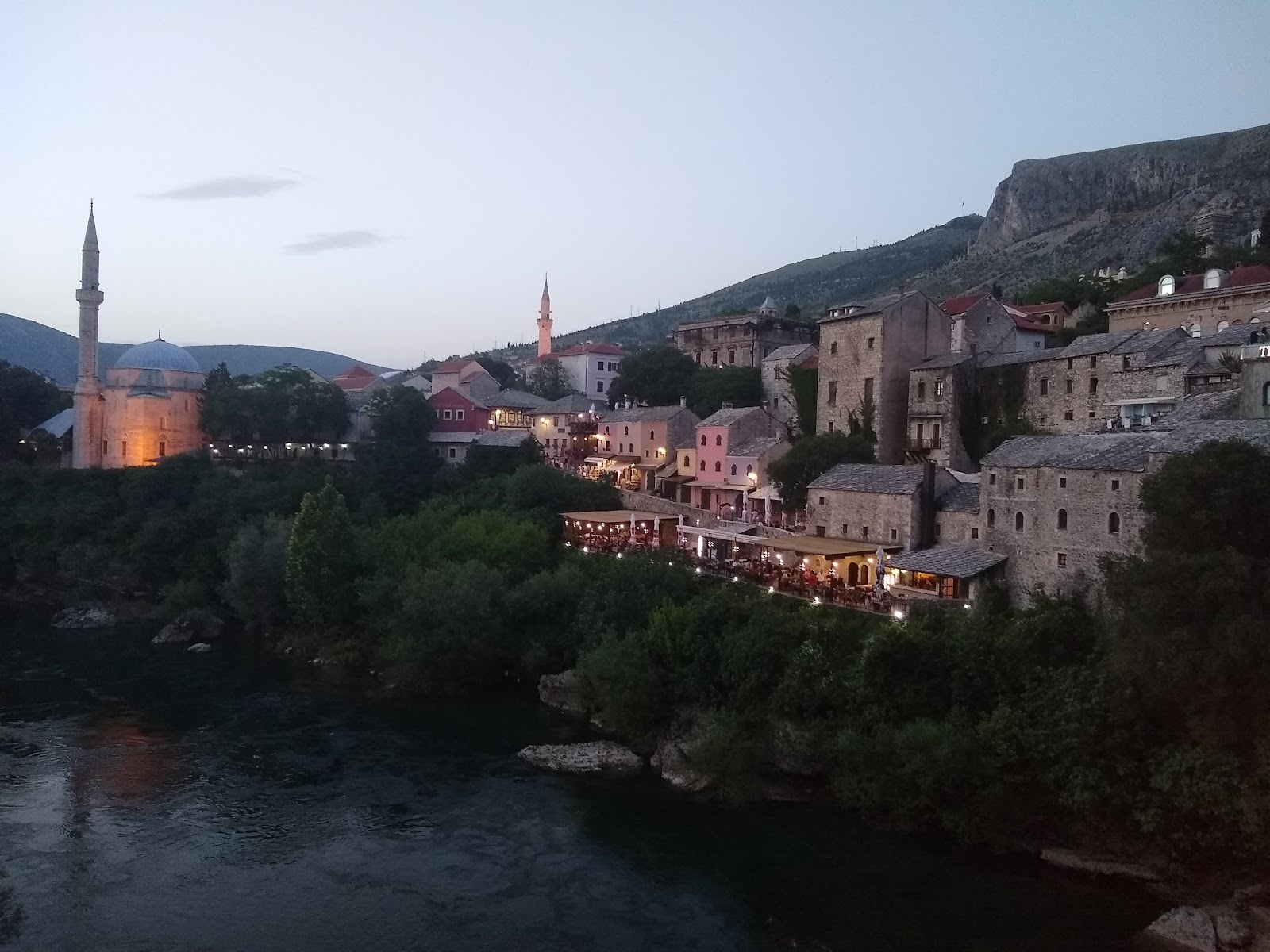
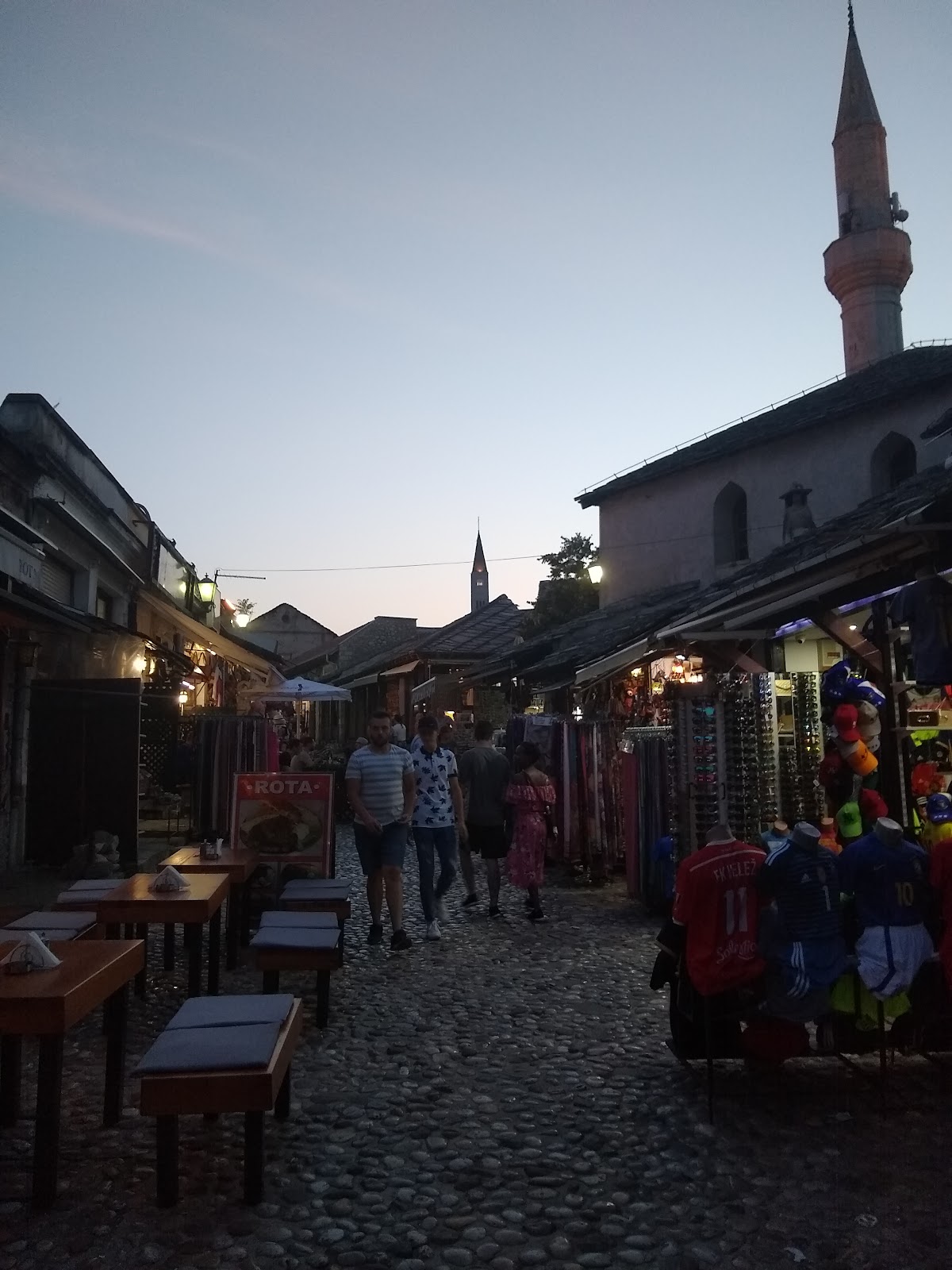
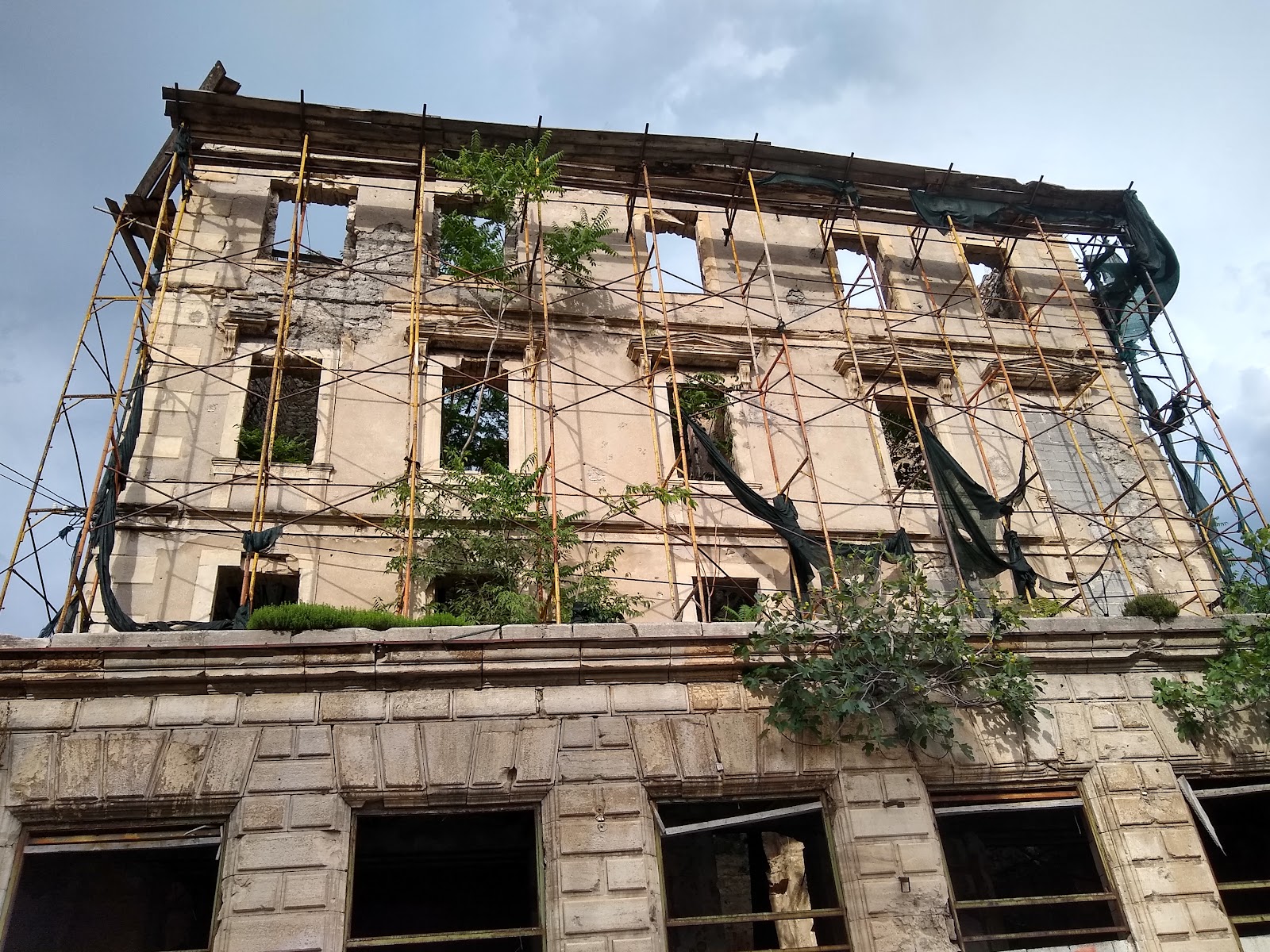
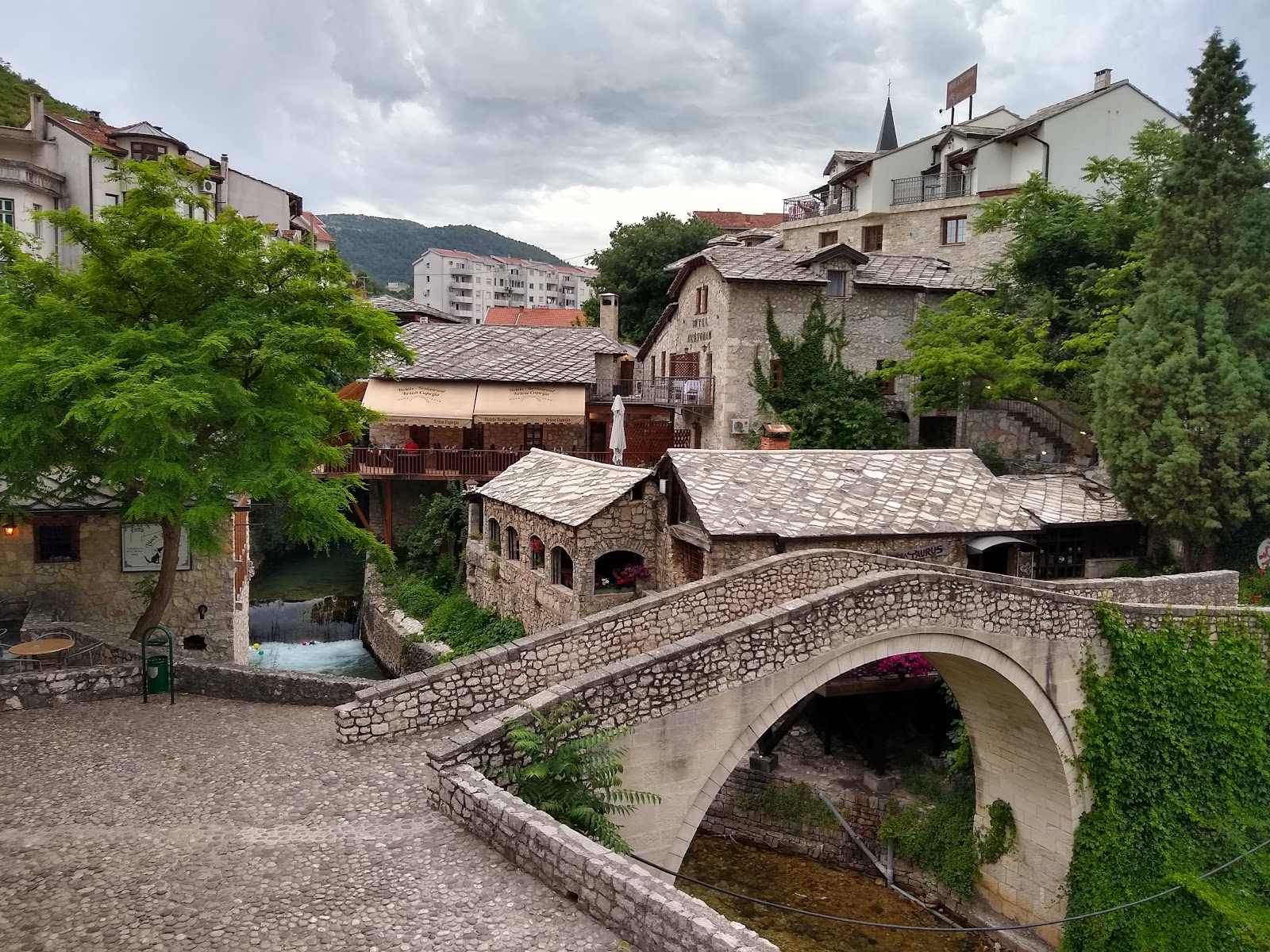
Mostar is absolutely gorgeous as well.  The "old town" and the Stari Most (old bridge) in particular are almost dreamy medieval wonders.  Except, of course, for the fact that they aren't medieval at all. I fact they're mostly less than 20 years old.  When the wars in the former Yugoslavia started, Mostar was one of the most highly mixed communities. Which, of course, meant that it had the most potential foes living in close quarters and making claims on the same place.  So it experienced some of the heaviest fighting of all, and the old town and its glorious old Ottoman bridge were destroyed.

Since the end of the war, however, the city has been rebuilt and the tourism industry has boomed.  It's close enough to Sarajevo and (more importantly) the cruise ship ports on the Adriatic coast, that it's an easy trip for large numbers of visitors to those places.  I'm curious to know how the properties were allocated when they were rebuilt and who bore the cost for the rebuilding, as the ones right near the Stari Most are now humming with tourist activity and probably worth a fair chunk.


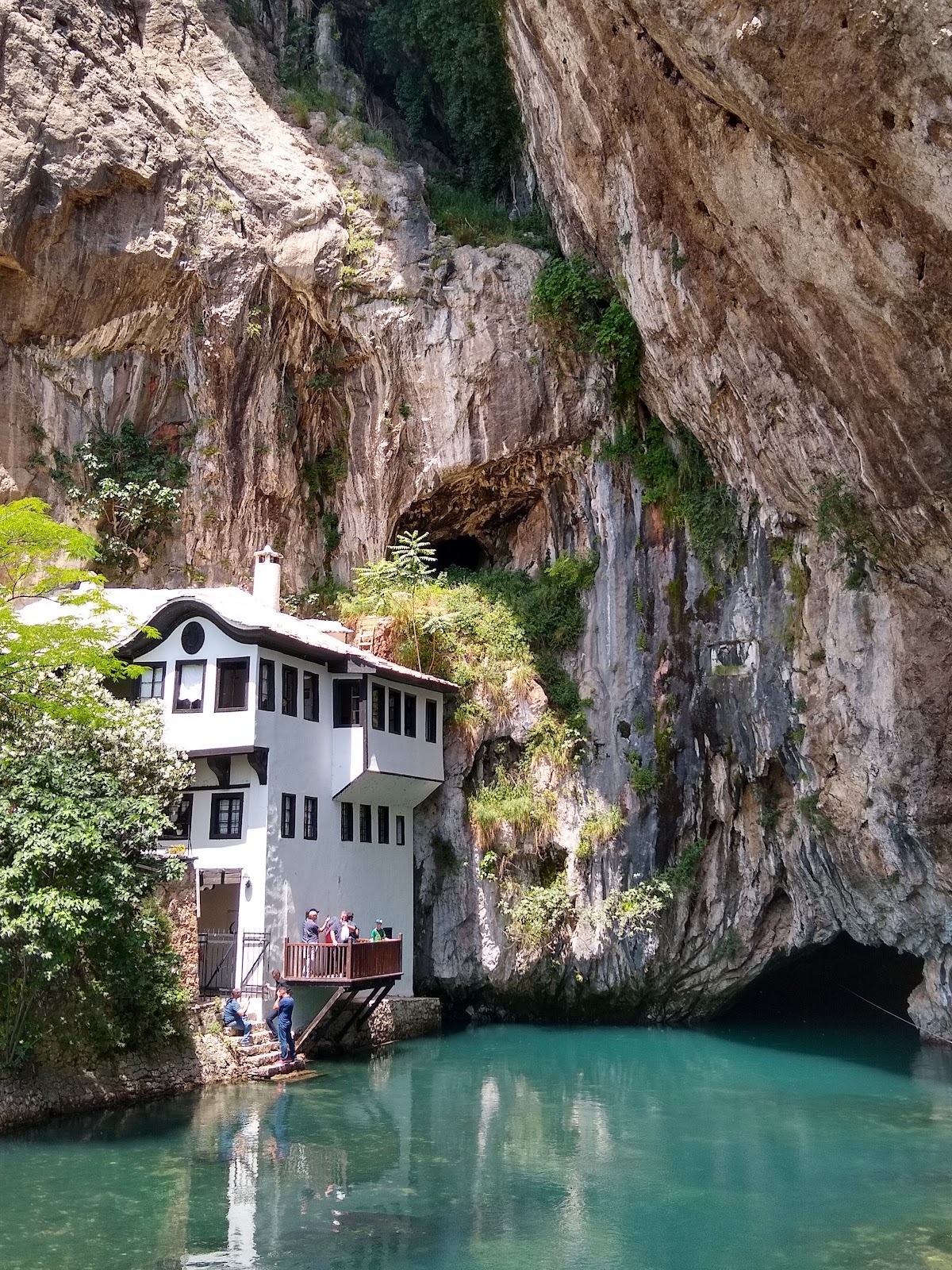
While in Mostar we took a day trip out to Blagaj.  The main attraction there was the Teke, a sort of a Hermitage/monastery for Sufi mystics.  It's sited at the base of a cliff right beside the cave mouth where the brilliant blue Buna river comes pouring out of the mountains.


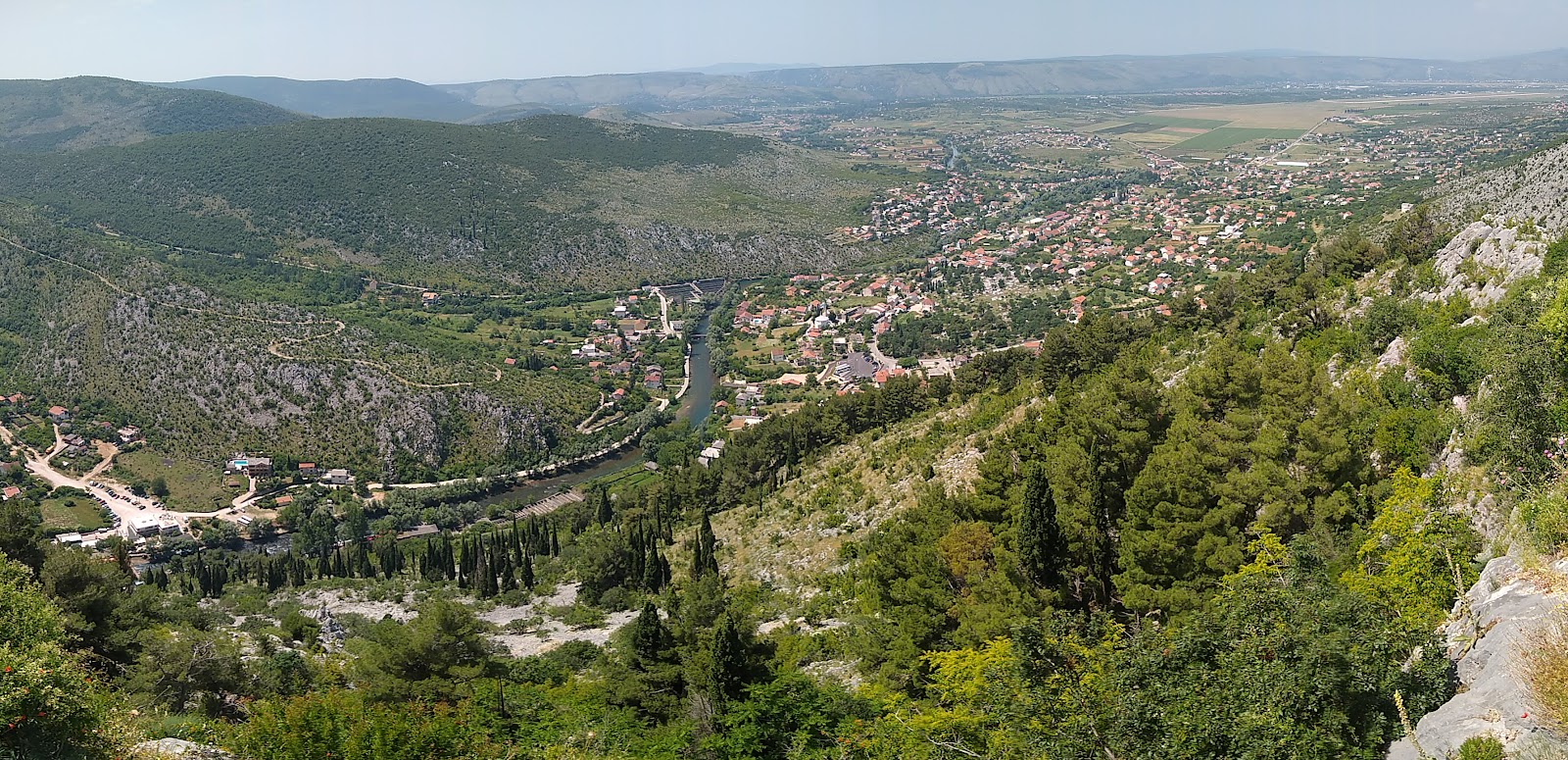
The Teke was pleasant enough, and even just sitting near the river was enough to cool you down in the very hot early summer afternoon.  But I think the very best part of Blagaj was Duke Stephen's Castle high, high above the river. Somehow we'd forgotten to bring sunscreen so Sarah didn't get to climb up with me.

It wasn't quite Krak des Chevaliers, but the castle, and especially the views from it, were pretty amazing.  And save for two people who I saw on the trail back down as I neared the top, there wasn't another soul there.


A few other Mostar memories:
The town seemed to be in the middle of a garbage strike or something.
The old town was full of ice cream shops selling very good gelato for 2 Lei (about 78 cents).  
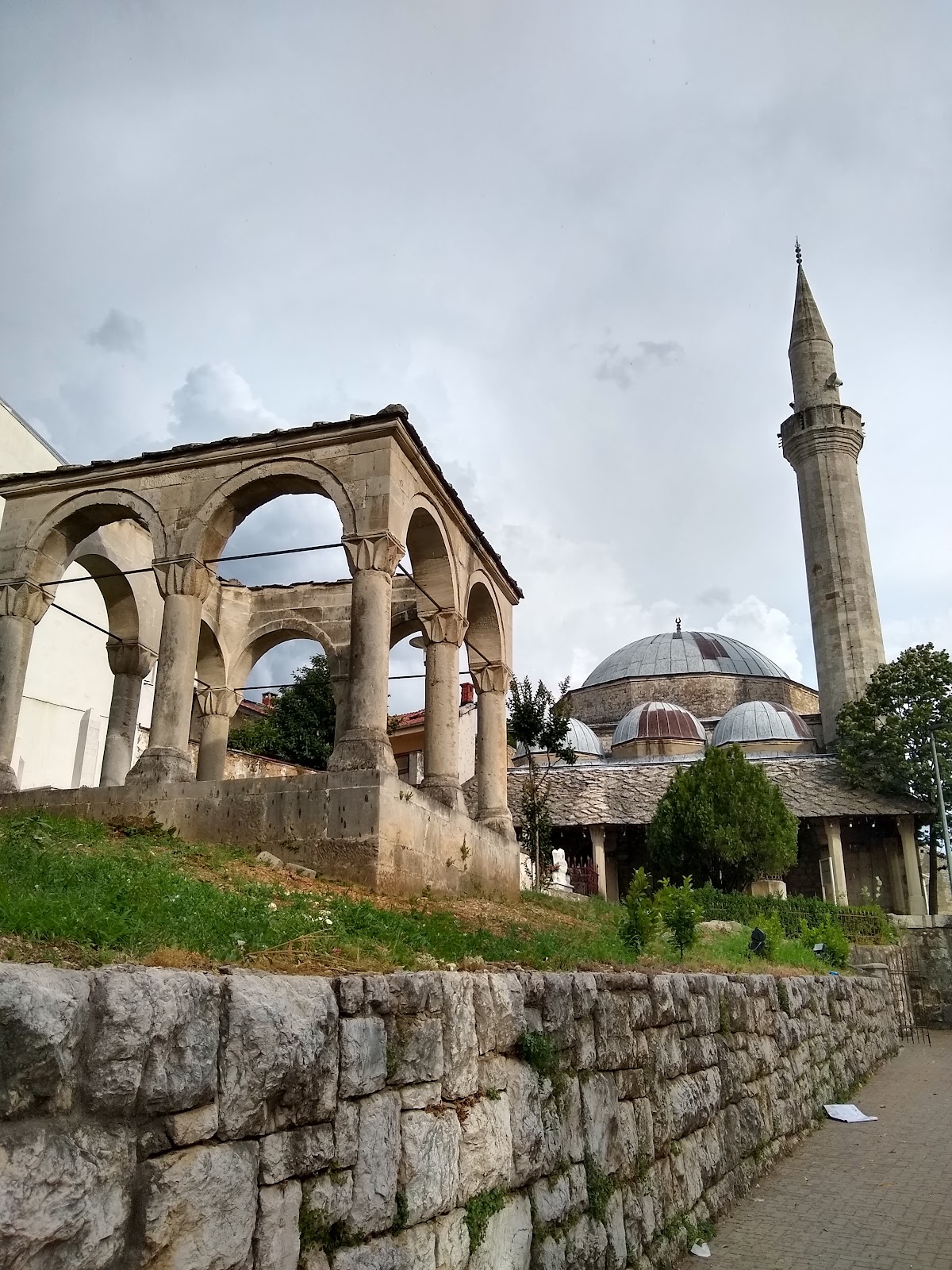
We had a really wonderful meal in a courtyard restaurant next to the Bey Karađoz Mosque.  I officially declare Bosnia to be the winner in the grilled cylinders of spiced meat (called variously Cevapcici, Mici, Cevapi, in most of the Balkans) competition.


The bus ride down to the coast from Mostar was okay, but when it hit the estuary of the Neretva River, surrounded by steep, Rocky coastal mountains, it was gorgeous.  We took the fastest route down to the coast, through the river valley. This meant that we crossed the border into Croatia just before we got to the sea. At this point every male under 30, and quite a few of the women too, were taken off the bus for thorough inspection of their luggage.  After we finally got past the border, we crossed BACK into Bosnia at Neum, the small arm of land that cuts the southernmost bit of Croatia off from the rest and gives Bosnia access to the Adriatic. Then back into Croatia again. Then finally, about four hours after leaving, we finished the 170km (76km as the crow flies) journey to Dubrovnik.

We'd been hesitant about visiting Dubrovnik in summer, as it's reputation as a morass of inescapable tourist hordes long preceded it.  We'd been considering bypassing it entirely, heading straight from Mostar to Montenegro.

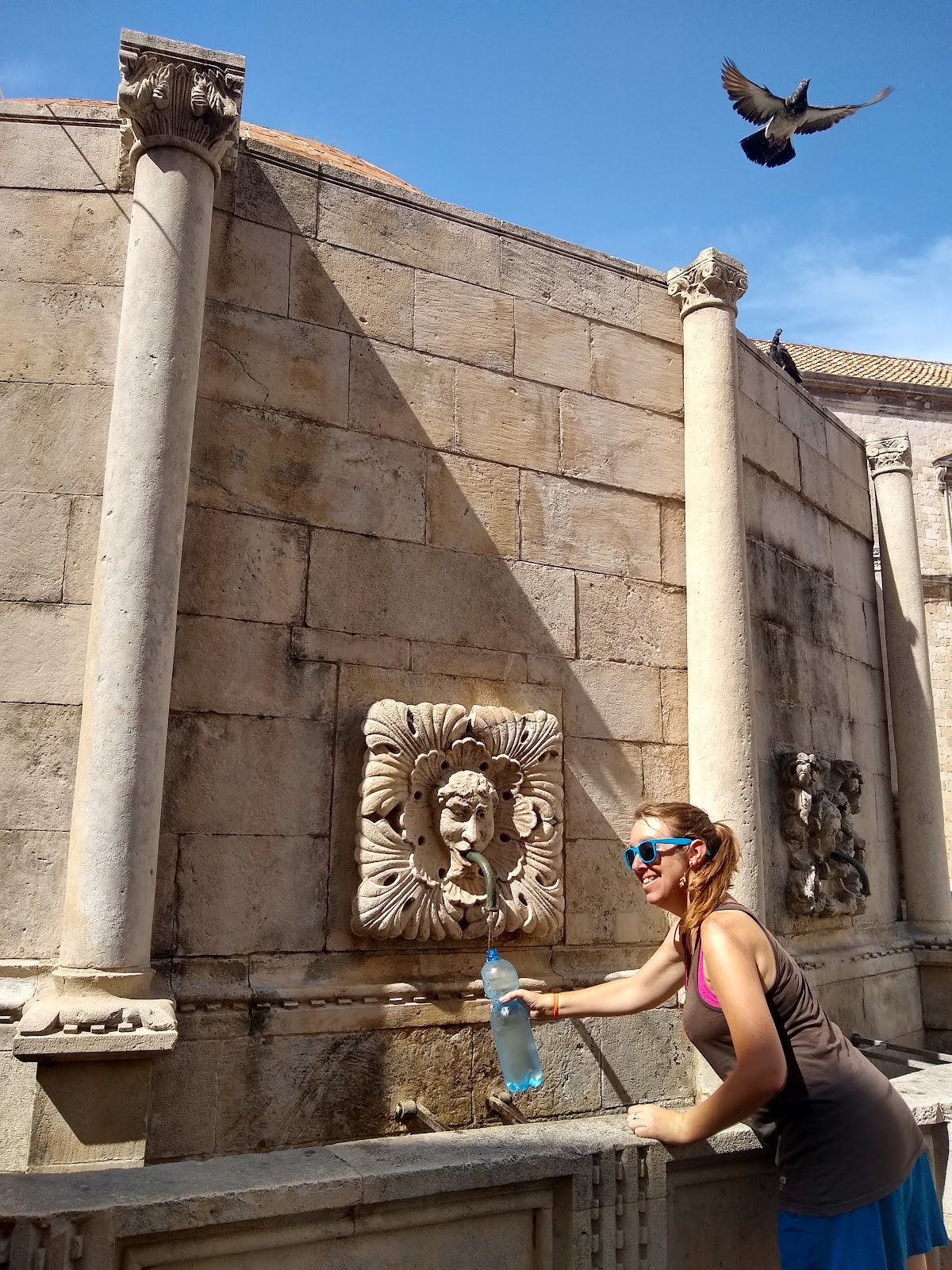
In the end we decided to pop in for an afternoon in Dubrovnik along the way.  We left our backpacks at the bus station's left luggage office, caught the city bus to the old town and had a good explore.

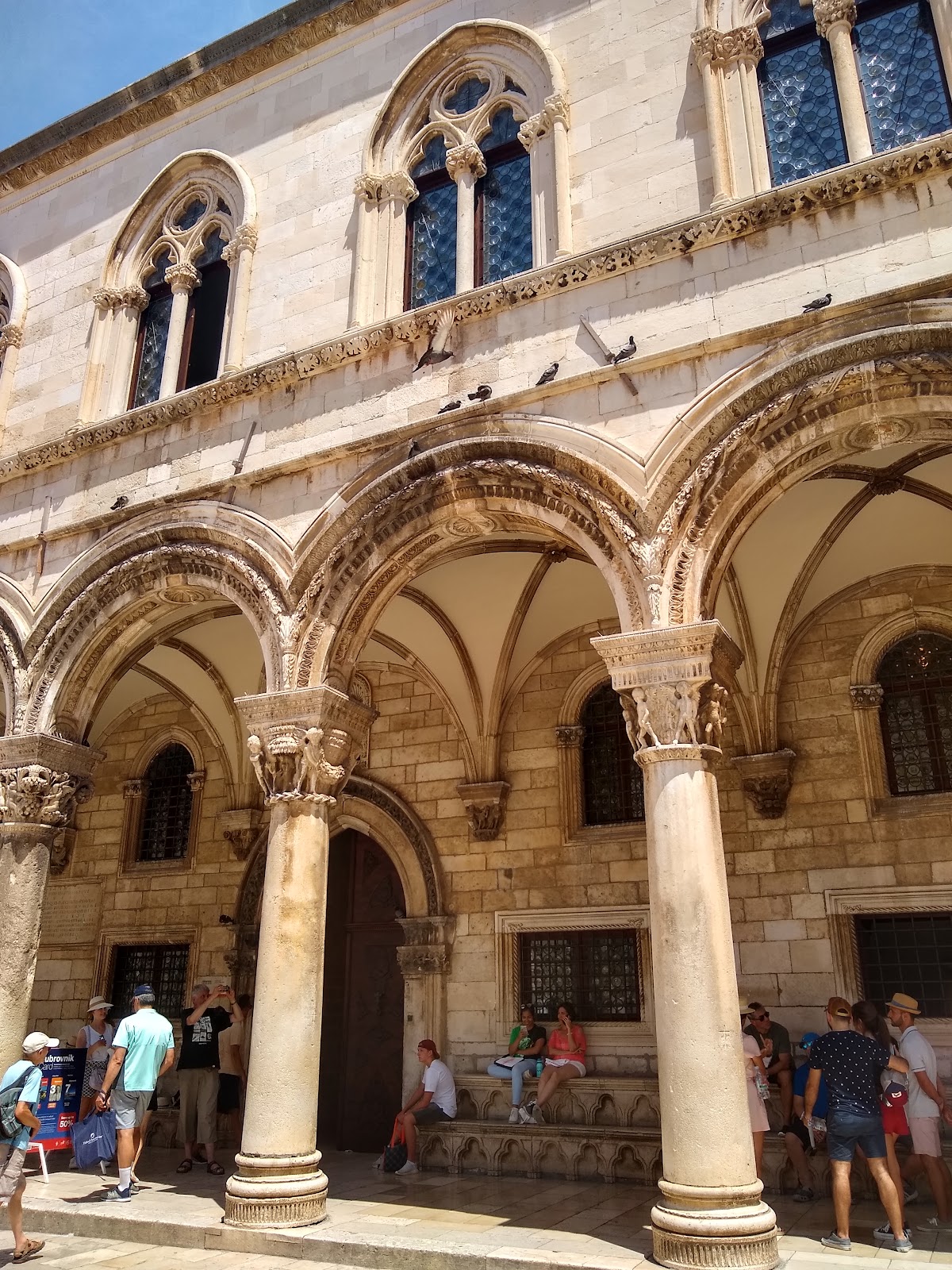
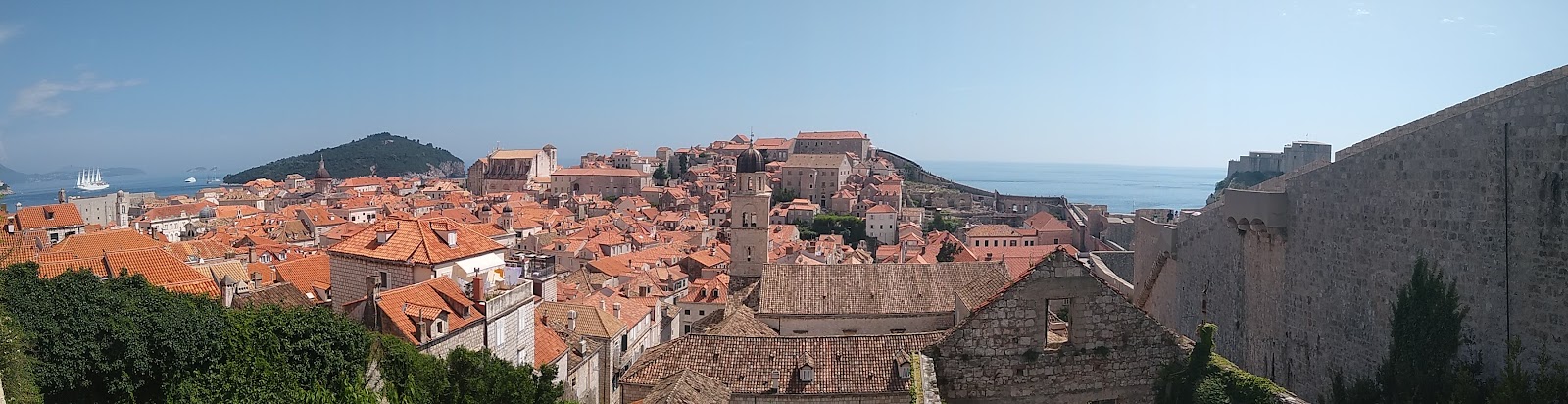
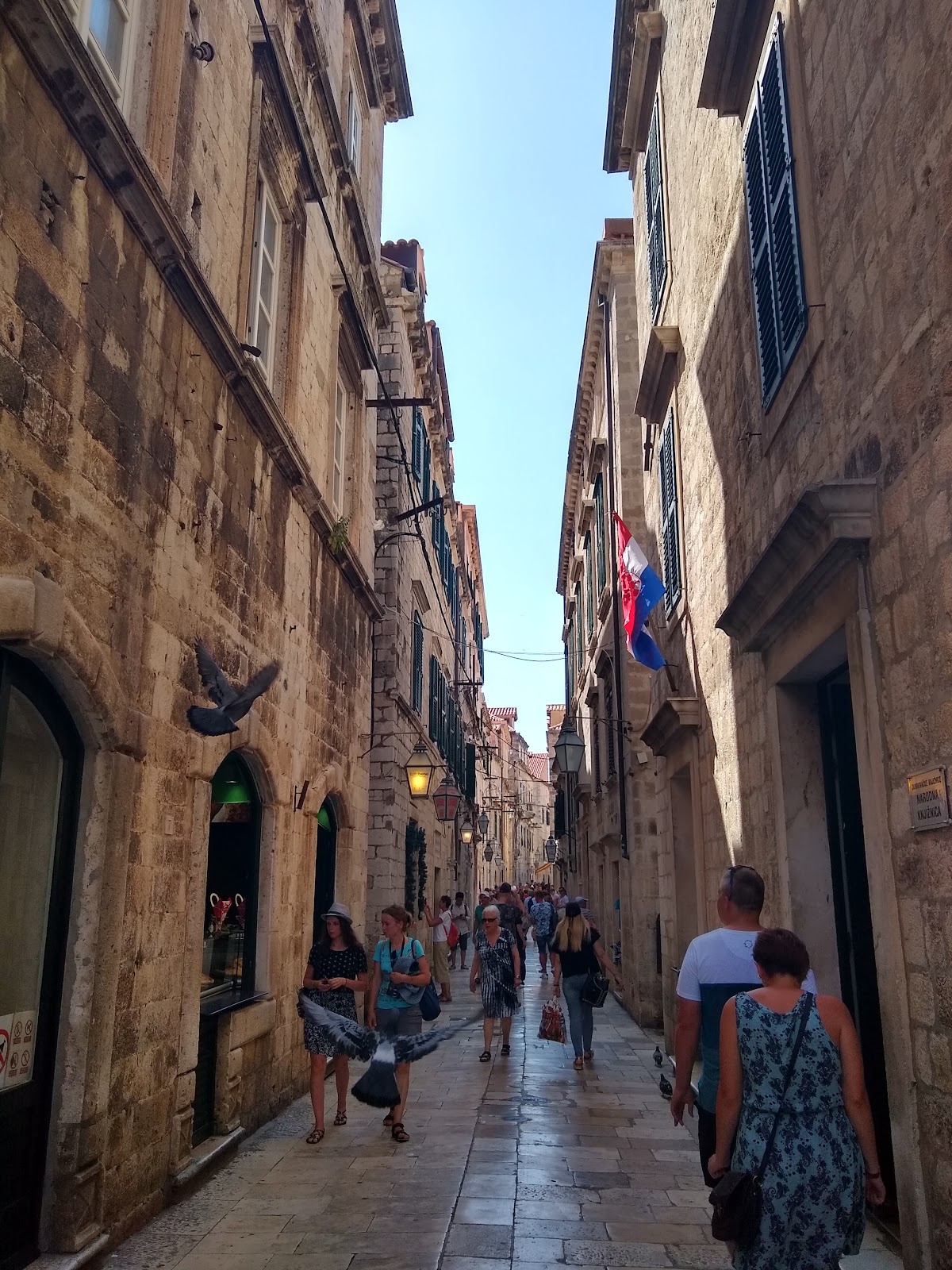
I'm happy we decided not to stay in (very pricey) Dubrovnik, but also very happy we visited.  The walled city, maybe 500m on a side, backed by towering grey mountains, really is beautiful.  And while there were lots of fellow tourists there in mid June, it hadn't yet reached the dizzying heights of busyness it would in a month or so.  In fact, I reckon the main drag of old Dubronik wasn't much busier than Lambton Quay in Wellington on a day when there's a big cruise ship in town.

I was also surprised to discover that in a few areas (mainly to the extreme north and south, right near the city walls) old Dubrovnik still contains quite a few residential buildings occupied by Croatian families.  You could even, if you waited a few minutes for the right moment, get photos of many parts of Dubrovnik with no other tourists in them!


While we were meandering around town, listening to guides doing Game of Thrones tours in much the same way that tour guides in NZ do Lord of the Rings tours, we ran into our friend Amy, her daughter Ngaia and her brother Justin.

This wasn't completely a surprise, as we'd learned a week or so previously that they'd be on holiday in Cavtat (pronounced Sav-tat), just down the coast from Dubrovnik.  Indeed, their presence was one of the things that had sealed the plan to stop on the area. But it was still very fun to just stumble across them in a Piazza in (what I think must surely be) the most visited city in Eastern Europe.  Ngaia needed a bit of a sleep, so we made plans to meet them all for dinner in Cavtat where (not at all coincidentally) Sarah and I would be spending the night too.

Dubrovnik and Cavtat are separated by just about 10km of water, but the road climbs high, high up the marine mountains and has spectacular views all up and down the coast  before descending again.

We met our mates for dinner at a restaurant on the Cavtat shore.  This was (I think?) our one seafood meal on the Adriatic. Shrimp pasta with a creamy, garlicky sauce was yummy.  We took a chance with our other dish, an octopus burger. Fortunately it was astonishingly good! Big hunks of tentacle, not soft but not rubbery, curled around one another in the bun.


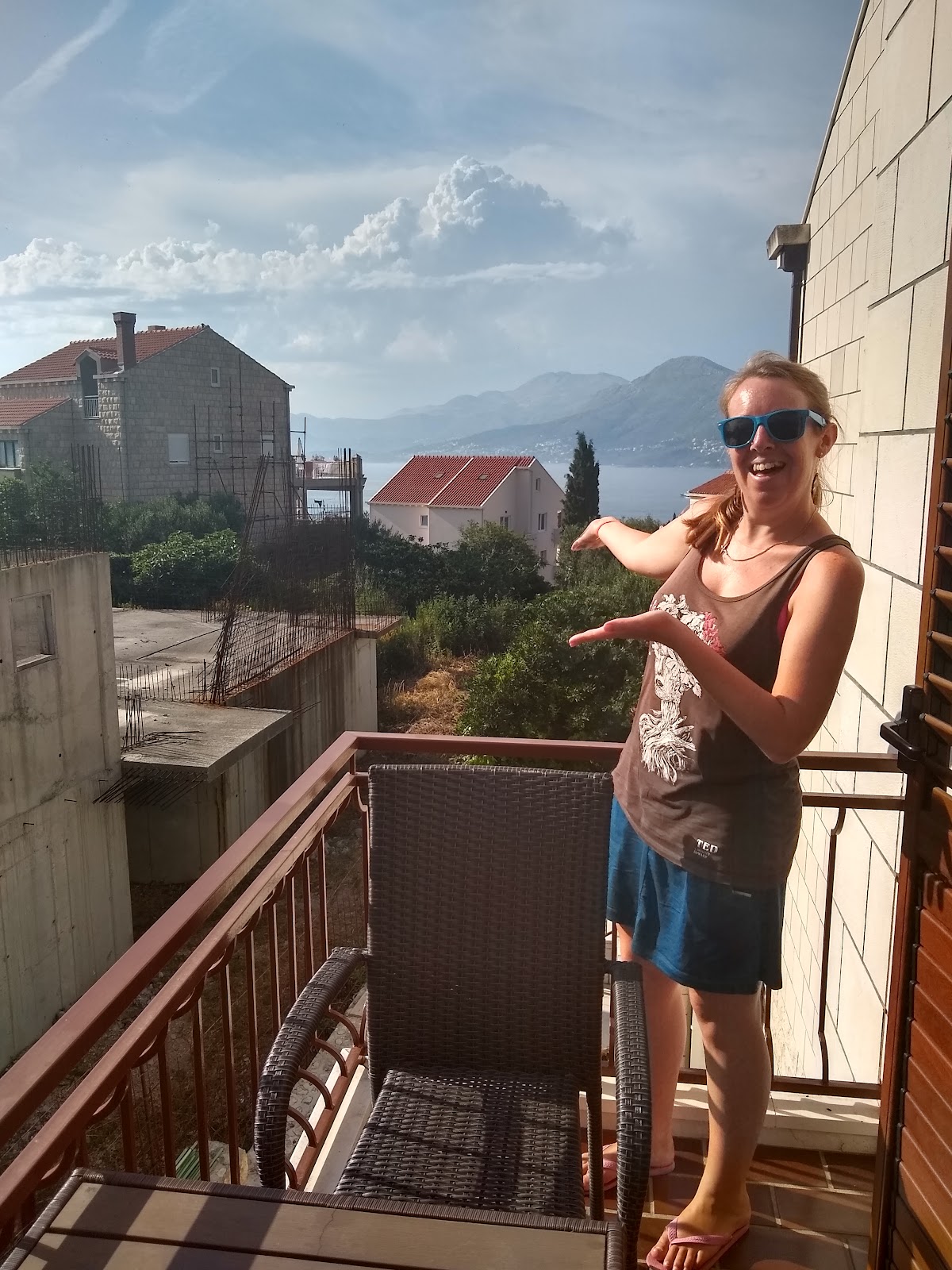
Sunset came and went during dinner and afterwards we decamped to the apartment Amy had rented for their holiday.  We sat out on the balcony after Ngaia had gone to sleep, til after midnight drinking more Croatian wine (probably more like western European style than any other we'd had, including the fact that the cheap ones were sometimes better than the pricier). When the wine ran out we had a few beers as well.  And throughout, of course lots of talk and laughter. Amy lives in China (we'd last caught up with her in Beijing in April 2018) so some of it was about that. And about life with her (still relatively new) daughter. And lots about each of our travels in Europe.  


Despite the fact that we'd just said goodbye to Steven it was just a joy to spend a joyous, cheerful evening with familiar friends (as well as the lovely Justin, who we were meeting for the first time).  Hopefully we'll see Amy and Ngaia again (who knows where?!) before too much longer.

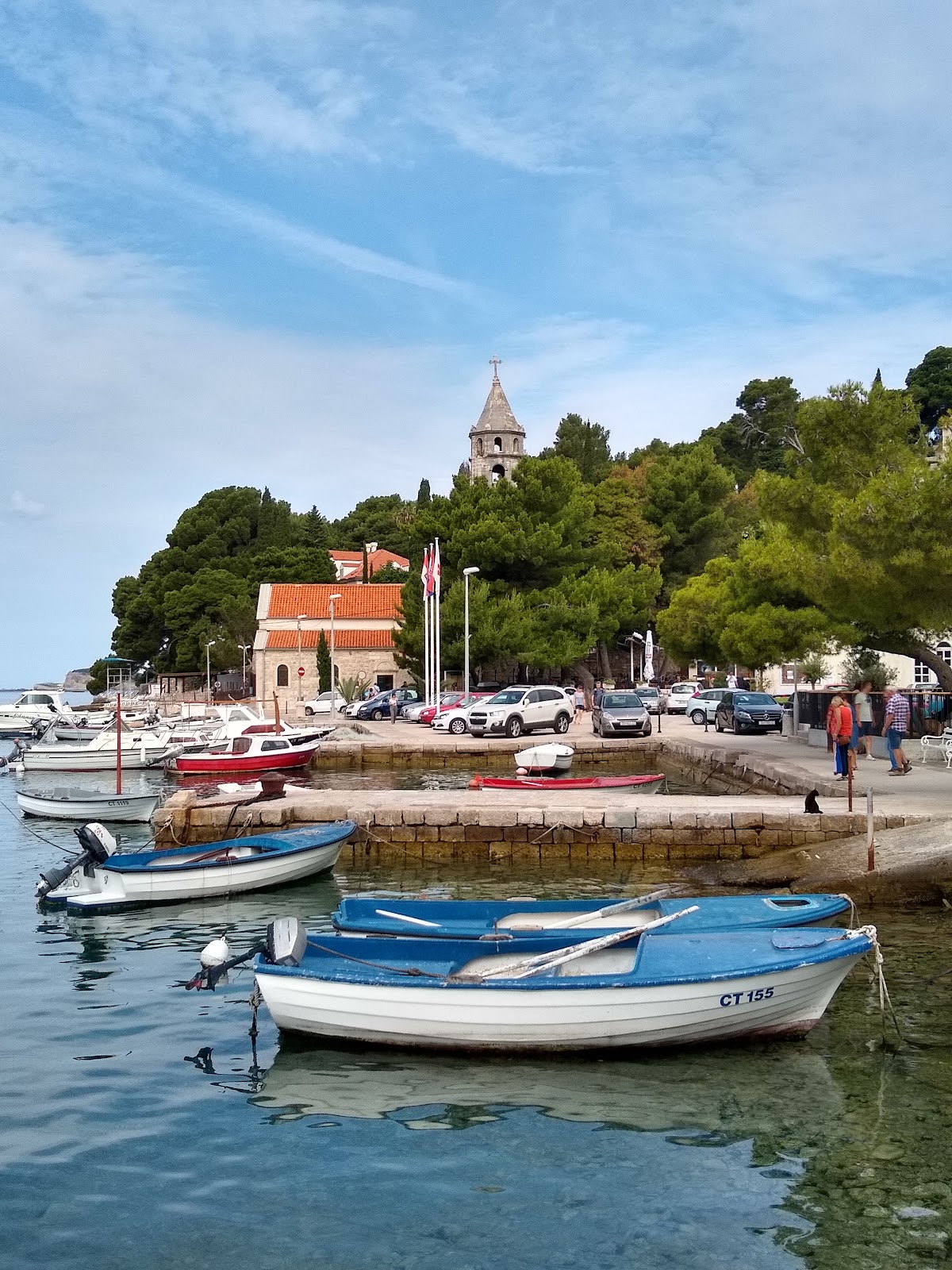
Before departing Cavtat the following morning we had just enough time to have a wee explore.  Though seen by many as an alternative base for visiting Dubrovnik, it's pretty pleasant in its own right.  We were staying in one of the many (many) modern apartments up the hill looking down over the bay. Down in the lower town, the old village sits on a hilltop peninsula.
And down in the harbour are private sailboats, motor launches shuttling visitors back and forth to Dubrovnik and… A watetpolo pool (can you call it a pool of it's just a set of ropes and nets in the ocean?  If not, what do you call it?)

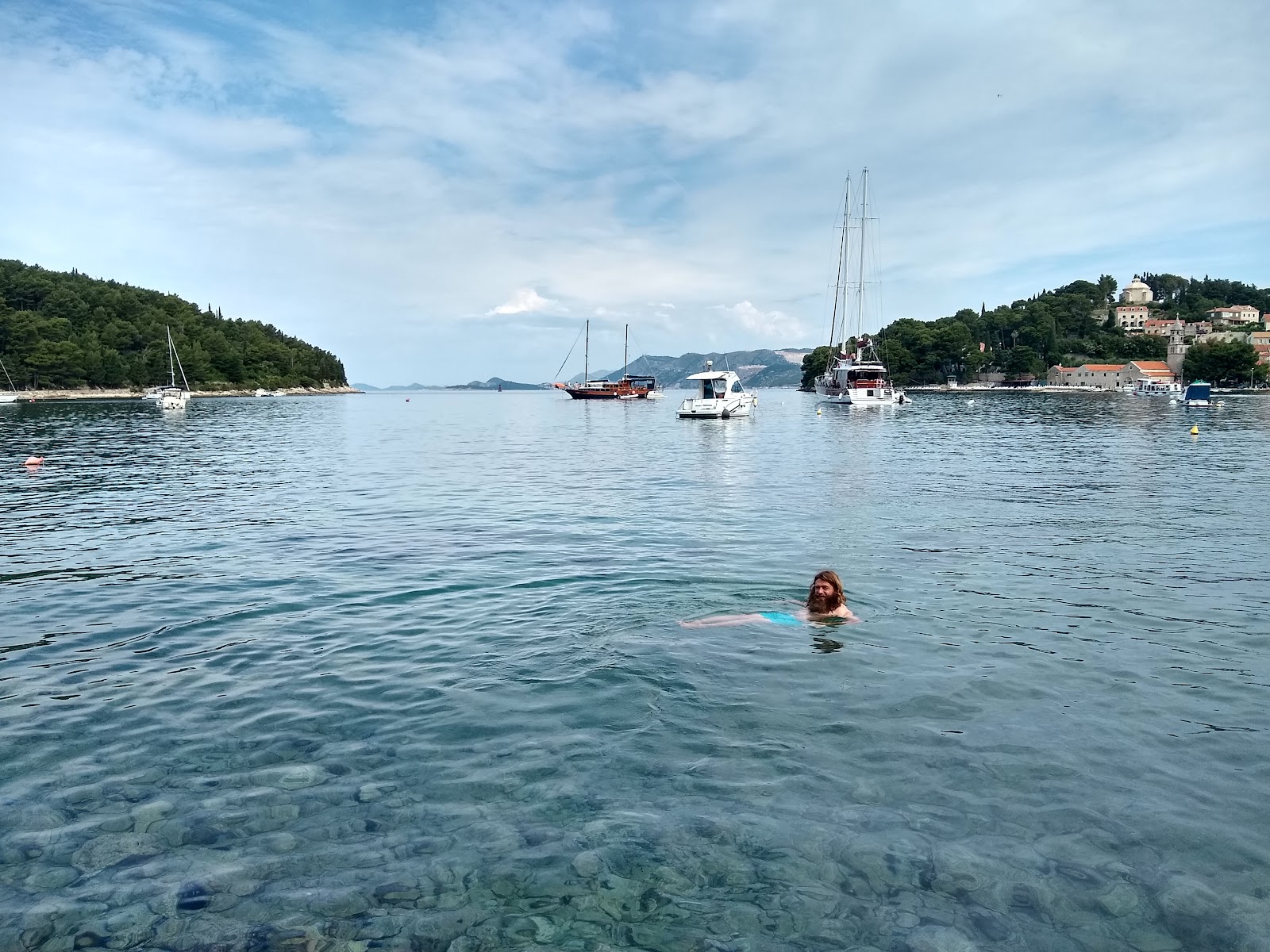
Sarah and I each went for a swim in the crystal clear water of the harbour across from the pool, carefully avoiding the areas with sea urchins/kina.  We showered off, then headed back up the hill to prepare for out day's travel.