Showing posts with label Bosnia and Herzegovina. Show all posts

Sunday, 1 September 2019

Mostar and the Croatian Coast

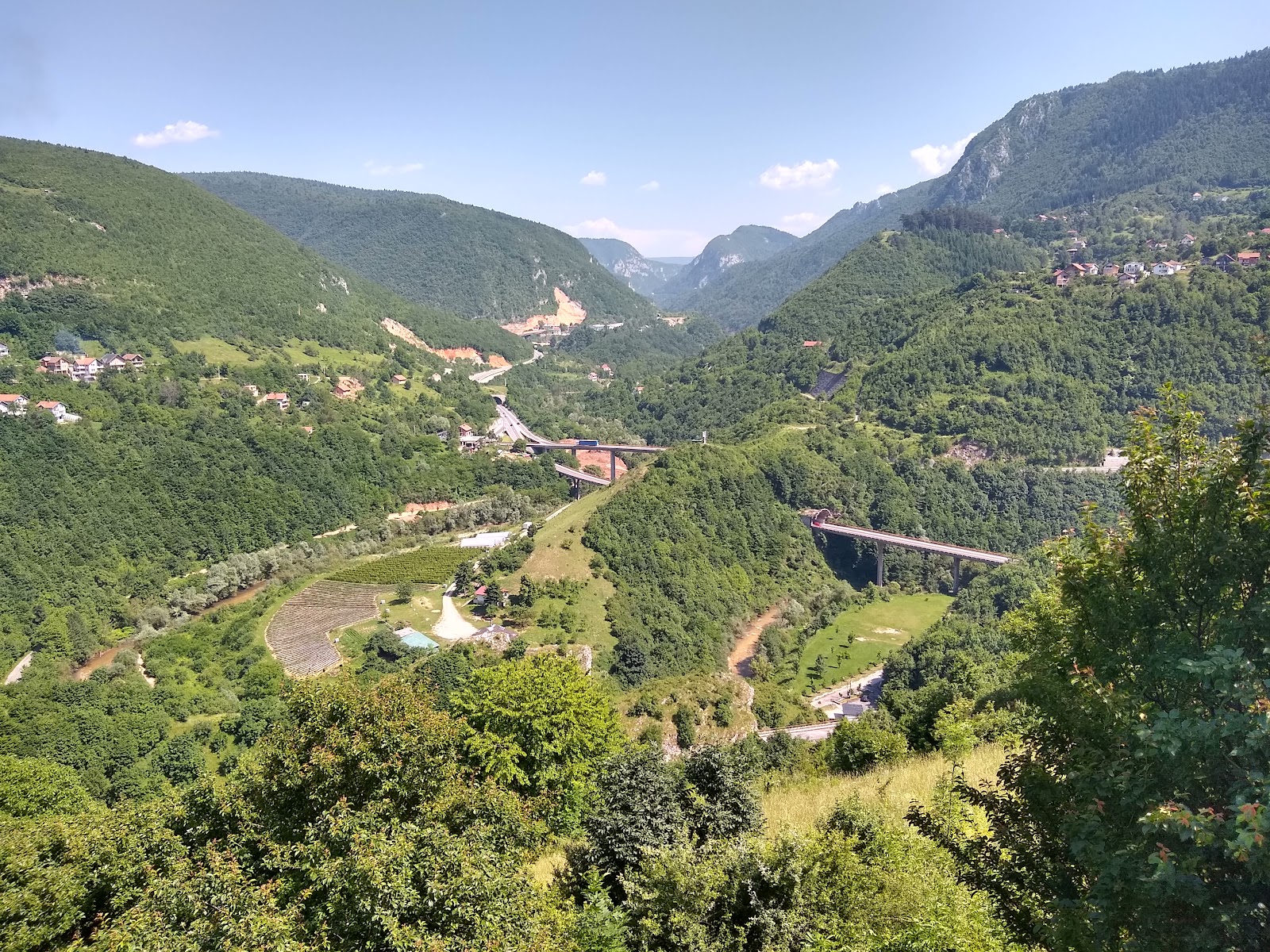
If the bus ride from Beograd to Sarajevo had been pretty, the train trip from Sarajevo to Mostar was beautiful (mostly… Despite appearing from nothing out of a narrow gorge at its East end, modern Sarajevo does sprawl a fair bit to the west).

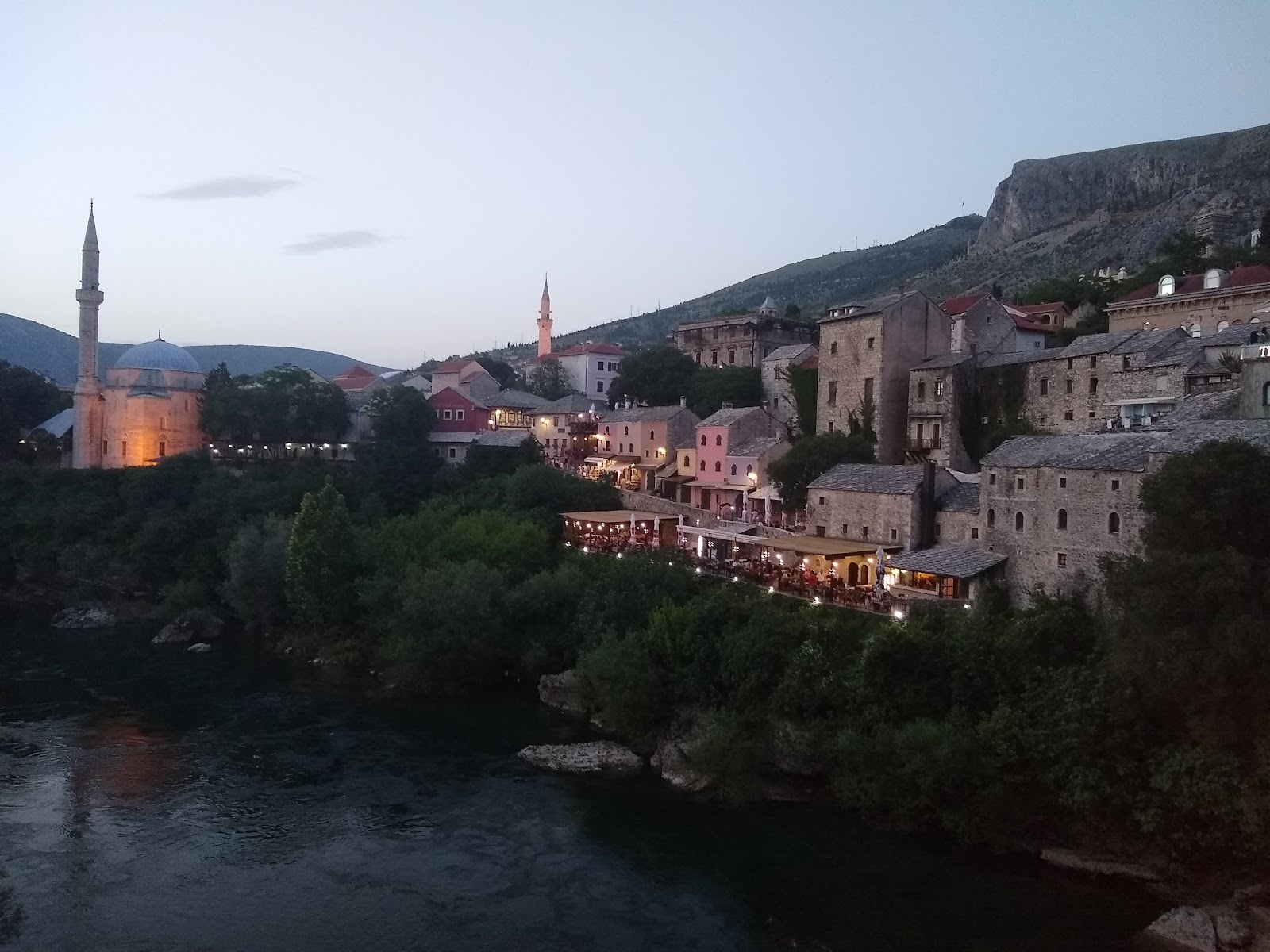
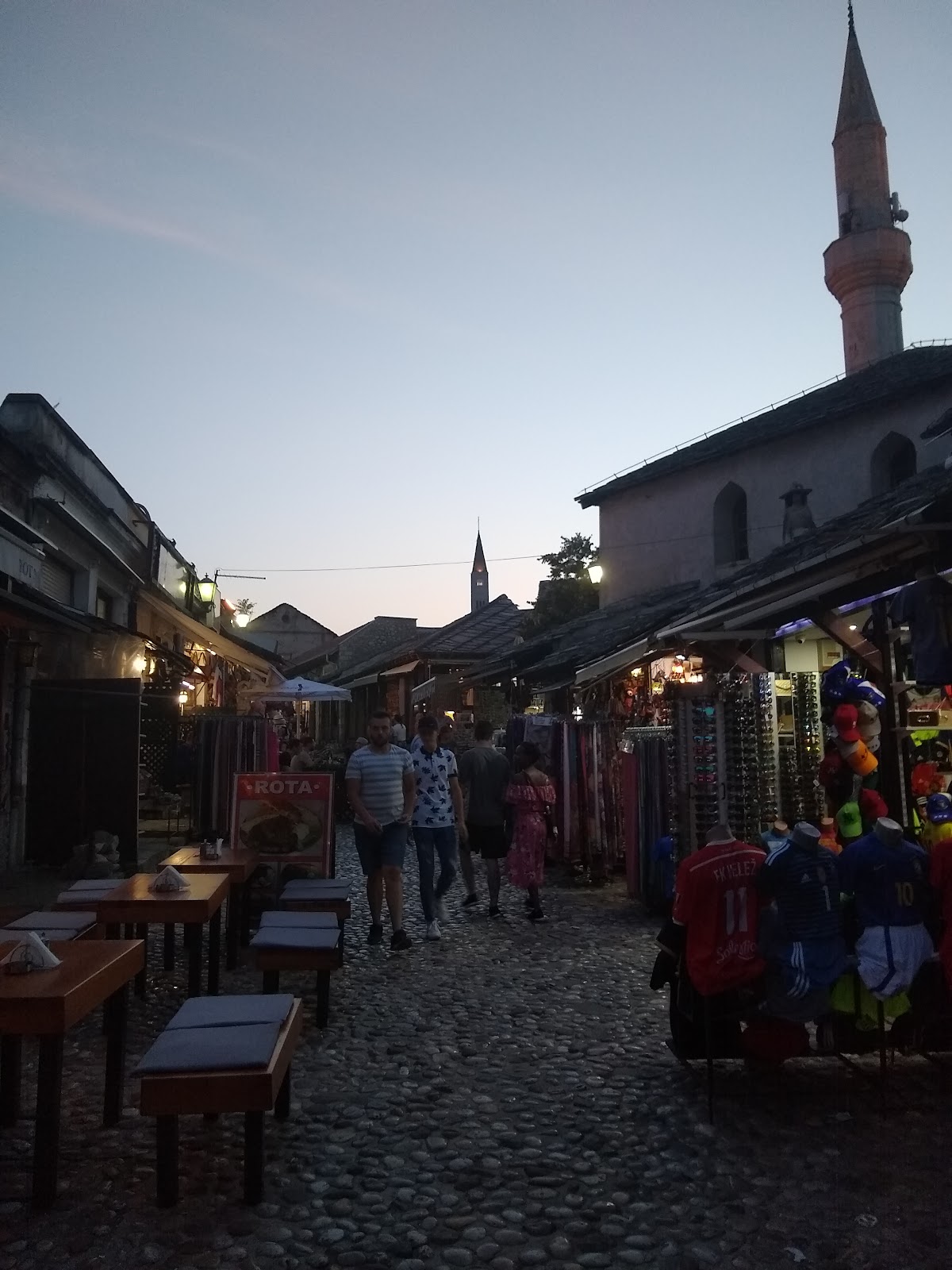
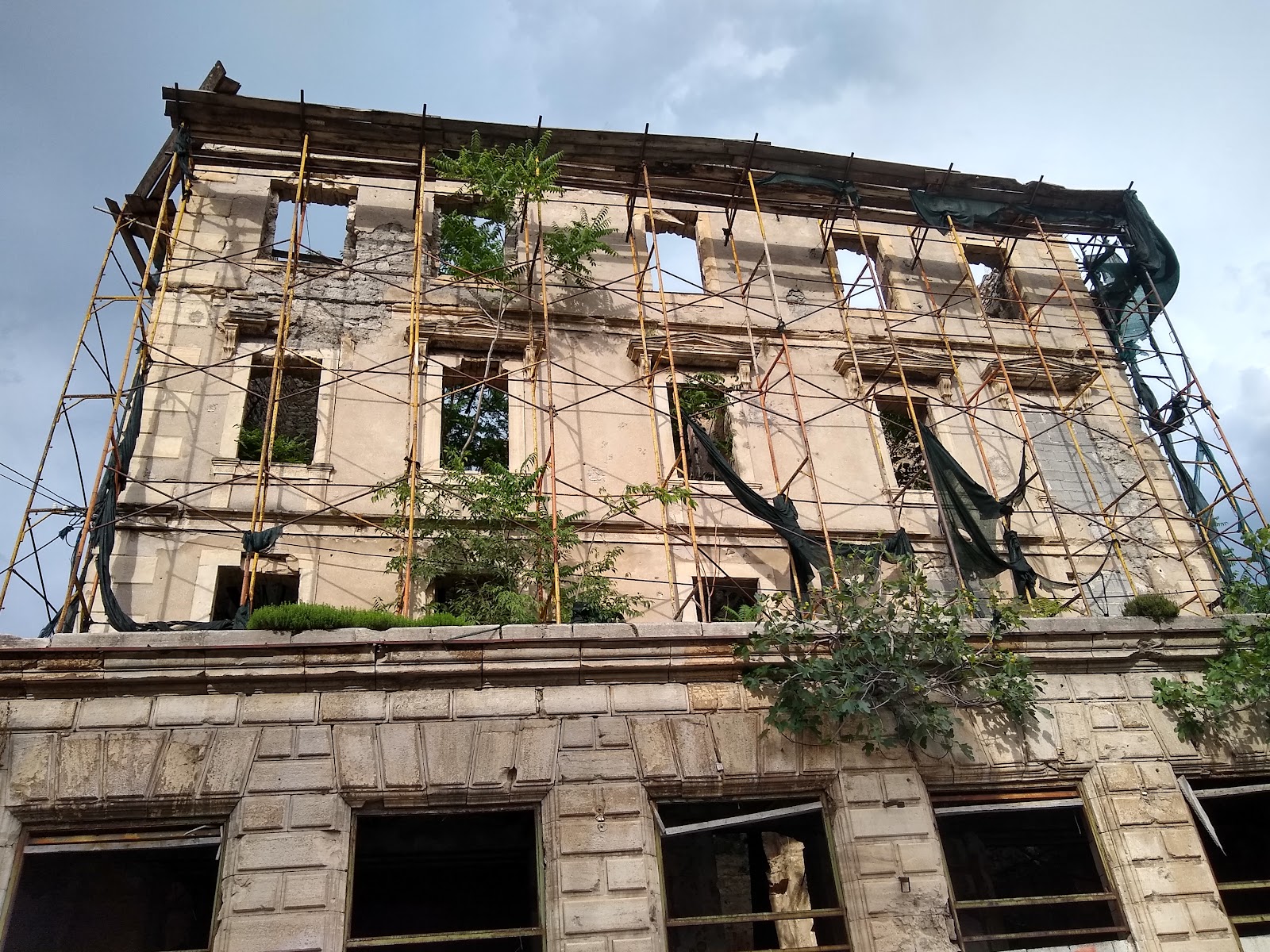
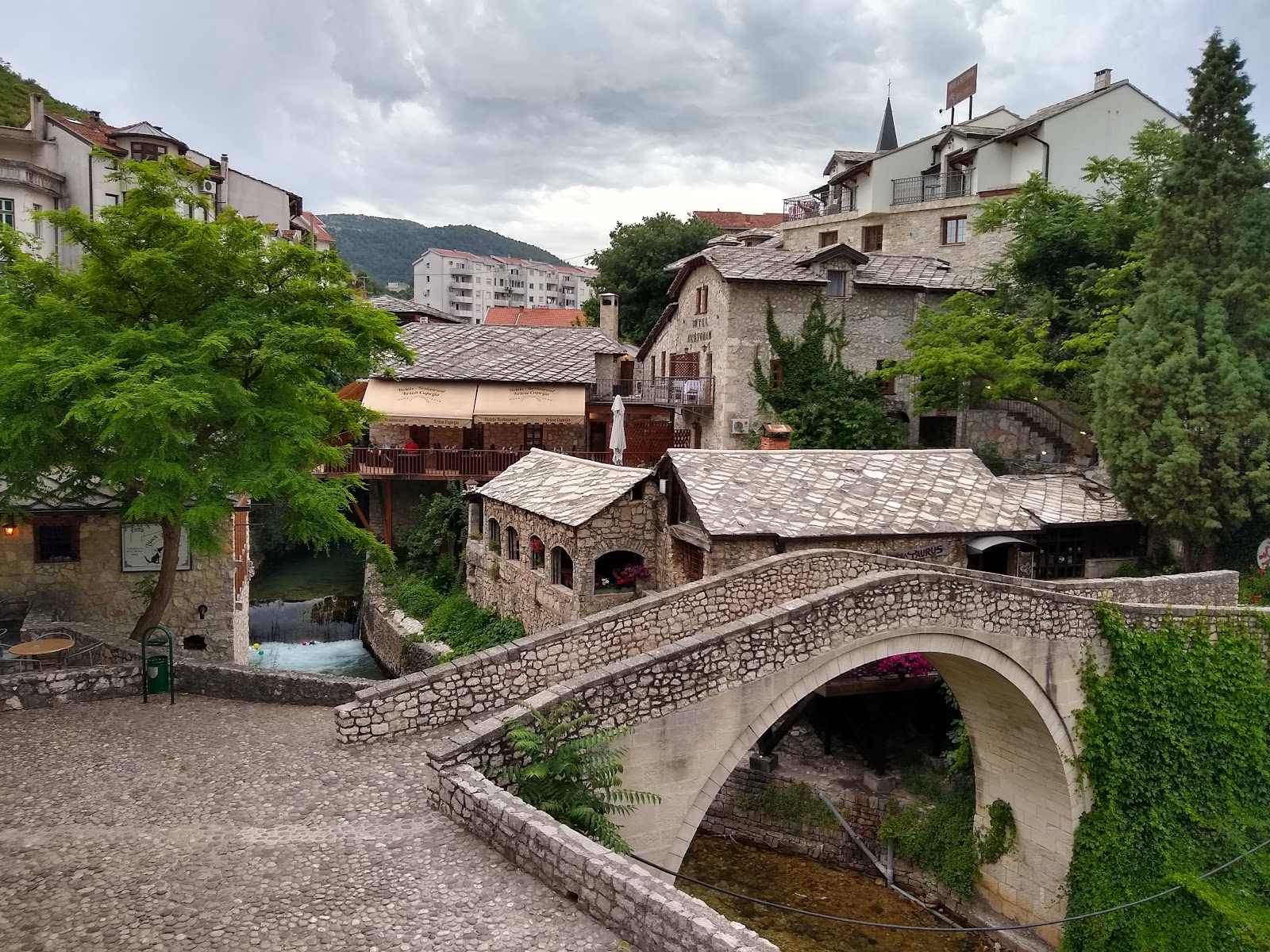
Mostar is absolutely gorgeous as well.  The "old town" and the Stari Most (old bridge) in particular are almost dreamy medieval wonders.  Except, of course, for the fact that they aren't medieval at all. I fact they're mostly less than 20 years old.  When the wars in the former Yugoslavia started, Mostar was one of the most highly mixed communities. Which, of course, meant that it had the most potential foes living in close quarters and making claims on the same place.  So it experienced some of the heaviest fighting of all, and the old town and its glorious old Ottoman bridge were destroyed.

Since the end of the war, however, the city has been rebuilt and the tourism industry has boomed.  It's close enough to Sarajevo and (more importantly) the cruise ship ports on the Adriatic coast, that it's an easy trip for large numbers of visitors to those places.  I'm curious to know how the properties were allocated when they were rebuilt and who bore the cost for the rebuilding, as the ones right near the Stari Most are now humming with tourist activity and probably worth a fair chunk.


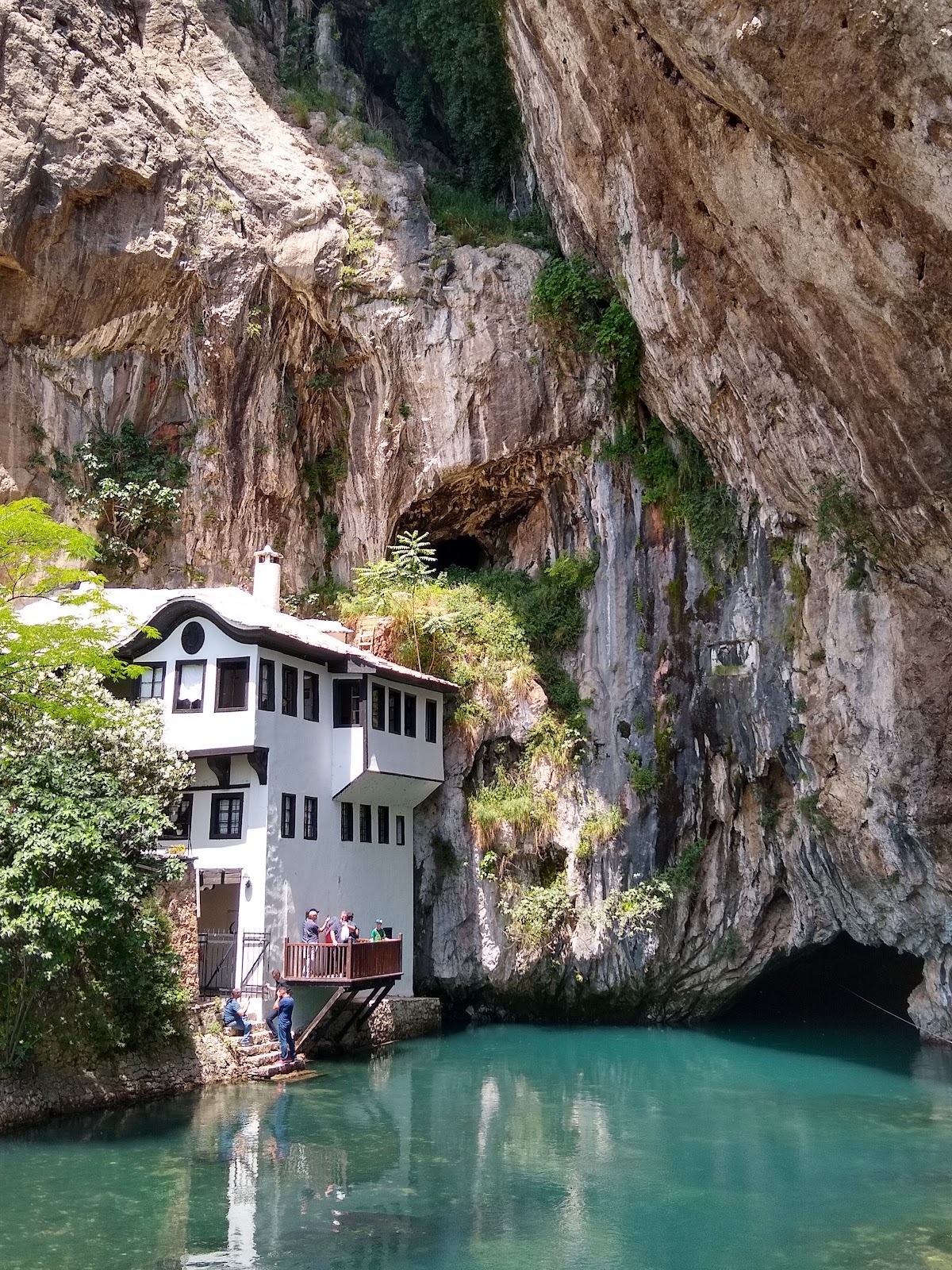
While in Mostar we took a day trip out to Blagaj.  The main attraction there was the Teke, a sort of a Hermitage/monastery for Sufi mystics.  It's sited at the base of a cliff right beside the cave mouth where the brilliant blue Buna river comes pouring out of the mountains.
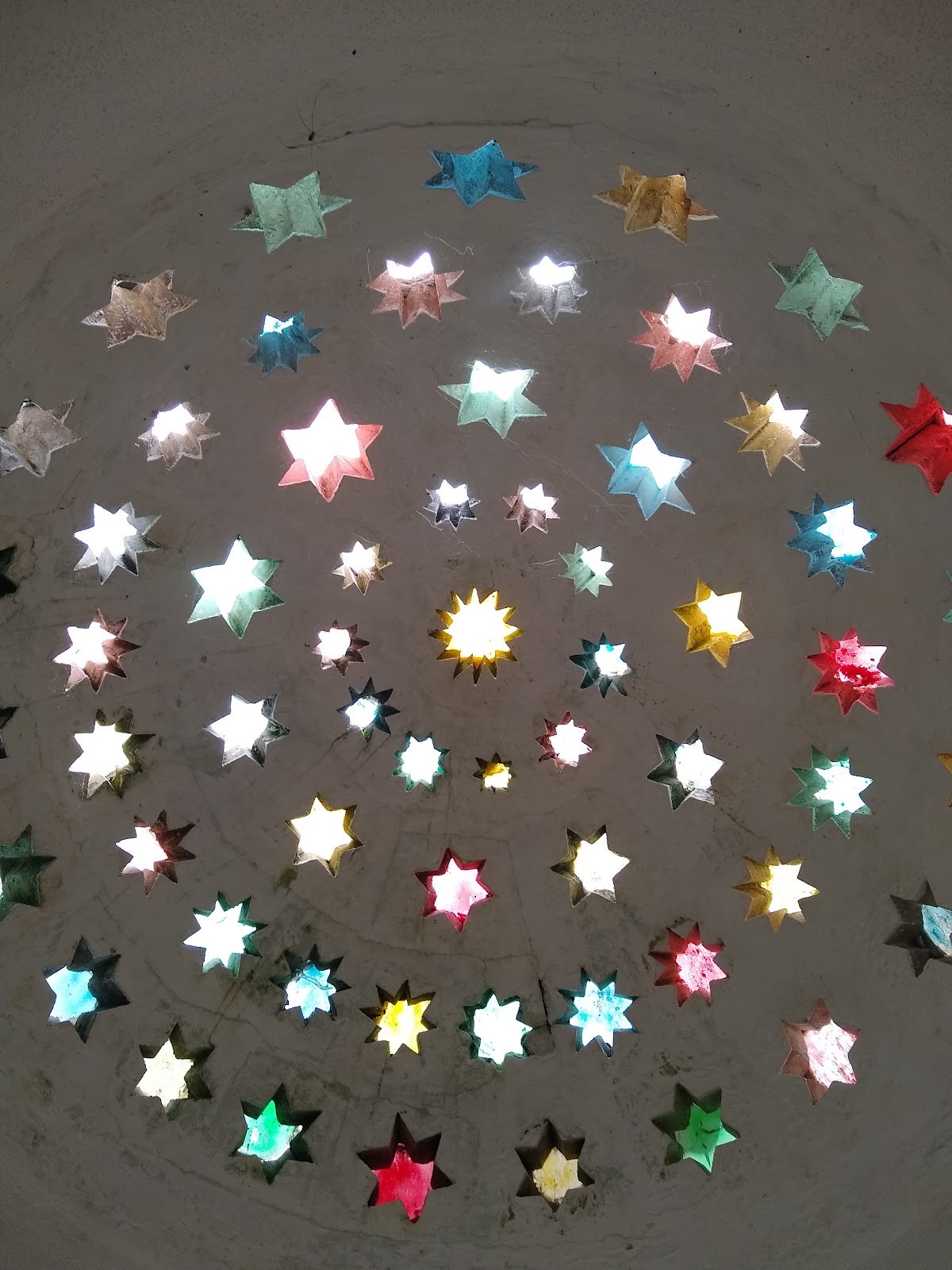

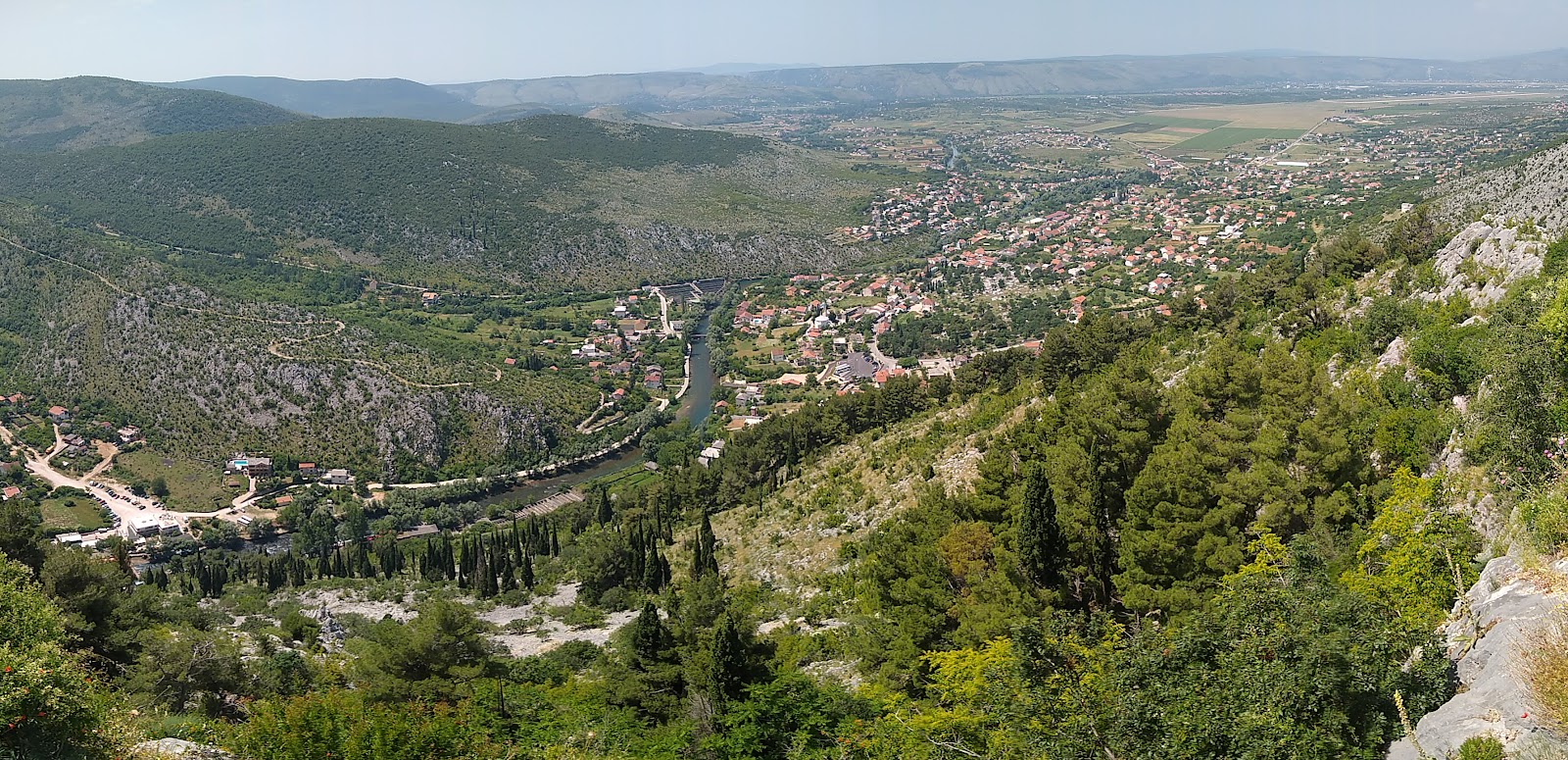
The Teke was pleasant enough, and even just sitting near the river was enough to cool you down in the very hot early summer afternoon.  But I think the very best part of Blagaj was Duke Stephen's Castle high, high above the river. Somehow we'd forgotten to bring sunscreen so Sarah didn't get to climb up with me.

It wasn't quite Krak des Chevaliers, but the castle, and especially the views from it, were pretty amazing.  And save for two people who I saw on the trail back down as I neared the top, there wasn't another soul there.


A few other Mostar memories:
The town seemed to be in the middle of a garbage strike or something.
The old town was full of ice cream shops selling very good gelato for 2 Lei (about 78 cents).  
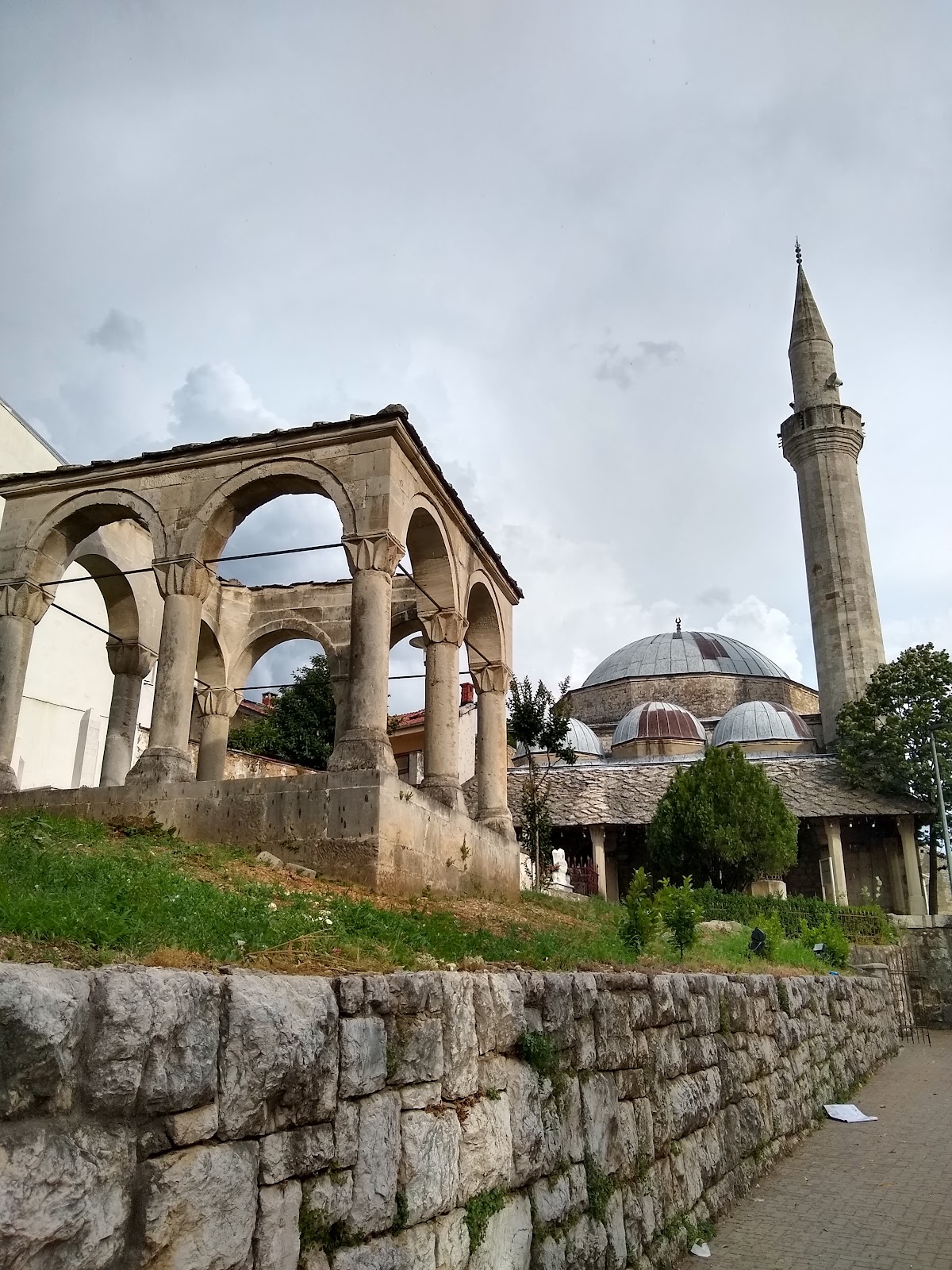
We had a really wonderful meal in a courtyard restaurant next to the Bey Karađoz Mosque.  I officially declare Bosnia to be the winner in the grilled cylinders of spiced meat (called variously Cevapcici, Mici, Cevapi, in most of the Balkans) competition.


The bus ride down to the coast from Mostar was okay, but when it hit the estuary of the Neretva River, surrounded by steep, Rocky coastal mountains, it was gorgeous.  We took the fastest route down to the coast, through the river valley. This meant that we crossed the border into Croatia just before we got to the sea. At this point every male under 30, and quite a few of the women too, were taken off the bus for thorough inspection of their luggage.  After we finally got past the border, we crossed BACK into Bosnia at Neum, the small arm of land that cuts the southernmost bit of Croatia off from the rest and gives Bosnia access to the Adriatic. Then back into Croatia again. Then finally, about four hours after leaving, we finished the 170km (76km as the crow flies) journey to Dubrovnik.

We'd been hesitant about visiting Dubrovnik in summer, as it's reputation as a morass of inescapable tourist hordes long preceded it.  We'd been considering bypassing it entirely, heading straight from Mostar to Montenegro.

In the end we decided to pop in for an afternoon in Dubrovnik along the way.  We left our backpacks at the bus station's left luggage office, caught the city bus to the old town and had a good explore.

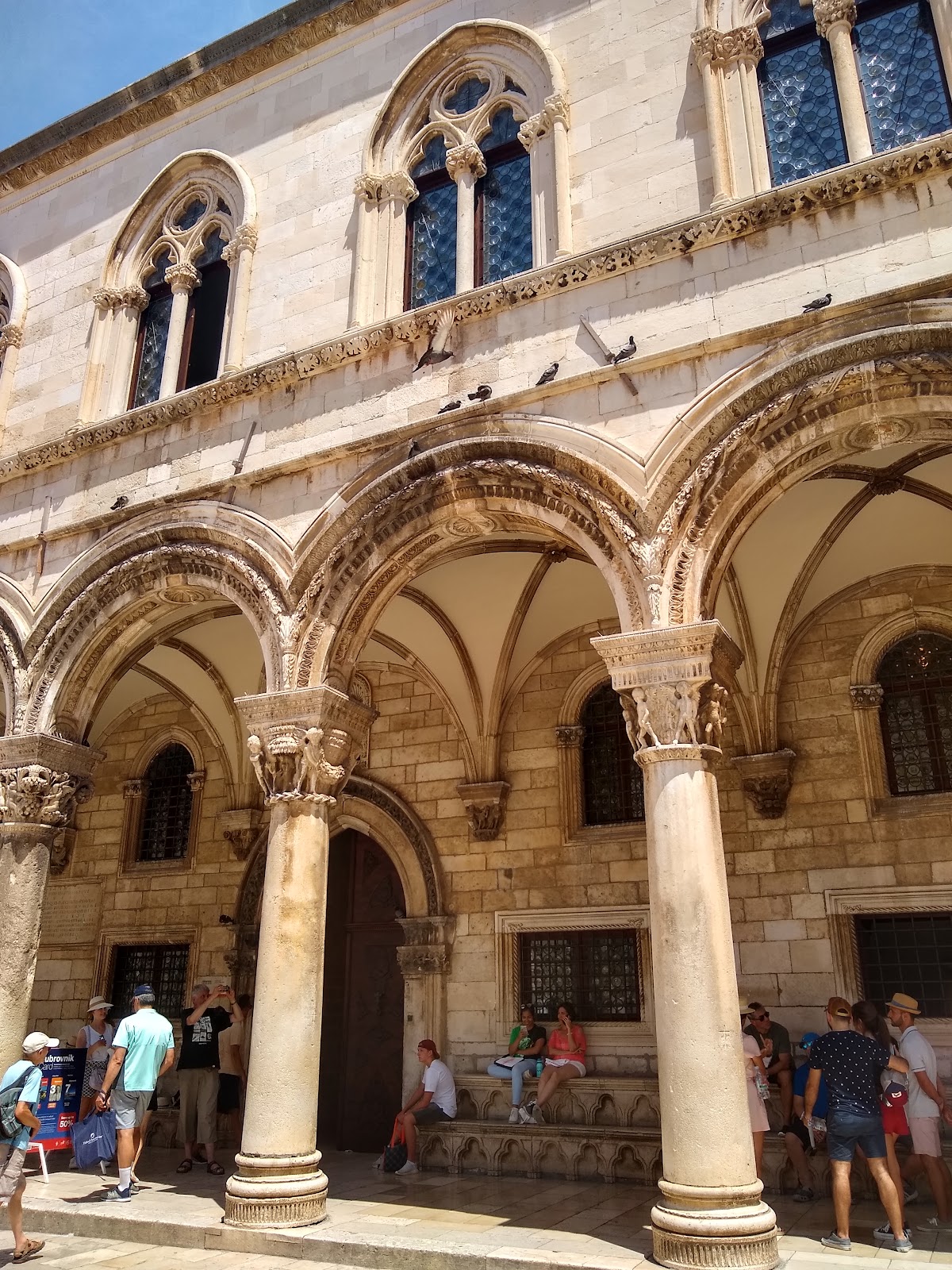
I'm happy we decided not to stay in (very pricey) Dubrovnik, but also very happy we visited.  The walled city, maybe 500m on a side, backed by towering grey mountains, really is beautiful.  And while there were lots of fellow tourists there in mid June, it hadn't yet reached the dizzying heights of busyness it would in a month or so.  In fact, I reckon the main drag of old Dubronik wasn't much busier than Lambton Quay in Wellington on a day when there's a big cruise ship in town.

I was also surprised to discover that in a few areas (mainly to the extreme north and south, right near the city walls) old Dubrovnik still contains quite a few residential buildings occupied by Croatian families.  You could even, if you waited a few minutes for the right moment, get photos of many parts of Dubrovnik with no other tourists in them!



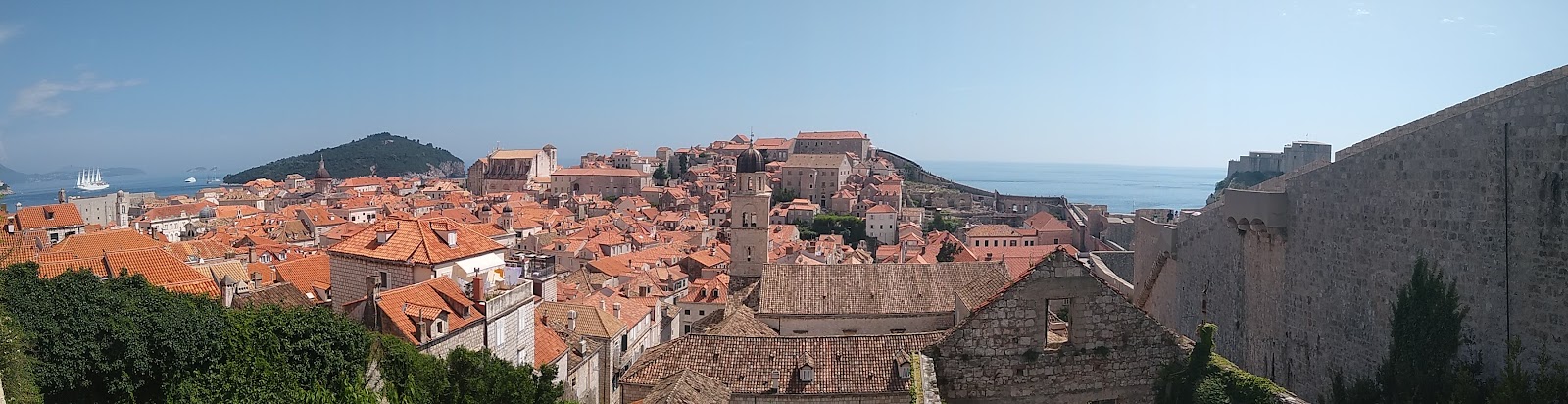

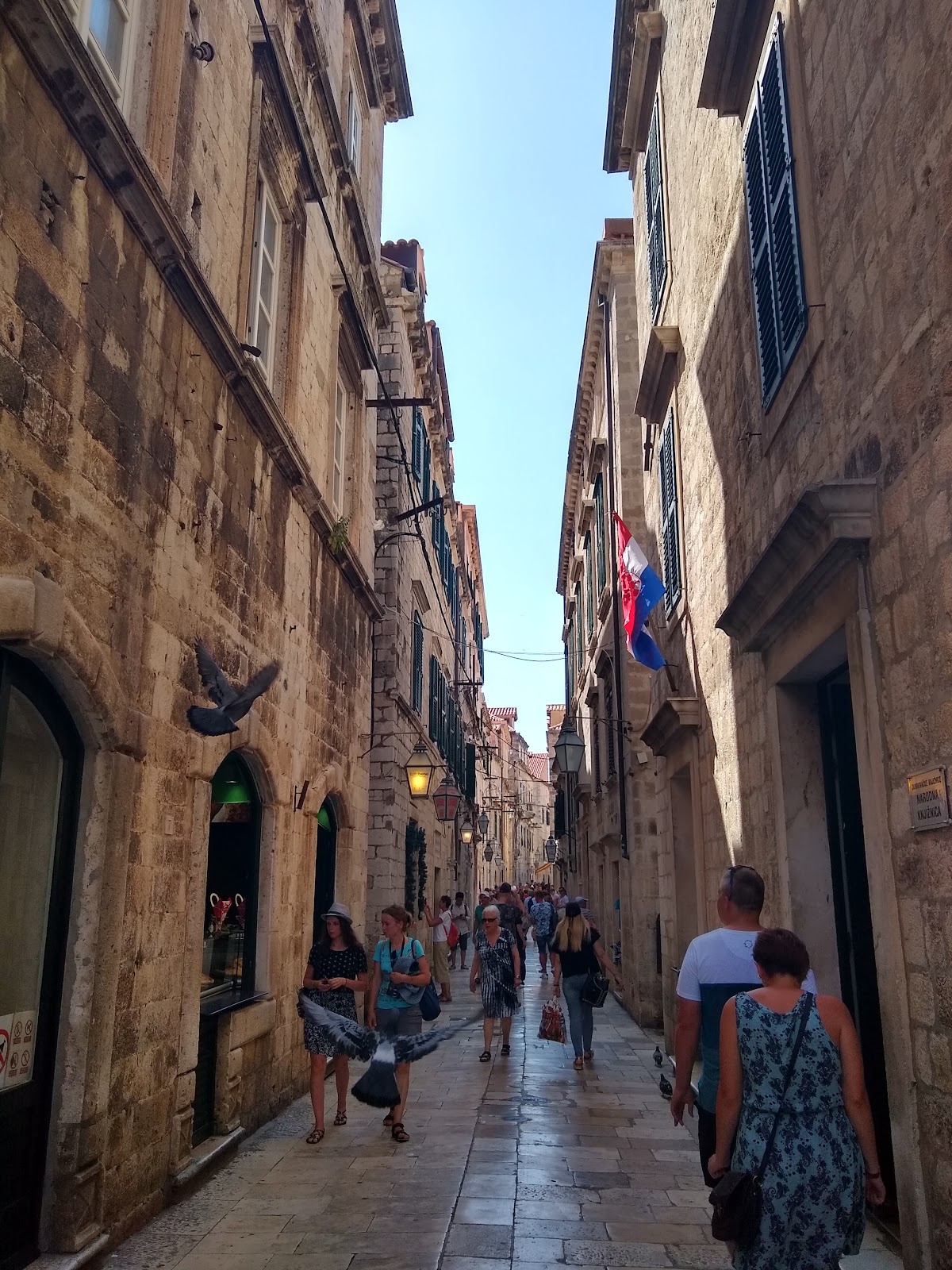
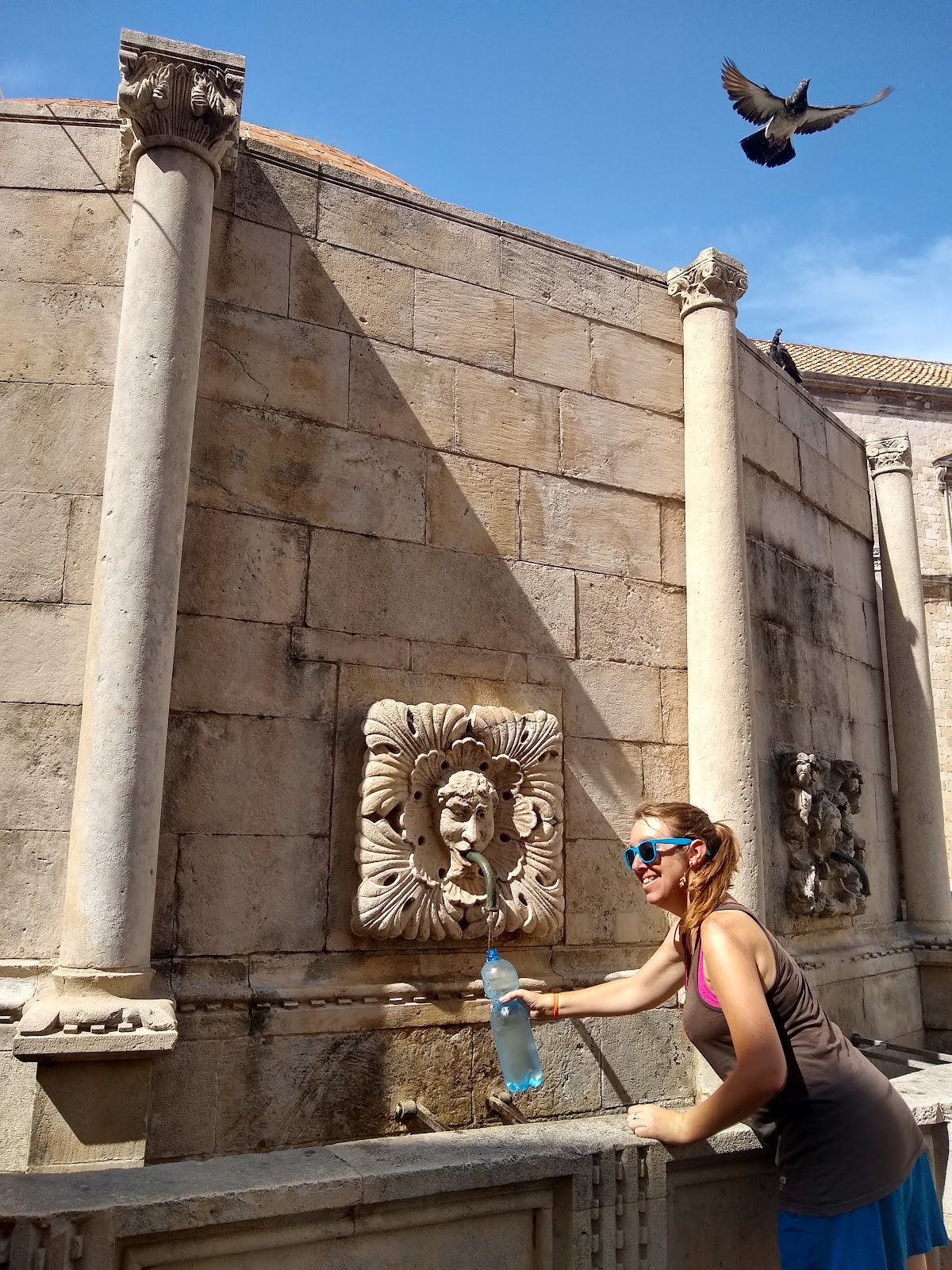

While we were meandering around town, listening to guides doing Game of Thrones tours in much the same way that tour guides in NZ do Lord of the Rings tours, we ran into our friend Amy, her daughter Ngaia and her brother Justin.

This wasn't completely a surprise, as we'd learned a week or so previously that they'd be on holiday in Cavtat (pronounced Sav-tat), just down the coast from Dubrovnik.  Indeed, their presence was one of the things that had sealed the plan to stop on the area. But it was still very fun to just stumble across them in a Piazza in (what I think must surely be) the most visited city in Eastern Europe.  Ngaia needed a bit of a sleep, so we made plans to meet them all for dinner in Cavtat where (not at all coincidentally) Sarah and I would be spending the night too.

Dubrovnik and Cavtat are separated by just about 10km of water, but the road climbs high, high up the marine mountains and has spectacular views all up and down the coast  before descending again.

We met our mates for dinner at a restaurant on the Cavtat shore.  This was (I think?) our one seafood meal on the Adriatic. Shrimp pasta with a creamy, garlicky sauce was yummy.  We took a chance with our other dish, an octopus burger. Fortunately it was astonishingly good! Big hunks of tentacle, not soft but not rubbery, curled around one another in the bun.
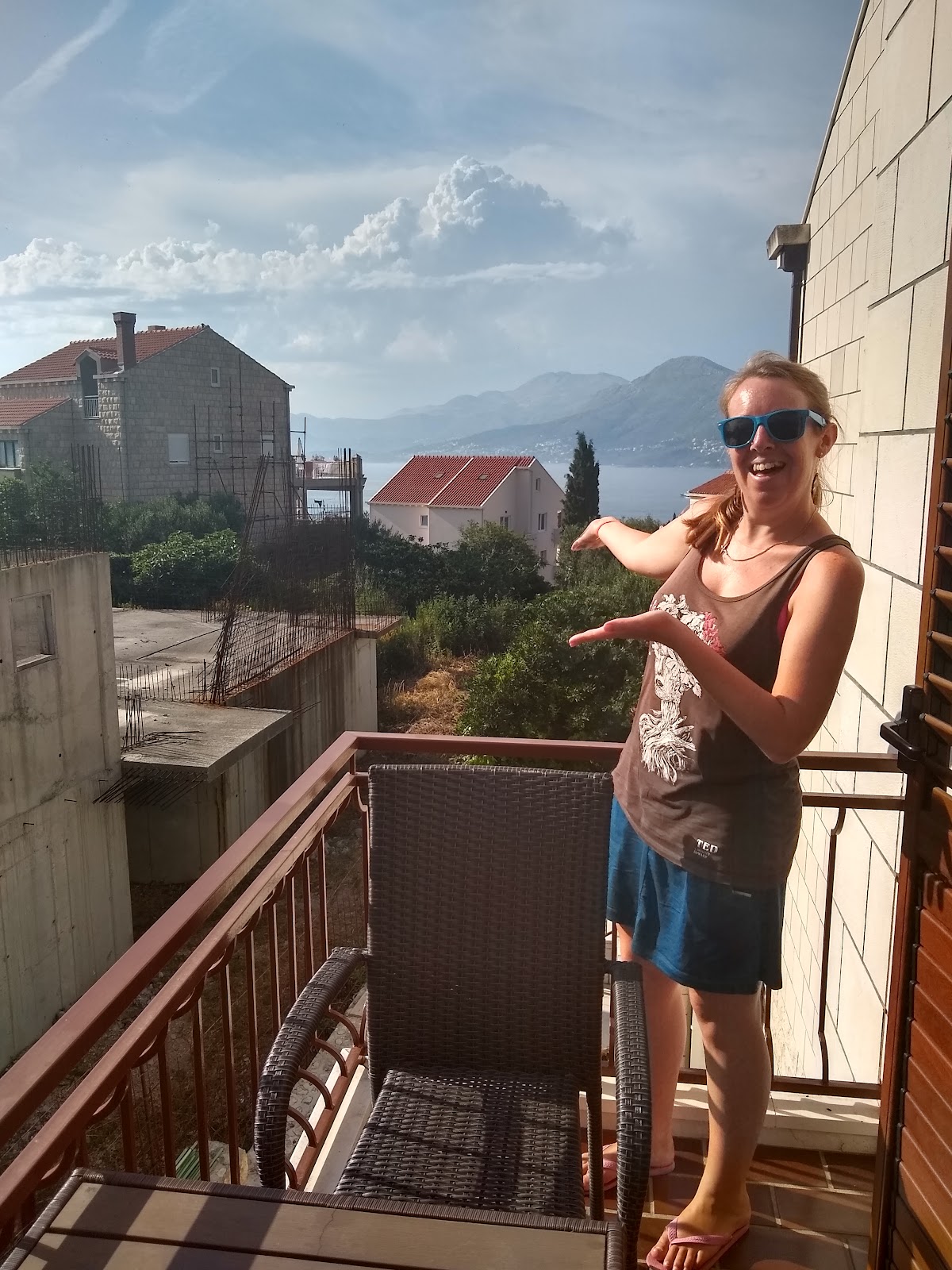


Sunset came and went during dinner and afterwards we decamped to the apartment Amy had rented for their holiday.  We sat out on the balcony after Ngaia had gone to sleep, til after midnight drinking more Croatian wine (probably more like western European style than any other we'd had, including the fact that the cheap ones were sometimes better than the pricier). When the wine ran out we had a few beers as well.  And throughout, of course lots of talk and laughter. Amy lives in China (we'd last caught up with her in Beijing in April 2018) so some of it was about that. And about life with her (still relatively new) daughter. And lots about each of our travels in Europe.  


Despite the fact that we'd just said goodbye to Steven it was just a joy to spend a joyous, cheerful evening with familiar friends (as well as the lovely Justin, who we were meeting for the first time).  Hopefully we'll see Amy and Ngaia again (who knows where?!) before too much longer.

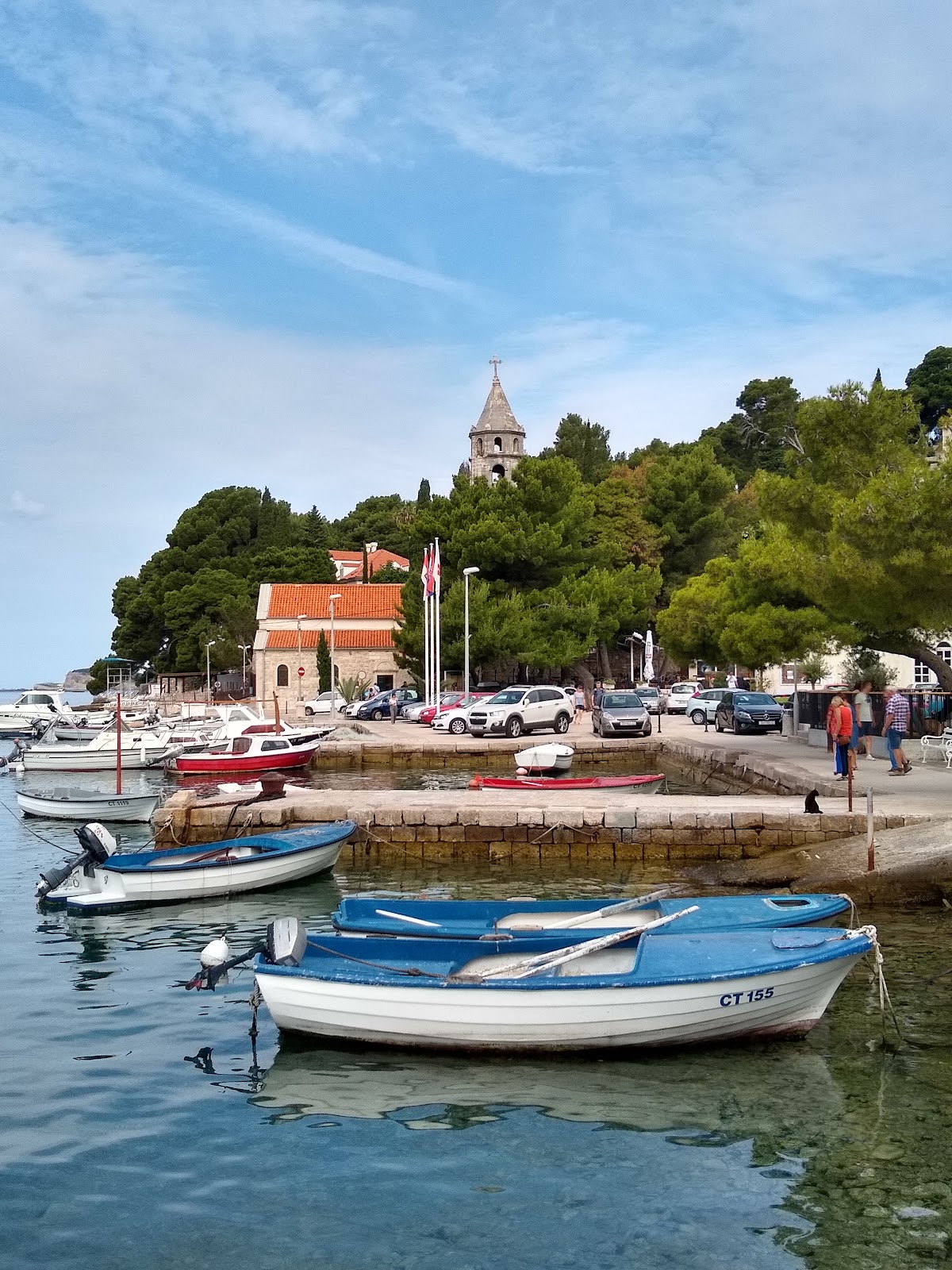
Before departing Cavtat the following morning we had just enough time to have a wee explore.  Though seen by many as an alternative base for visiting Dubrovnik, it's pretty pleasant in its own right.  We were staying in one of the many (many) modern apartments up the hill looking down over the bay. Down in the lower town, the old village sits on a hilltop peninsula.
And down in the harbour are private sailboats, motor launches shuttling visitors back and forth to Dubrovnik and… A watetpolo pool (can you call it a pool of it's just a set of ropes and nets in the ocean?  If not, what do you call it?)

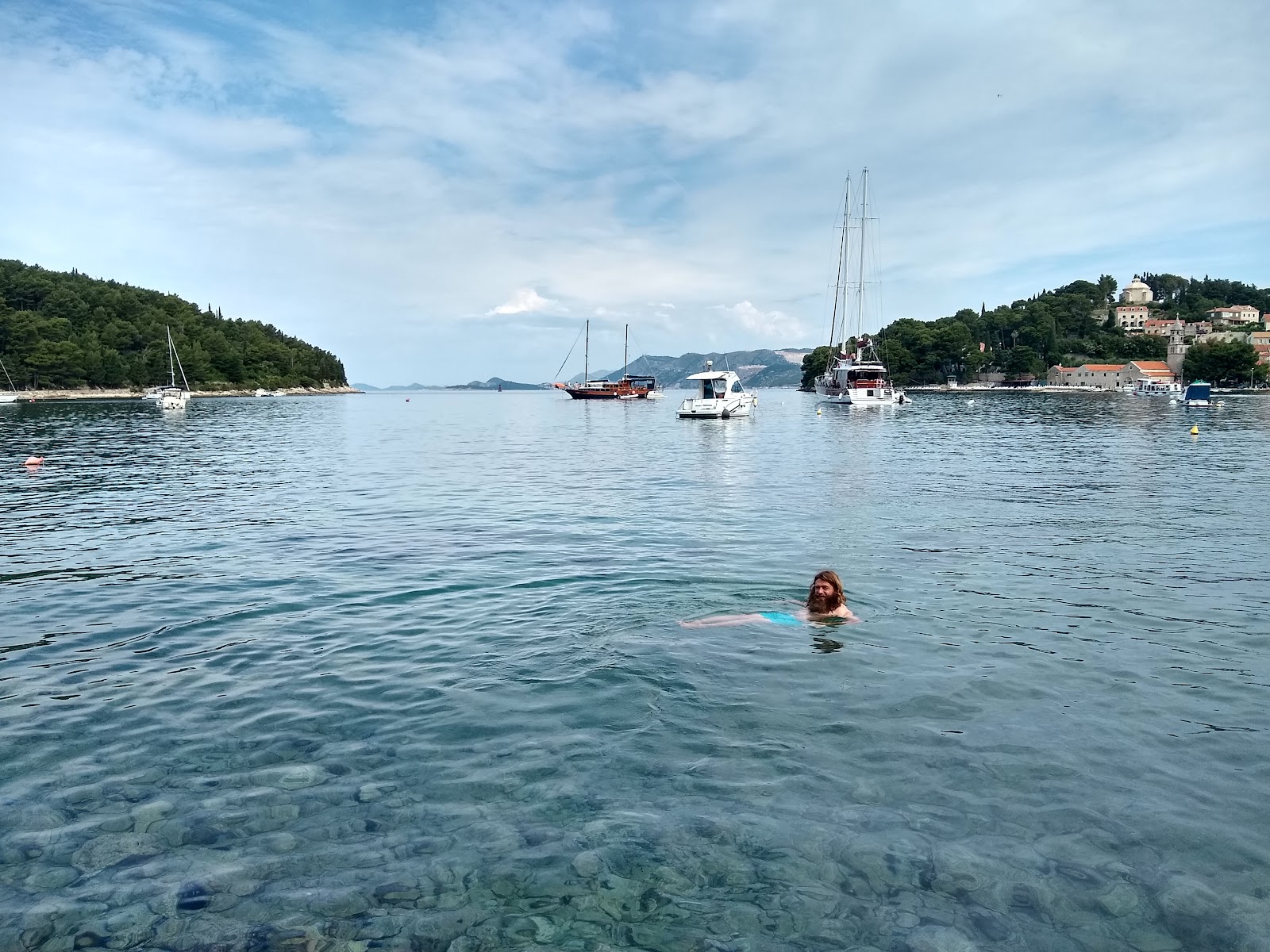
Sarah and I each went for a swim in the crystal clear water of the harbour across from the pool, carefully avoiding the areas with sea urchins/kina.  We showered off, then headed back up the hill to prepare for out day's travel.


Friday, 19 July 2019

Across the Northwest Balkans with Steven

We got dropped off at a petrol station in Vrsac, a town just on the Serbia side of the Serbia-Romania border.

Shortly after arriving we were stopped by a young man on a bike who asked "are you strangers?"  He told us that they don't see many foreigners in their small town, despite it being only about 120km from Serbia's capital, Belgrade/Beograd.

We had multiple reasons for stopping in Vrsac, despite the fact that our day's destination was Beograd.  First, it was actually slightly cheaper to take the private shuttle to Vrsac, then switch to a train to Beograd (until 2016 there was a Romanian state railway train that ran to Vrsac, but they got into an argument with Serbian authorities over payment for use of the Serbian tracks, so the service stopped and with it the last public transportation between Romania and Serbia).  Second, on our previous visit to Serbia in 2012 we'd seen Beograd, Novi Sad and that was about it, so we wanted a chance to explore a wee bit more of the country. Finally, Vrsac is at the heart of Serbia's most highly regarded wine region, so we felt like we had to stop while passing through.


Vrsac is a cute little town.  We had a bit of a walk through it on our way to the Vinik Family Winery, one of only two in town that are open to the public (the lady at the tourism information office phoned the winemaker and told us "he'll be in around noon").  

We had a fabulous time at the winery.  The winemaker only spoke Serbian and German, but one of a group of customers who'd been in before us (and who were probably the reason the winemaker was there at all) spoke English and very kindly hung around to have a few more samples and to translate for us.  You could tell that the winemaker was just having fun talking with us. We traded wine-related aphorisms and jokes and sipped our way through a mix of western European style (Sauvignon Blanc, Merlot) and uniquely Serbian ones (a dessert wine made from a Serbian grape and a fortified herbed one that tasted a lot like the vermouth we'd enjoyed in Barcelona).  He also shared a bunch of un-wine-related stories such as "Serbians love wars. We fight everyone! But we haven't had one with New Zealand. Yet".


On departing we picked up a couple of bottles and despite our small purchase (it seems like these guys were used to visitors walking off with multiple cases) were even offered an (entirely unnecessary) ride to the train station.

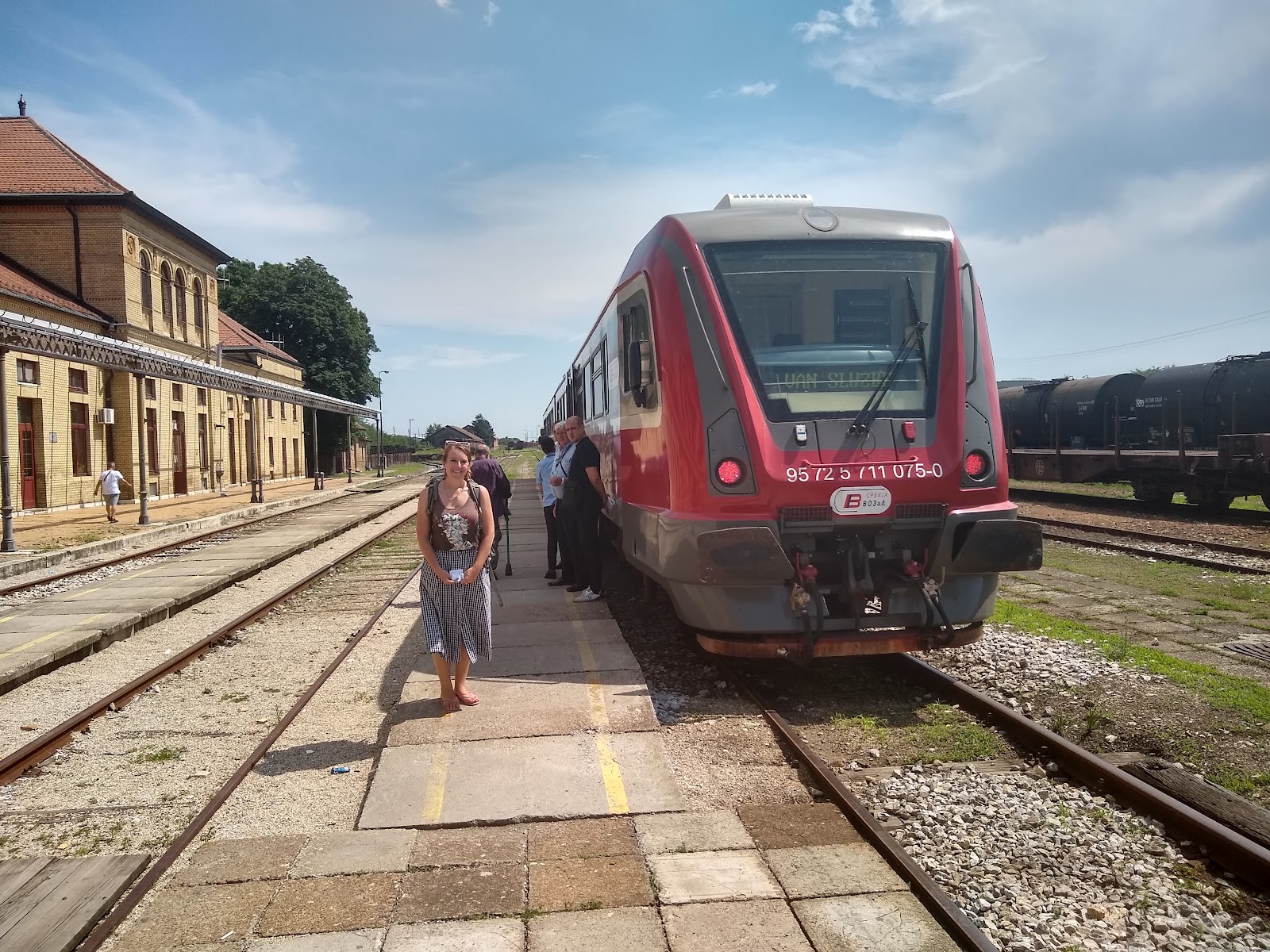
The train to Beograd was modern and quick (although it left from a slightly dilapidated station.  When Sarah went to the toilet she was greeted by a friendly dog sauntering out. It was clear that it hadn't really been used as anything other than a doggy lounge for some time).


In Beograd we had a lazy evening during which I made up some pasta with Ajvar sauce.  For those of you who don't remember from the entry six years ago, ajvar is a Balkan condiment/staple food that is made of pureed sweet red peppers with other odds and ends.  It's ubiquitous in Serbian cuisine and very yummy even just on its own.

The next day our friend Steven arrived to join us.  He'd just moved to London from NZ and after finding a job had a spare week.  And as he pointed out, it was both nice and financially sensible to do so. A load of washing in London cost the same as his share of a night in our (washing machine equipped) Airbnb in Beograd.

The next couple of days were a combination of revisiting things we'd done in our previous visit and testing out the brews of Beograd.

I was pretty impressed by the bog-standard Jelen lager which, like many Romanian brews, came in huge 2L PET bottles at very inexpensive prices (around NZD 3 for two litres).  Late on our first night we popped in to a branch of the Black Turtle brewpub. The staff were friendly, but the place was super-smokey and the beers were a mix of a few uninspiring brews (Stout and Ale) and a few things with fruit syrups added to lager that wasn't as good as the macro stuff.  But maybe I shouldn't be they so hard on them. They were pretty much the only place open at 01:00 on a Wednesday!

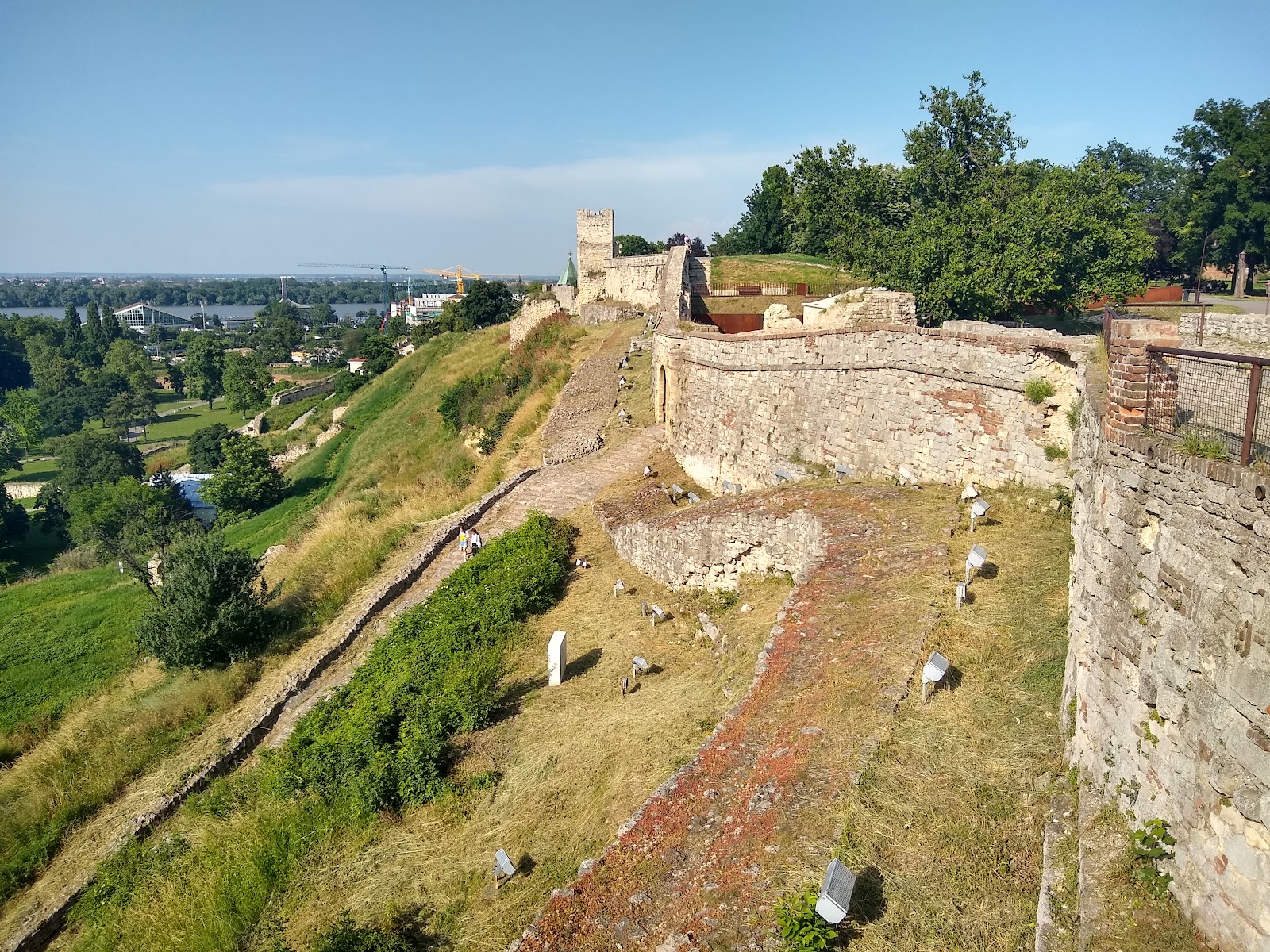
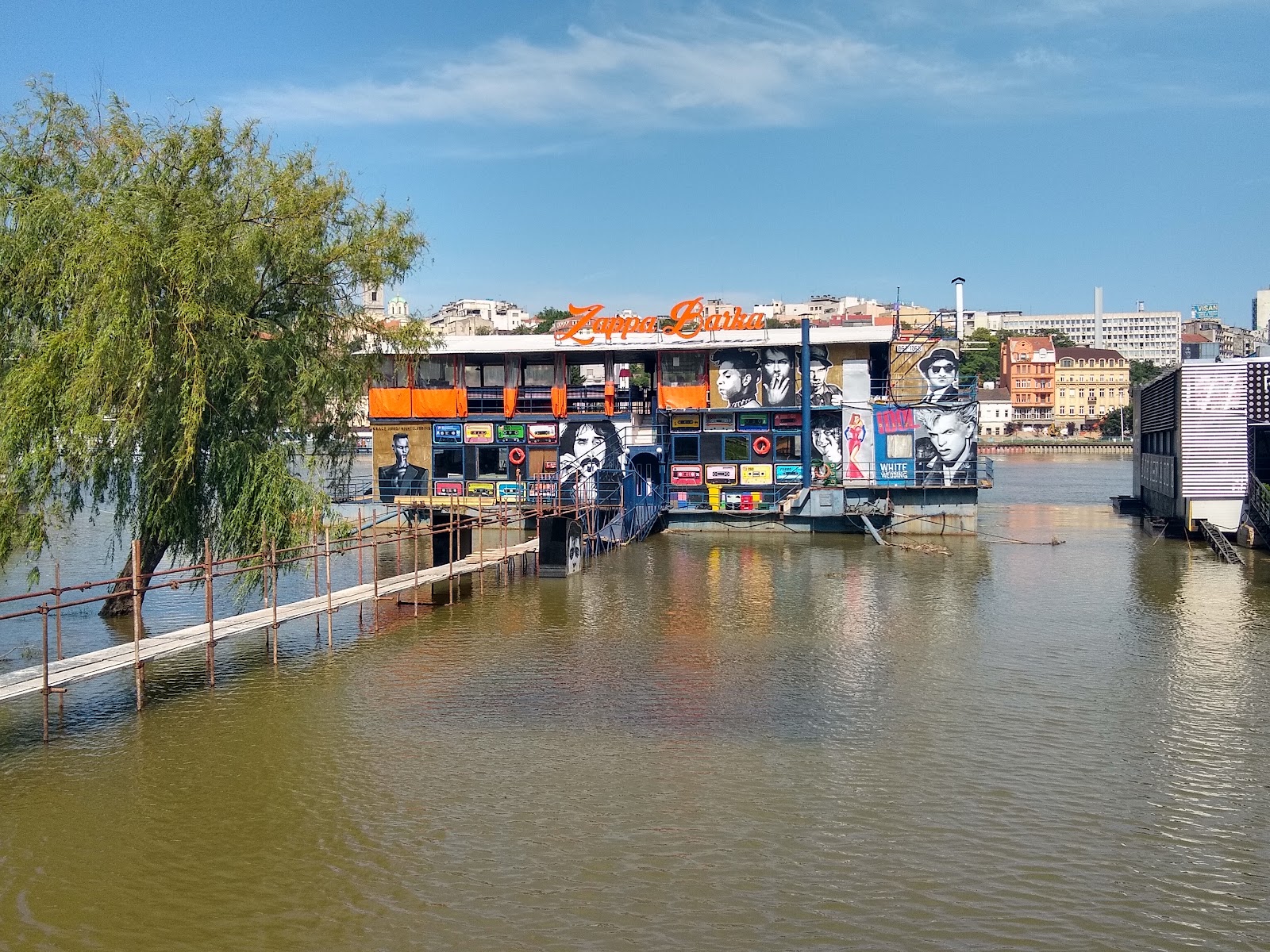
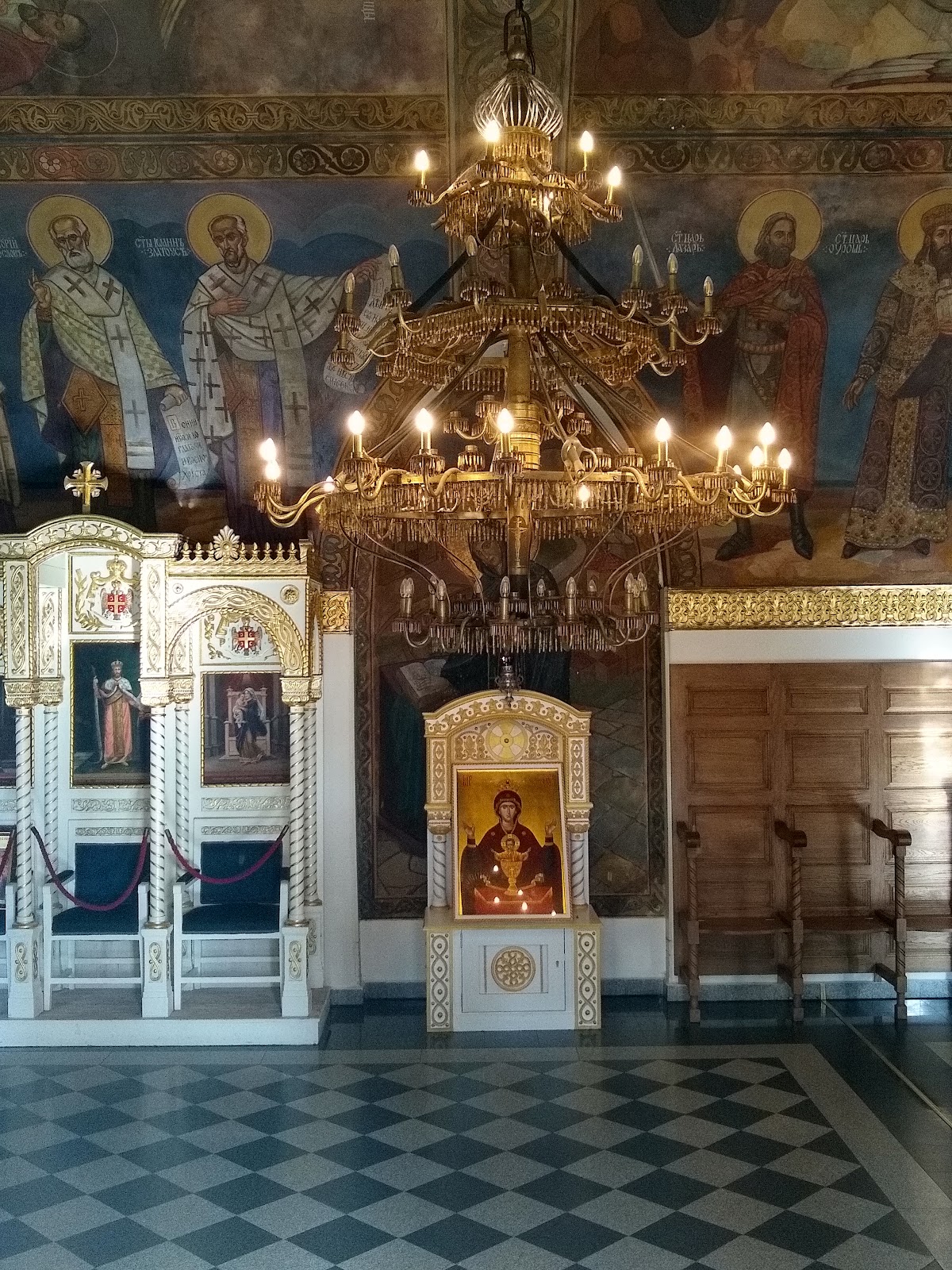
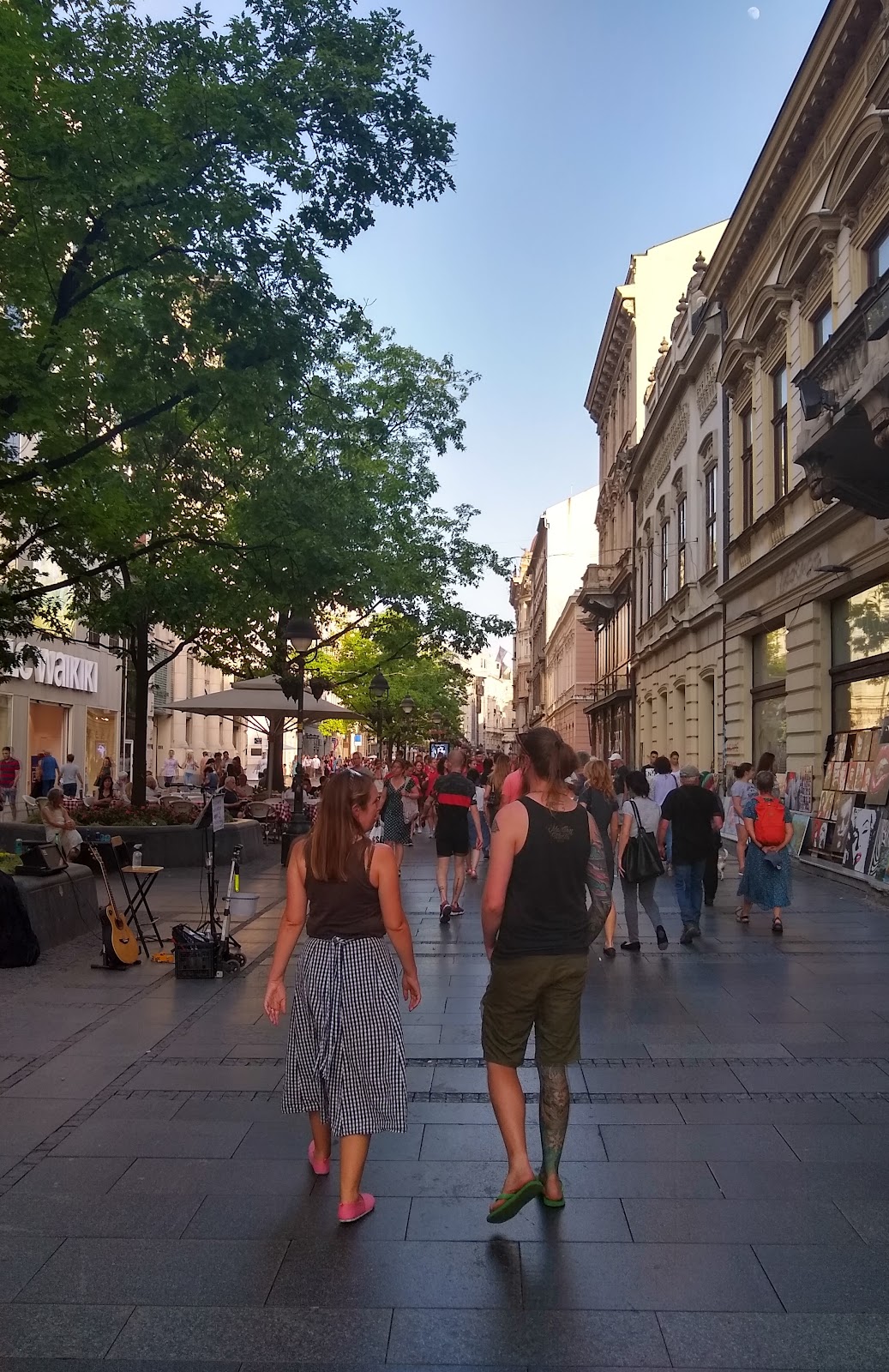
While, as previously mentioned, a lot of what we did was repetition of 2012, it was still different because that was December and this was June.  The parklike grounds of the castle were much (much) more pleasant to walk around in. We visited the same lovely pair of churches in the castle as last time, but this time were shooed away by an Orthodox priest who was unhappy about Steven's and my (below the knee) shorts or our jandals.  Simarly instead of huddling round the fire at the ancient ? (that's what it's called, "?") restaurant we could've sat outside (though the old, dark decor and chunky wooden furniture inside were too fun to pass up). And unlike in December, the big string of permanently moored boat restaurant/bar/clubs were actually open.  Walking up the gangplank and sipping a drink (mint lemonade in this case) at one of the was something I'd wanted to do for years. The hammock-y chairs/lounges/beds put over the river were an extra bonus.


Our final night in Beograd we did some more beer-sploring.  We had several well made (mostly hop-forward) craft brews at Gunners Pub, and then, while searching for the Samo Pivo (Just Beer) bar, stumbled across their bottle shop instead.  It was pretty much my dream store. It sold craft beer from Serbia and elsewhere in Europe, board games and comic books. And you were allowed to drink your purchases there. Particularly memorable were a fabulous raspberry Berliner Weisse and a really dirty-earthy, brilliant pink beetroot IPA (which, I think my mate Dave brewed the first ever example of and my mates Sam and Stu brewed the first ever commerical example of).  We did end up making it to the big patio of Samo Pivo after the bottle shop closed, but the shop is always going to be the winner for me (especially after they gifted Sarah an awesome T-shirt from a festival they'd run a couple months back).


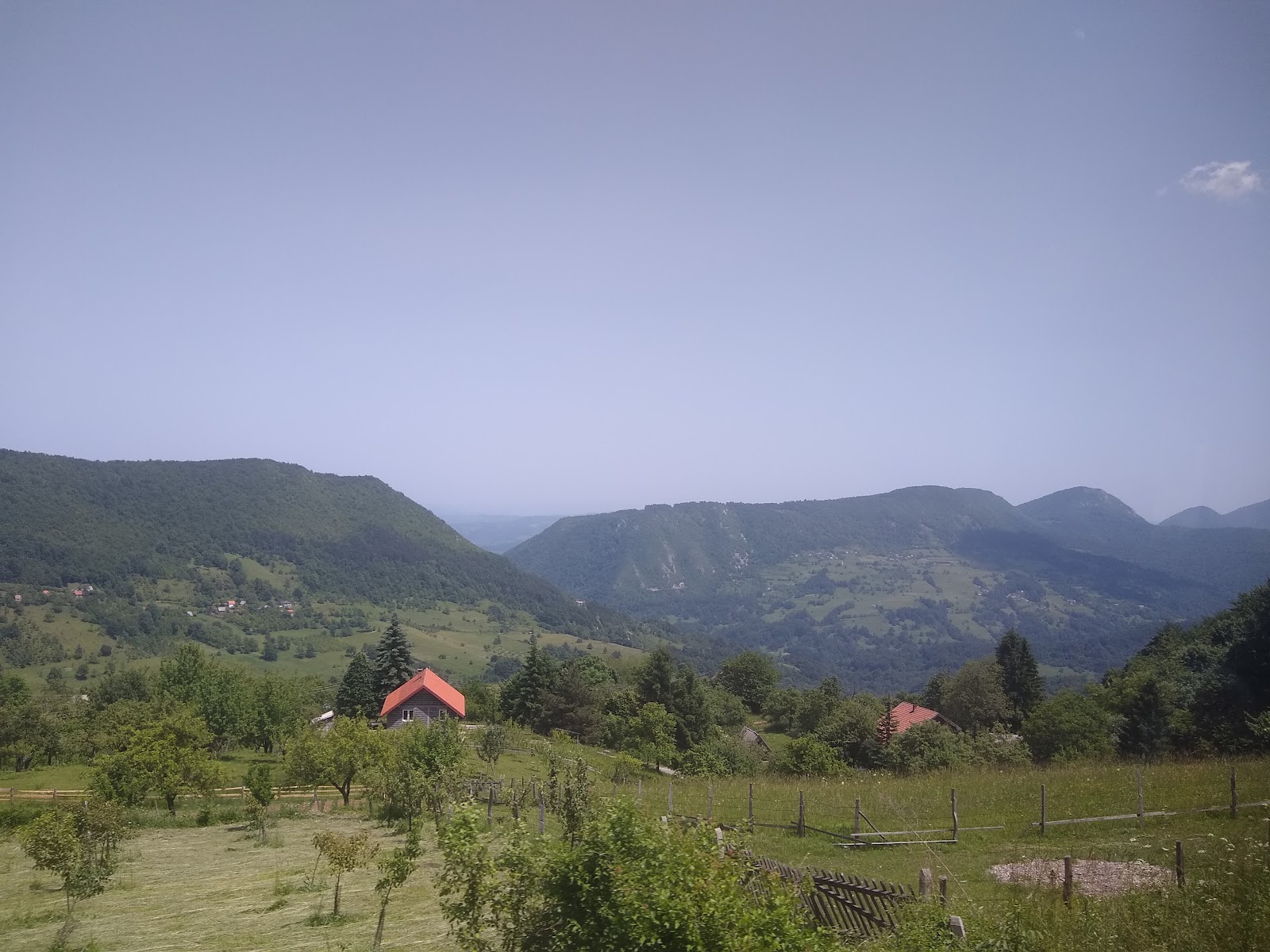
The bus trip from Beograd to Sarajevo took us through some really beautiful country.  I guess it shouldn't be a surprise that the road between two countries that were so recently at war and/or supporting different sides in a civil war didn't seem to be a major trade route.  Relatedly, all buses in Sarajevo going to/coming from the Serbian Republic or Montenegro are based in the east bus station, located (confusingly) far to the west of the main bus station in a majority Serbian residential neighbourhood.


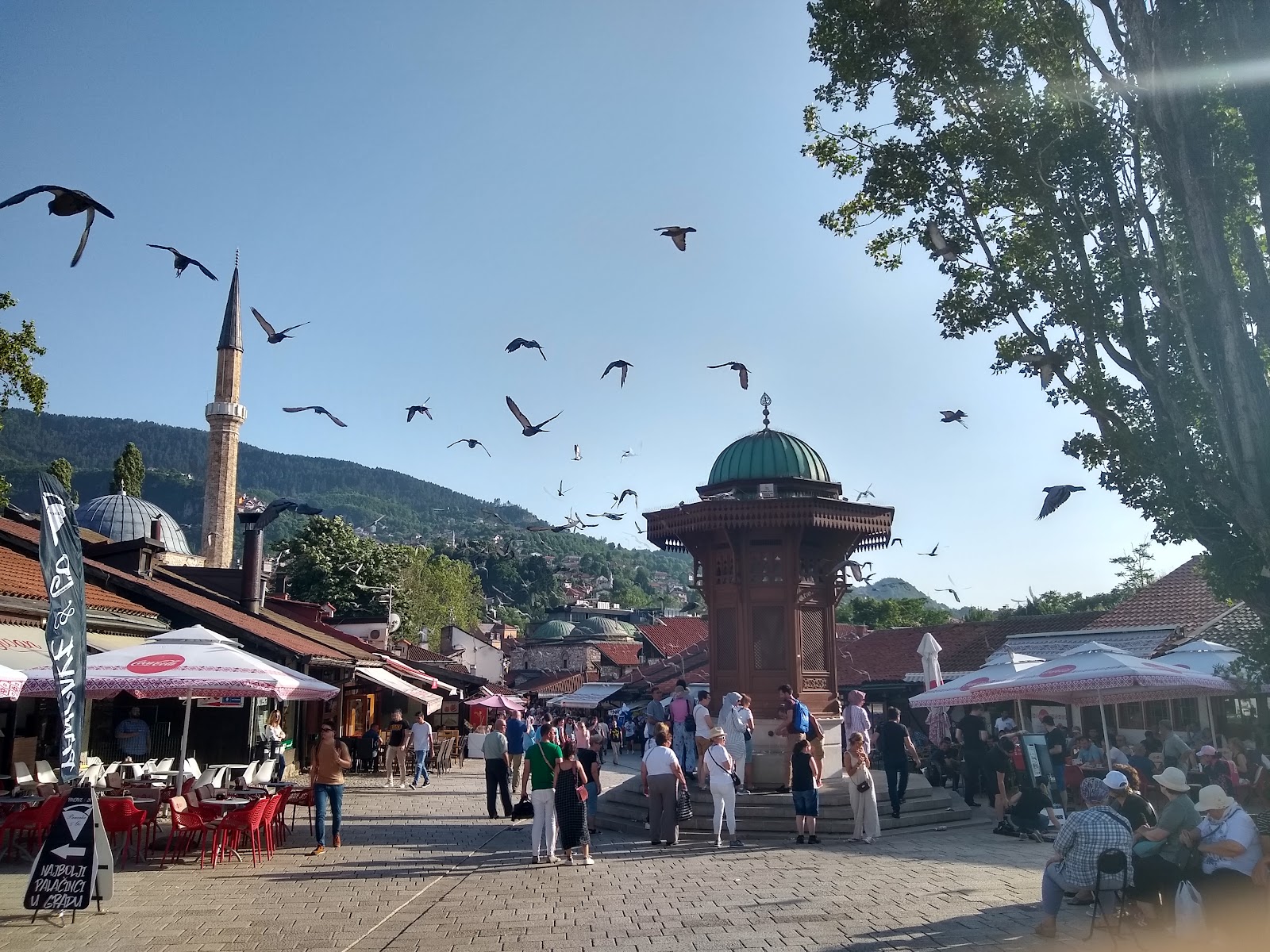
The old town of Sarajevo is just beautiful.  It's (obviously) been almost entirely rebuilt over the last decade or so.  But it's so pretty that you assume that the patrons of the many (many) cafes on the cobbled streets and alleys must be fellow tourists.  But they're all Bosnians! Not so at the restaurant Sarah's mom recommended to us, which is a mainstay of expats and diplomats (but still cooked up some mean Bosnian cuisine).

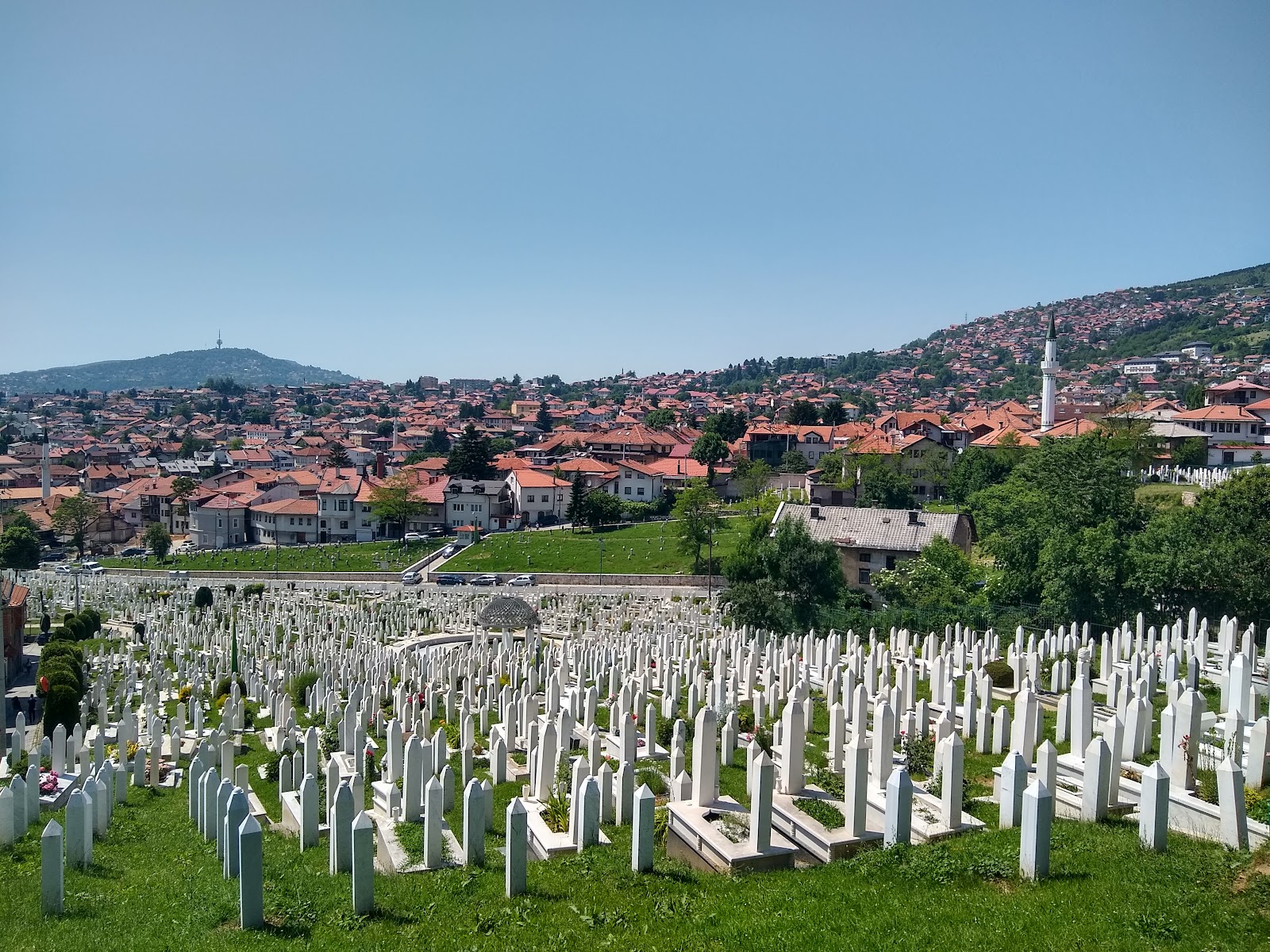
Sarajevo's location is a really spectacular one.  It sits in a valley that is almost closed at one end, meaning that if you walk up past the depressingly large 1990s cemeteries to the old fortresses at the city's east end you get impressive views over the mountains.  Sarah, Steven and I did this and sat and had a mini picnic (complete with 2L PET bottle of Sarajevsko beer [those 2L bottles seem to be a thing all over the former Yugoslav countries]). While we were sitting a cute kitty joined us and brought us the gift of a (still living) legless lizard that it had caught.


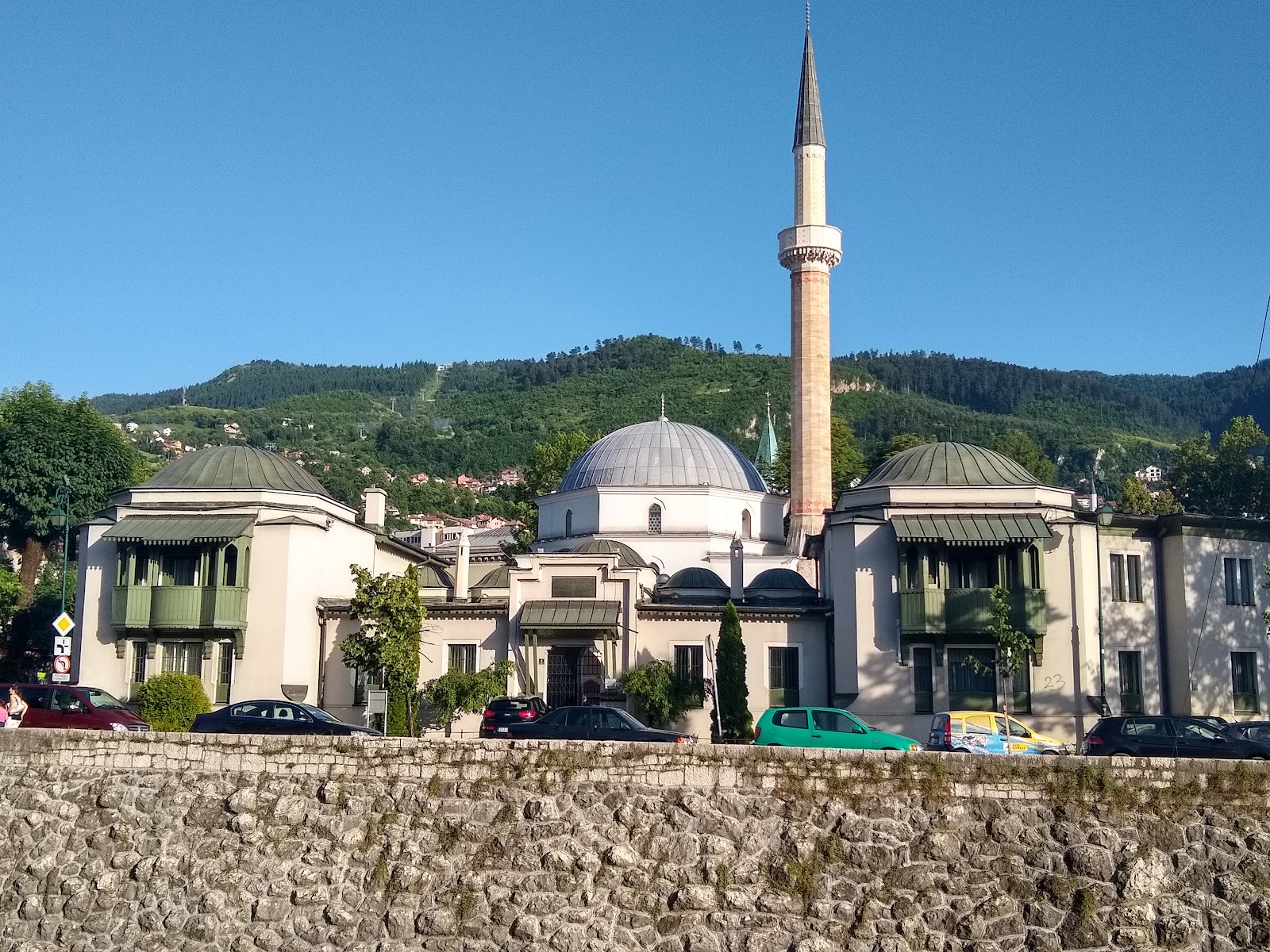
Looking back towards the city you saw heaps of minarets and domed mosques.  Bosnia is majority Muslim, and their cuisine, coffee and other elements of the culture have inhereted a lot from Turkey.  The Turkish call to prayer is (to my ear) one of the prettiest, but I think the ethereal, echoing, impassioned Bosnian one is still prettier.  Interestingly, language is one thing that they did not inherit from the Turks.  Bosnian is virtually identical to Serbian, Croatian and Montenegran, the biggest difference being that the former is mostly written in Cyrillic characters while the others use mostly the Latin alphabet.

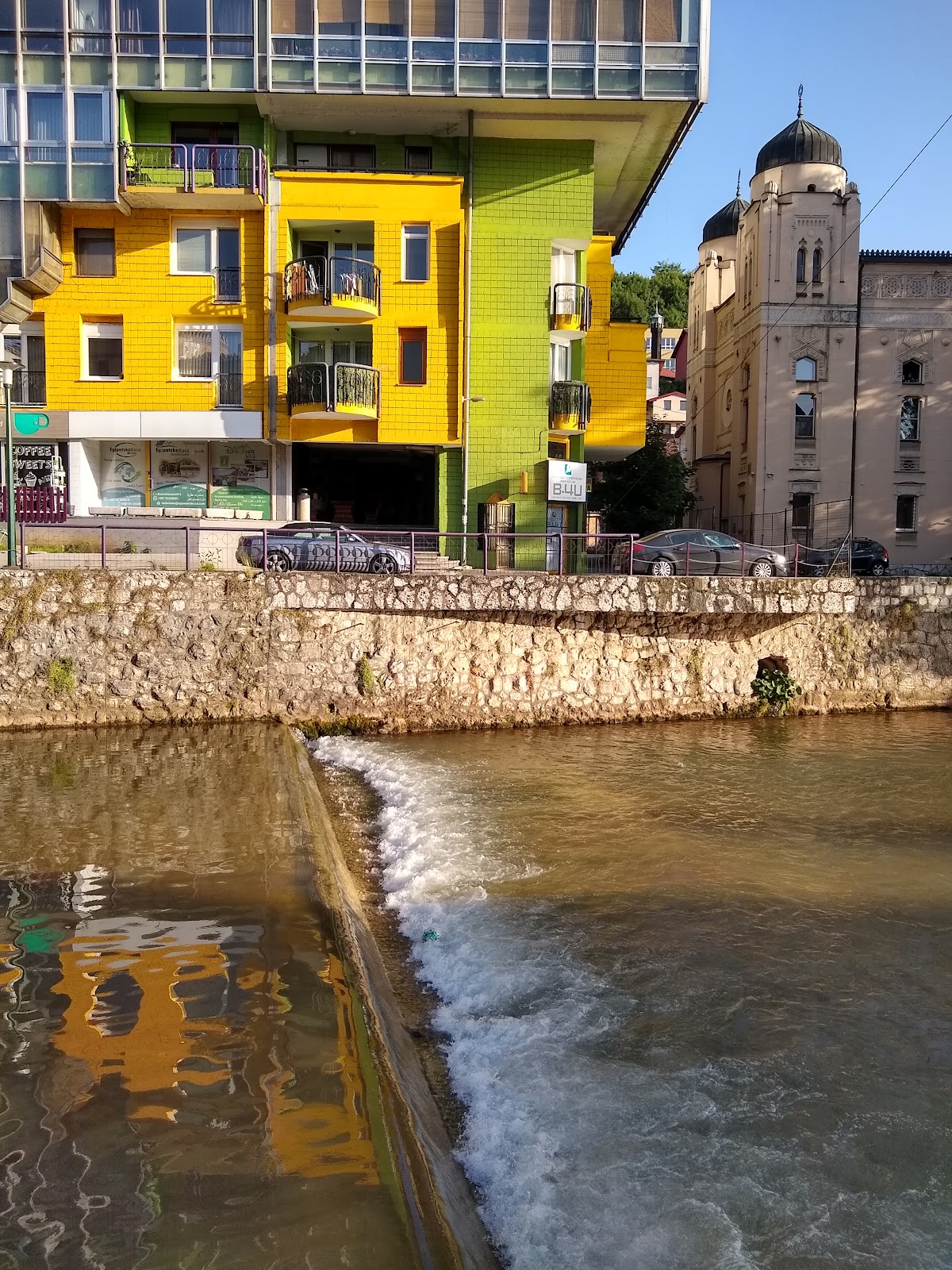
Sarajevo is centred around the river Miljacka.  It is crossed by several bridges as it runs through the city, including the famous old Latin bridge.  It was on the north bank of the river, right near the Latin Bridge that Serbian nationalist Gavrilo Princip shot and killed Archduke Franz Ferdinand of Austria-Hungary (and his oft forgotten wife Sophia), thus precipitating A-H's invasion of Serbia and thence the First World War.  If you had to pick a single location and moment that changed twentieth century history the most, this would be a pretty hard candidate to argue with. So standing right there on that spot was one of my highlights of visiting Sarajevo.


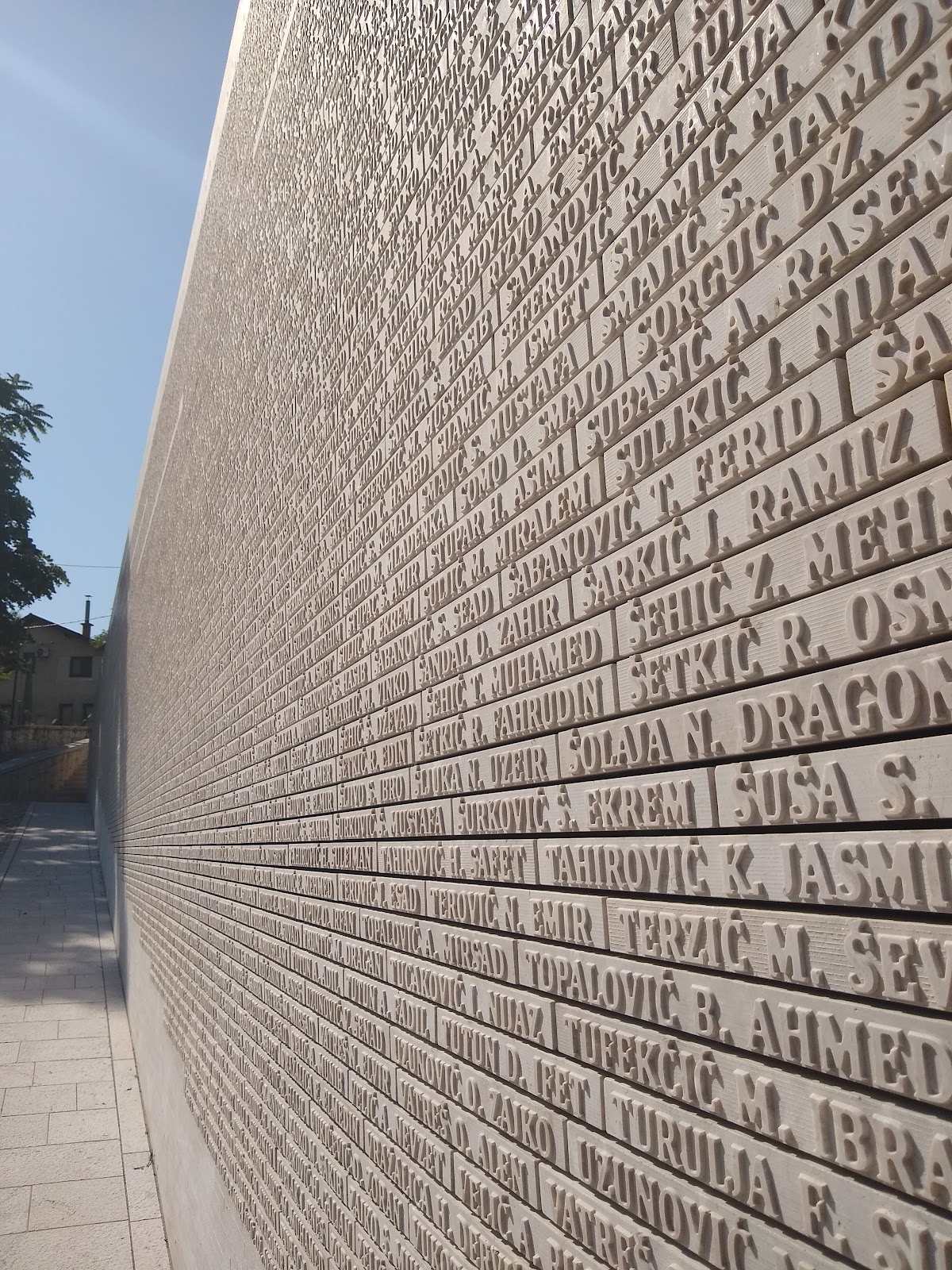
The Balkans are, as everyone knows, no stranger to conflict.  On our final day in Sarajevo we began the day with a visit to the Museum of Crimes Against Humanity and Genocide.  It's impossible to visit Sarajevo and not be aware of the war. Neighbourhoods are segregated along ethno-religious lines and buildings are either brand new or scarred by bullets and artillery shells.  But the museum really brings it home. The stories of the misery and cruelty just go on and on and on. It was a relief to visit the room dedicated to (and decorated with) wishes for peace from visitors from all around the world.  In this room they were playing a great video that showed many facets of how people went about daily life during the over three-year long siege of the city. The continuous operation of the theatre and newspapers brought hope and life.  The tram system was always in danger (as were its passengers), but kept the city connected. But of course these were individual stars in a largely black time. People had to stretch huge canvases across streets to obscure the view of snipers and make it safe to walk.  Finding fuel and food and even water were difficult and dangerous tasks. Public parks were turned into the cemeteries we'd already seen to make room for the thousands of dead. And medical services were stretched to and past their limits.

The other sections of the museum that focussed more on the progress of the war and the atrocities that took place during it were seemingly endless.  It made you wonder how you could possibly live alongside (or even in the same city as) your neighbours of different religion, wondering if they still hated you as at least some of their brethren did (obviously and excessively) during the war.

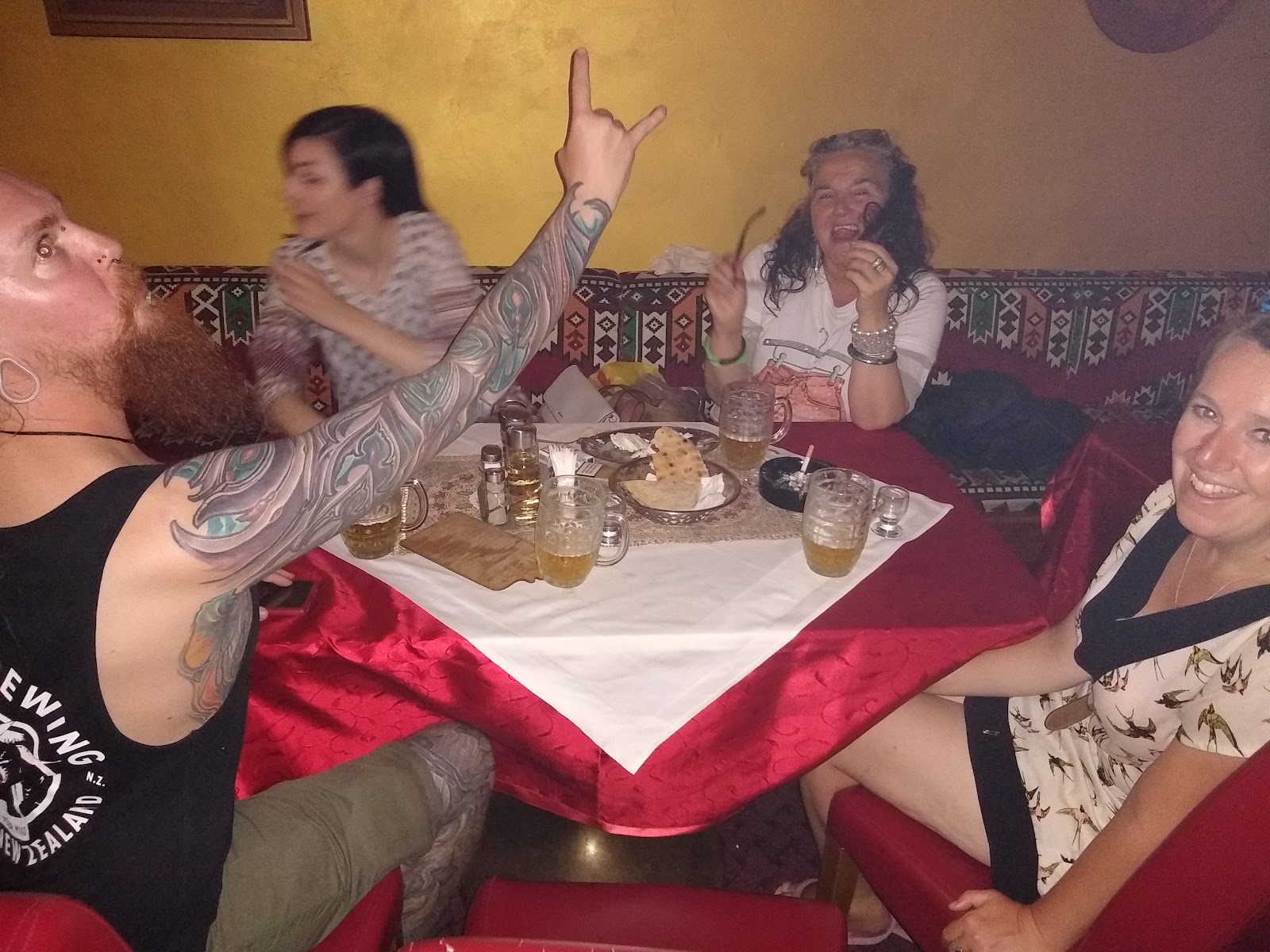
Somehow at least some of Sarajevo makes it work though.  The night before we went to the museum we'd been to a rakia (Bosnian fruit brandy) bar and shared drinks and toasts with two Serbian women and a large group of Bosnians, all of whom appeared not to (and said as much) care about one another's religion or ethnicity, that they were just happy to spend their evening with good people and good rakia and to welcome guests to the country.


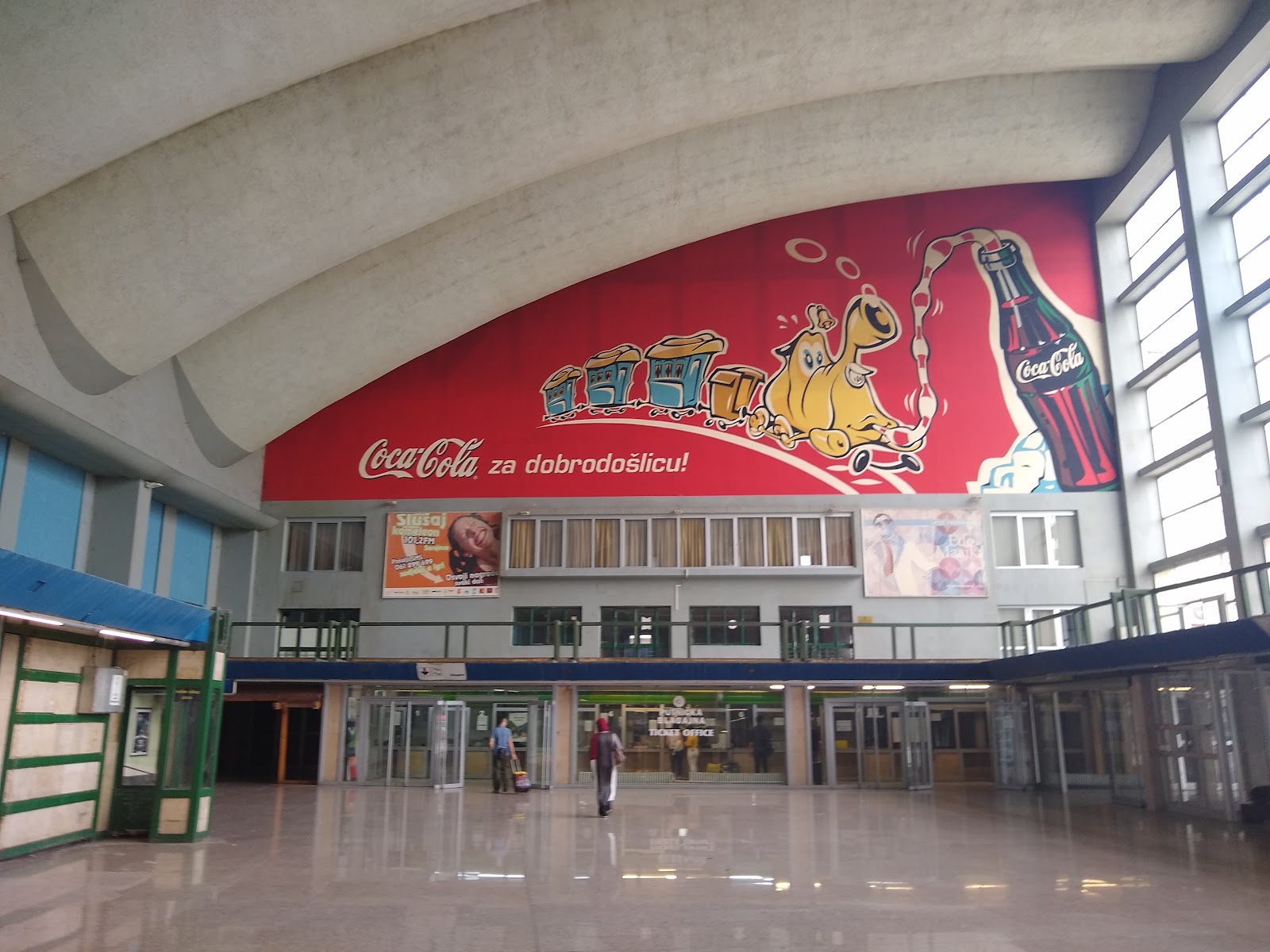
We bid Steven farewell with lots of hugs at Sarajevo.  He was headed to Montenegro for a flight back to the UK, so he had to take a trolleybus back out to the distant eastern bus station.  We meanwhile waited and waited and waited for a tram to take us to the train station. When we arrived at the communist era station we went to the ticket window and waited while the attendant ploddingly filled out our tickets and our seat reservation forms by hand.  It was nervous times but we made it on to the (modern and very slick looking) train south to Mostar with a few minutes to spare.

Thanks are, of course, due to Steven who went through the trouble of flying across a continent to spend a few days with us.  Thankfully, as we've now learned, it was a short farewell, not a long goodbye, as we'll be seeing him again in Belgium in a couple weeks time.