Showing posts with label Italy. Show all posts

Thursday, 27 June 2019

Mo Palermo

The original plan for departing Sicily was to take a ferry over to the Italian mainland then dash across to the Adriatic and take a ferry across to Albania to begin a bit of a Balkan adventure.  However while sitting in a park in Catania I'd realized that all of the transportation involved in doing this was actually pretty pricy. While looking for alteratives I discovered 16€ flights from Palermo to Bucharest in a few days time.  This would let us throw in a quick visit to Romania where we kind of wanted to go anyway, would save lots of money getting there and as a bonus would give us a couple more days in Palermo, our favourite city in Sicily. Done.

The trip from Giardini Naxos to Palermo went up the eastern side of Sicily via Messina.  As you travelled up the coast, Calabria on the Italian mainland was easily visible across the strait.  This route meant that we'd done an almost complete circuit of the island save for the far west. On arriving in Palermo we were sorely tempted to pop into Taverna Azzura, but it was getting late and we'd already changed our arrival time twice with our host, so decided we'd leave it 'til the next day.


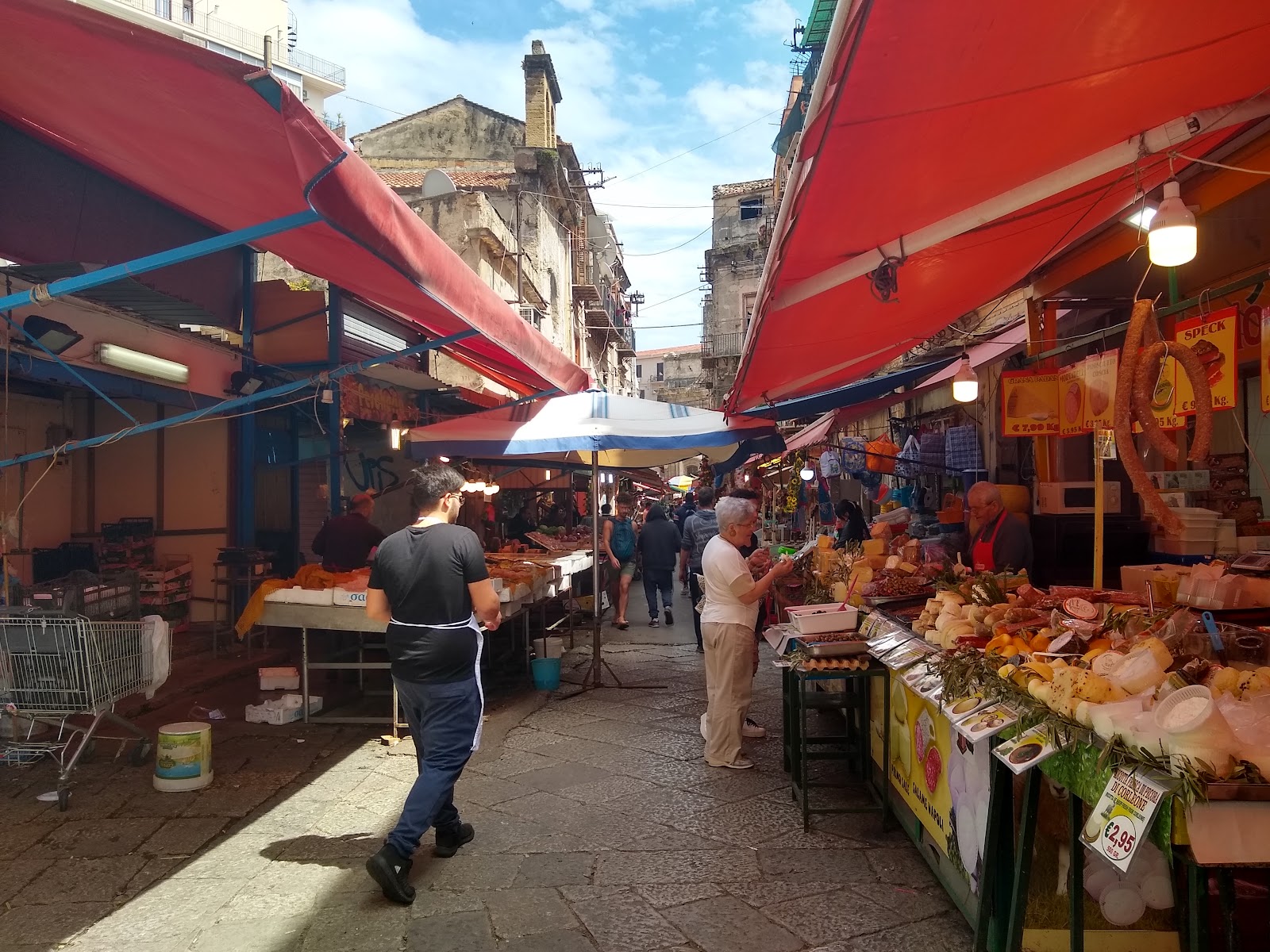
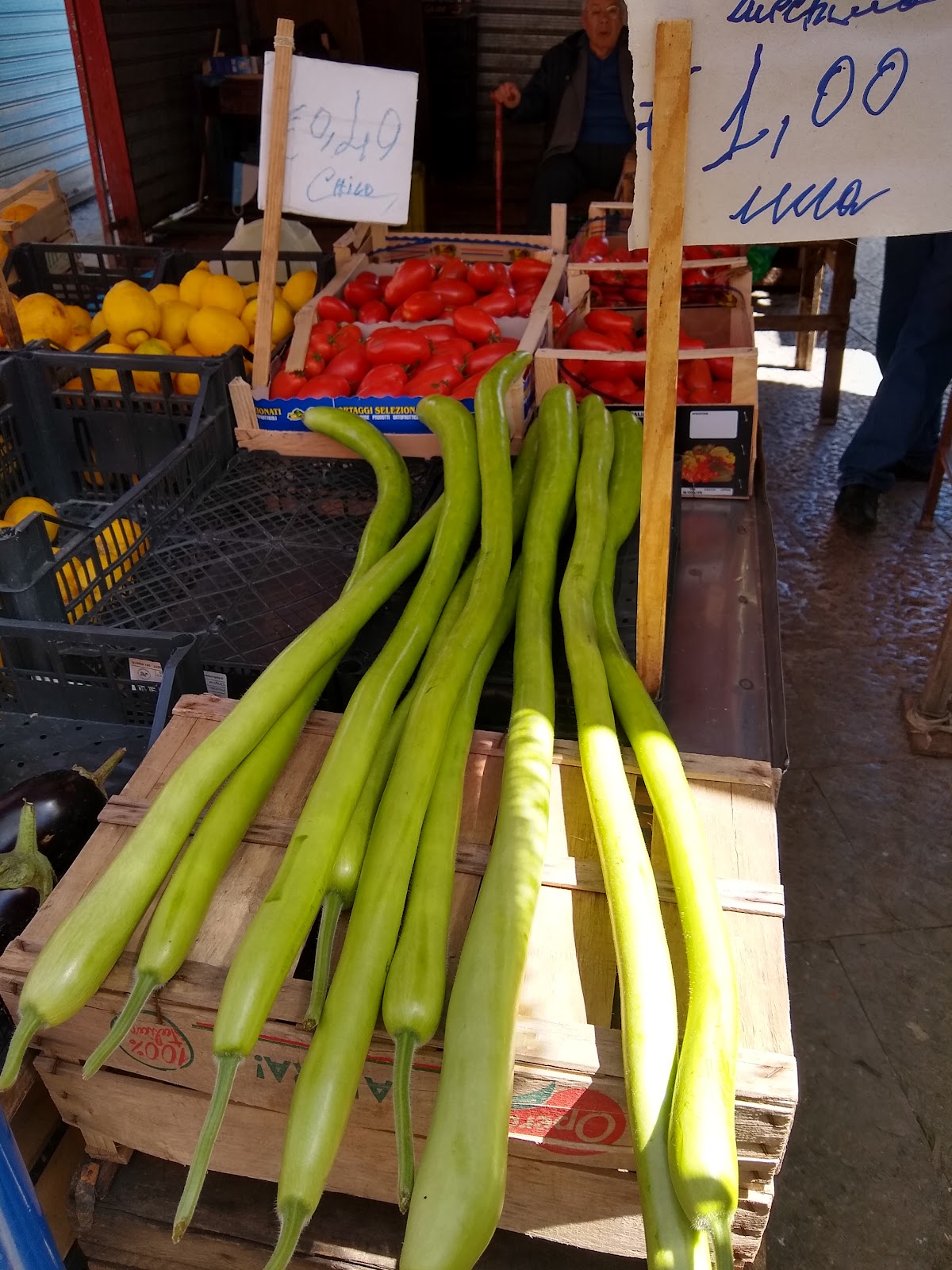
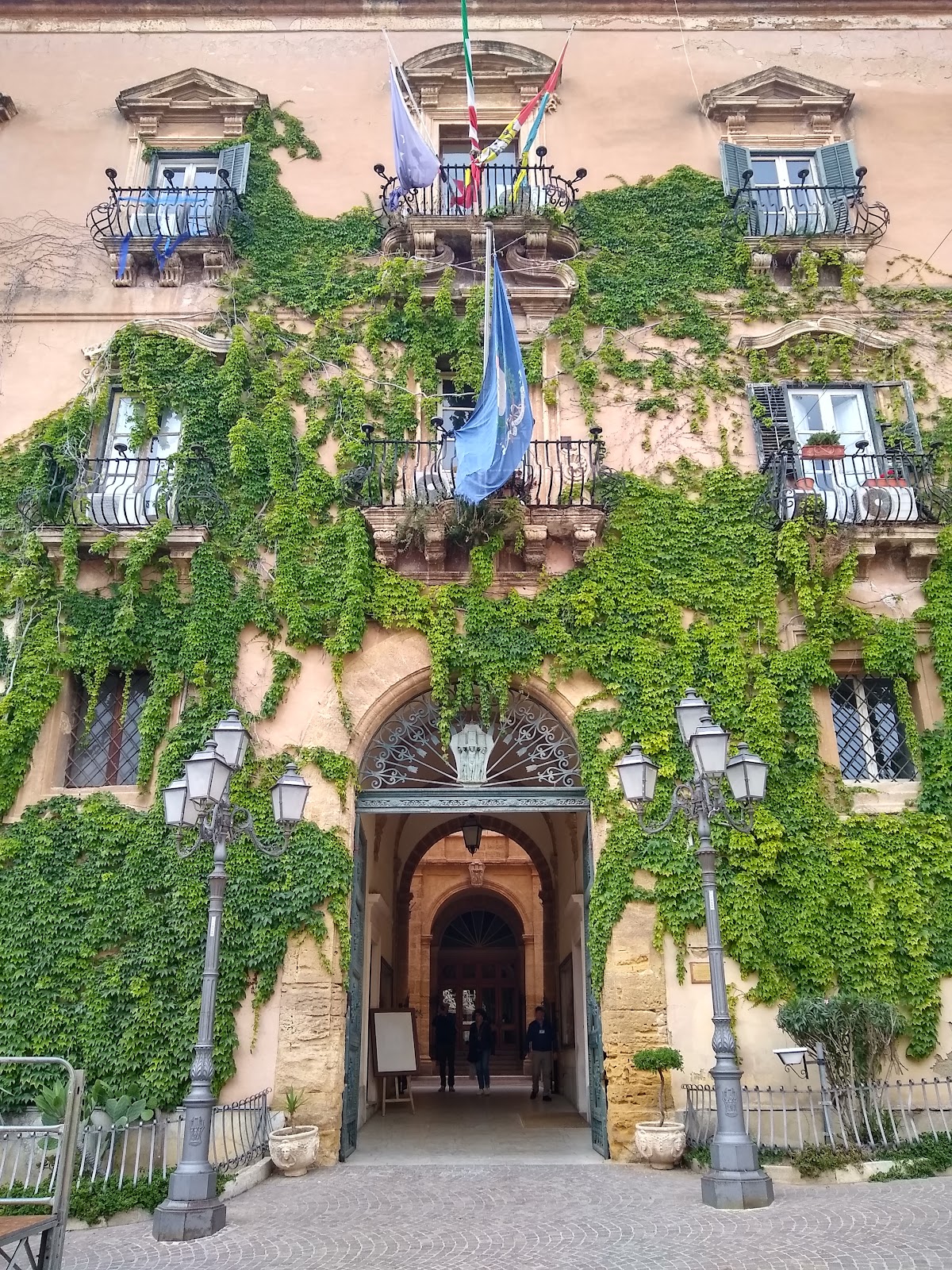
The next day we had a visit to the biggest and best of Sicily's street markets to obtain picnic supplies.  Some more of those fabulous cherry tomatoes, great big green olives, a super-salty, crumbly baked ricotta, some bread and a bottle of prosecco (not really a product of Sicily, but we hadn't had any yet in Italy, and this was our last chance.  We had plans to take our picnic to the outlying town (suburb really) of Monreale in the hills above Palermo. But when we just missed the bus and discovered the next one didn't leave for 90 minutes we decided to just plonk ourselves down in the park in front of the Sicilian parliament.  This was made somewhat more complicated when I read the park rules sign and it said "no picnics outside of designated areas". Apparently super popular tourist towns in Italy (Florence, Venice, Rome) have started to ban eating in their most popular public spaces to reduce litter and the sheer numbers of people occupying them for extended periods (and presumably to boost the revenues of nearby restaurants).  We actually went to the trouble of asking a policewoman and she said something to the effect of "go ahead but don't be a dick about it".


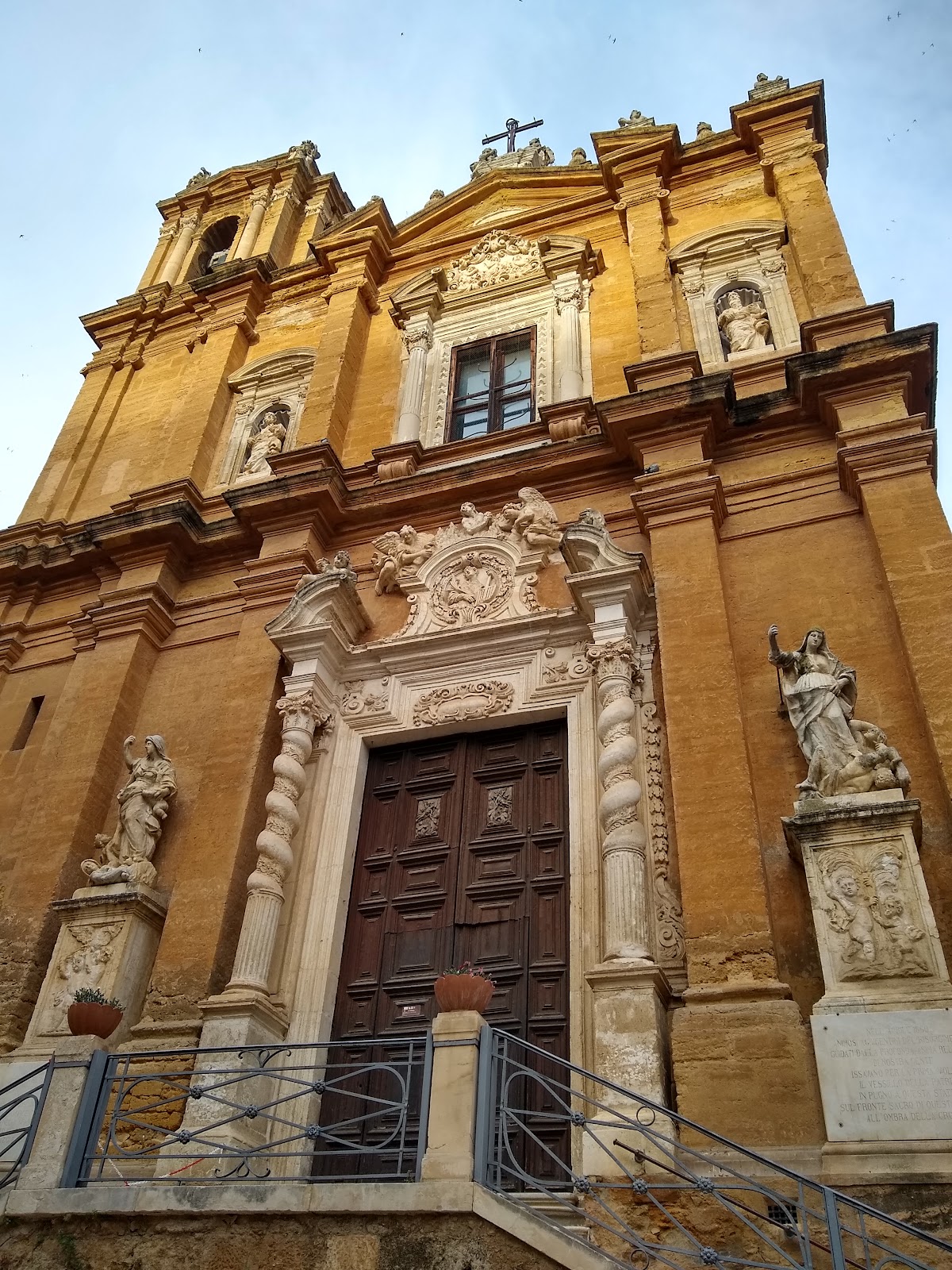
We had a long casual stroll home after this past the cathedral and the lovely pedestrianised XXx.  This gave us time for a wee nap before making our return pilgrimage to Taverna Azzura. We arrived around seven and spent about six hours watching the crowd first grow and then heave around us.  We had two made-to order pizzas ourselves (up 'til now we'd just had the slices and mini-pizzas from the cabinet) and they were well up to standard, perhaps even better. Overall champion was the Pizza xxxFolded with rocket, gorgonzola, tomato sauce and mushroom.  I think it's going to be a while until I can bring myself to eat any other pizza (in fact, since I'm writing this well after the fact I can say that it's been three weeks and I'm just starting to consider it).


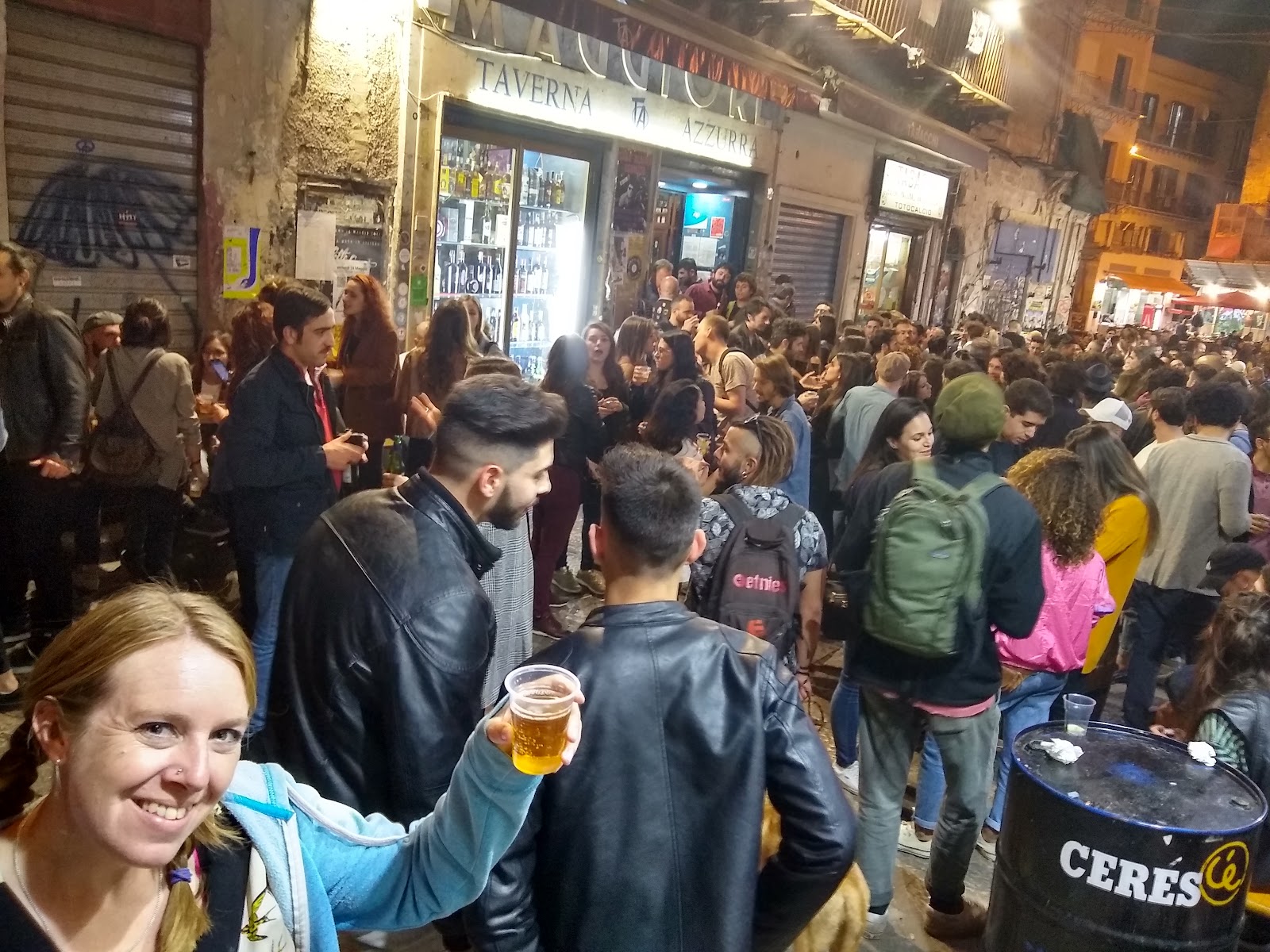

We had a few Moretti lagers and Sarah a couple plastic cups of sweet Vino Zibbibo.  Taverna Azzura had glasses, but it seemed like only regulars (or people who looked more responsible than us?) got to take them out into the alley where the vast majority of eating and drinking was done.  Turned out to be no bad thing, as a homeless guy who we'd previously given a cup of beer to grabbed one out of Sarah's hand sending it splashing to the ground, stickyfying legs and hands in the process. Boo!

Even though our flight the next day wasn't until the late morning, we still had to show some semblance of sensibility, so with a heavy heart we said goodbye to Taverna Azzura and its deliciousness and headed home past the baroque and Arabo-Norman wonders of Palermo for one from final time.

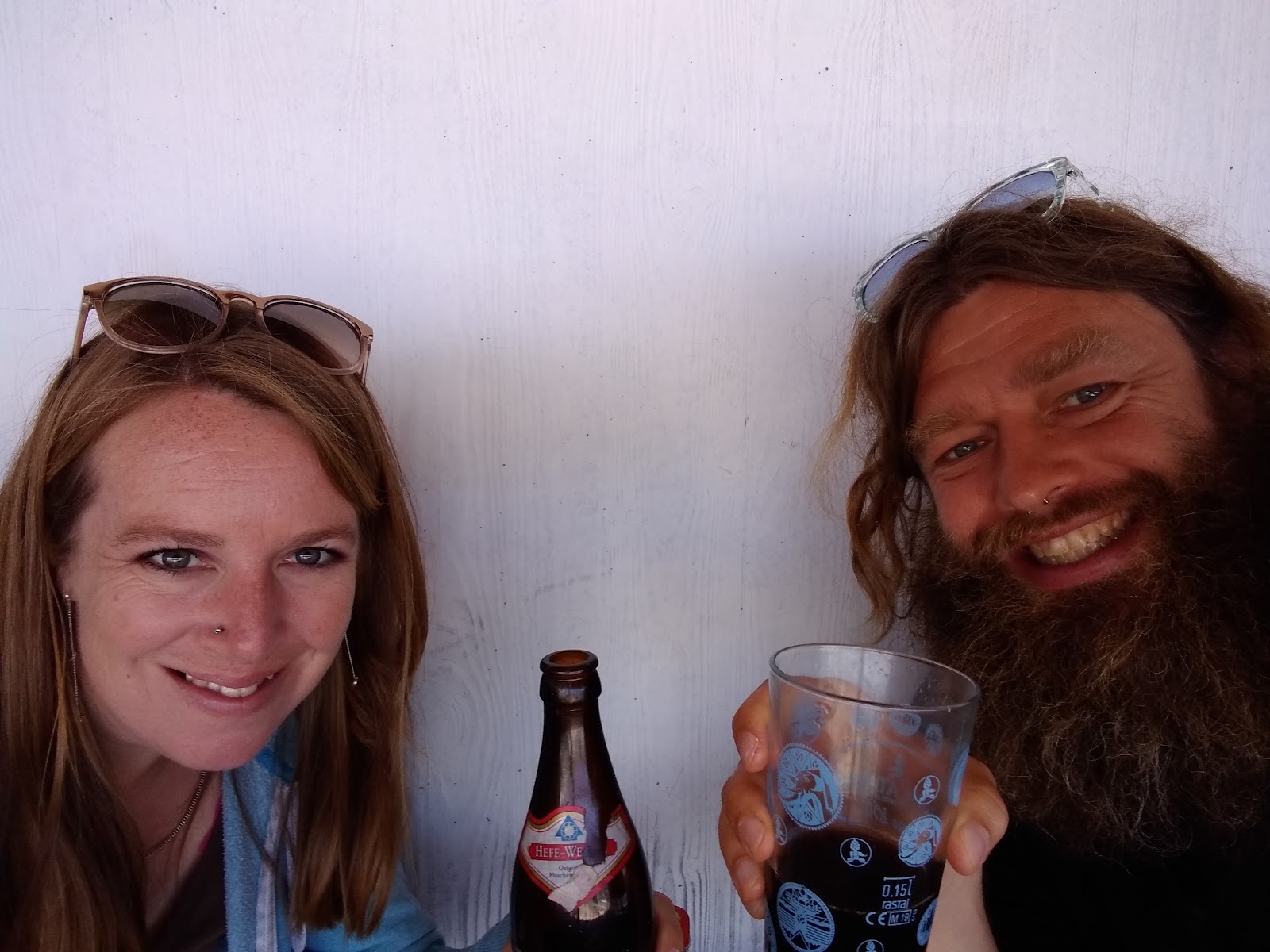

Palermo's airport is a fair way out of town, but there are regular inexpensive express buses.  Despite many (often justified) complaints about Ryanair when things go wrong (and when they do annoying stuff like charging €55 to print boarding passes… In what universe is that even vaguely proportional to the costs?  Or even proportionate to any outcome it's meant to encourage? I suppose I shouldn't complain because it's the unfortunate buggers who end up paying these fees that allow people like Sarah and I to buy €16 tickets without driving the airline bankrupt).  Anyhow, when things go smoothly as they did in Palermo, it's just fine. There was practically no queue and we had plenty of time to admire the spectacular mountainous backdrop to PMO while drinking our final airport beer for a while, a gift of homebrew from Gianluca (somewhat oxidised and autolysis-y, but actually still surprisingly pleasant for that).

Coming up next: arrival in Romania and the start of the Balkan leg of our trip.


Saturday, 22 June 2019

The Best Pizza in the World

The port in Palermo is quite central.  We disembarked from the ferry and joined a short queue for immigration.  Curiously, the whole process seemed considerably more relaxed than the document checks at the other end (although now that I think about it, it's regularly the case that airlines are much fussier about passengers following the letter of the immigration law than are the officers whose actual job it is to enforce the rules.  The ferry had arrived at 06:00 or something like that and our Airbnb was right by the port so we were actually home, unpacked and ready to explore the city early in the morning.

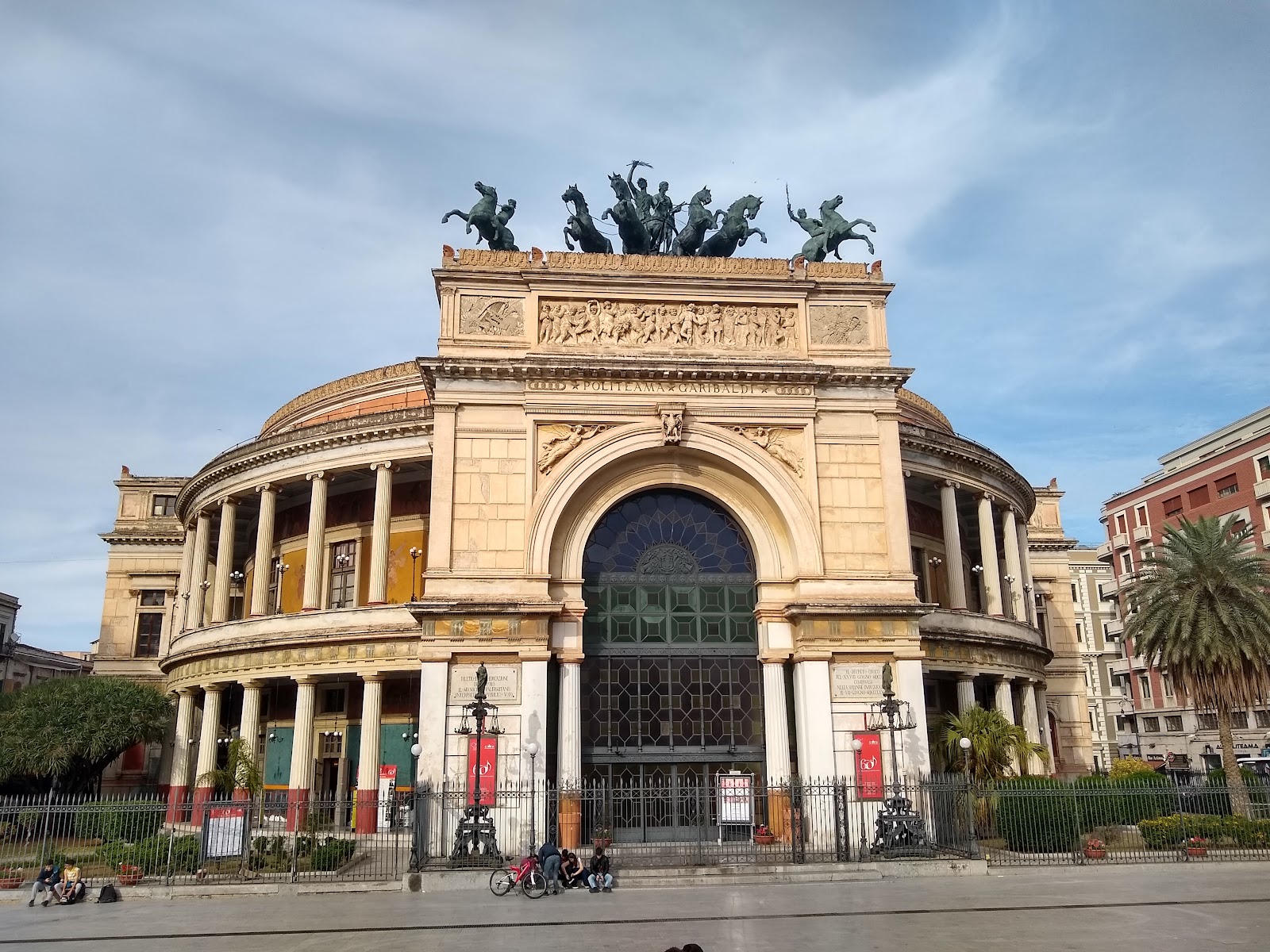
Palermo was one of those cities that I fell in love with almost immediately.  It's just got everything. We did almost no planning, and little "formal" sightseeing during our two days there, but managed to have a fabulous time all the same.


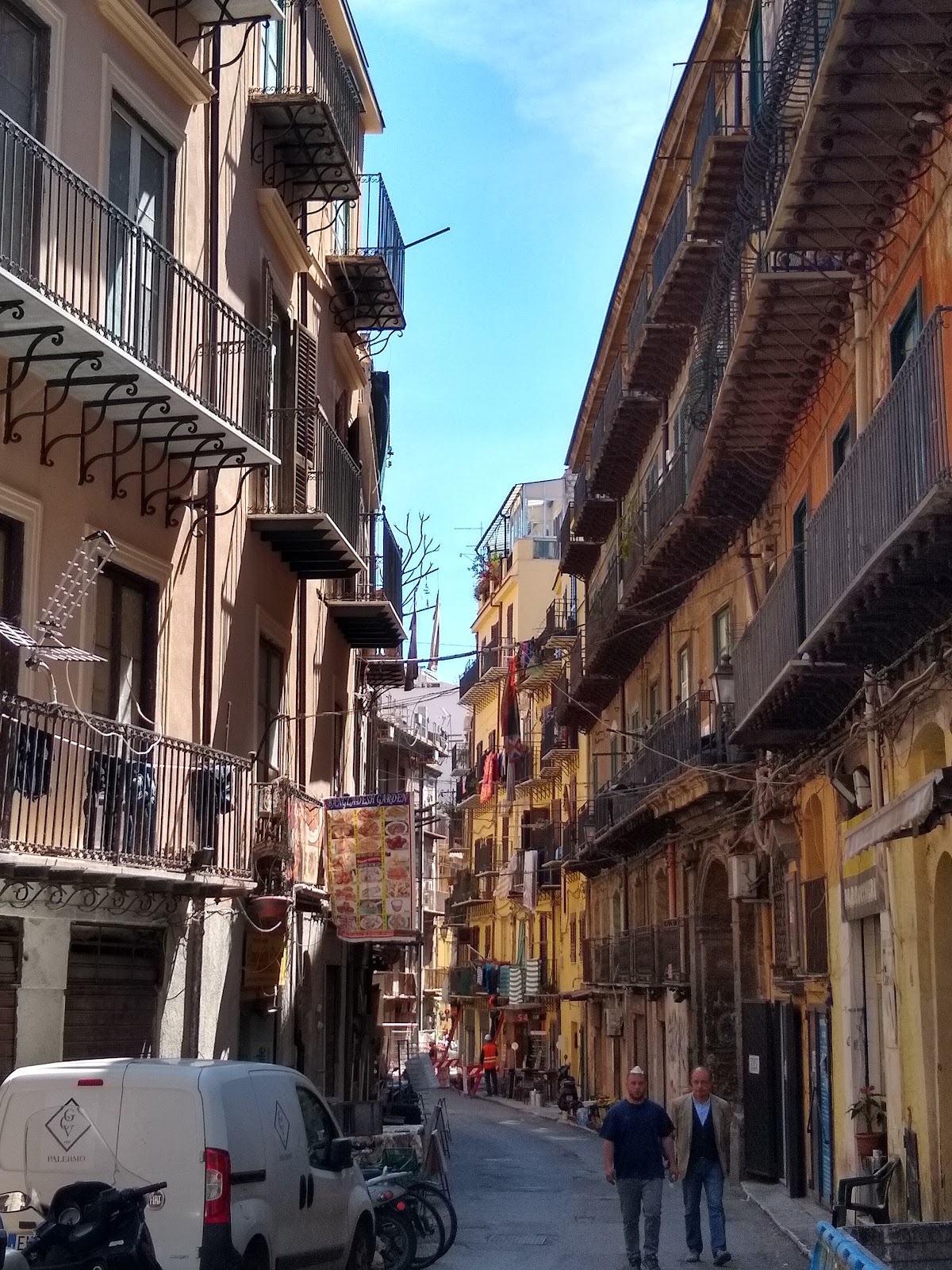
First priority was to revel in no longer being under the strictures of Ramadan (and to ease ourselves into Italian culture) by having a morning coffee outdoors.  From there it was on to explore the centre of the city. Central Palermo is mostly made up of brown and black water stained buildings, made pretty and lovely by the balconies, wrought iron grilles and brightly coloured laundry hanging out above the narrow streets.


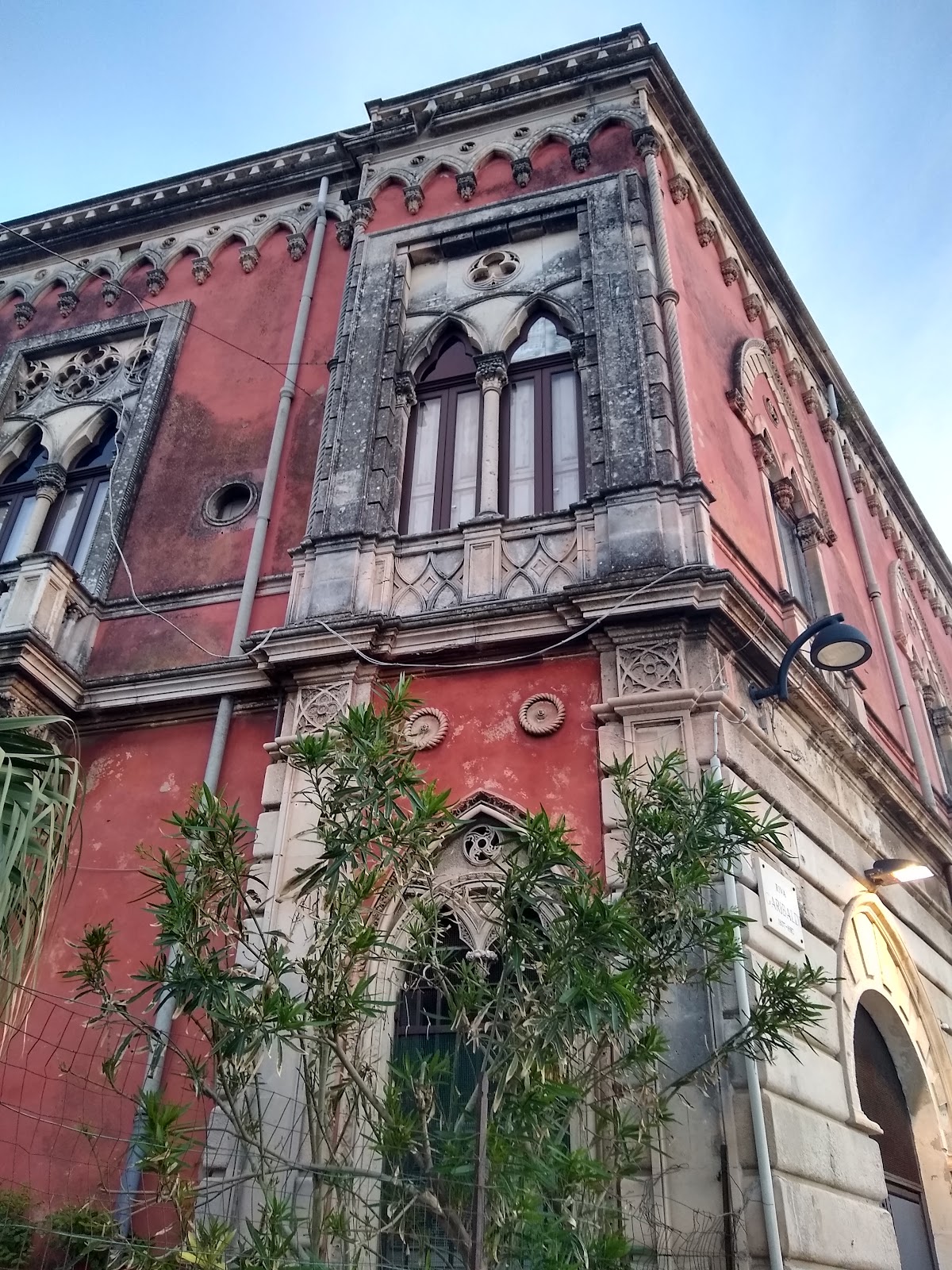
On top of these it's studded with individual gems that you just sort of stumble across as you wander around the streets and alleys.  Some of these are renaissance era plazas, churches and theatres, which are okay, but aren't generally my favourite things architecturally (though one of the churches had an interior jam packed with polychrome marble decoration, which was pretty impressive).  The very coolest things for me however were the Arabo-Norman palaces and churches. See, Sicily was ruled by the North African Fatimid and Kalbid dynasties for almost two hundred years in the 10th and 11th centuries. It was returned to Christian rule when it was conquered by the Normans in 1071.  They brought with them their own architectural style, but most of the island's people and artisans had absorbed that of their Arab predecessors. Which meant that the new style was sort of a cross between the two. Meaning that a lot of Palermo's grand buildings from the 11th and 12th century are a mix of Arabic and Viking.  How cool is that!?!


The other, much less obvious gems of Palermo were the culinary ones.  Wandering around a residential suburb full of apartment blocks we stopped and had a canollo (delicious rolled crispy pastry filled with sweet mascarpone and cream) and a café d'orzo.  One of the best "coffees" we had in Italy, so it came as something of a surprise when we learned that it was not coffee at all, but an infusion of roasted barley!


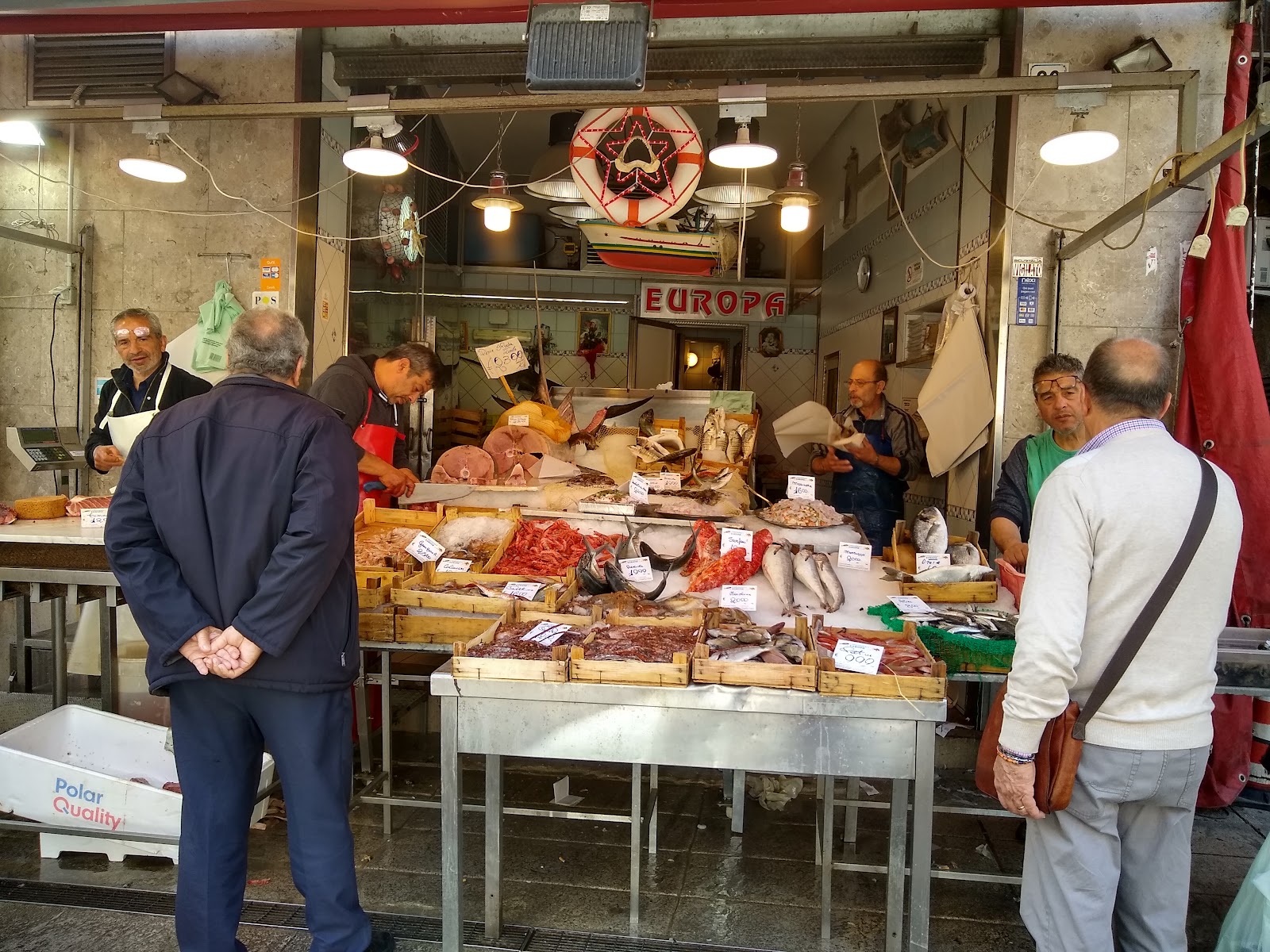
Palermo is full of fabulous street markets that feel almost more middle eastern than European.  They sell all sorts of goods, but we picked up some of the best, sweetest cherry tomatoes I've ever had at one, though we didn't quite have the appetite or cooking facilities for the huge whole swordfish that appeared at pretty much every fish seller.


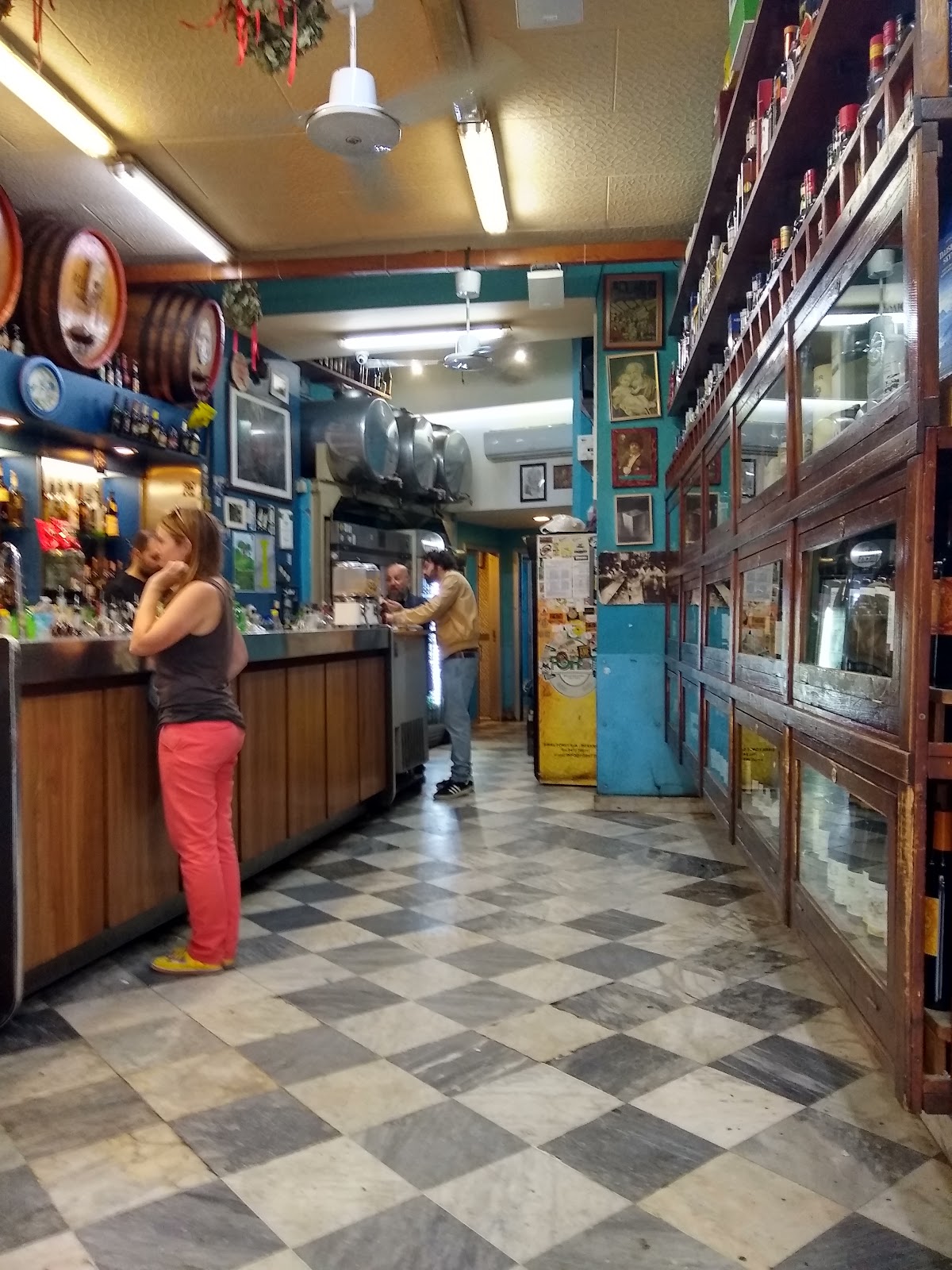
And there was Taverna Azzurra.  Ah, Taverna Azzurra. We stumbled across it on our first afternoon in Palermo.  It sat in a narrow street (an alley almost) just off a small piazza that was full of fun looking open-air restaurants.  And it pretty much instantly joined the list of my favourite bars in the world. They had cheap beer (€2 for a 660ml bottle of the entirely serviceable Moretti lager), glass carboys in water-cooler type configuration that poured vino Zibbibo (a dark golden Italian sweet-ish wine that reminded me of a medium Viño de Jerez) and a couple of other speciality wines.

Taverna Azzurra doesn't really have seats, inside.  Rather, customers congregate in the alley outside making it a lively and cheerful spot from around 13:00 until late into the night.


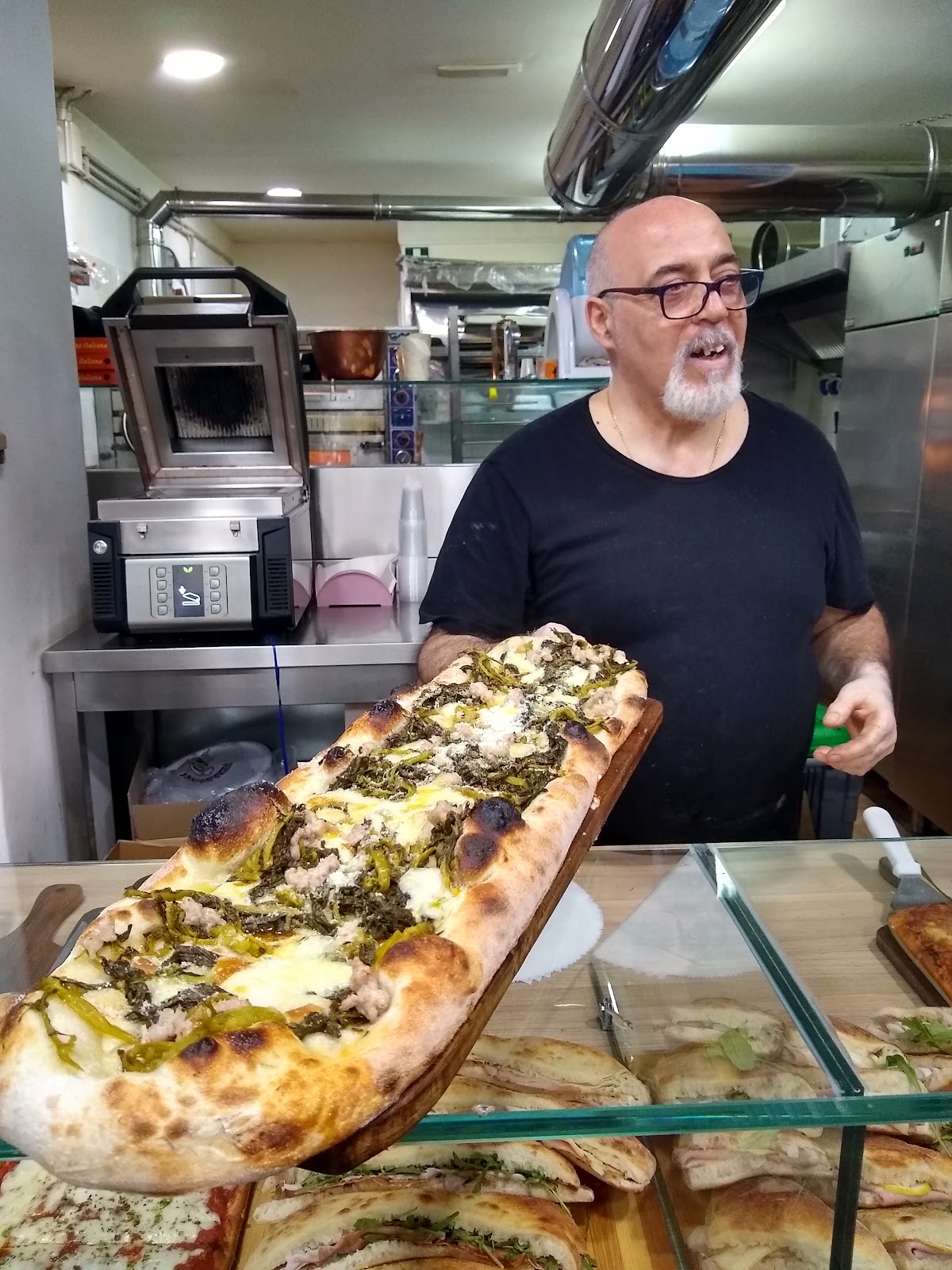
And of course there's the pizza.  Taverna Azzurra produces the best pizza I've ever had.  There are mini pizzas, calzones and panini in the cabinet for €2-3 that they'll warm up in the Panini press for you (if you're not lucky enough to get one that's not straight out of the oven as we did with our first) or whole pizzas made yo order from €4.   The base is crispy on the outside and chewy inside with just enough charring to give it flavour without being burnt. The tomato sauce is fresh tasting and delicious. And while the cheese and toppings are good, they're really just there to back up the perfectly done basics.  They may be slightly heretical by being made in Sicila rather than Napoli, and in a gas oven instead of a wood fired one, but if I couldn't eat a different pizza for the rest of my life, I think I'd be pretty okay with that.


Having dispensed with the dining, I can move on to our one bit of formal sightseeing in Palermo (which might otherwise have put you kind readers off our lunch).  The Capuchin Crypts. In the late 1700s, the cemetery at Palermo's Capuchin monastery was running out of space, so the monks began to inter their brothers in the cellars beneath.  The cool dry air and careful treatment by the monks led to the corpses mummifying. The plan (insofar as there was one) was for only monks to be laid to rest there, but somehow or other the monastery basement became a popular place for the wealthy and distinguished of Palermo to be "buried".  For over a century the catacombs were expanded and expanded to make room for more and more guests. They were left in lifelike poses, fully clothed (sometimes having their clothes changed regularly!) for as long as the families could pay for their maintenance. By the time the final body was laid to rest there (the remarkably well preserved baby Rosalia Lombardo, who died in 1920) there were around 8000 corpses in the catacombs, with over 1200 of them being mummified and remaining "on display" for friends and family (and later, morbidly curious tourists) to visit.

There were, quite reasonably, no photos allowed.  But the walk through the cool, dusty smelling catacombs was a fascinating, if slightly spooky, look into Palermo's more recent history.

When it came time to leave Palermo we were sad to say goodbye.  We'd spent a mere two days in the there, and in that short time it has become one of my favourite small cities in Europe.  But we had limited time in Italy (our plans were already beginning to press the 90 days in a 180 day period that Sarah was allowed in the Schengen zone) and there was much more of Sicily to see.

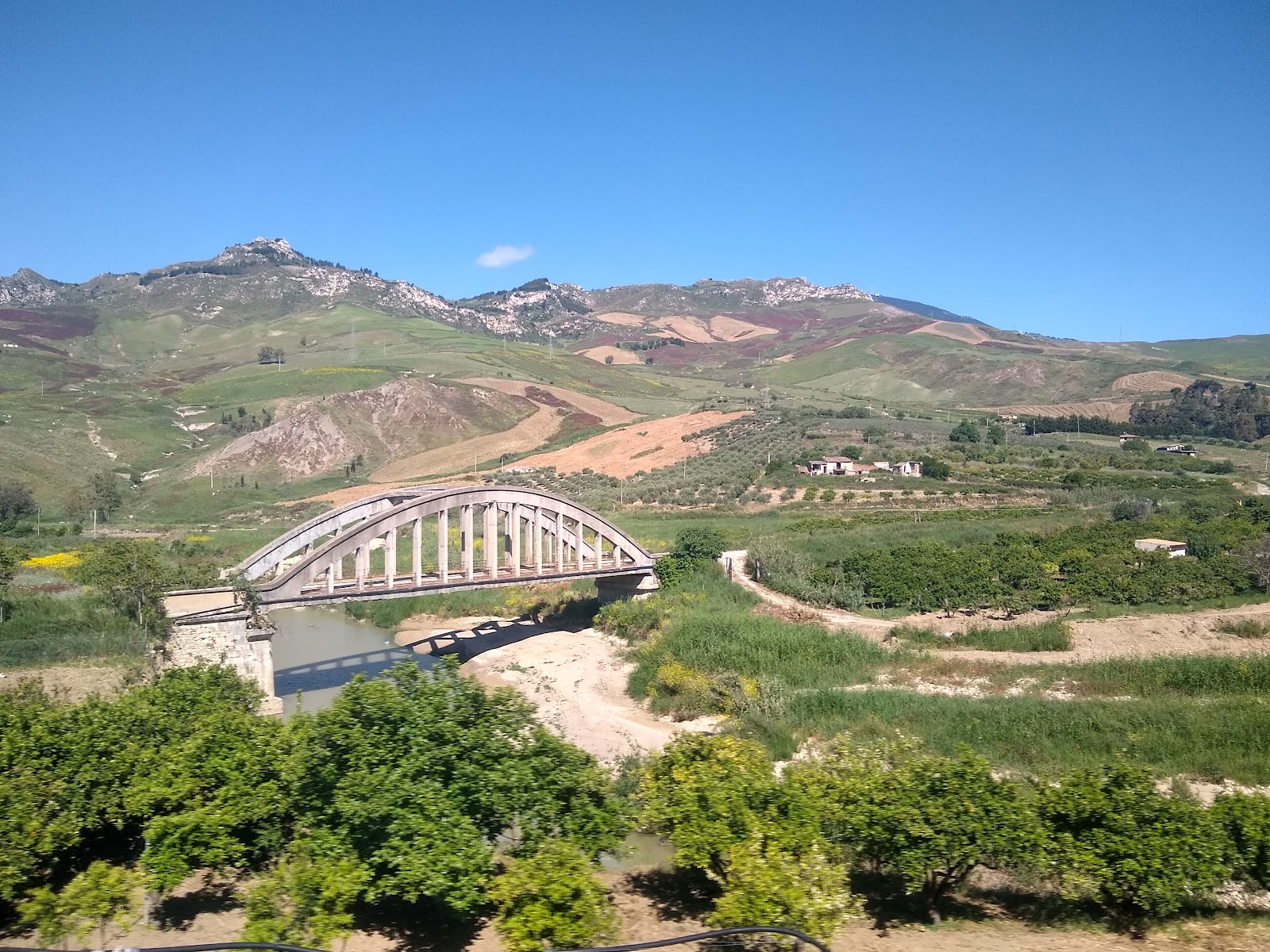
This began with a beautiful train trip along the narrow coastal plain to the east of Sicily, and then across beautiful springtime in the rugged and isolated mountains that are at Sicily's heart as we spent three hours making our way from the island's north coast down to the south and the city of Agrigento.


Friday, 21 June 2019

Grande Grecia

Agrigento is primarily known for a single big tourist attraction, which I'll talk about momentarily.  But the town itself was actually very nice as well.

I went for a wander in the early evening post-sightseeing and discovered that it's almost the Platonic Italian hill town, with lots of barrow little alleys, small churches around every corner and everything from early Romanesque to Renaissance to modern architecture (of particular note was an 11th century church that was built on top of an ancient Greek temple!)


It was also interesting that the town obviously had a healthy and hefty tourist industry, with lots of charming guesthouses and shops selling Sicilian pottery and other souvenirs.  We'd seen some evidence of this at the big archaeological site outside of town, but until I tooky evening stroll I'd figured that everyone came on daytrips and never really visited the town proper.

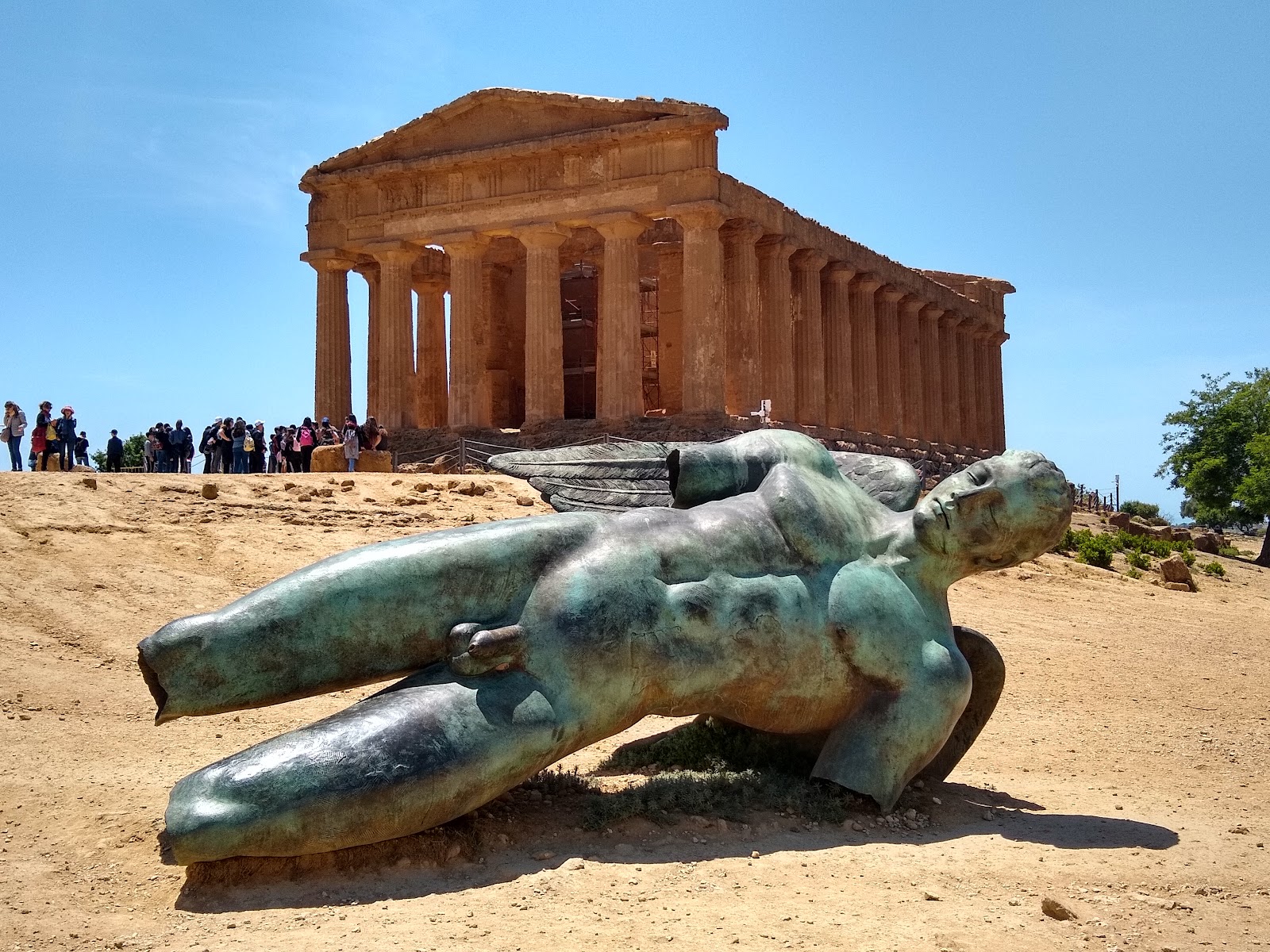
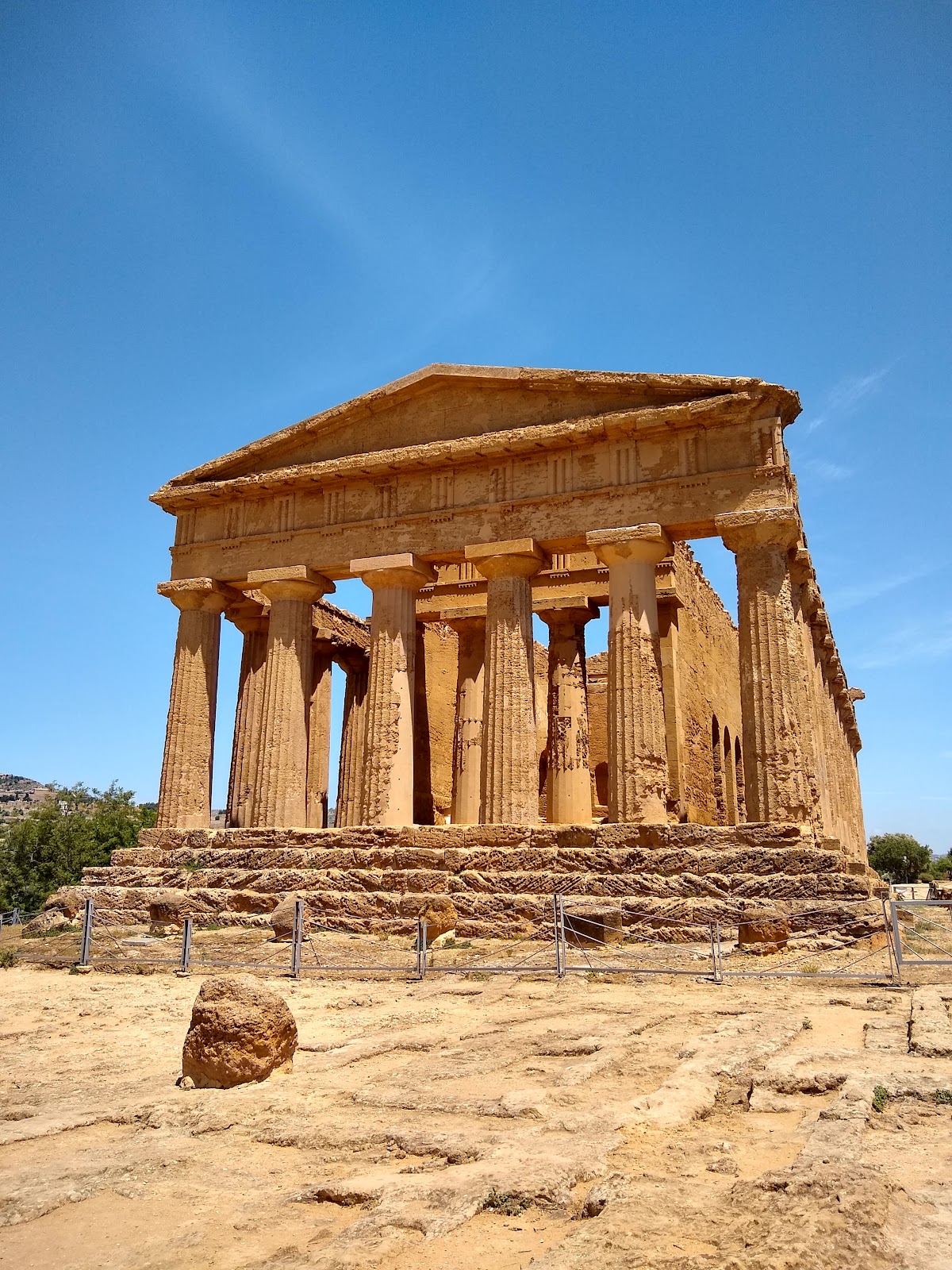
Doubtless this is actually what many people did, skipping the 3km walk we took down from the hilltop setting of the town to the low ridge paralleling the shore of the Mediterranean a kilometre away.  Atop this ridge was the (completely inaccurately named) Valley (I just said it was on a ridgetop, right!?) of the temples.

The valley/ridge is home to a half dozen ancient Greek temples in varying states of repair.  Being in Italy you might expect all the classical archaeological sites to be of Roman origin, but in fact Sicily and other parts of southern ltaly were amongst the first and most prosperous parts of Magna Grecia, "Greater Greece", Greek colonies around the Mediterranean whose settlement coincided roughly with the rise of the Roman empire.

Having just been in Tunisia where even really fabulous sights/sites like Dougga were largely empty, it came as a bit of a shock to see the crowds milling about at the entrance (and an entry fee that was double digit New Zealand dollars).  The temples were pretty impressive, the day was gorgeous and though the site was busy, it was over a kilometre long, and most of our fellow visitors were in large groups, so we were often more or less alone with the temples.


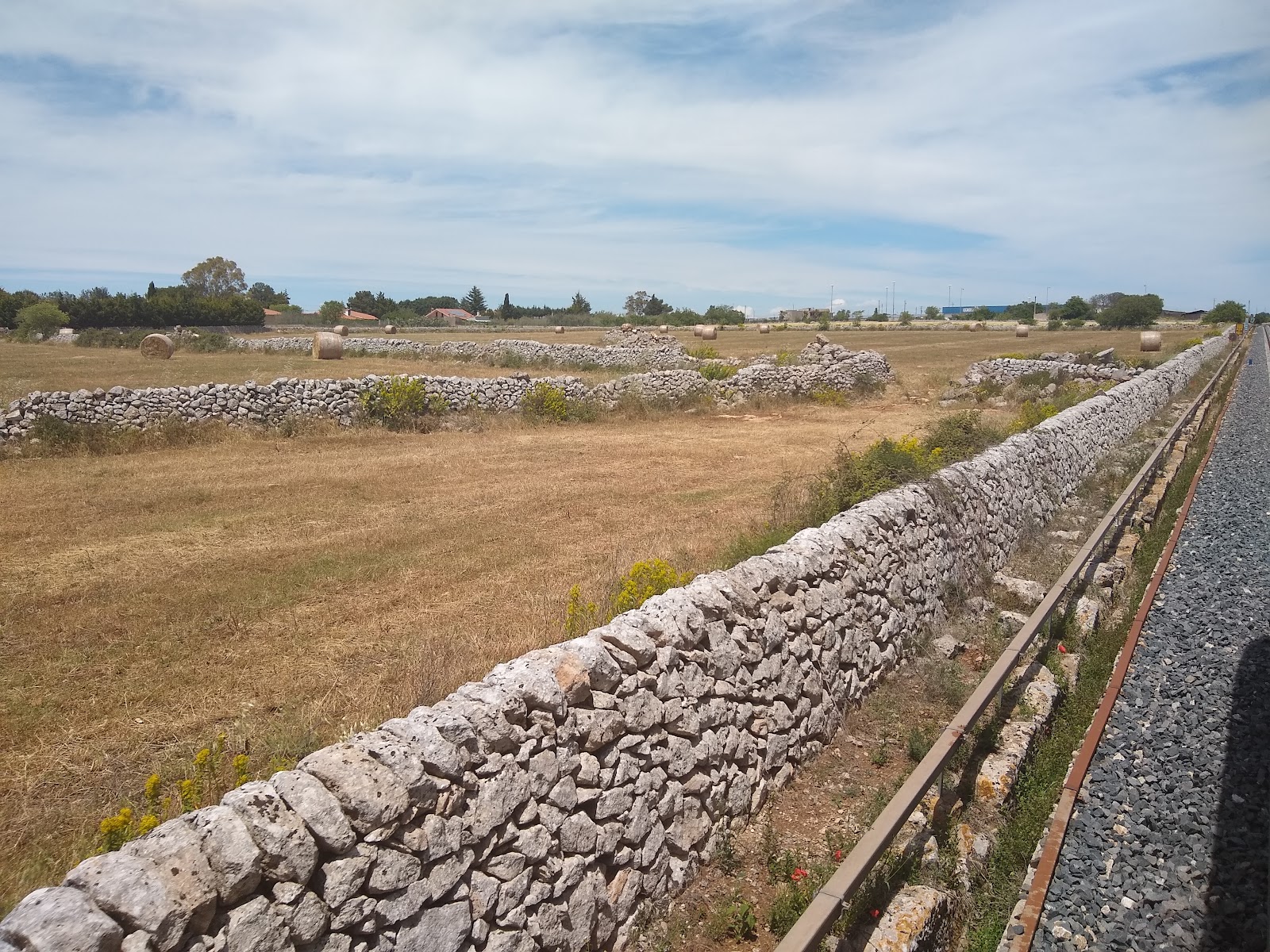
We departed Agrigento by bus before transferring to the cutest little single-car diesel train that was almost like a little bus on rails.  We rattled our way through the countryside and up into the hills in the island's centre.


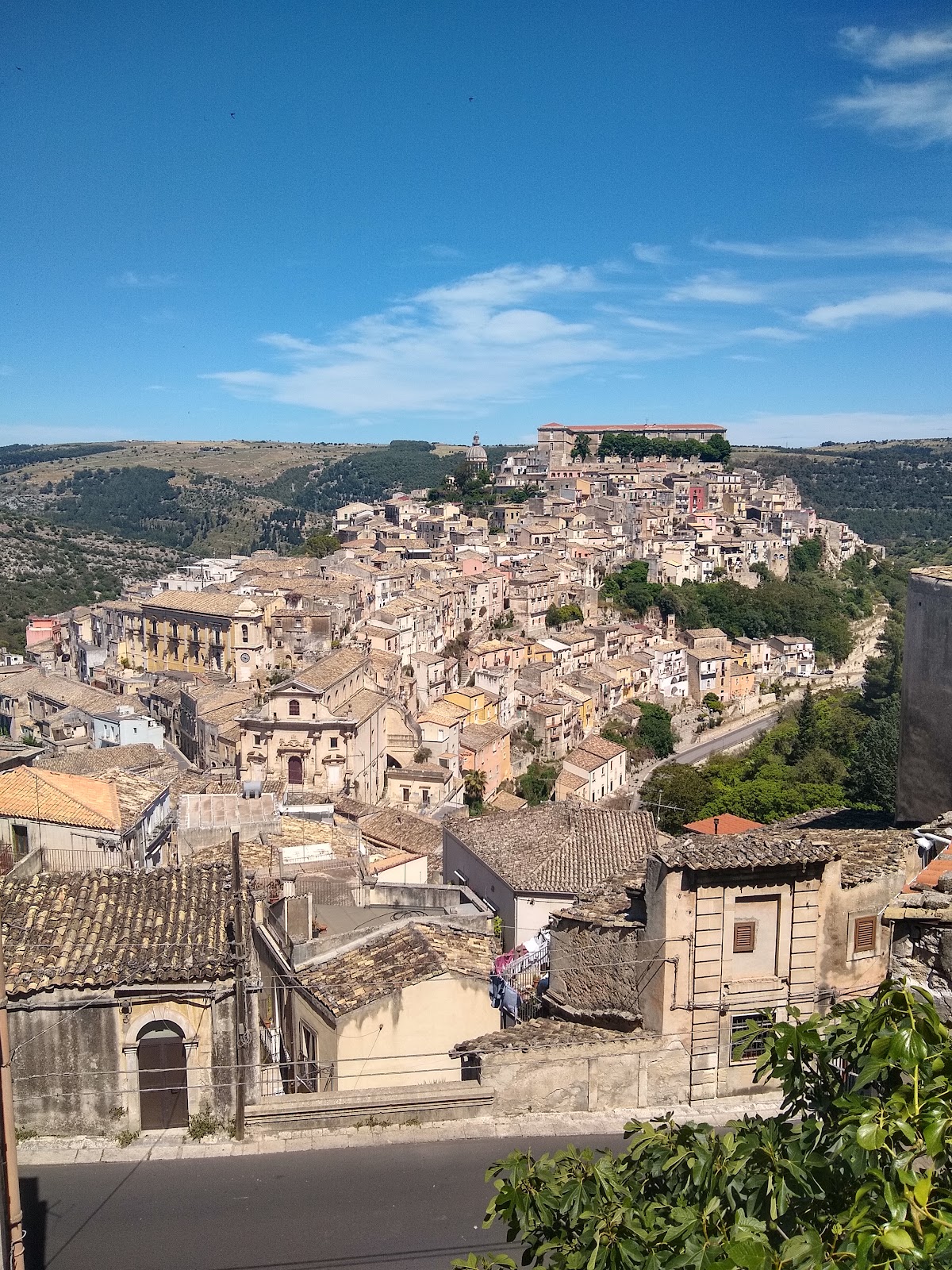
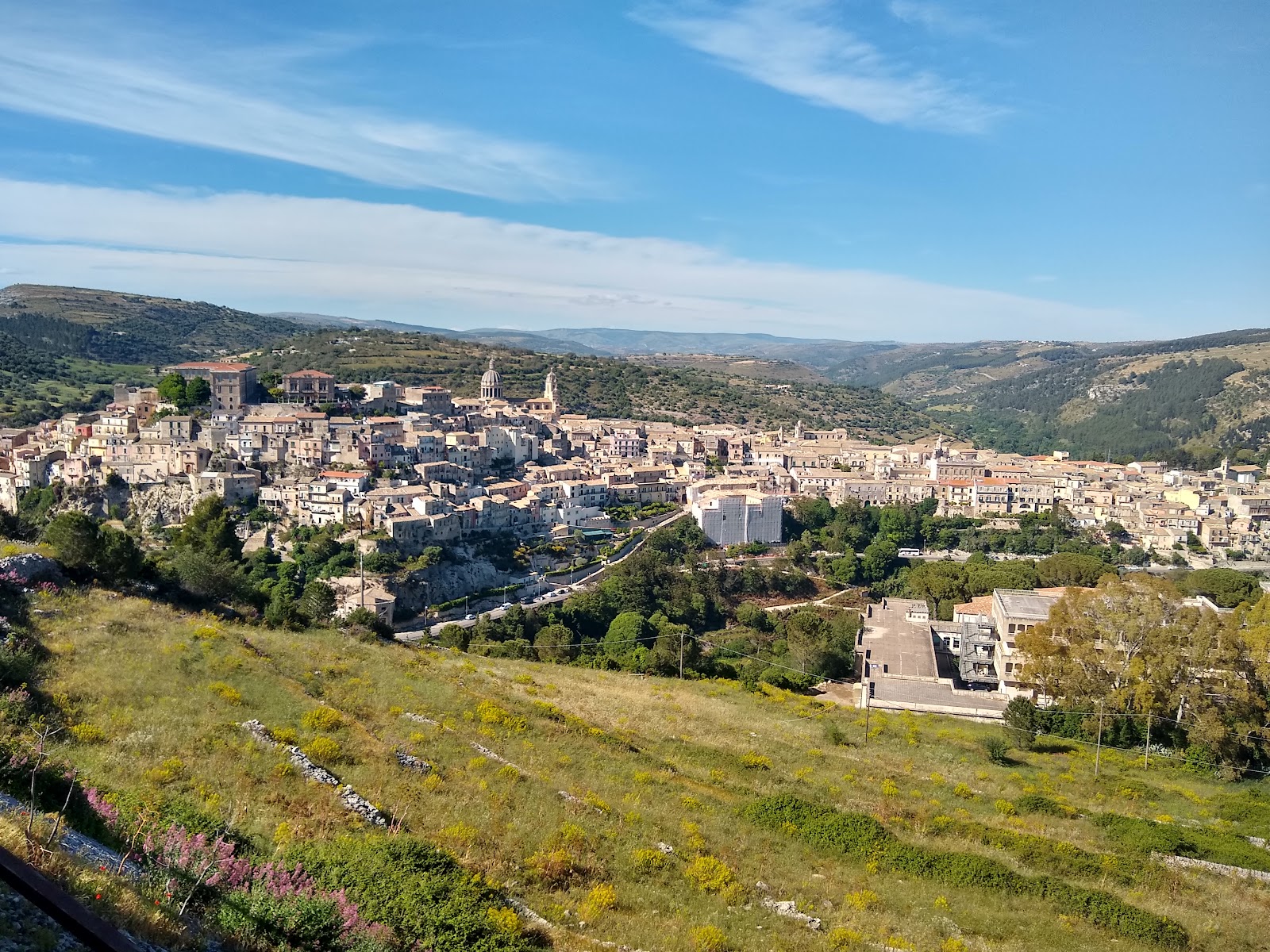
We planned for a stopover in the little town of Ragusa, famous for its Renaissance architecture.  We got off the train and walked to the cathedral, supposedly at the heart of the most beautiful part of the town, and were a little underwhelmed.  I mean the place was pleasant enough, but I really couldn't see what all the fuss was about.

It took us a little while to realize that Ragusa consisted of two towns, the upper and the lower, which had originally been separate municipalities, each with it's own cathedral.  Once we'd found our way to the lower town we had just enough time to descend the several hundred stairs to it and have a quick tour around before going back to the station to catch the next train to the city of Syracuse.  We redid the journey down to the lower town (and below) by rail. The tracks were a pretty spectacular piece of engineering, needing a couple of long, sweeping switchbacks and a spiral tunnel to take us down to the river valley below Ragusa.


Syracuse/Siracusa was probably the grandest city in all of Magna Grecia, and often the source of argument and trouble for the Romans, never being quite sure whether they wanted to be allied with/ruled over by the Republic or not.  It was also the home of Archimedes, and the site of his famous "Eureka!" moment when he leapt out of the bath on figuring out the basic principle of buoyancy.

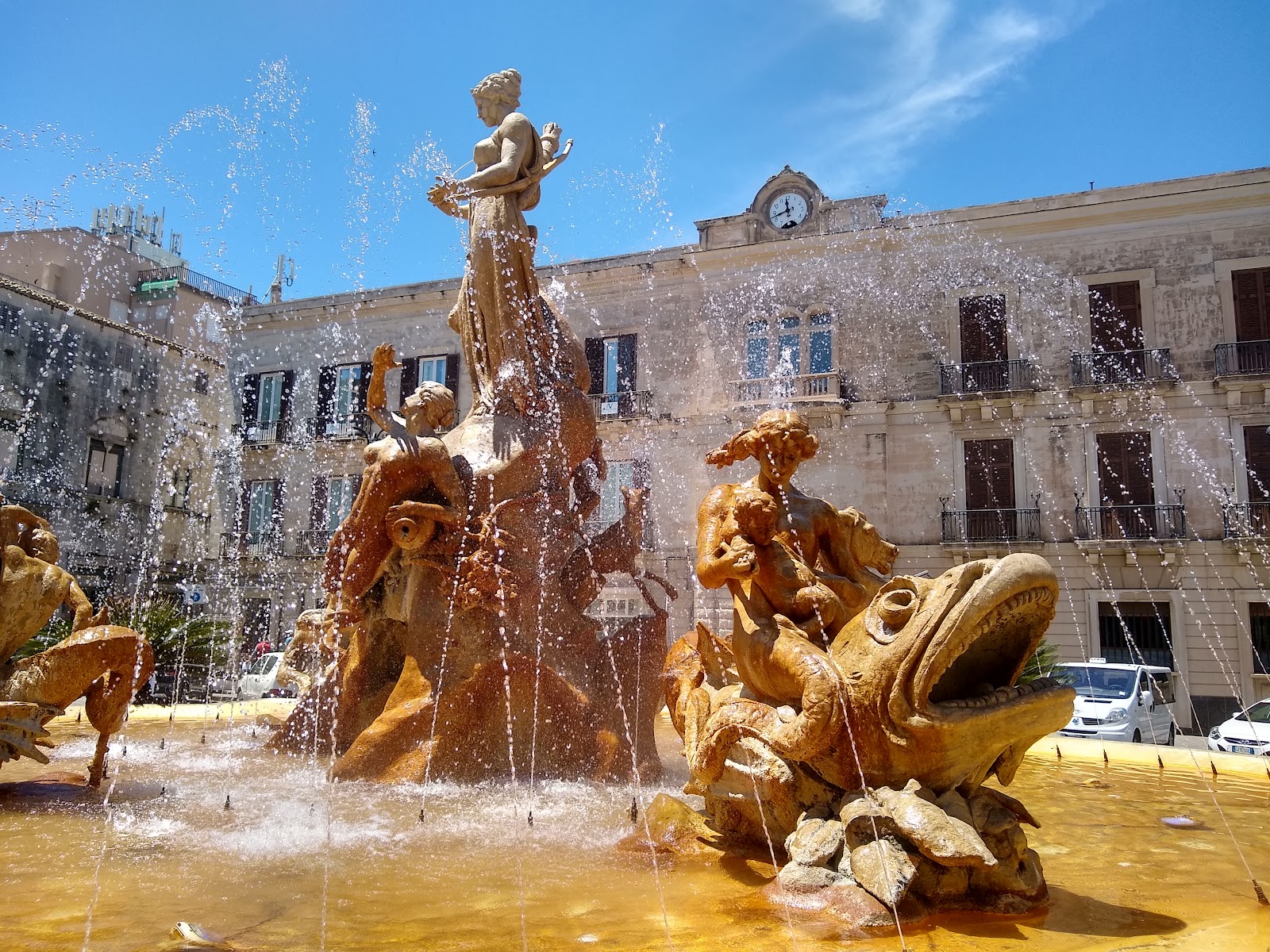
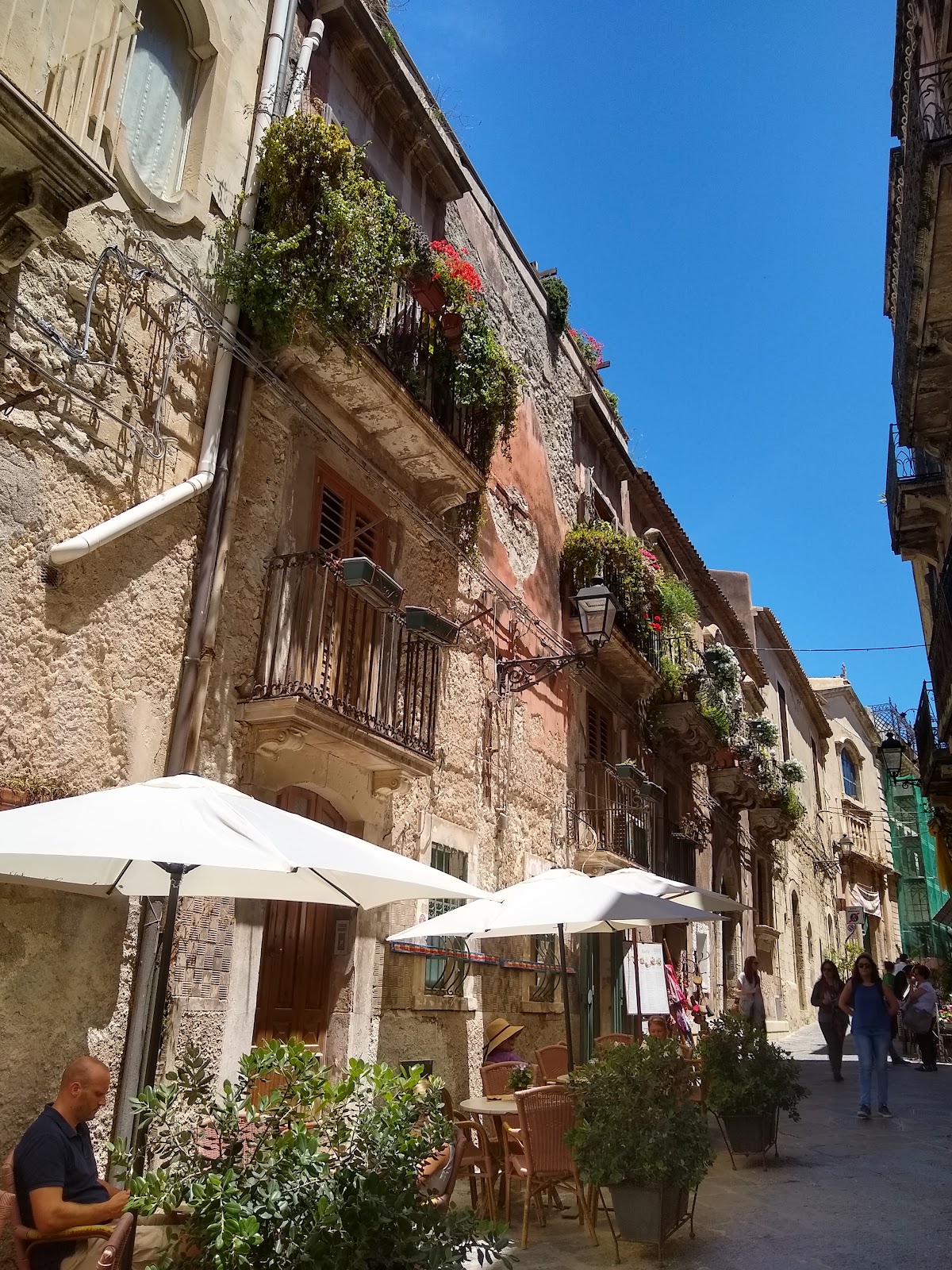
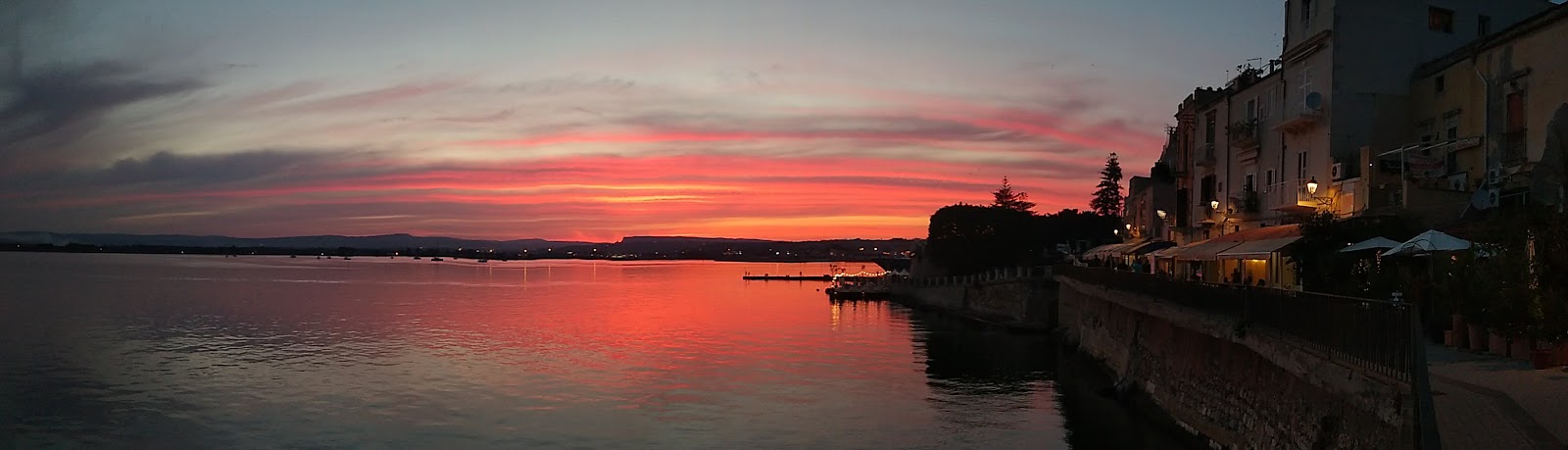
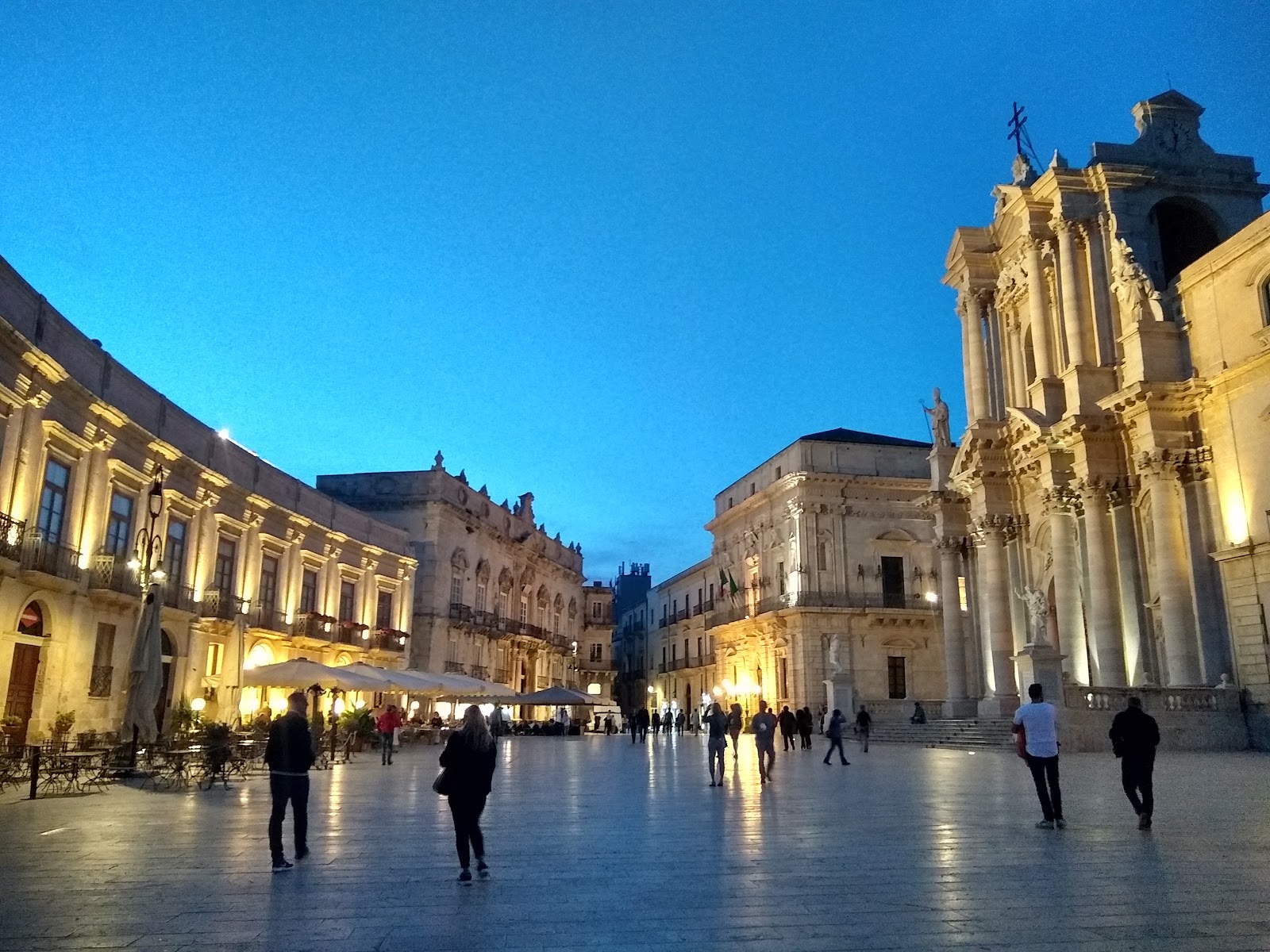
Even after this time, it remained a vibrant trade centre and the island of Ortigia is jam packed with Baroque churches and residences.  We spent two nights in Siracusa, but only one day. We were torn about whether to spend it in the the Baroque island or the archaeological site, especially as the annual performances of Classical Greek theatre were on at the latter.  But the ticket prices would have (literally) coat more than our entire daily budget and as the performances are in Greek with Italian translation, probably would have largely been lost on us. So we spent our day in Siracusa circumambulating the island's perimeter, then ducking inside to explore the churches and piazzas, and to have a picnic of fresh crescent shaped Sicilian bread and produce.  This was reprised in the late afternoon at the Rocky beach near our Airbnb on the mainland, where we joined the day's few remaining sunbathers and added a bottle of Sicilian red wine to our feast.


While in Siracusa we also had a couple of other important Italian culinary expetiences: the only pasta we ate while in Italy, Pennette ala Normana, a super Sicilian dish of small tube pasta topped with fried tomato, eggplant and grated, salted Ricotta cheese.  It's very rich and a little goes a long way! We also had our only gelato in Italy, mulberry flavour, as it was an unusual one and they seemed to be in season judging by the sticky purple footpaths we saw around.


We departed Siracusa by train for Sicily's second city, Catania, which sits about halfway up its east coast, towered over by Mount Etna.  Rest assured that there we'll have more food stories and a few unexpected adventures to tell you about!