Showing posts with label Czech Republic. Show all posts

Sunday, 13 October 2019

A Kraking Time

I absolutely adore Olomouc.  Part of it was that after five mostly cloudy days in the Czech Republic it was brilliantly sunny when we arrived.  And part of it was that it's one of the loveliest cities in central Europe, with virtually no tourists in evidence.  And part of it was the couple of absolutely wonderful pubs that Steven and I found there.

We had a really lovely time wandering around the narrow cobbled streets and grand squares.  And though the Cloth House and the beautiful and imposing church of St. Moritz were both under renovation, Olomouc still has plenty of lovely architecture (mostly 17th and 18th century, after it was badly damaged during the Thirty Years War) to go around, and it's easy to see why it (along with probably half a dozen other places in central and eastern Europe!) is sometimes called Little Prague.


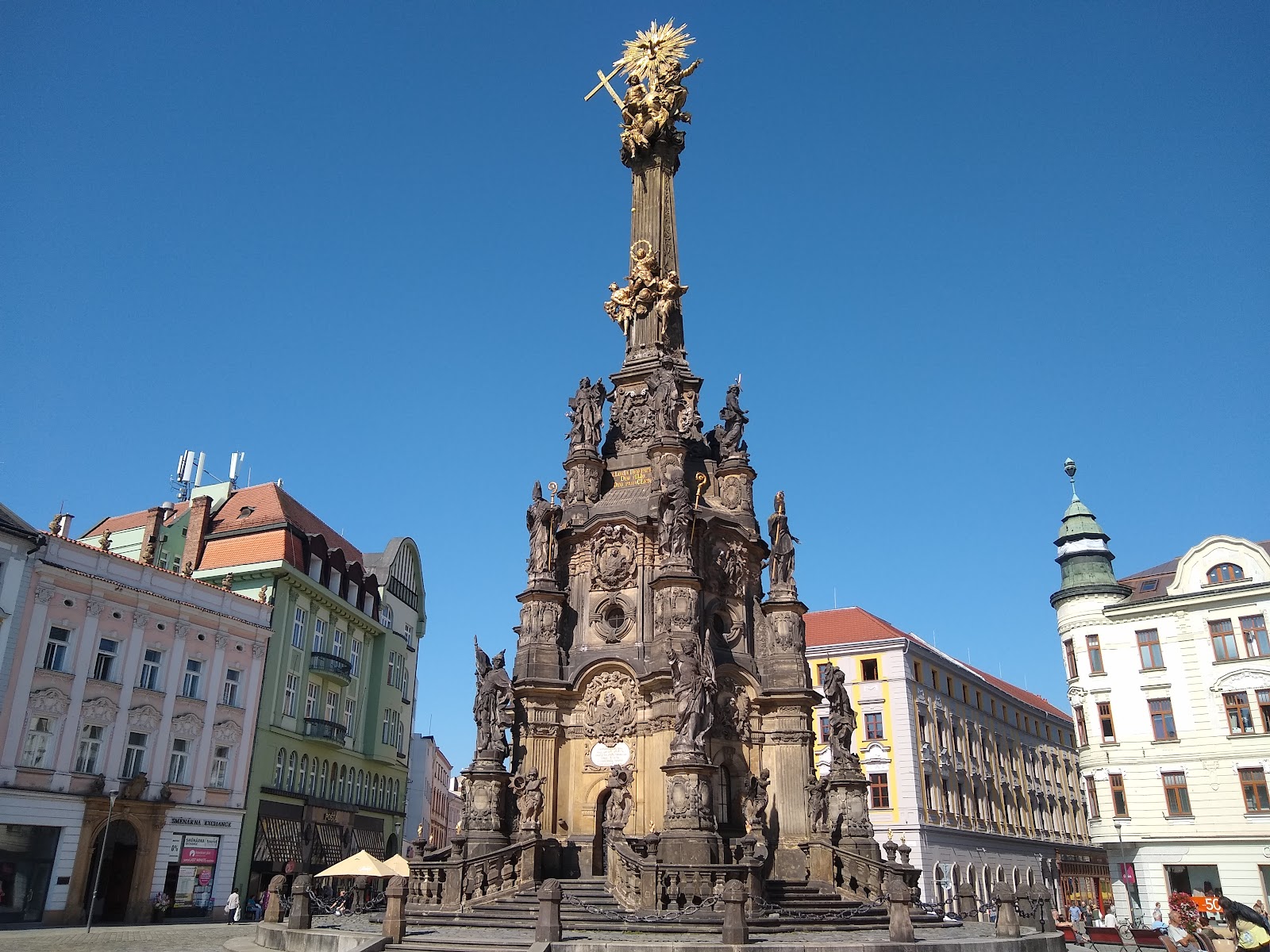
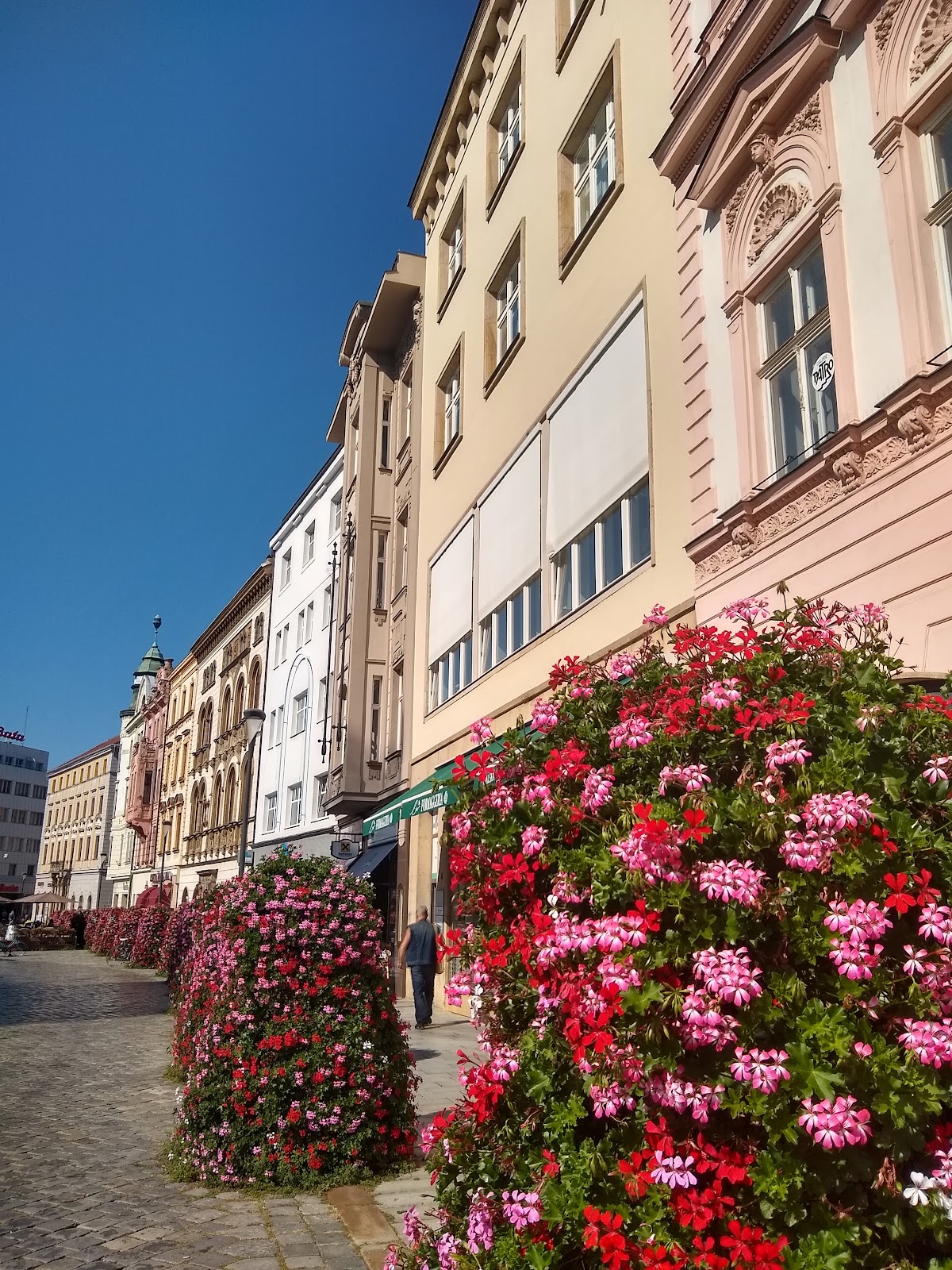
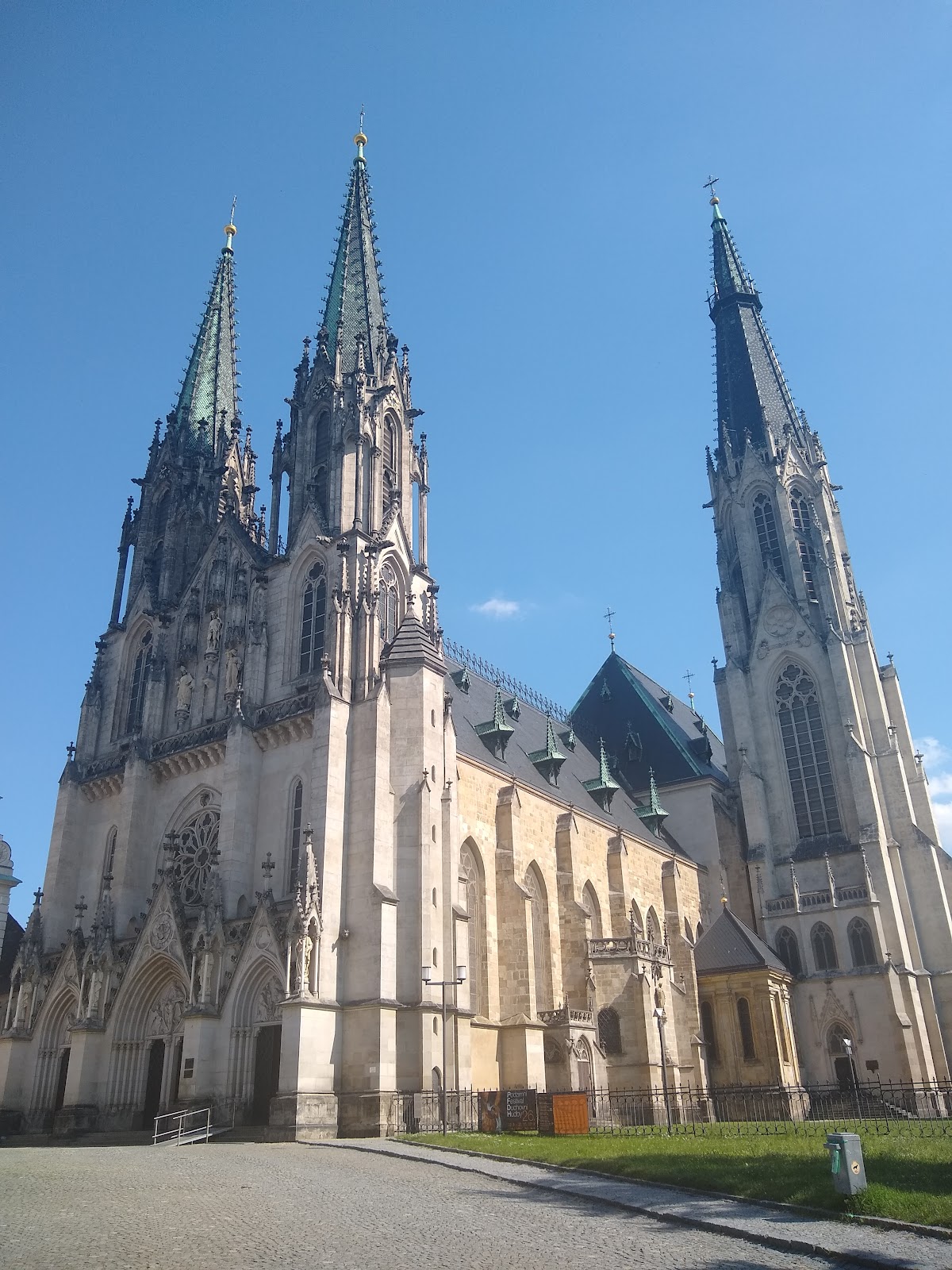
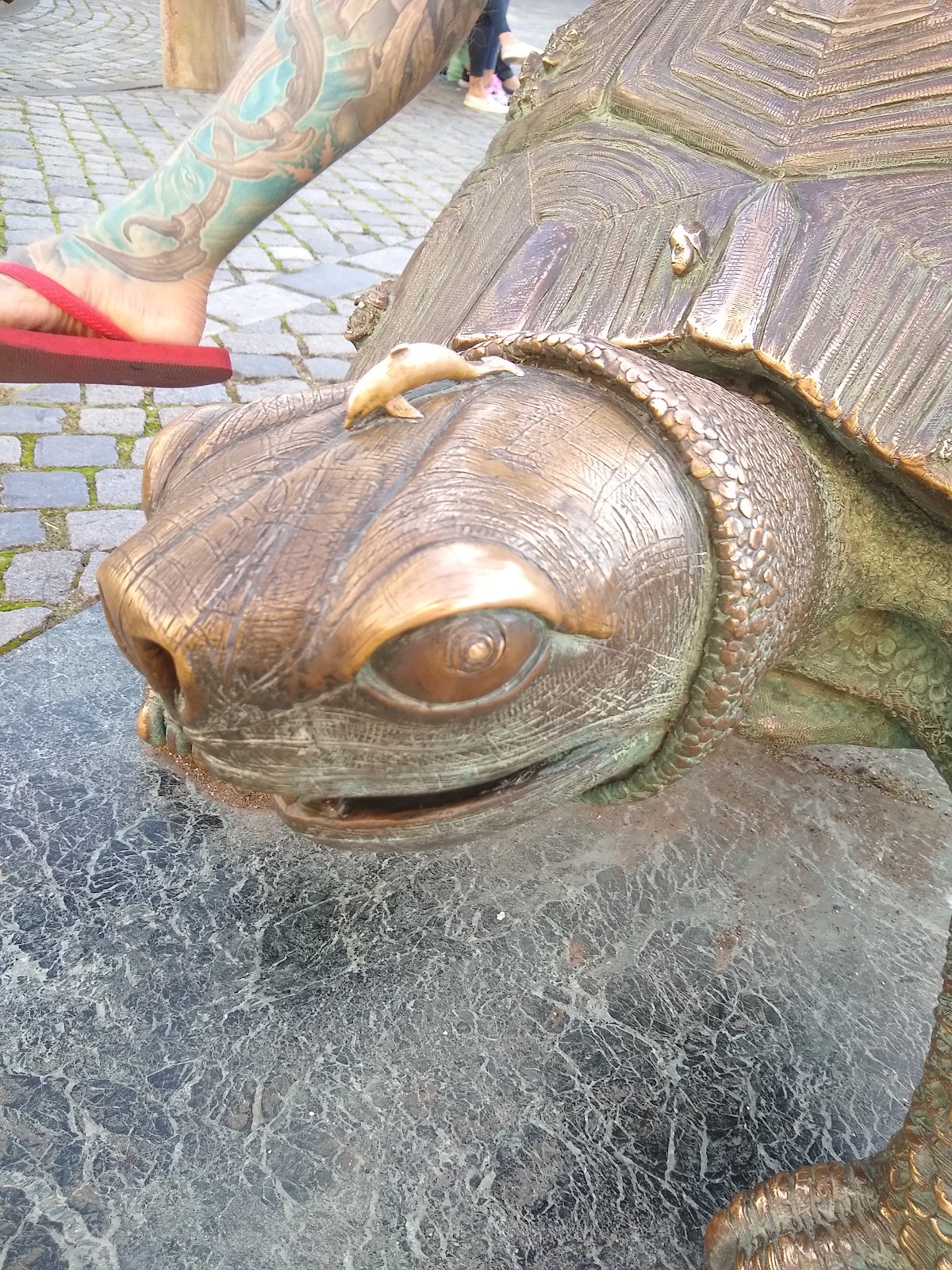

Perhaps the very best thing Olomouc, however, was the Svatovaclavsky Pivovar.  A little brewpub with a big dining room and garden that was tucked away inconspicuously just off the entrance to an (I think?) low rise office building.

The beer was good and inexpensive, perhaps because we'd departed Bohemia and entered Moravia, the brewers had room to experiment a bit more, and brewed a passable Hefeweizen, beers with the addition of freshly harvested cherries and peaches, as well as a larger than usual variety of more typical Czech lagers.

Plus we had an absolutely massive platter of meat (with the token addition of some pickles, fried peppers and lettuce garnish) that they called their brewer's platter.  We loved the place so much we returned for brunch the following day before taking long, meandering walk around the remains of the old city walls, which have now been largely turned into a park that rings about half of the central city.
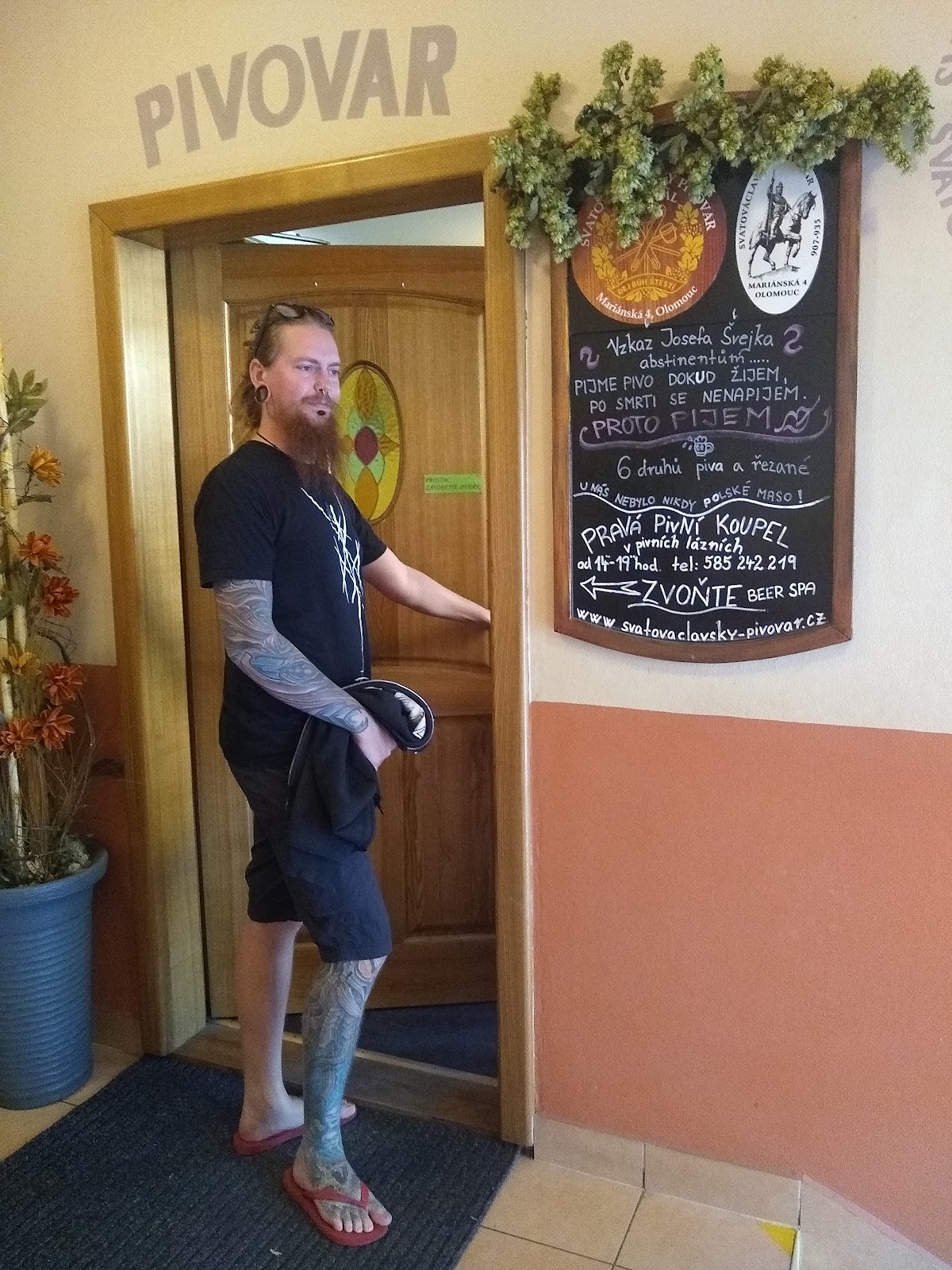


We sat in the sun on another brewpub's patio, enjoying the weather and watching kids play with an absolutely adorable puppy.  We sat for long enough that we realized we might not have time to walk out to the bus station for our reserved trip. In a panic we sorted out how to get tram tickets, made it to the station with about ten minutes to spare and, shortly after arriving, we (inevitably) got a message saying that our bus would be delayed by about two and a half hours.

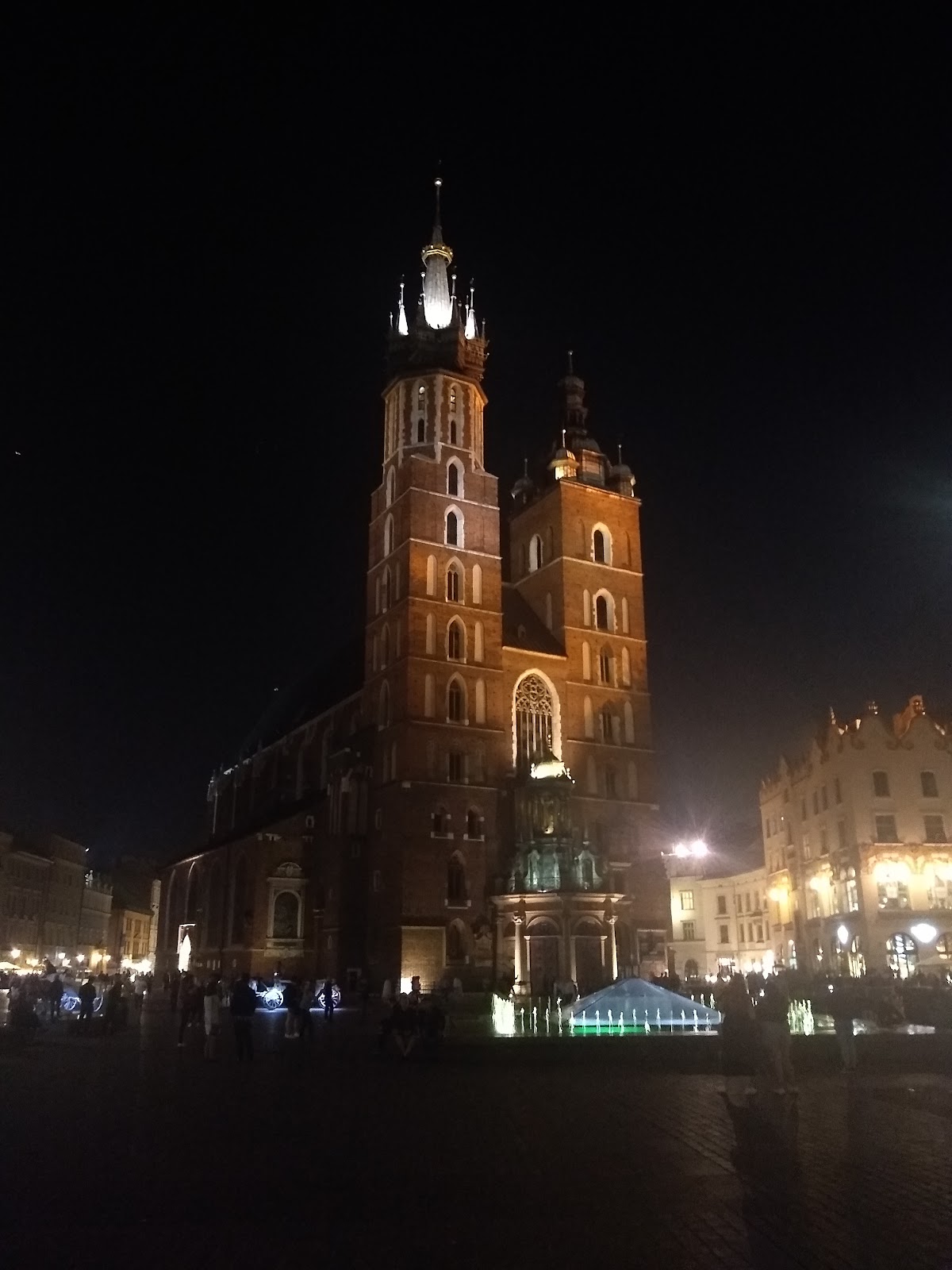
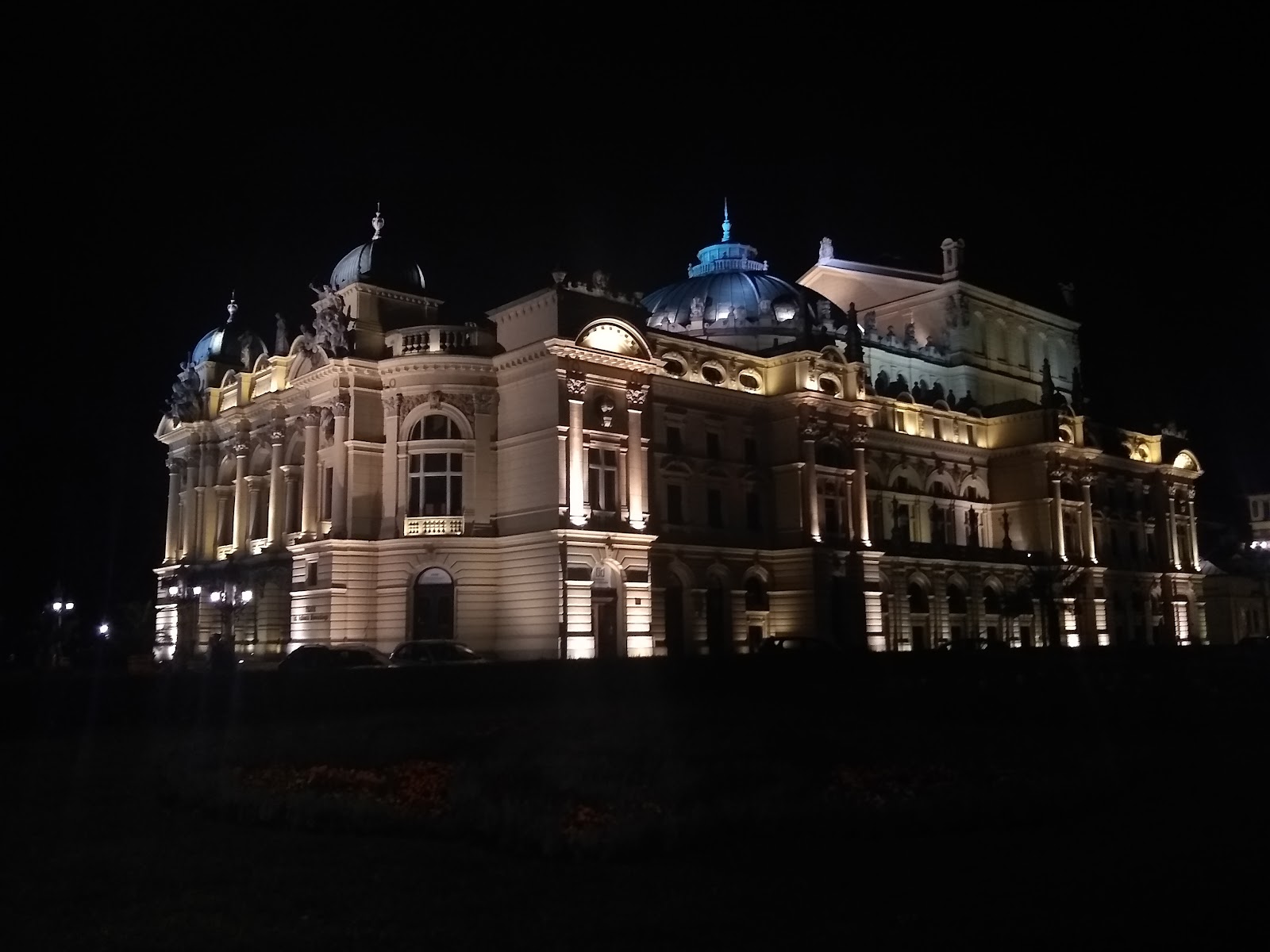
This meant that we crossed the border into Poland right around sunset and arrived in Krakow well after dark.  This was not a major problem, however, as the bus station is located in a huge, brightly lit shopping mall a short walk from the old town, and the old town itself (especially the central square) is absolutely beautiful any time of day.  Maybe even better at night!


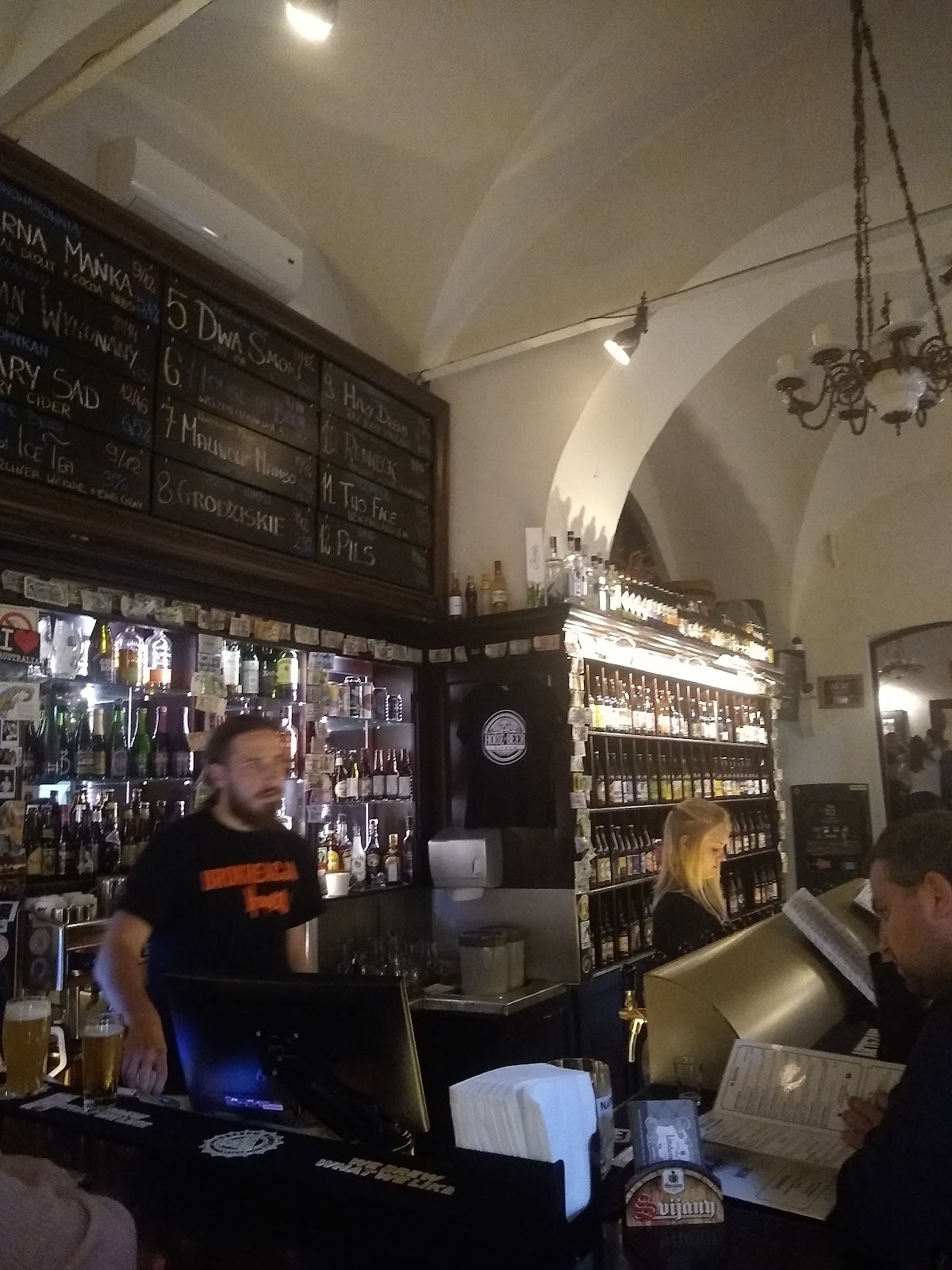
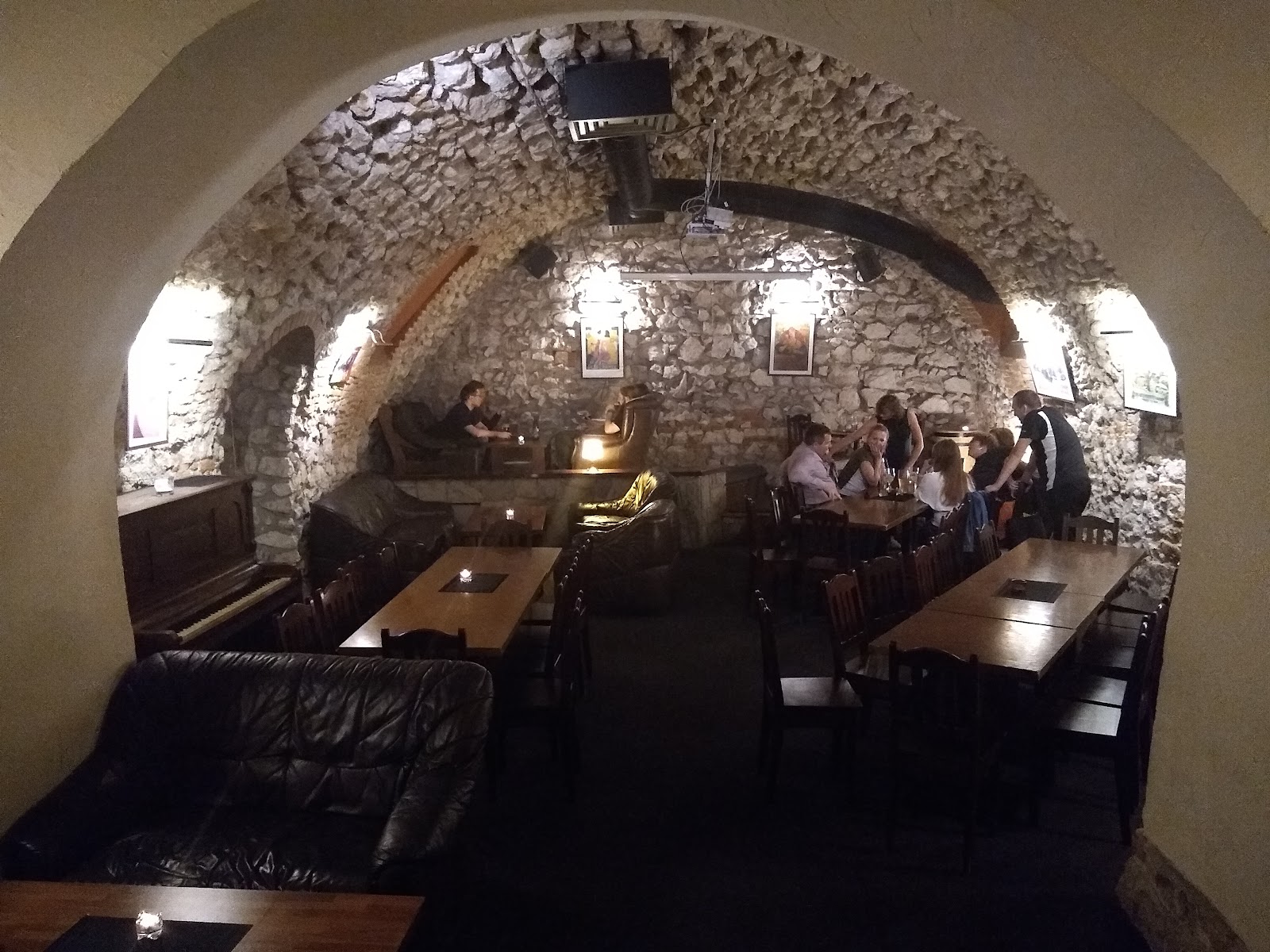
Nighttime activities in Krakow were (shocker!) mostly beer related.  Mostly at the prosaically named, but wonderful House of Beer. The upstairs is bustling and welcoming in a vaguely Irish Pubby kind of way, while the old cellar is quieter with ancient looking vaulted stone ceilings.  And what a difference a few hundred kilometres can make! There was all sorts of variety and creativity in the Polish beers we tried, beginning with the Grodziskie (an oak-smoked, lowish alcohol wheat beer which [with the possible exception of Baltic Porter] is Poland's only native style, carrying on through Polish herb infused lagers and finishing with American-style IPAs.

On top of this we had pints at a genuine real ale brewery, and several more novel Polish brews at a bar with a cool arched masonry ceiling that was obviously a stop on just about every food and/or beer tour of Krakow.

We rarely ate much at our beer destinations, but this hardly meant we went hungry.  We had multiple meals at several different Milk Bars. These simple, cheap cafeteria style restaurants are a holdover from the communist era and are the places to eat traditional Polish food on a budget.  If you know what you're ordering, because they often don't have menus in any language other than Polish.  We ate classic barscz, flaki (tripe soup), Bigos (delicious cabbage and sausage stew), kieÅ‚basa, and of course, pirogi (classic ruskie [potato and cheese], mushroom, sweet cottage cheese)... All this and more and more.


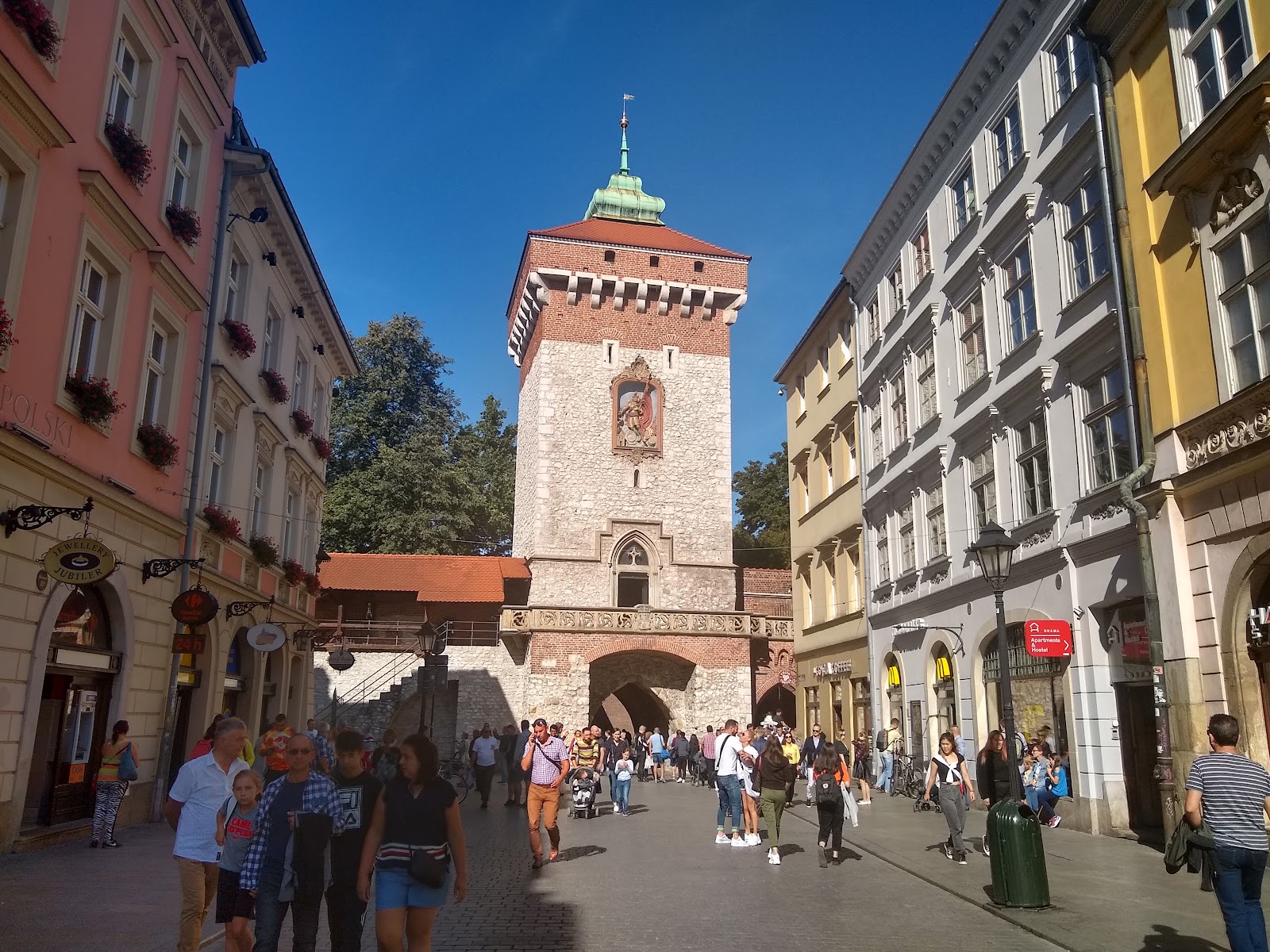
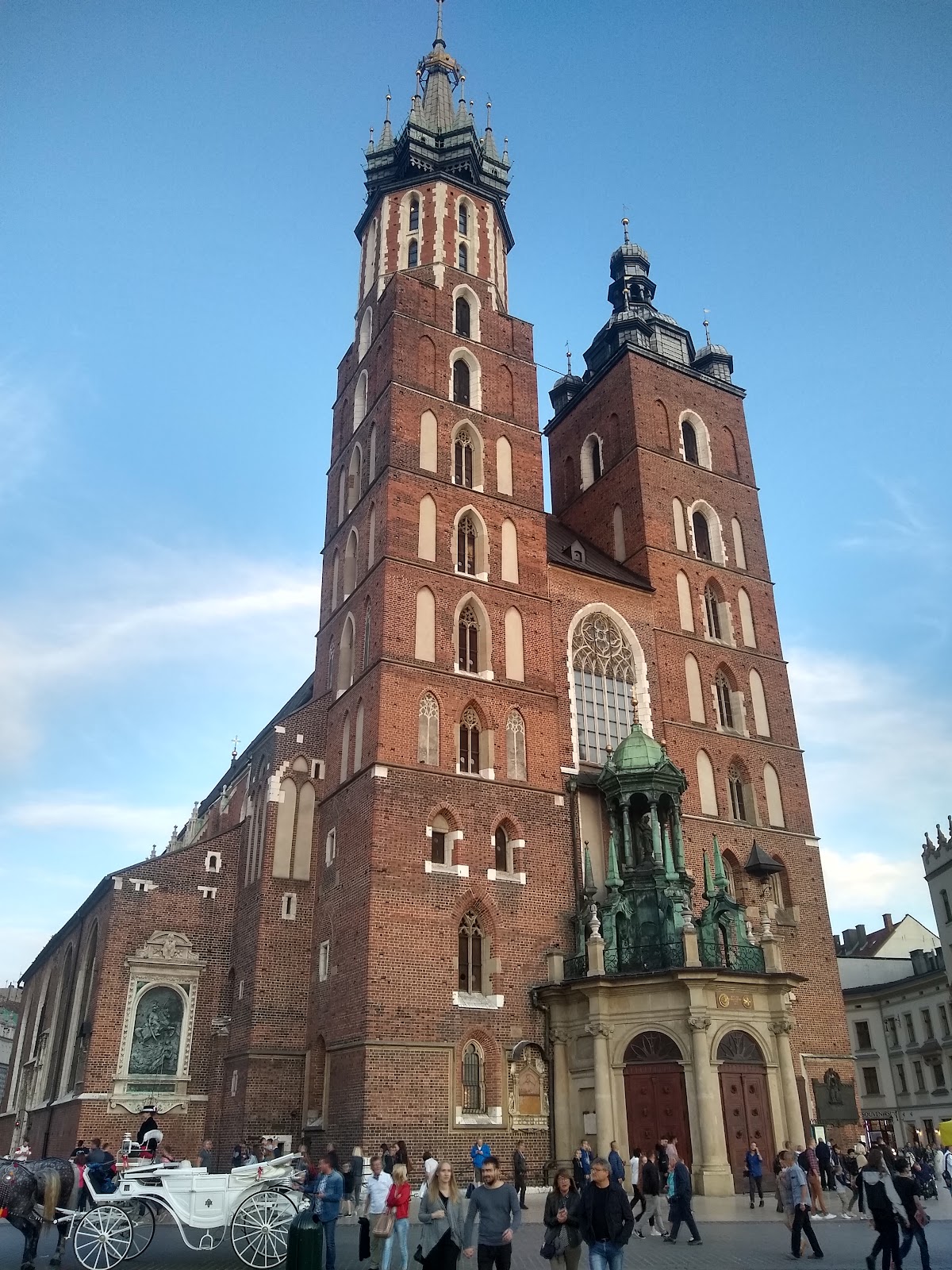
And of course we had daytime cultural activities as well.  We wandered round the old town a lot, took strolls along the banks of the Vistula River, and visited Krakow castle.  Almost inexplicably to me, even Krakow's tourist marketers bill Krakow Castle as the second most beautiful in Central Europe after Prague.  Which I think is selling themselves a bit short, as I liked it at least as well, and probably better than Prague Castle.


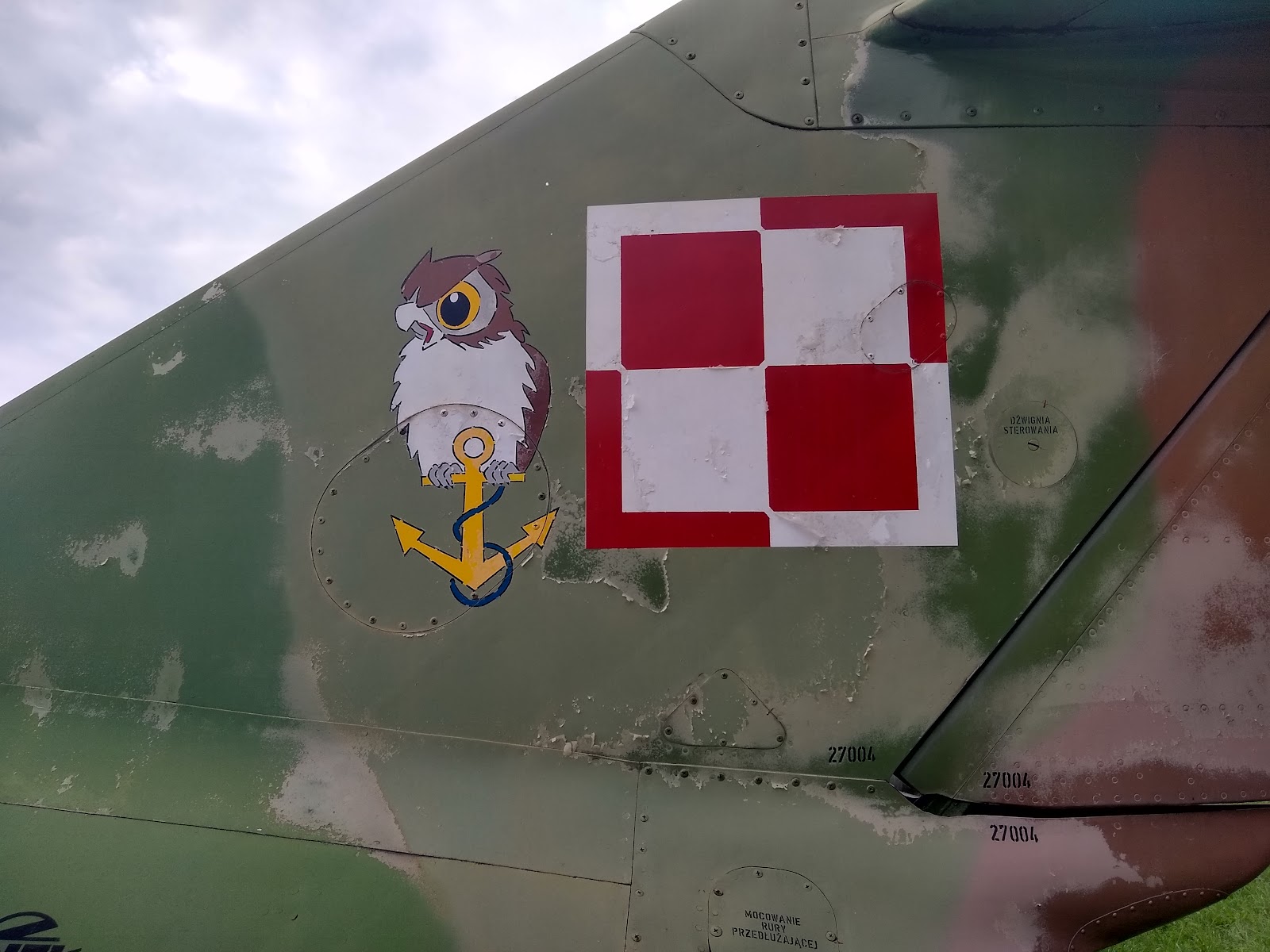
We're also took a bus ride out into the massive planned communist era suburbs to visit the wonderful Polish aviation museum.  They've got an amazing collection of eastern bloc aircraft, including thirteen MiG-21s, every variant used by the Polish air force of the most produced military jet in history.  And plenty of domestically produced aircraft (very successful agricultural planes, and several military aircraft that they were honest enough to say didn't work out all that well).

And perhaps my favourite of all, a priceless collection of aircraft from the earliest period of German aviation history, up until WW1.  The museum ended up with this collection because they were originally were part of Herman Goering's personal collection and were moved to Krakow to spare them from Allied bbing of Germany.  And as the war wound up, the Nazis were in such a hurry to retreat no one could even think of bringing Goering's airplanes so they got left behind. Various German museums have asked for them back over the years, but part of me can't help but think that it serves them right.


On our final morning together, Steven and I had brunch at a milk bar, another wander round the old city, and concluded with a quick visit to the national museum's main Krakow location.

I love free days at museums because they give you an opportunity to have a quick visit like this without worrying if you're making the most of your ticket. And even though we only spent just under an hour there, the 18th and 19th century decorative arts, the hall of Polish Judaica and especially the collection of Polish arms and armour (including helmets of the famous Polish Winged Hussars!) were all well worth the visit.  We did miss out on DaVinci's Lady With Ermine, but at least we got to see the replica outside where visitors were invited to take their selfies!

Steven headed to the airport, leaving me with the evening and morning of the following day in Krakow by myself.  Having spent so long travelling with Sarah or more latterly Steven, made being alone feel a bit weird. It's almost hard to believe that back in 2004-5 I spent almost an entire year travelling all over the world solo.

I opted to spend my remaining time revisiting the old city, spending plenty of time just sitting in the main square across from the cloth hall watching the world go by.  Locals zipping across on e-bikes, Polish tourist families posing for photos with the church, touts trying to drag groups of men to strip clubs, carriage drivers jawing away with one another in the queue to pick up passengers.  I enjoyed sitting on my own in silence just watching all of this world going by.

Seeing Steven off had given me a full preview of how to get to the airport, and my hostel very kindly printed my boarding pass for me, so had plenty of time for one more milk bar lunch before heading to Pope John Paul II airport (unsurprisingly, Poles love John Paul II, Krakowians to even more than most, as he actually hailed from there).

Again the solo airport experience felt a little odd (was I supposed to have an airport beer?  I eventually decided not to), but on the other end of my four hour flight, still more solitude awaited as I prepared to walk over 300km of Shvil Israel, Israel's national trail.

Thanks are, of course, due to Steven, who was a very fun travelling companion and who gave me a good mix of my usual sort of travels and things that I wouldn't normally do on my own.  A good dose of this is sometimes welcome, and time with good friends is always so.


Monday, 7 October 2019

Pilsner, Bones, Castles and Cathedrals

We'd originally planned that Sarah and I would fly from Toronto to Munich, meet our friend Steven there, then carry on with a short (ten day) trip across central Europe.

As it turned out, Sarah needed to return home to help her mom recover from some back surgery (as I'm writing this well after the fact I can happily report that her recovery has gone well, and that Sarah has now rejoined me to continue our travels together).   So Sarah just missed out on getting to see Steven before carrying on with her ridiculously long (over 33 hours on airplanes!) journey home.

I caught up with Steven just fine, however.  We began our journey together with a weissbier at the Munchen airport brewpub.

This was an entirely appropriate beginning to our travels together, as the first few days were really mostly about beer.

After leaving the airport, we happened to be changing trains in Freising, home of Weihenstephaner, the oldest continuously operating brewery in the world.  And while we didn't have time to visit, we did have time to take a little walk into town and have some helles within sight of the brewery.


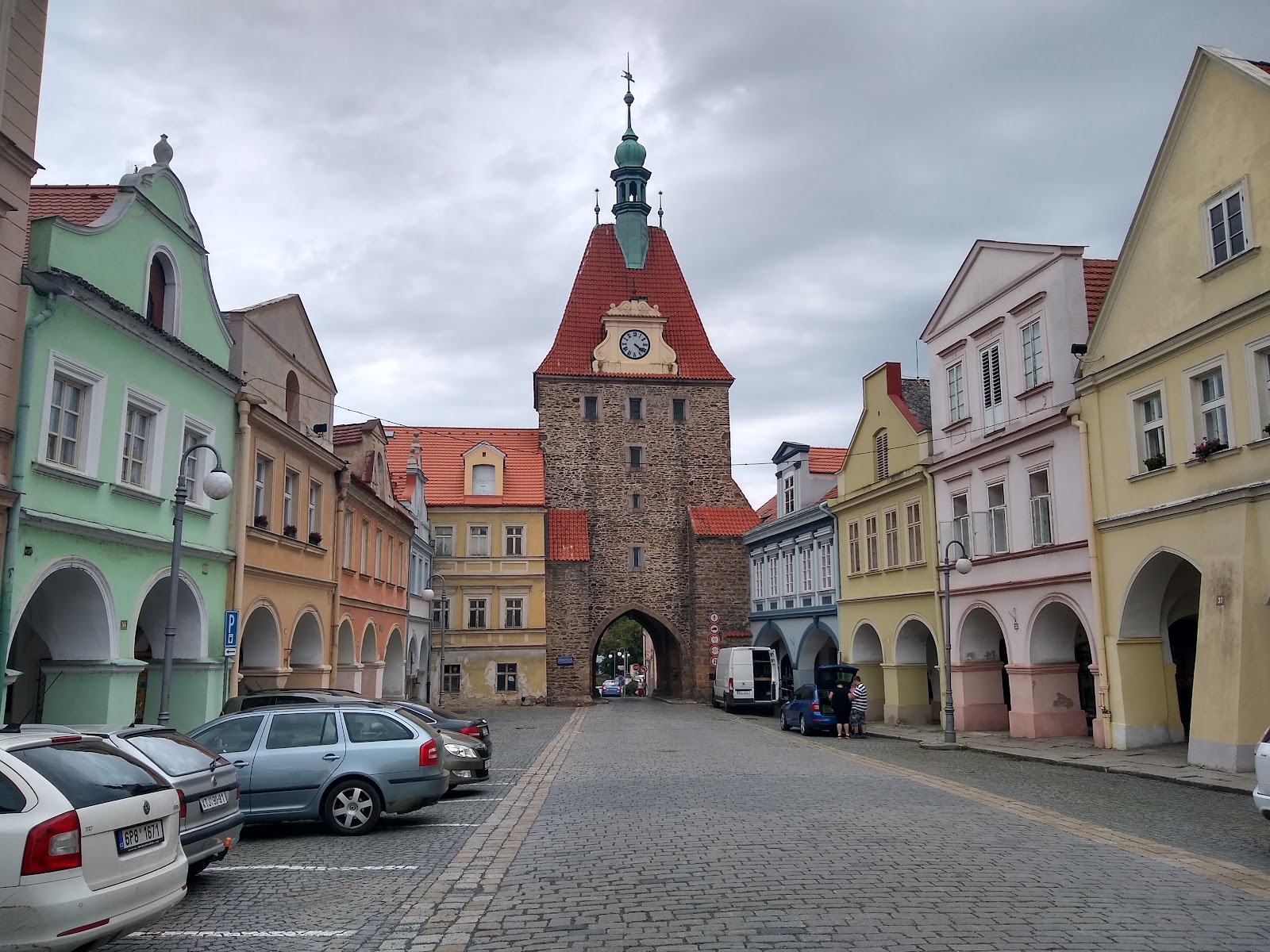
From there it was on to the small town of Domazlice, just over the Czech border.  The journey was only about 150km, and the train was quick when it was moving, but the stops it made were just so loooong that it took most of the day to get there.

We walked into the charming little town centre with enough time for a walk around most of the old town and, at the recommendation of our pension owner, to try out the local Kout beer at a tiny little pub next door.  The 11° lager, my first beer in the Czech Republic, was almost certainly the best beer I had in the country (though the 12° dark was either infected or had been sitting in the lines for a looooong time between pours).

We had the first of many stodgy, starchy, meaty, delicious meals that evening in a "ye olde" style hotel restaurant that was about the only place open at 20:45 on a Friday night.

I'm happy we stopped in Domazlice.  It was our only stop in the country that was well and truly off the tourist trail, which made for a great intro to the "real" Czech Republic.


From Domazlice we took an early morning train to Pilsen/Plzen.  Hardly surprisingly, this visit was mostly about beer too.

Pilsen is a pretty rugged looking town, with the exception of the area immediately around the central square and the city's crown jewel, the famous Pilsner Urquell brewery.

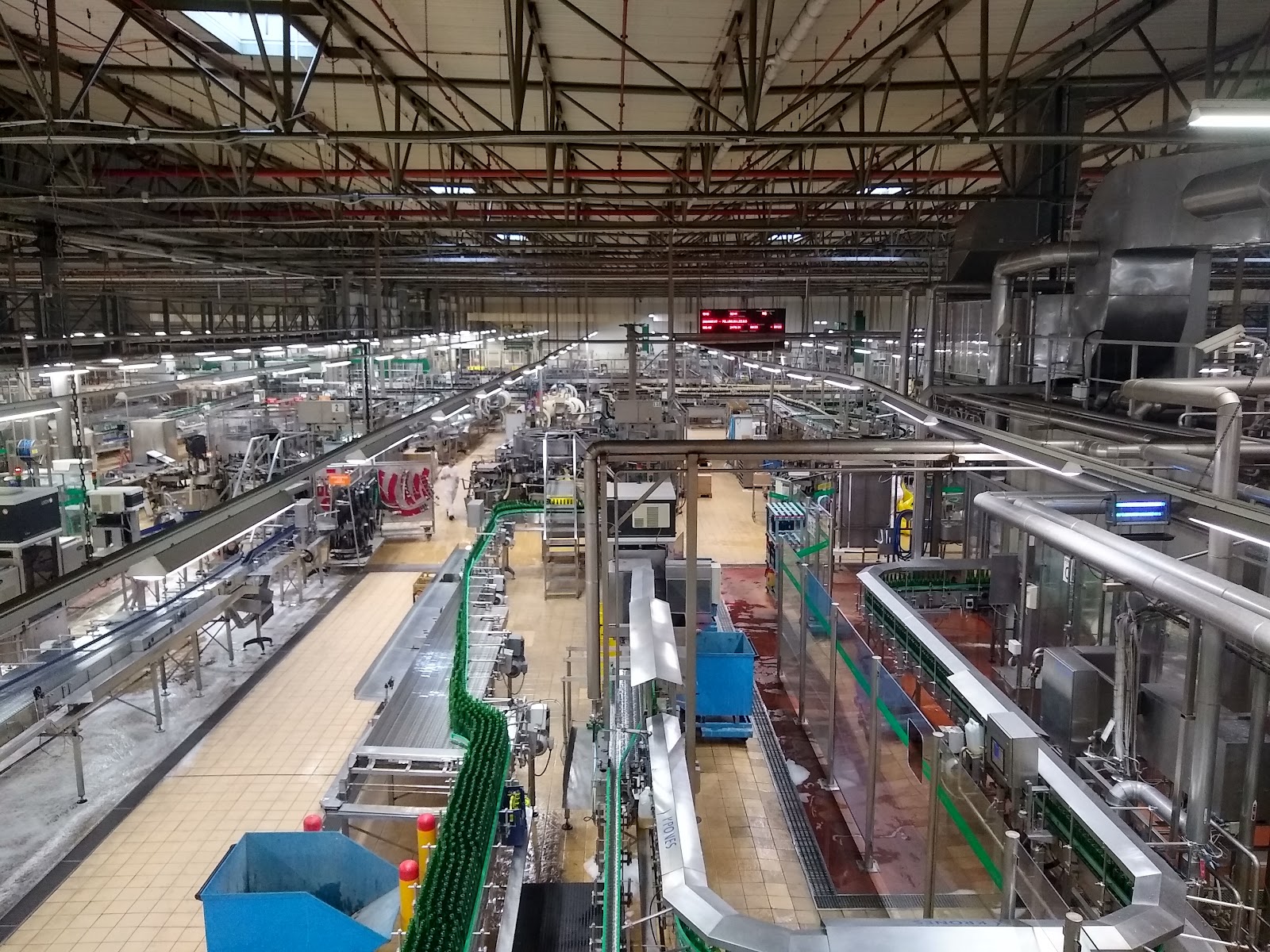
Pilsner Urquell means literally "Source of Pilsner.". Unsurprisingly given that the town gave the beer style its name, Pilsner Urquell was the first brewery to produce clean, hoppy golden lager and was thus the font from which all pilsner beers in the world flow.

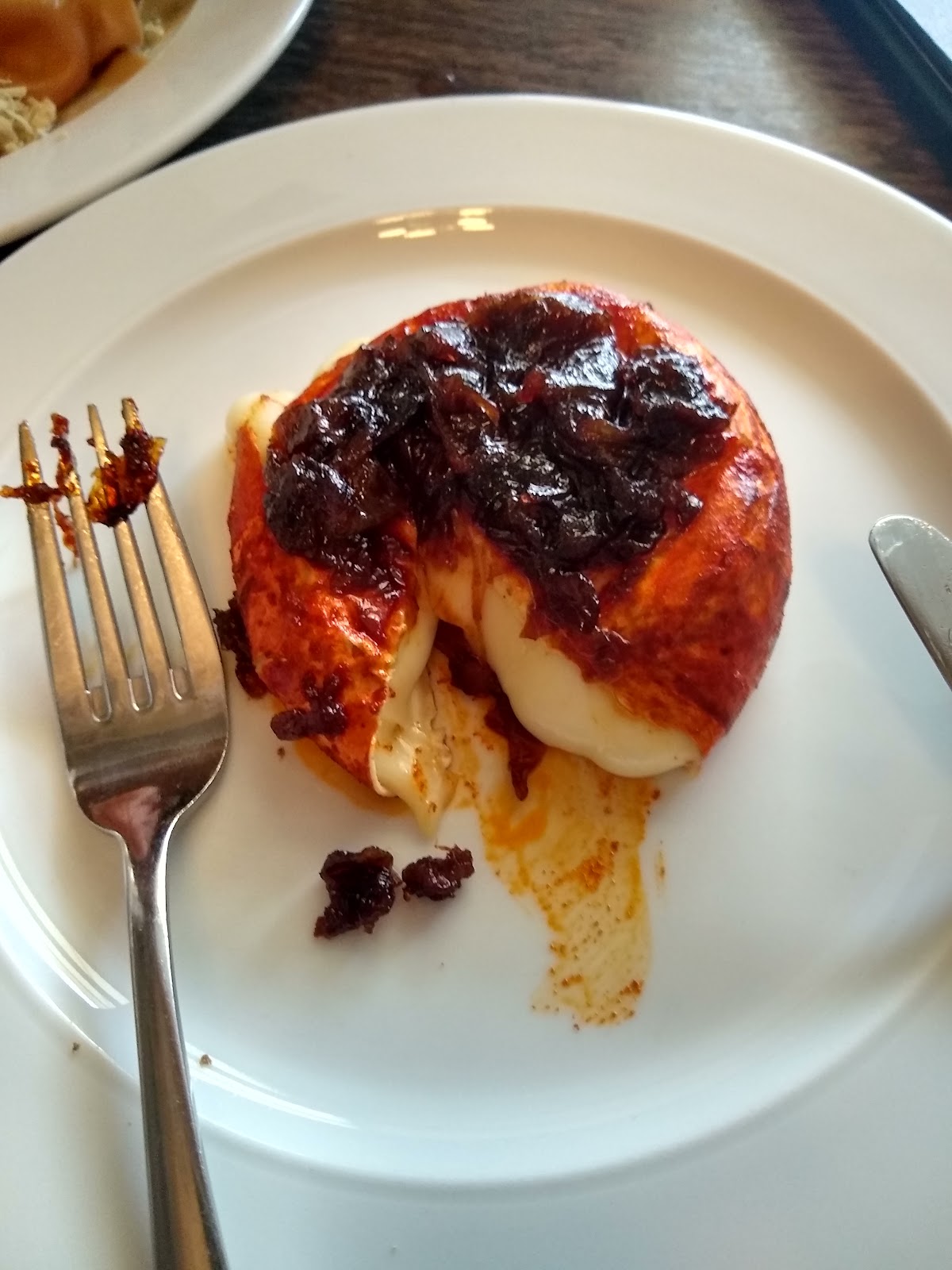
Steven and I had a delicious lunch (baked camembert like cheese, sausages and two big mugs of PU poured from a tank that had been refilled by a brewery truck the previous afternoon.  Fresh as can be.


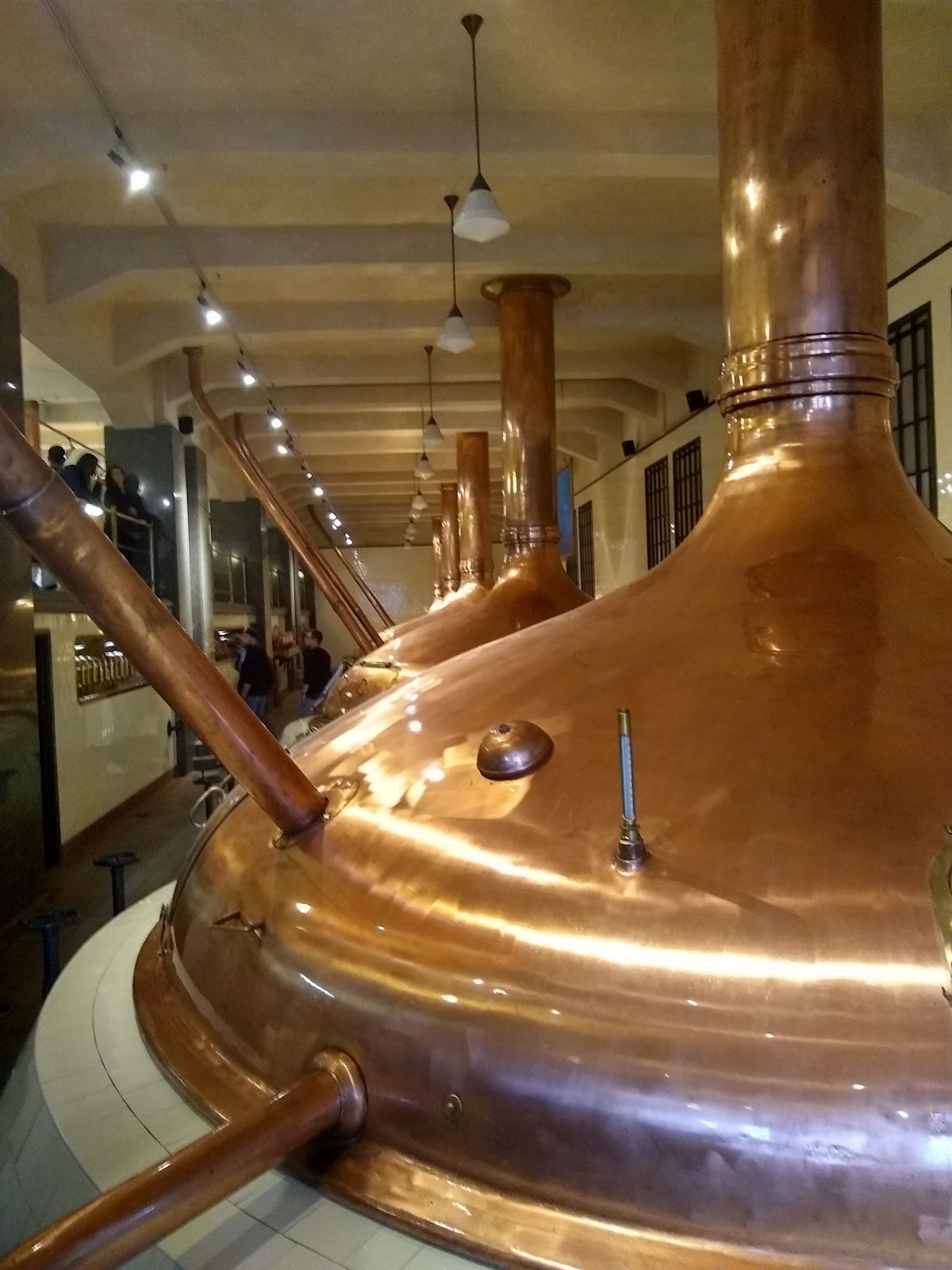
Unless of course you went RIGHT to the source, which we did, taking a tour of the brewery that afternoon.  I've said before that it takes a pretty special brewery tour to go much beyond "you've seen one you've seen 'em all".  The second half of the Urquell tour was such a special one. We saw the (fairly recently retired) two hundred year old brewhouse, complete with its banks of taps to help draw off wort for the triple decoction mash (a decoction is a process where during the starch-sugar conversion mashing process, some of the sugary wort is drawn off into the brew kettle, caramelizing it and allowing the brewers to raise the temperature of the mash and thus which enzymes are operating even without the ability to directly heat the mash vessel).

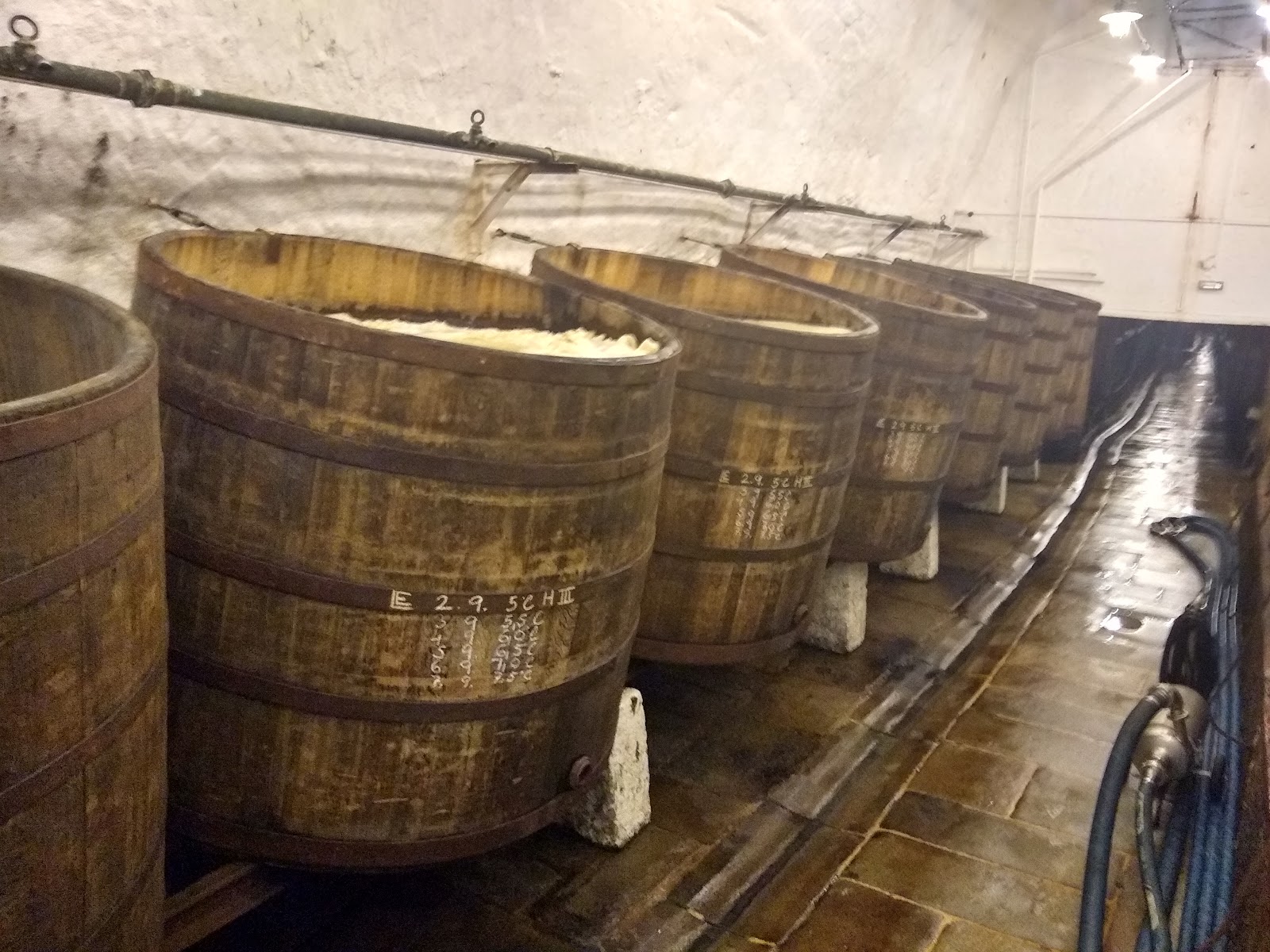
The old cellars were really cool as well.  Carved out of the rock beneath the city, the kilometres and kilometres of tunnels used for conditioning the beer were, as recently as twenty years ago, partially cooled by huge blocks of ice cut from lakes and rivers in the winter and brought down into the tunnels.

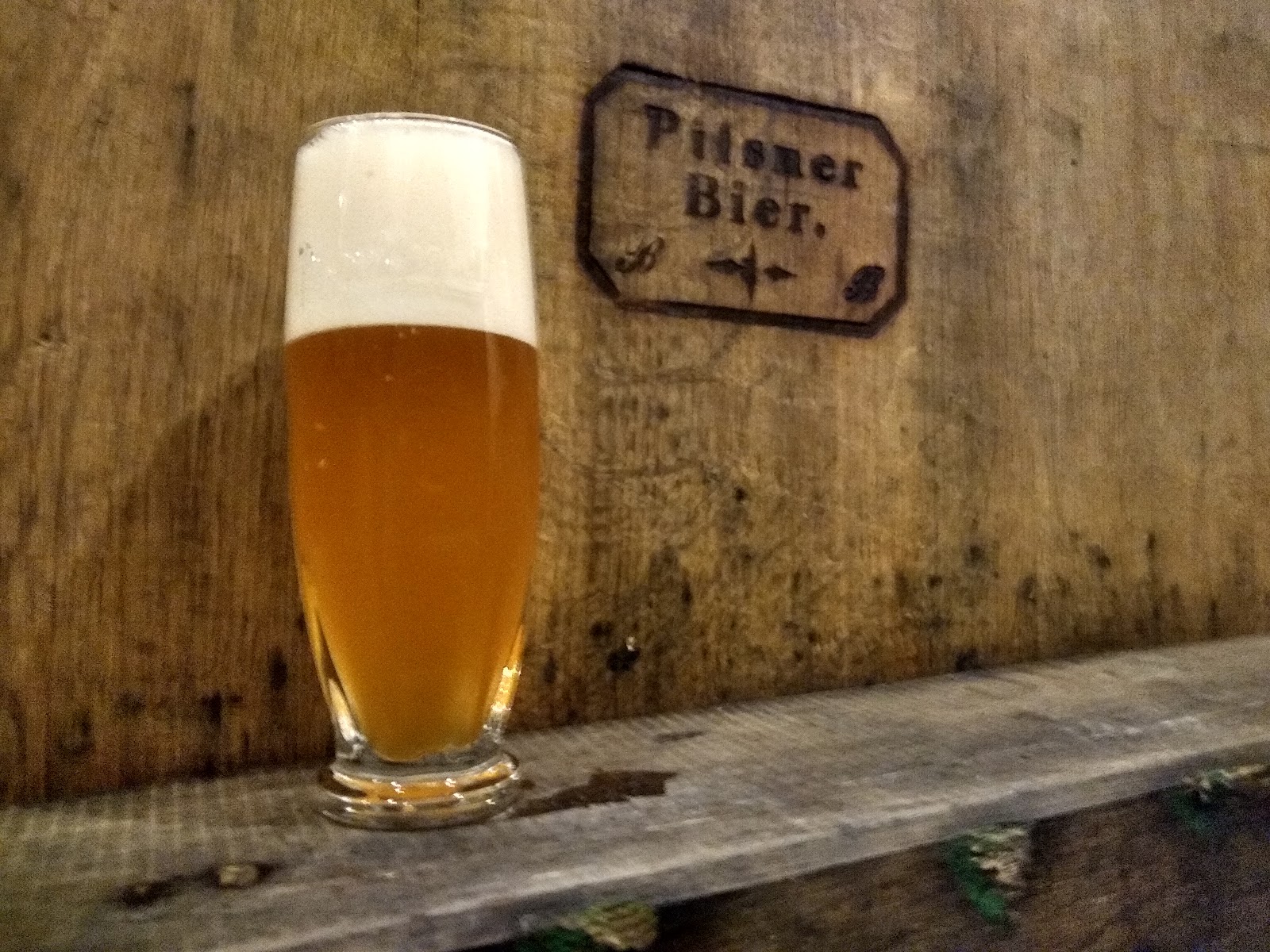
On the tour is also the only place you can try unfiltered, unpasteurized Urquell fermented in an open top fermenter and gravity poured out of a 4000L wooden conditioning vessel.


After the visit to the brewery concluded we headed to their on site restaurant to try some of the regular brew right at the source.  And something that had been niggling at me with our lunchtime beers jumped right out and bashed me over the head. Anything more than the faintest hint of it is considered a fault in most beer styles.  And it really spoiled my enjoyment of the beer. I would have been surprised to learn that such a big, modern brewery as PU let a diacteyl laden beer slip out of the brewery by accident. But I was perhaps still more surprised to learn that Pilsner Urquell sets a minimum level of diacetyl in their QA checks.  Though I've never drunk a lot of it before, I'm surprised I've not noticed it in the past.

On our way home we stumbled across a craft beer pub.  And while the entrance was a bit obscure, it was super friendly inside, and we got to try a few more (diacetyl free) Czech lagers, as well as a local IPA.  By the time we left we were feeling pretty cheerful, and we easily dragged ourselves inside when, a mere couple of blocks down the road, we came across a Czech cidery as well.

We were the only customers in the place, and though we could only communicate with the proprietor using bits of German and translator apps, we had a fun time with him.  Their cider was made with all Czech apples. There were a few varieties available but to my surprise I probably liked the (THC free) cannabis cider the best. Usually adding cannabis to things is a marketing move that is attempting to spruce up an otherwise lacklustre product, but in this case it reminded me of a cider dry hopped with a particularly earthy, resiny hop variety.


We made one final (slightly disappointing) microbrewery stop as we neared home, but I'll skip lightly over it because it was, as I mentioned, slightly disappointing and because my memories of it are somewhat hazy.

All of this plus some of the Slivovice (plum Brandy) that Steven purchased earlier consumed while preparing a late night dinner left us considerably worse for wear the next morning.

Thankfully there were plenty of trains to Prague, the station was straight across the street from our Airbnb and we were in no particular hurry to get there.


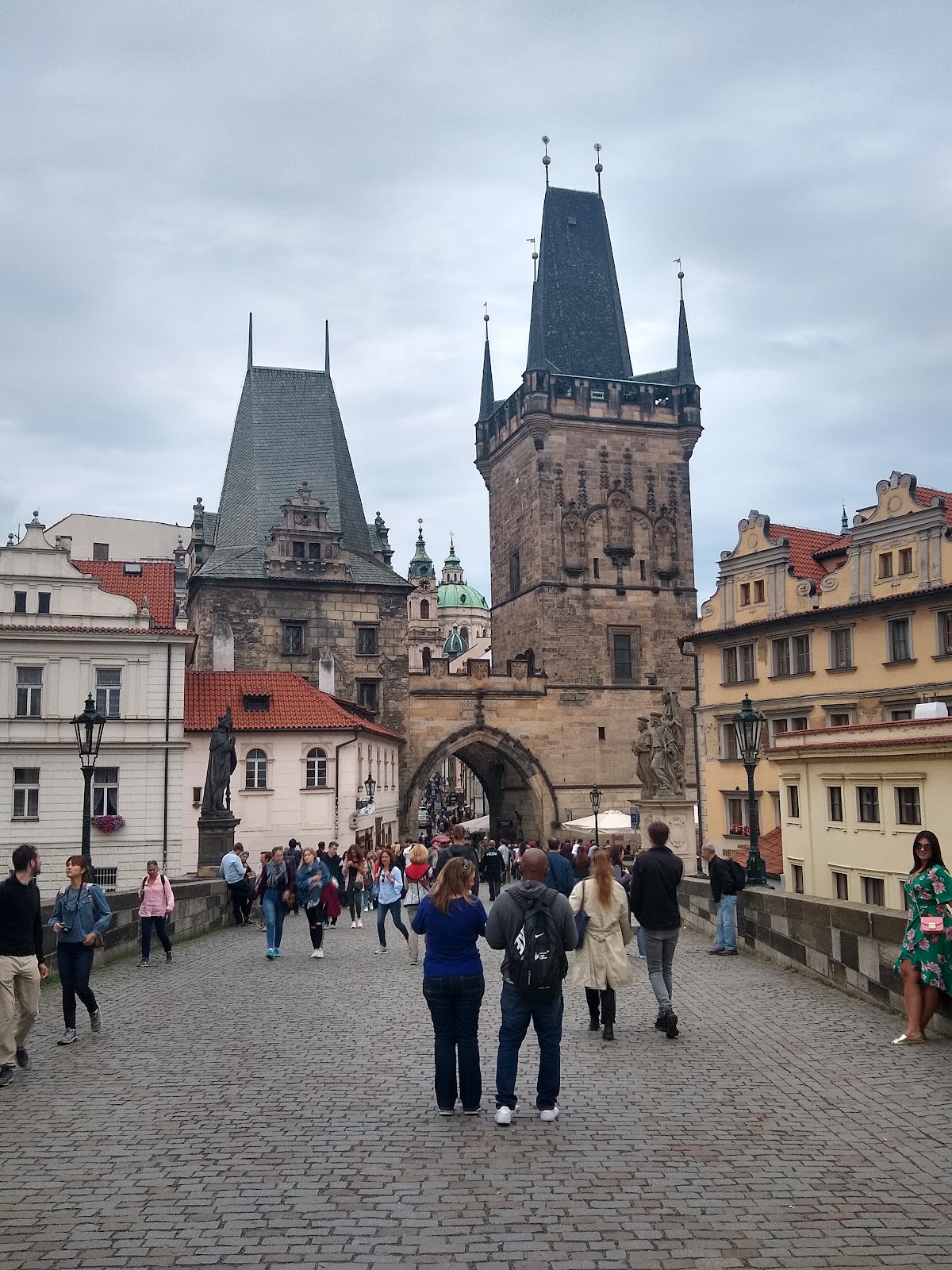
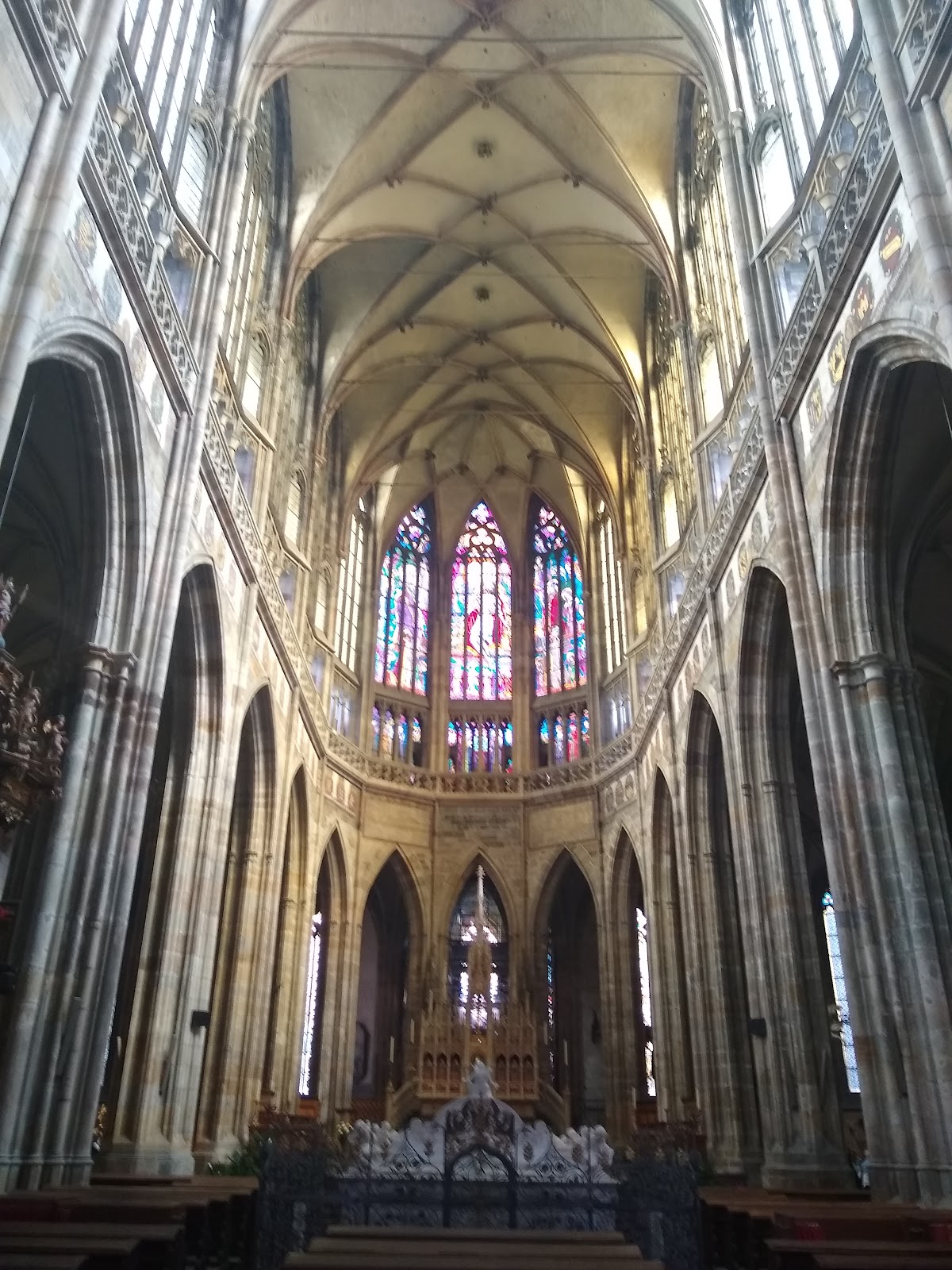
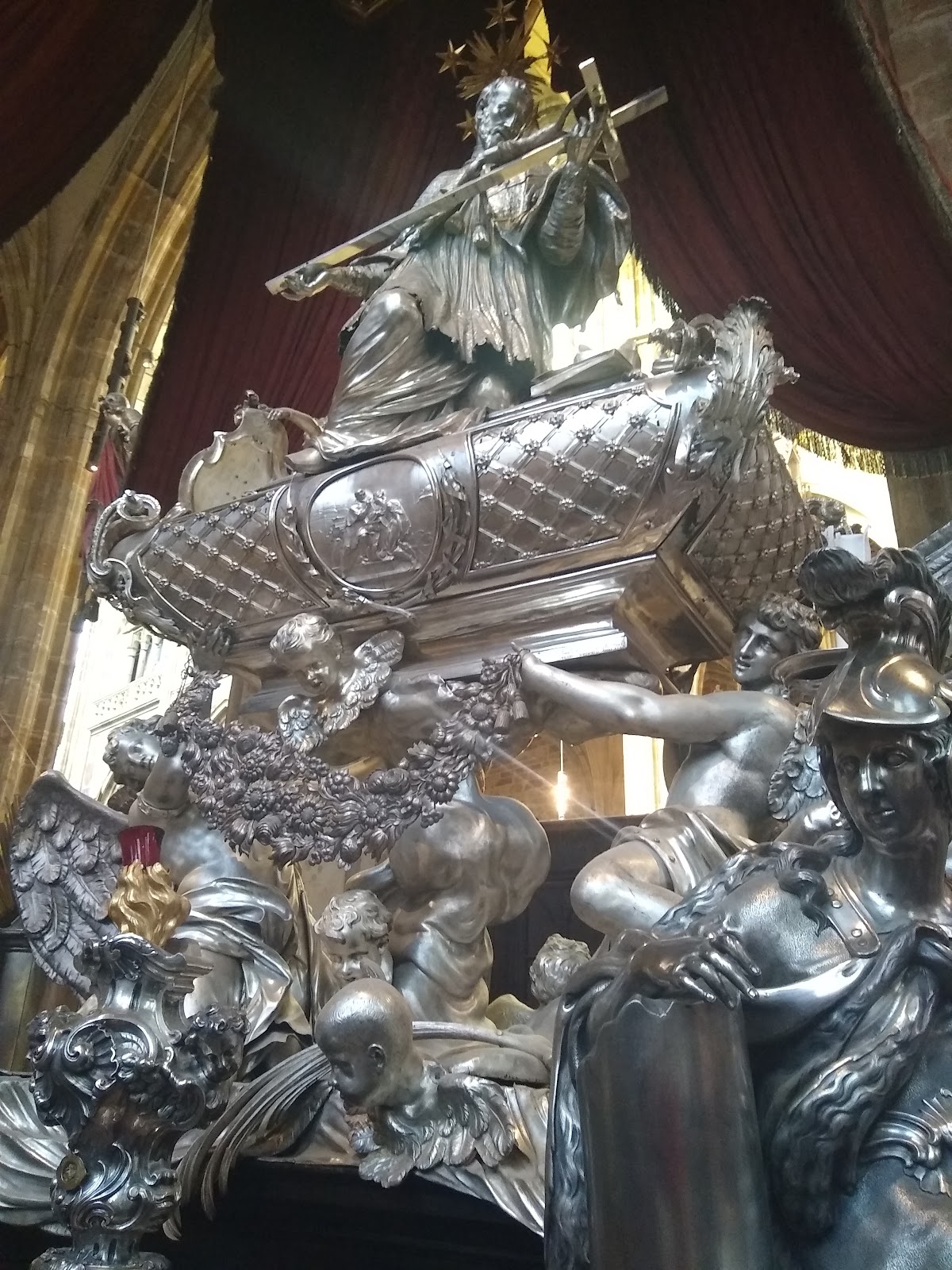
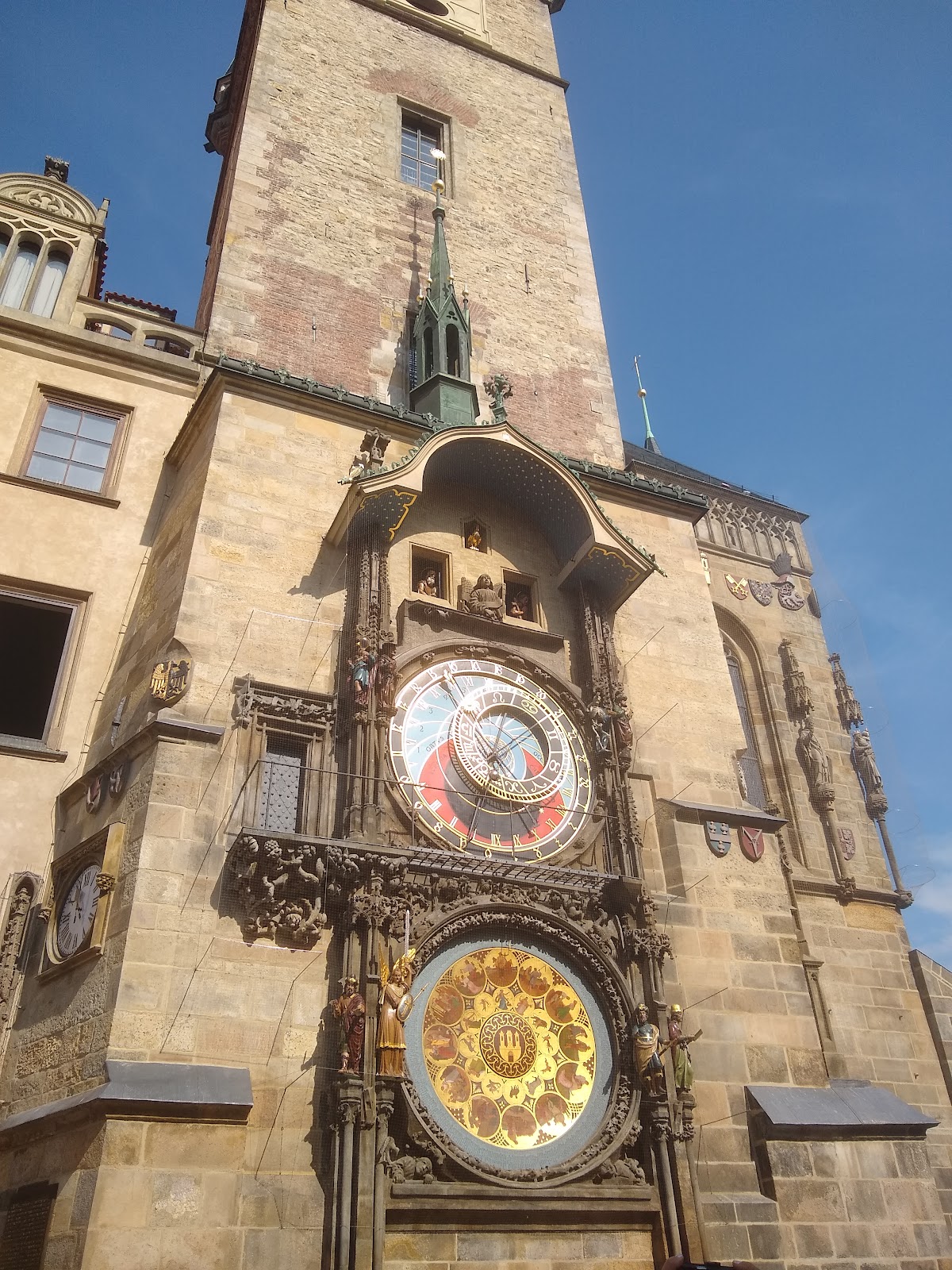
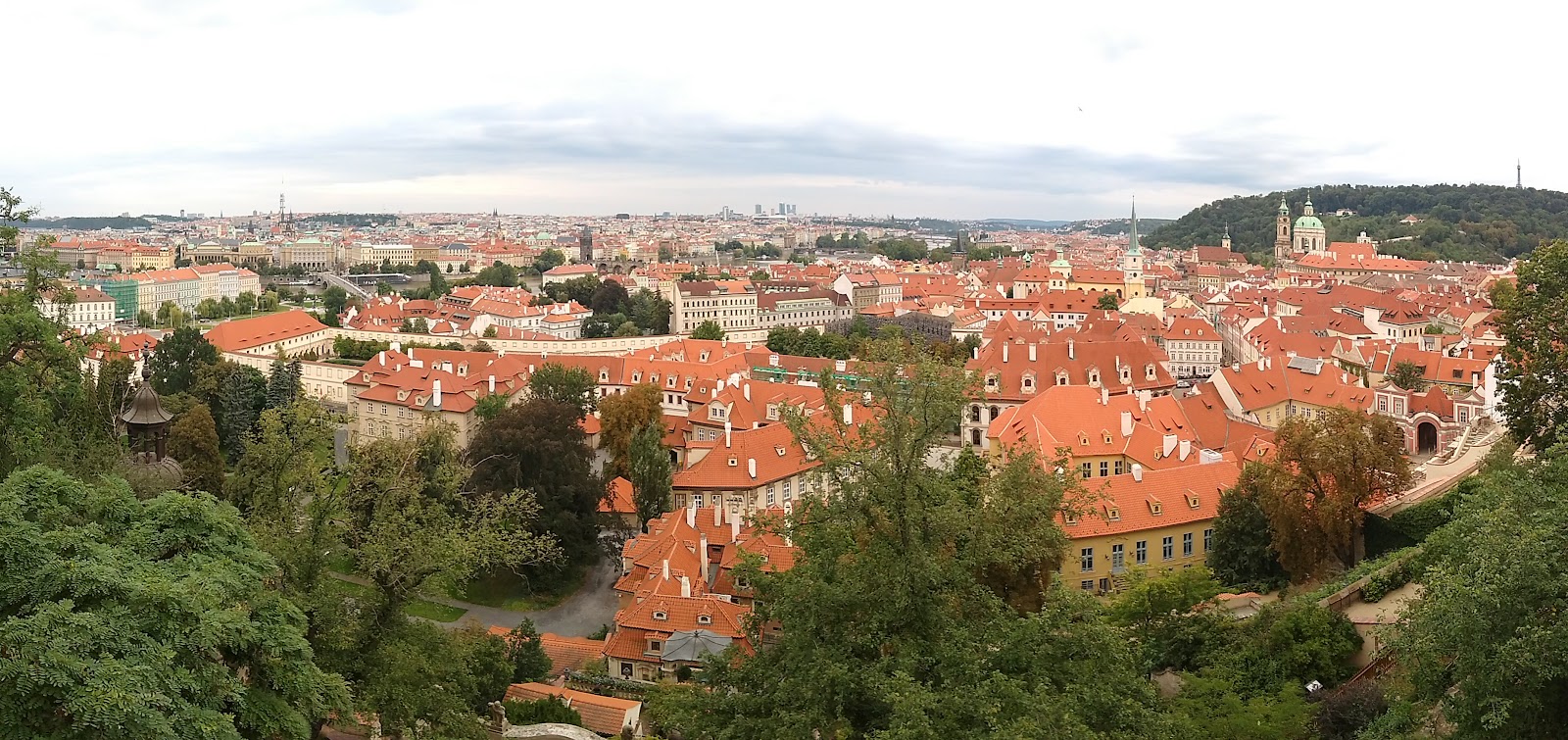
We had almost three full days in Prague.  We did do the Prague "classics" of walking across the Charles Bridge (many times) visiting Prague castle (which I actually didn't do the first time I went there!) watching the astronomical clock at the turn of an hour and wandering the streets of the old town.


We also had some decidedly un-Czech things, like playing mini-golf (I was really almost entirely uninterested in this, but Steven wanted to and I ended up having quite a bit of fun), visiting an old school video arcade/pinball parlour, riding an e-scooter for the first time (in areas with lots of pedestrians I didn't like it at all, and felt very uncomfortable, but when we got on a bike path along the river, it was a good time) and visiting a tattoo/piercing studio so Steven could meet an Instagram friend and trade Pokemon with her (travelling with Steven and my mom's recent exhortations had got me to start playing Pokemon Go again after a roughly two-year break).

But my favourite things we did while in (or at least near) Prague took two forms.  First was a day trip out to the town of Kutna Hora.

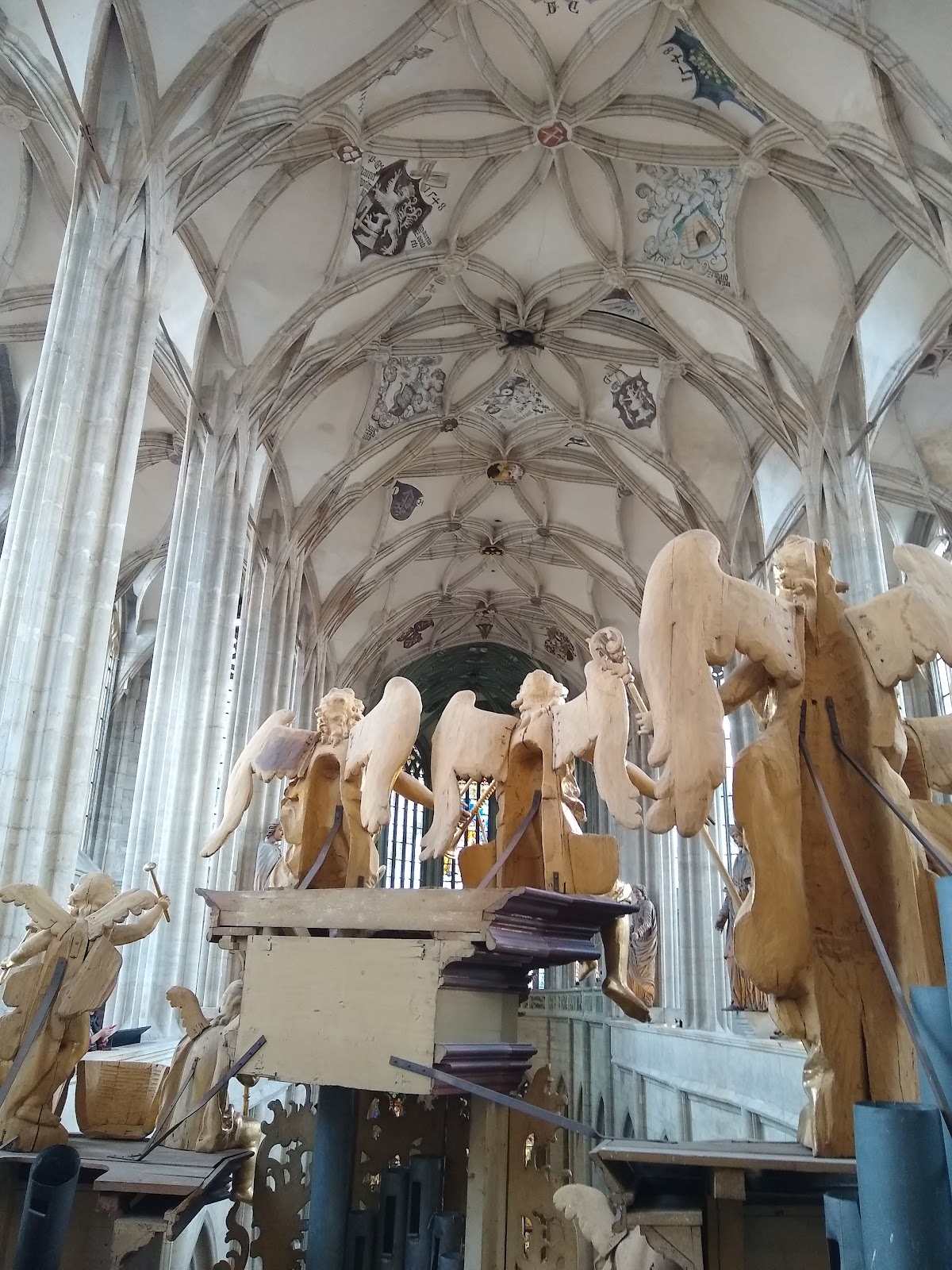
It's a pretty amazing place, a little over an hour by train from Prague central station.  Amongst its attractions are the Cathedral of Assumption of our Lady and Saint John the Baptist (actually not a cathedral anymore, and has just recently been returned to sacred purposes after being used as a tobacco warehouse for decades) which is an impressively big space, subtly decorated, and allows visitors to climb into its upper reaches (right beneath the roof tiles in places) to visit areas you rarely get to see in other churches.


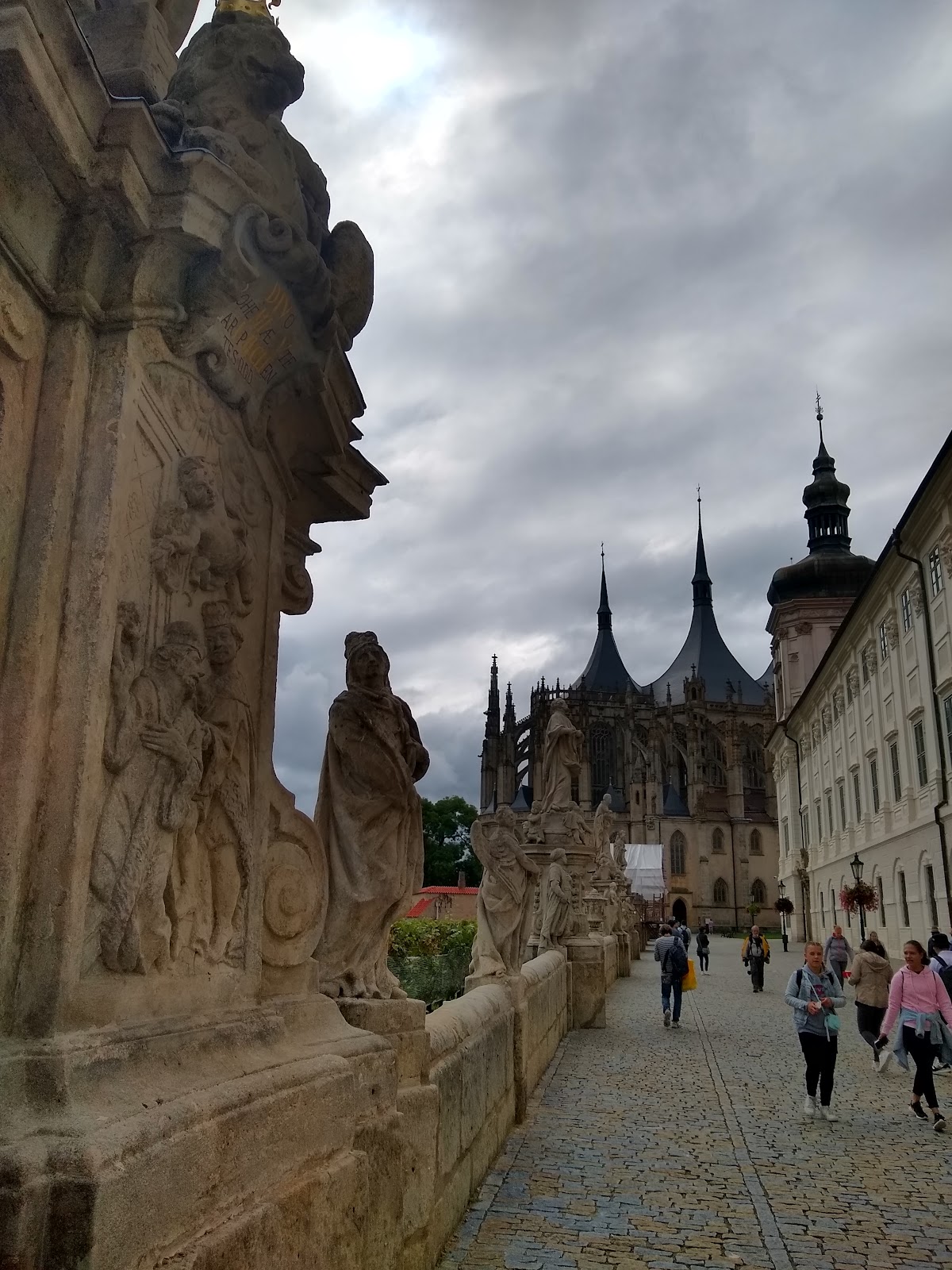
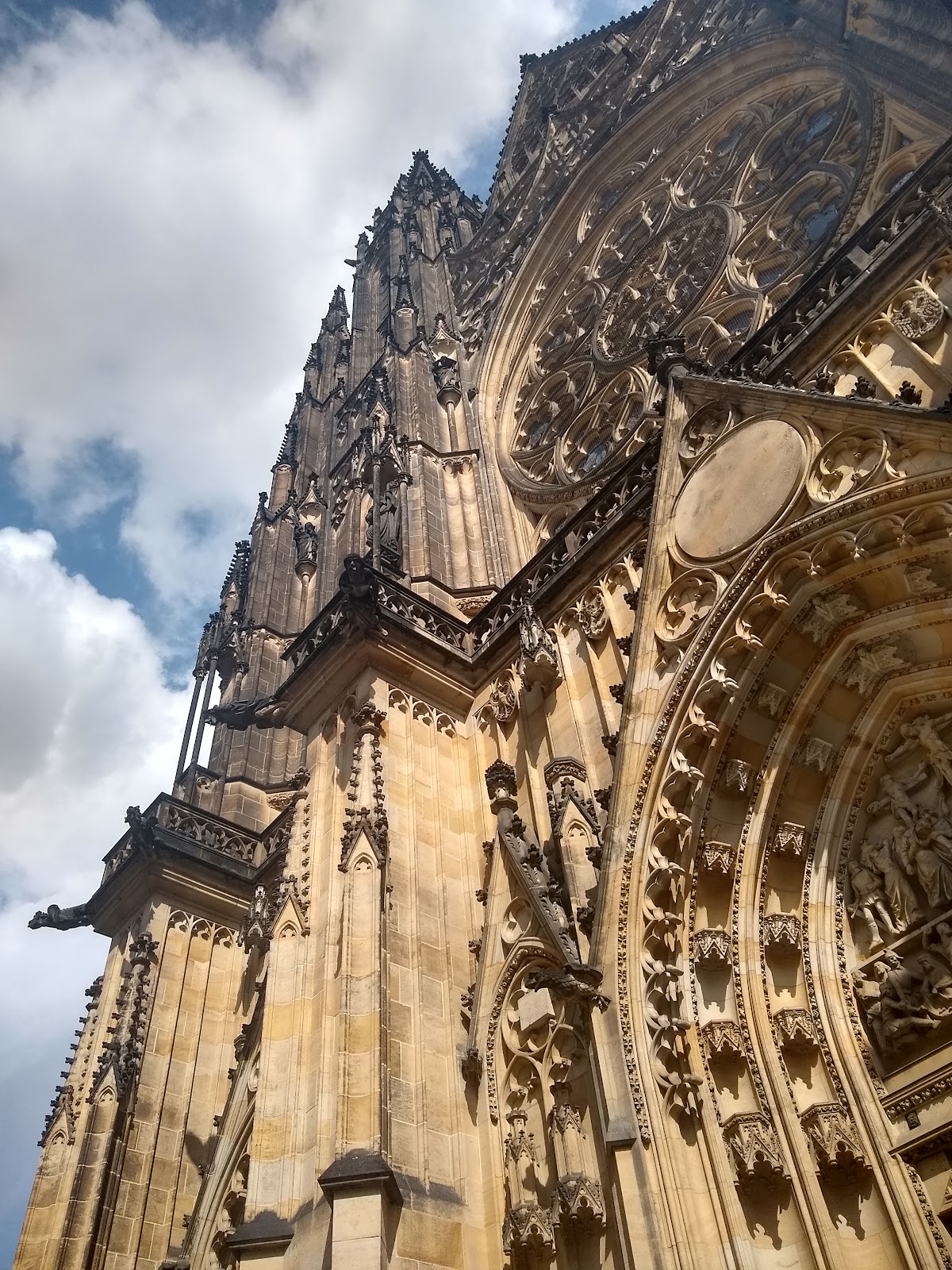
Then there's the Church of St. Barbara (patron saint of miners in this town known for its historical silver mines).  It was, like, St. Vitus in Prague, the work of Peter Parler. And while not quite as big as the Prague cathedral, its a true gem of gothic architecture.  And once again, you got to climb up into the choir area, which had huge clear windows that made the ascent from shadow almost feel like a climb out of the earthly realm and into heaven.


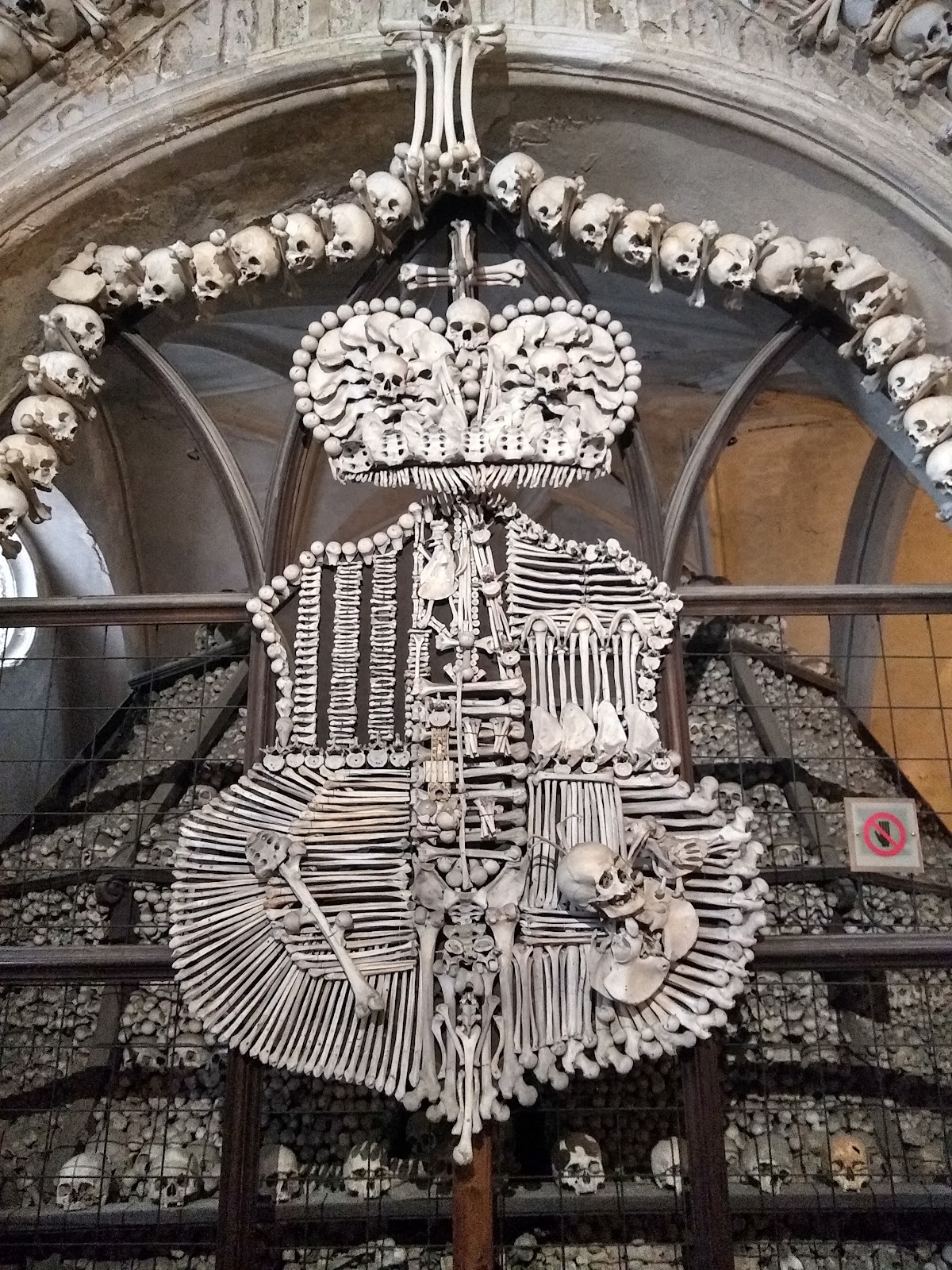
And of course there's the Sedlec Ossuary (the main reason for Steven's and I guess also my visit to Kutna Hora).  In the crypt below a small chapel on the outskirts of town rest the bones of about forty thousand people.  It began with just monks being interred there, but really got going in the fifteenth century when the Hussite Wars, a series of wars surrounding the early Reformation attempts of Jan Hus, got going.  The bones were already there, but then in the late 19th century the surrounding lands were bought by the aristocratic Schwarzenberg family who hired an architect to rebuild the chapel and, while he was at it, decoratively rearrange the bones into giant pyramids, decorative wall patterning and even a replica of the Schwarzenberg family crest.  The effect is a weird blend of eerie, holy and at times almost comical. While the point of the place was to serve as a reminder that we are all mortal, and (something like) this is what awaits us all, it becomes hard to remember that the bones represent real humans with real lives and feelings and friends and families when they've been turned into a giant chandelier.


Back in Prague, the other major fun events centred on food and beer (shocking, I know!)

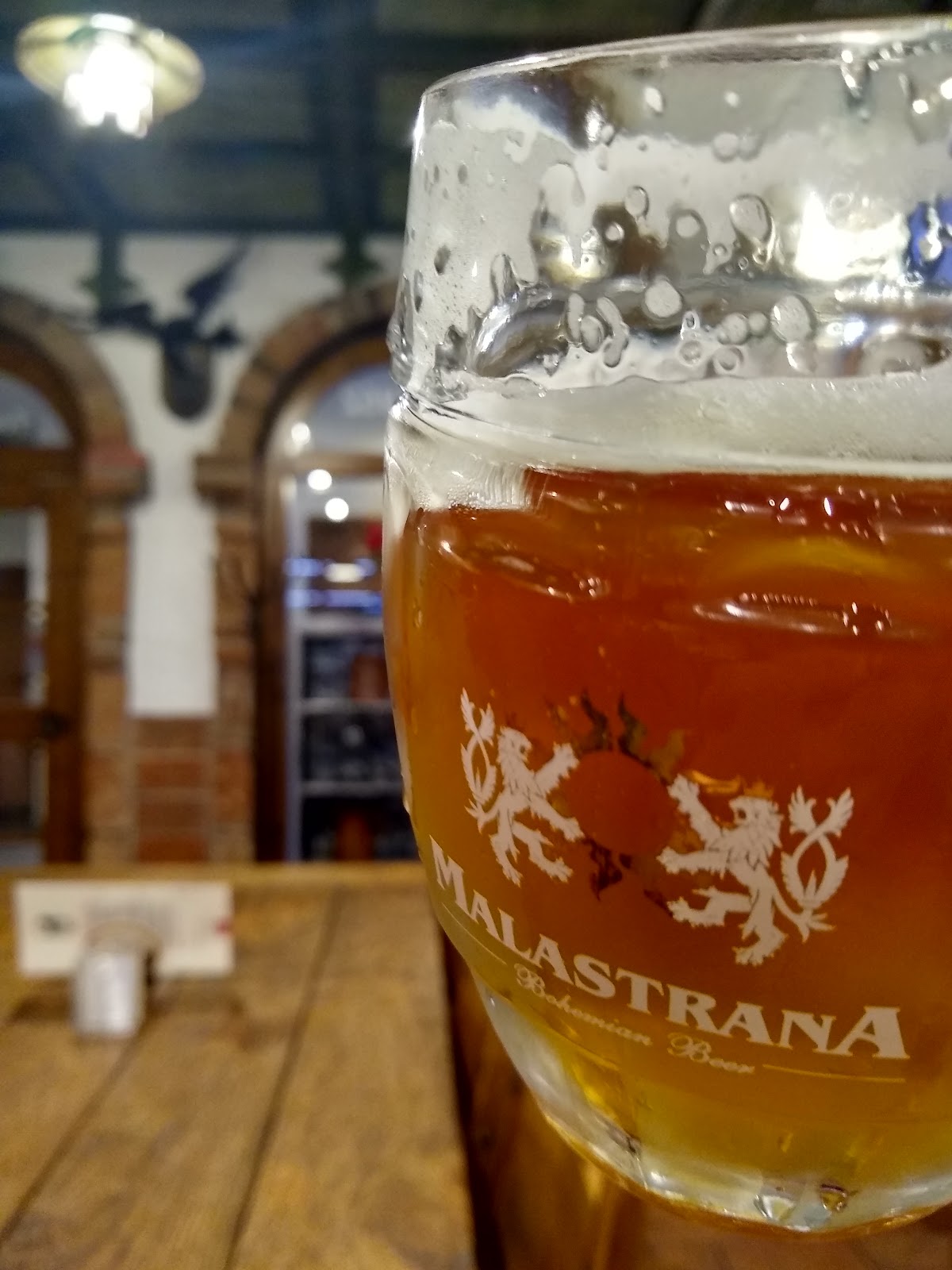
There are quite a few brewpubs in the city and we went to several.  The modern craft brewing industry in the Czech Republic seems to have been so strongly influenced by the country's grand historical brewing tradition that it struggles to get out from underneath it.  Almost all of the breweries produced a 10° Plato (or, as some of them confusingly called it, a 10%) pale later, an 11 or 12° pale lager and an 11 or 12° dark lager. There were variations (e.g. does this version have diacetyl or not [to my relief, none of them approached the amount in the pint of Pilsner Urquell we had at the brewery bar]).  But beyond a single seasonal there was very little variety in most of the beers.  

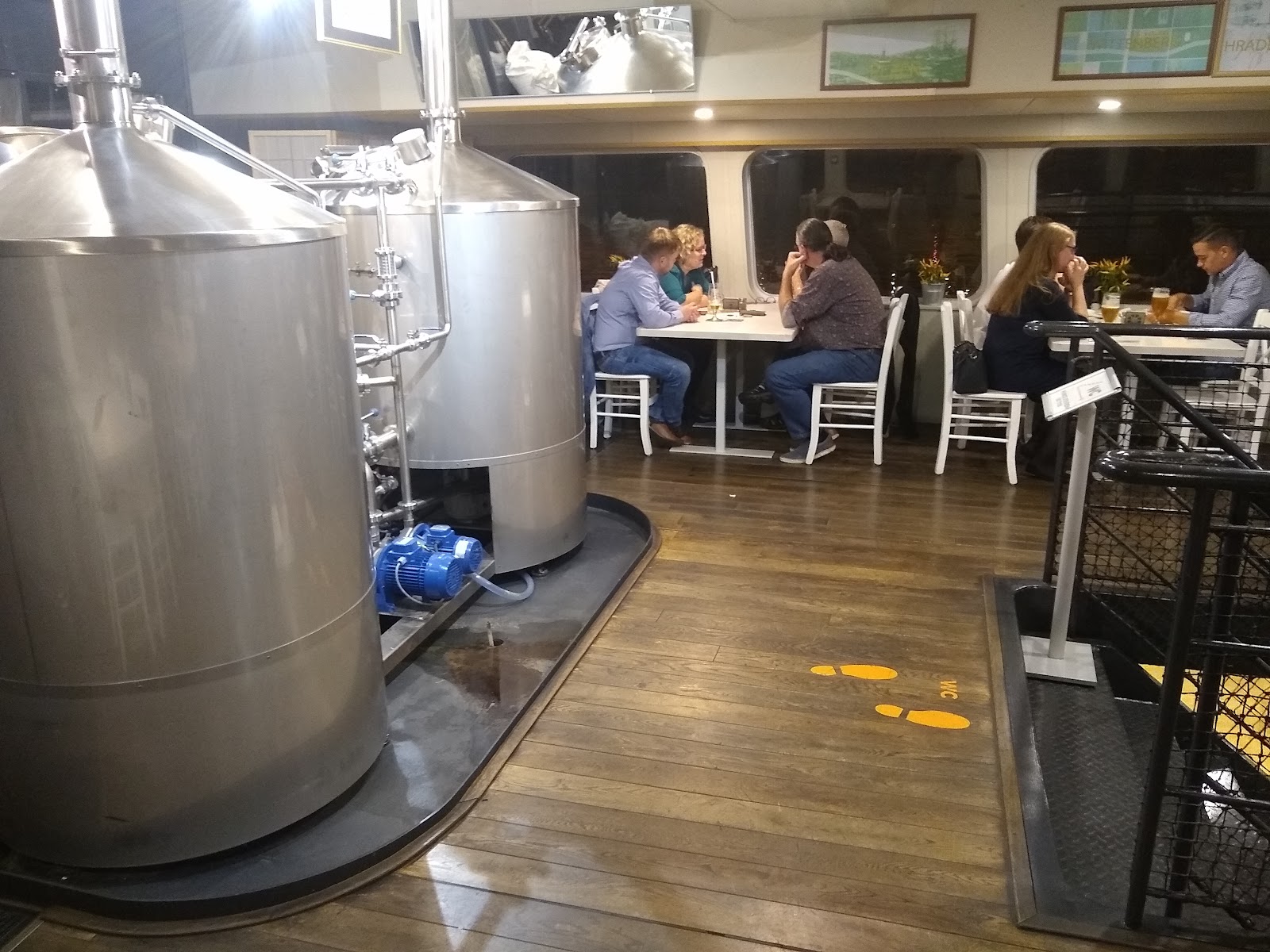
Which is not to say there was a lack of variety in the breweries themselves.  Though there were an awful lot of 500-1000L shiny copper vessels in the middle of the pubs, we visited one brewery that was literally on a boat (open fermenters and 16 lagering/bright beer tanks). 


And there was U Flecku.  It's a popular tourist spot very reminiscent of a Bavarian Biergarten near the old town serving classic Czech food (Steven had a huge pork knuckle, I had Gulash stew and we shared pungent, garlicky beer cheese and toast) that serves a single house made beer, a dark lager.  We asked our waiter if we could see the brewery, and he said that it was closed for the day, but if we wanted we could try coming back the following morning around 10:00.

To be honest, I probably would have just skipped it and gone straight to the train station, but I'm so glad that Steven convinced me to give it a go.

It took a while, but some of the staff eventually found Michael, the young brewmaster (one of two employees at the 7000L brewery where they brew twice a week) and he gave us one of the coolest brewery tours ever.  U Flecku is a mostly gravity fed brewery, so we started up in the grain loft, headed down to the mash tun and kettle (which, at ~150 years old are practically babies compared to the 400 year history of the place as a whole) where they still do double decoction mashes using taps and troughs like we'd seen at the old system in Plzen.

And from there down to the 7000L koelschip!  A koelschip is a wide, shallow pan used for cooling beer naturally that I associate almost exclusively with Belgian spontaneous fermentation beers, but at U Flecku they use it to cool their wort down from 100°C to 60°C before finishing it off down to yeast pitching temperature with a modern heat exchanger.

Then finally down to the (literal) cellars where Michael poured us beers straight out of the lagering tanks.  Absolutely delicious, and definitely better than the (still pretty good) stuff carried around on big trays by the waiters upstairs.  Which didn't, of course, stop us from popping back up to the garden for one more after Michael had got back to work.  


This was as fine a farewell to Prague as we could imagine, and along with a bright sunny morning left us entirely happy to be saying farewell and continuing our journey east to the small student city of Olomouc in Moravia.